This article contains affiliate links. We may earn a commission from qualifying purchases.
Some content on this site is AI-assisted and reviewed by our editorial team.
Last December my cat, Olive, decided the bottom two feet of the Christmas tree were her personal climbing gym. Night one: two glass ornaments batted off the lowest branches, $19 on the floor by morning. Night three: I caught her lapping from the tree stand — the stagnant, bacteria-growing water the lot treats the trunk with. The ornaments I could replace. The water scared me into an $85 vet exam, and she was fine. So with the tree going up this weekend, I priced cat-proofing three ways before she gets one crack at it: the free foil-and-skirt route, the ten-dollar spray route, and the sixty-dollar motion-can route. Foil lost.
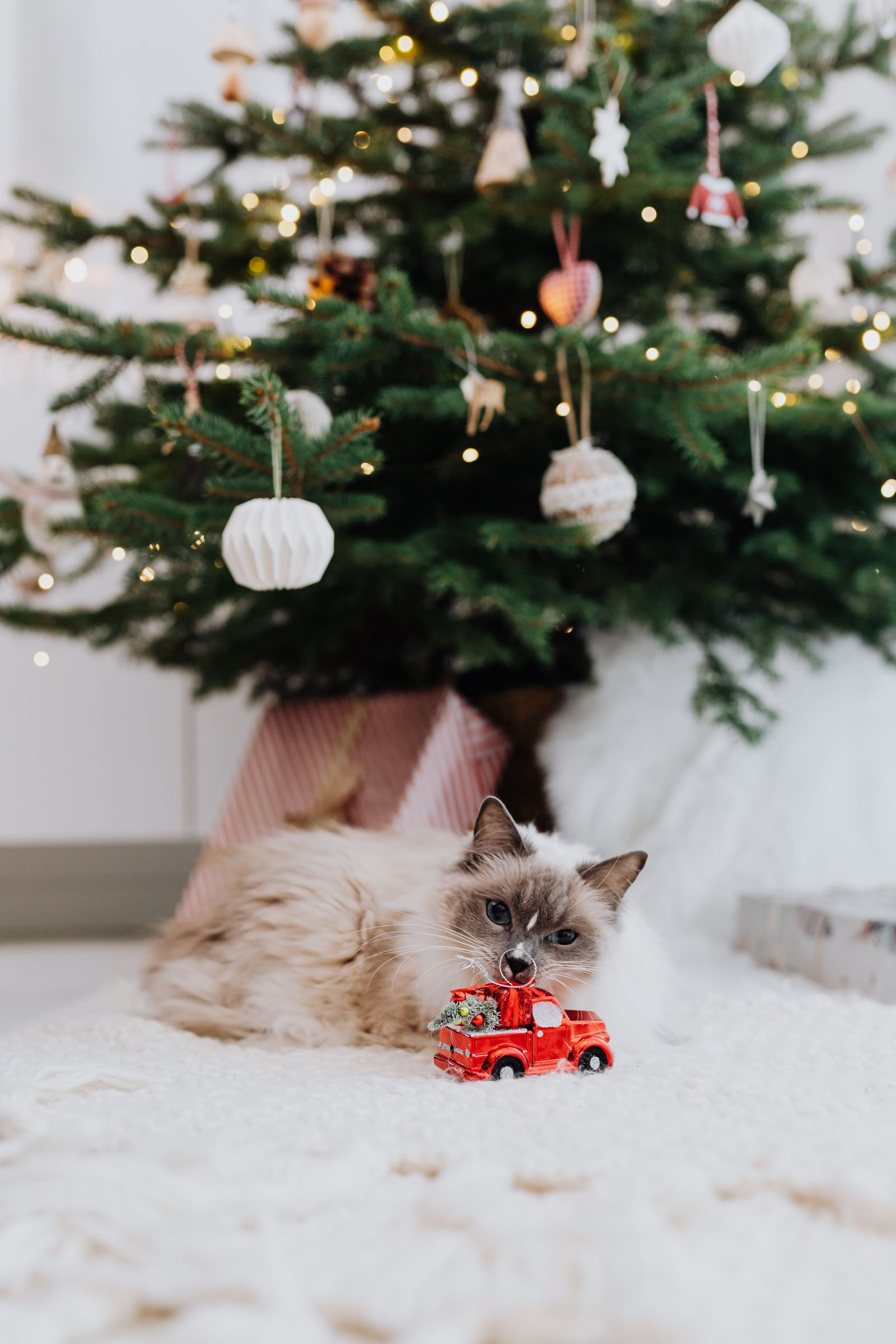
I tracked what each tier actually prevented and tested all three over two tree seasons. Here is what I found.
What the Cat-Versus-Tree War Costs if You Do Nothing
The “just watch her” approach isn’t free; it’s just unbilled:
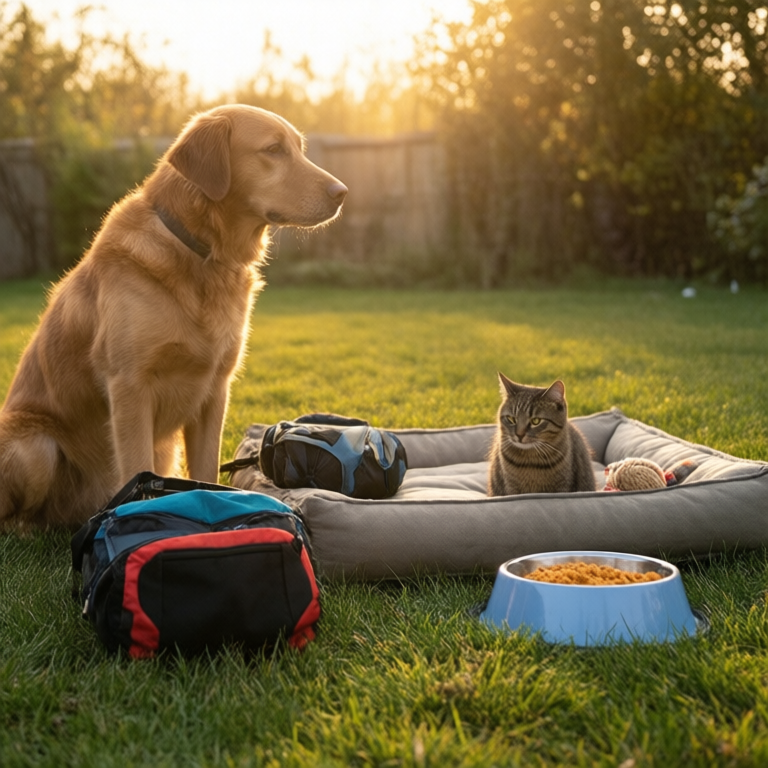
- Broken ornaments: glass ones run $4 to $9 each. Olive averaged three a season — call it $15 to $25 every December.
- Stand-water vet risk: one bacteria-laced drink cost me an $85 exam to hear “probably fine.”
- The topple tail-risk: a determined cat can pull a tree down, and a decent 6-foot artificial runs $70 or more.
Add it up: doing nothing costs about $30 in a lucky year, $100-plus in a bad one — every year, because the cat forgets nothing and the tree comes back. That’s the number I set out to beat.
The Free Tier: Foil and a Skirt — Zero Dollars, One Week of Peace
No link for this one: a roll of heavy-duty foil wrapped trunk-tight, plus a skirt that covers the stand so the water is out of reach. The foil crinkles underfoot and blocks the trunk; the skirt alone is worth keeping, because it takes the water off the menu.
The honest con, and it’s the whole story: most cats habituate inside a week. Olive investigated the crinkle for three nights, sat on it on night four, and by week two it was just unusual carpet. Keep the skirt forever; budget on the foil failing before the ornaments do.
My take: Run the foil as your week-one buffer while the real deterrent does the teaching. Just don’t mistake it for the solution.
Four Paws Keep Off! Cat Repellent Spray — The Ten-Dollar Spray Tier
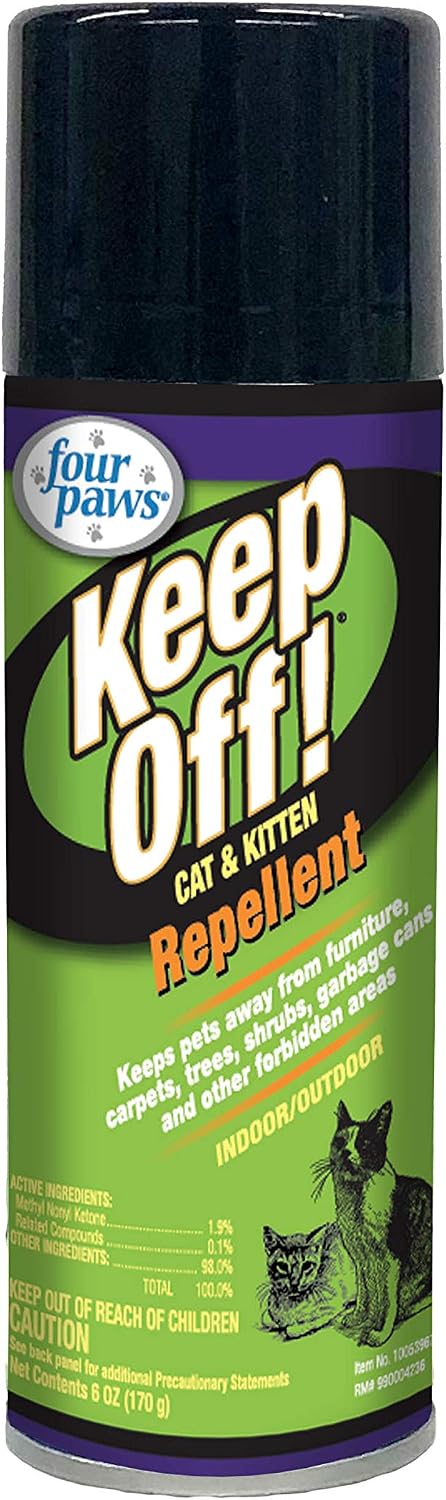
The Four Paws Keep Off! repellent spray is the store-shelf answer: a 6-ounce aerosol, about $10, misted on the lower branches and skirt. It relies on a smell cats supposedly avoid, and one application lasts the day.
The math is the friendliest of any tier: one can mostly covers a five-week season of daily sprays, call it $2 a protected week. The honest con is its 3.3-star reality — plenty of cats walk straight past it, mine included by day two, and the smell is strong in a closed living room.
My take: Worth $10 as a layer on the skirt and lowest branches, never as the plan. Buy it expecting a coin flip on your particular cat.
PetSafe SSSCAT Automatic Spray Deterrent — The Air-Can Teacher
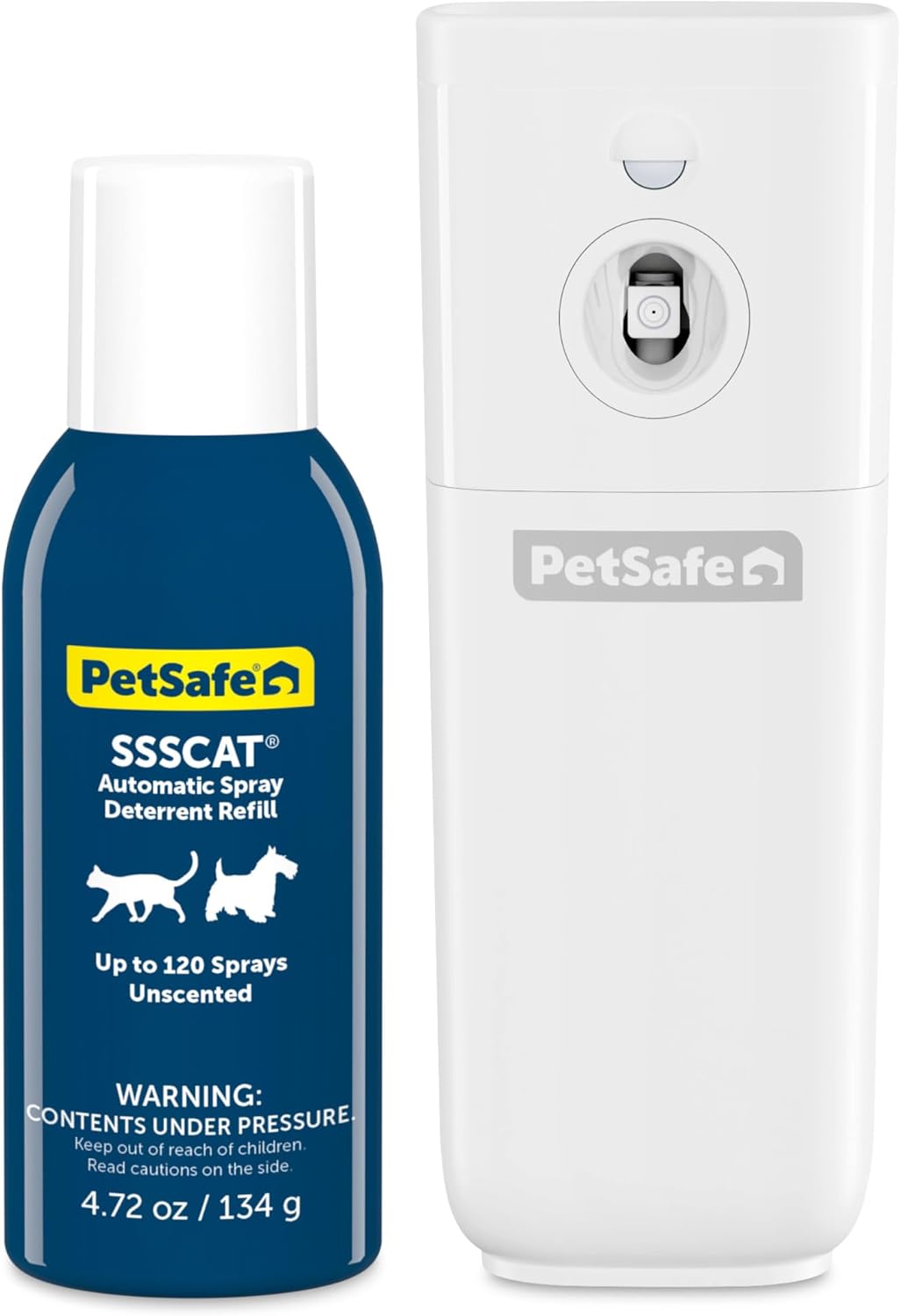
The PetSafe SSSCAT is where the tiers change: a motion sensor riding on a can of compressed air that hisses the instant a cat crosses into the tree zone. About $60 with one refill included; four AAA batteries not. It’s the only option that corrects the cat while you’re asleep or at work, and the lesson generalizes — after three triggers Olive gave the whole corner a wide berth.
The math: $60 once, plus a $15 refill every season or two — about $13 a year across five Decembers, against $30-plus of ornaments in a bad year, and it takes the stand-water problem down with it. The honest cons: reviews show the sensor misses small or slow-moving cats, so angle it at floor level, and the hiss startles houseguests too.
My take: The winner, and it isn’t close. Foil informs, spray smells, the air can teaches — and teaching is the only thing that survives the whole season.
PetSafe ScatMat Indoor Training Mat, 48 x 20 in — The Tree-Skirt Tingle
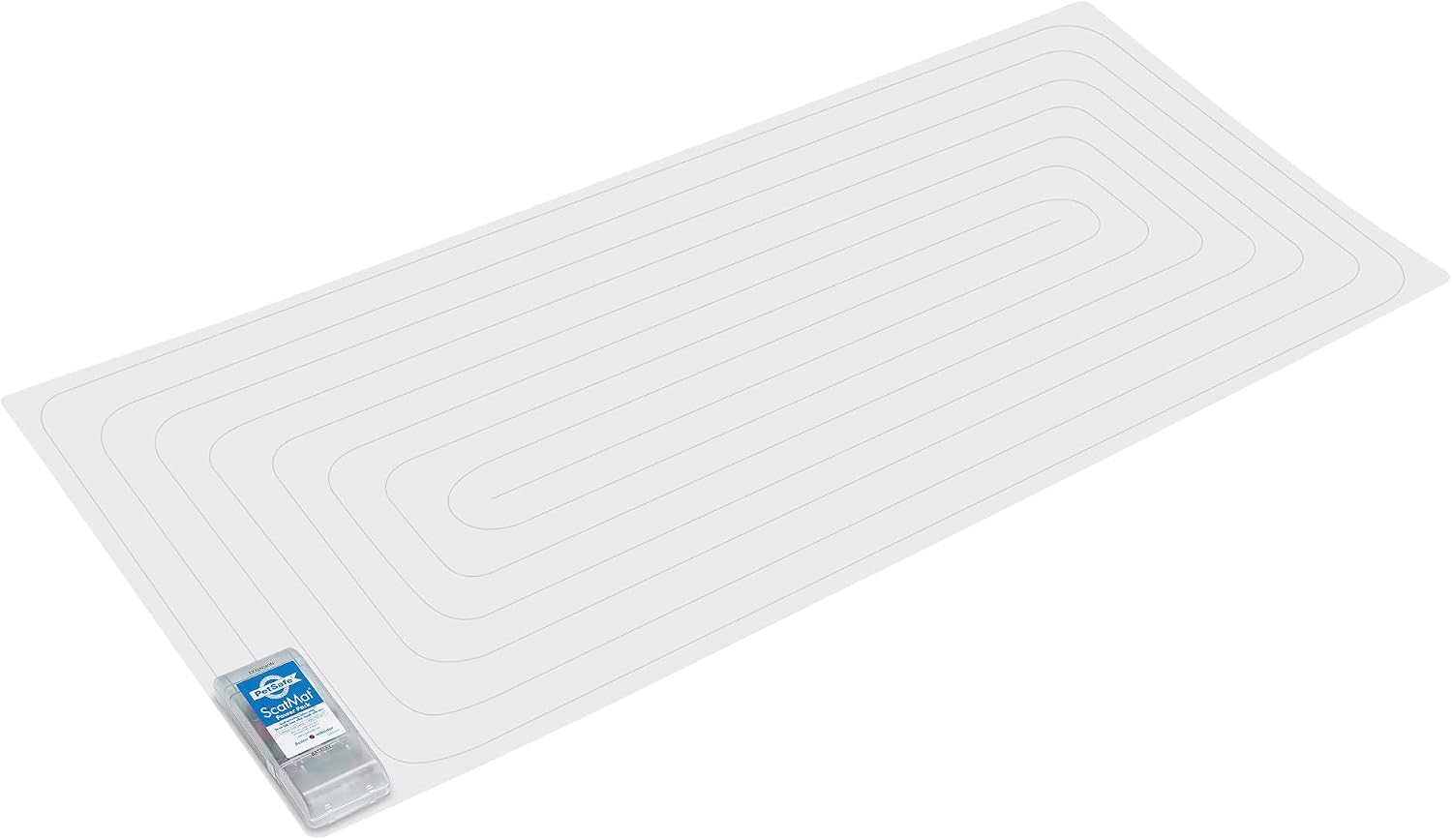
The PetSafe ScatMat in the 48-by-20 size, about $50, guards the ground instead of the air: lay it at the branch-drop line and any paw on the mat gets a low static pulse — or tone only, the mode to try first for a sensitive cat. The controller counts every correction, proof it worked while you were in bed.
The honest cons: the 9-volt battery isn’t included (add $5), the clear vinyl shows on dark carpet, and a clever cat may learn to jump the 20-inch width. It does nothing about a climber who launches from the couch.
My take: The best pick when your cat’s approach is the floor. It pairs well with the SSSCAT — one guards the ground, one the airspace.
PetSafe ScatMat Sofa Size, 12 x 60 in — The Doorway Runner
The PetSafe ScatMat sofa size, 12 by 60 inches at about $50, is the same mat in a five-foot strip. For tree duty it’s a launch-path blocker: run it along the couch arm or across the tree-room doorway and the couch-to-tree flight path closes.
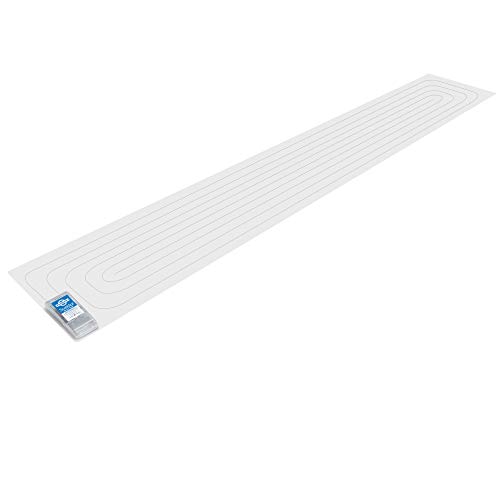
The honest cons: five feet of vinyl runner looks institutional until December ends, and it costs the same as the wider tree mat — it only earns its slot if the couch really is your cat’s runway.
My take: Skip it unless the couch is the runway. One mat at the tree does the job for most rooms.
One thing before you order: shipping quietly eats the savings on a $10 can. A free 30-day Amazon Prime trial gets deterrents to your door in two days with free shipping, so the price on the page is the price you pay. I cancel in slow months and restart it when I need something.
Features That Actually Matter (And Ones That Don’t)
Two tree seasons separated what earns its money from the folklore:
- Correction without you in the room — matters. A deterrent that only works when you’re watching trains the cat to wait, not to avoid.
- Tone-only mode — matters. Some cats shut down at static pulses; a tone-first trial week tells you which cat you have.
- Refill and battery costs — matter. The SSSCAT’s $15 refills are the only recurring cost; everything else runs on one $5 battery a year.
- Citrus peels and cotton balls — don’t matter. The listicle favorite dries out and stops smelling inside three days.
- Ultrasonic repellers — don’t matter. Mixed evidence at best, and cats habituate to a tone that predicts nothing.
- Decorative camouflage — doesn’t matter. Clear vinyl shows on carpet either way.
The Annual Cost Comparison
- Before: three or four ornaments a year plus one vet scare — $30 in a lucky year, $100-plus in a bad one.
- After, free tier: $0 — and the cat is back in the tree inside two weeks.
- After, spray tier: $10 to $20 a season in cans, and only if your cat minds the smell.
- After, motion-can tier: $60 once plus a $15 refill every second season — about $13 a year amortized, tree standing all December.
- Annual savings: roughly $17 to $90 a year versus doing nothing — with the stand-water risk simply gone, the part I actually care about.
The ornament math is nice, but the real sell is that the motion can ends the war instead of pausing it.
If you’re doing cat-cost math this month: my cats also voted with their claws on a $70 cat tree versus the $200 pet-store tower, and I priced self-cleaning litter boxes by laziness.
ThriftyPaw is reader-supported. As an Amazon Associate, I earn from qualifying purchases. That means if you buy through one of the links above, I get a small commission at no extra cost to you. I only recommend products I’ve actually used with my own dog.
🐾 Get Your Free Big Dog First Aid Kit Checklist
Join our newsletter and get this free printable plus weekly tips.
Frequently Asked Questions
How do I keep my cat out of the Christmas tree?
Layer your defenses: a motion-sensing spray can like the SSSCAT at the tree base teaches the cat the zone is off-limits even when you're not watching. Add a scat mat under the tree skirt for the floor approach and secure the tree to the wall with fishing line so even a determined climber can't topple it. Foil around the base works for about a week until most cats realize it's harmless.
Do motion-activated pet sprays work on cats?
Yes — they're the most effective hands-off deterrent I've tested. The compressed-air hiss startles cats without hurting them, and after 3-5 triggers most cats start avoiding the area on sight. The catch: small or particularly bold cats sometimes slip past the sensor, and refills cost about $15 every few months depending on how many times the cat tests it.
Is Christmas tree water dangerous for cats?
It can be. Stagnant tree water grows bacteria and may contain fertilizers or preservatives from the tree lot. Drinking it can cause vomiting and diarrhea. Use a tree skirt to cover the stand, or wrap the base in foil. If your cat is a persistent water-drinker, consider a covered tree stand or block access entirely with a scat mat.
Liked this guide? Get the next one in your inbox — the pet budget checklist is free too.
✓ You're in — check your inbox.
No spam. Unsubscribe anytime. We never share your email.