This article contains affiliate links. We may earn a commission from qualifying purchases.
Some content on this site is AI-assisted and reviewed by our editorial team.
Every German Shepherd owner has asked this question and gotten twelve different answers. Your vet says one thing, the bag says another, your breeder says something else, and that guy on the Facebook group is feeding raw liver and yelling at everyone.
Let’s cut through it. Here’s what the actual feeding guidelines look like — with real numbers, real costs, and real portions.
The Short Answer
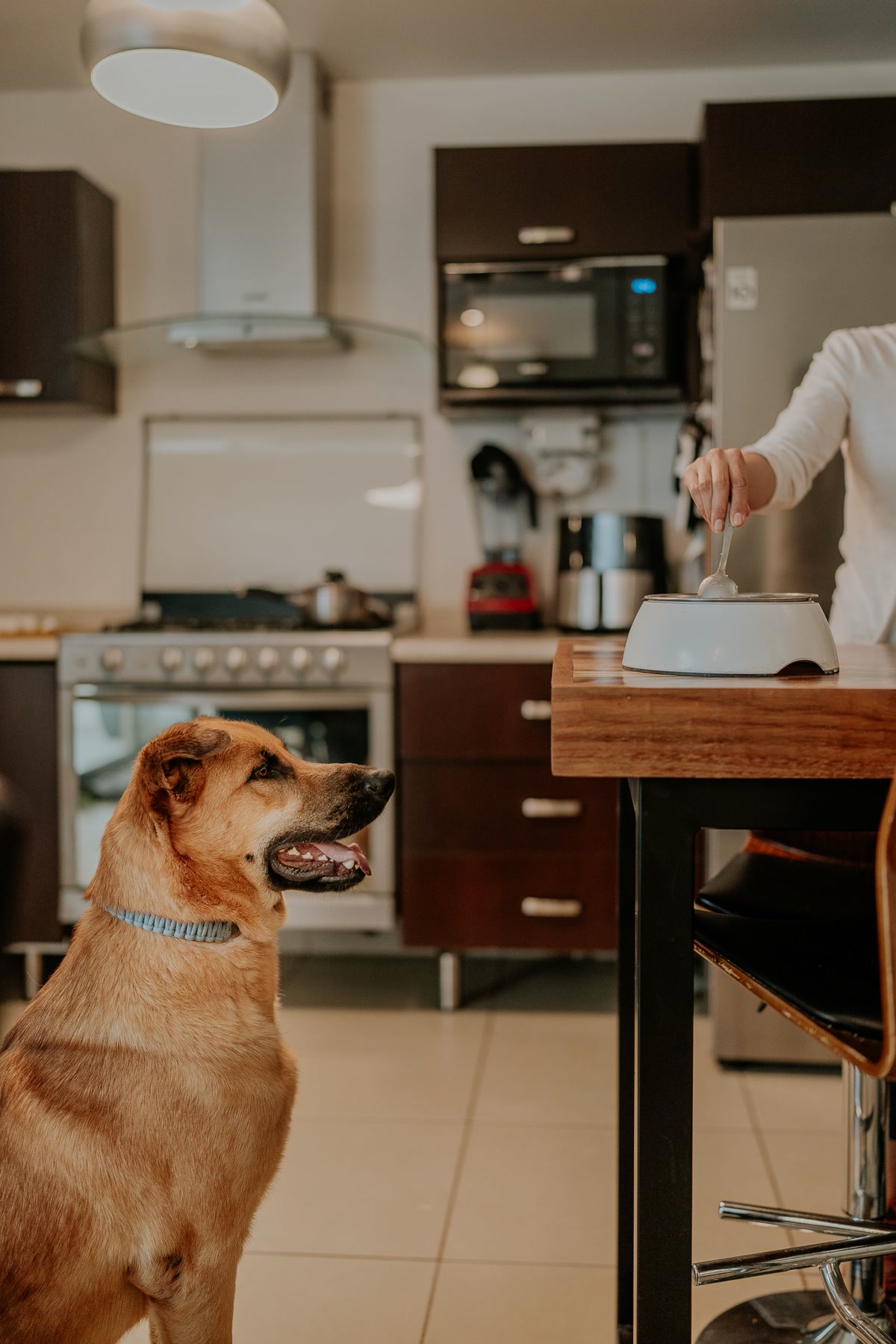
An adult German Shepherd typically needs 1,200 to 2,100 calories per day, depending on activity level. That works out to roughly 2.5 to 4 cups of quality dry kibble daily. But the exact amount depends on your dog’s weight, age, and how much they actually move.
Feeding by Weight and Activity
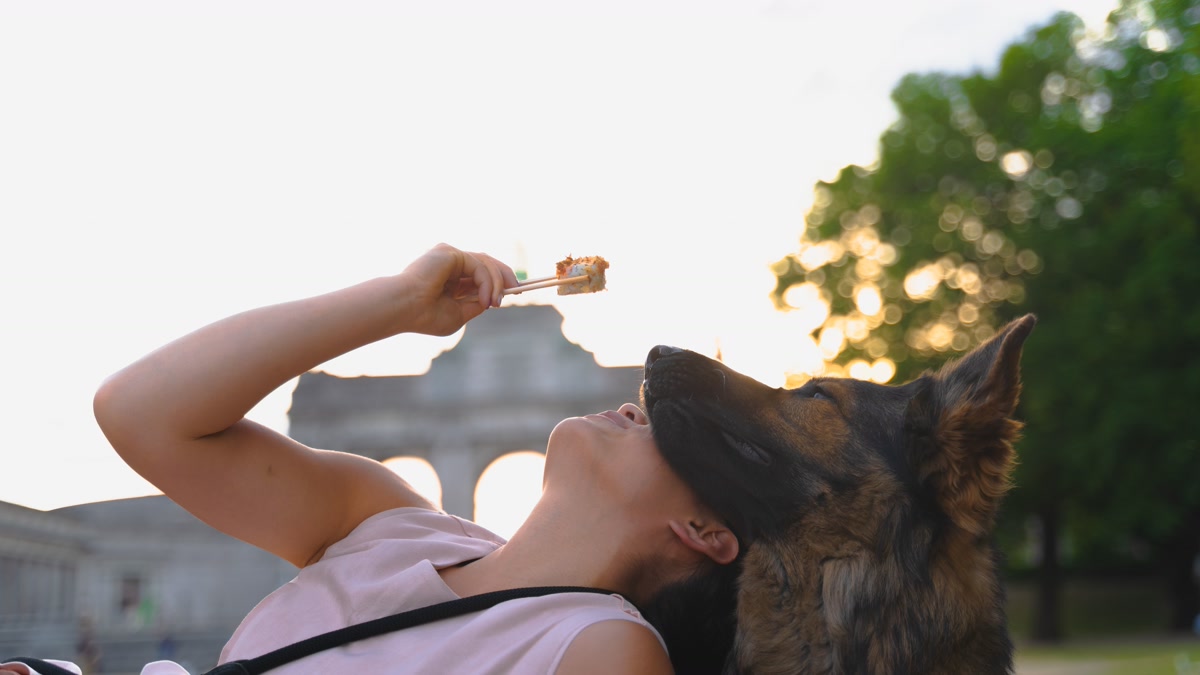
German Shepherds range from 65 to 90 pounds (females on the lower end, males on the higher). Here’s a practical breakdown:
- Sedentary adult (60-75 lbs): 2 to 2.5 cups per day — this is your dog that gets a 20-minute walk and sleeps on the couch the rest of the day
- Moderately active (70-80 lbs): 2.5 to 3 cups per day — daily walks plus some running or play
- Active/working (75-90 lbs): 3 to 4 cups per day — agility training, long hikes, or working line dogs
- Puppies (8-16 weeks): 1.5 to 2.5 cups, split into 3 meals
- Puppies (4-12 months): 2.5 to 3.5 cups, split into 2 meals
These are starting points. The real test: run your hands along your dog’s ribs. You should feel them easily without pressing hard. If you can’t, feed less. If they’re visibly prominent, feed more. For the full picture of what your dog costs each month — food, vet, gear, and everything else — see our honest monthly cost breakdown. And if kibble is eating your budget, our 7 ways to save on pet food can cut your bill without switching to junk brands.
Here is a practical video from That Enzo and Lotus showing exactly how much to feed a German Shepherd based on weight and activity level:
What About the Bag Recommendations?
Take the feeding chart on the bag as a starting point, not gospel. Pet food companies want you to feed more — you buy more food that way. We compared the chart recommendations on three popular brands against what actually works:
- Purina Pro Plan Large Breed: Chart says 3.5 cups for a 75-lb dog. Reality: most moderately active shepherds do fine on 2.75-3 cups.
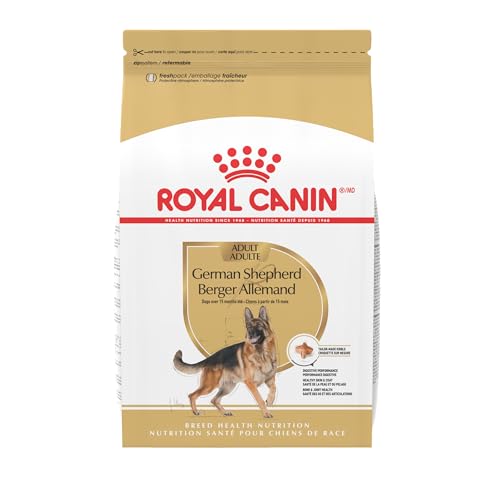
- Royal Canin German Shepherd: | Compare prices Chart says 3.25 cups. Reality: same, closer to 2.75 cups.
- Taste of the Wild High Prairie: Chart says 3 cups. Reality: this one’s closer to accurate since it’s higher calorie per cup.
The difference? Calorie density. A cup of food can range from about 350 to 500+ calories. Always check the calories per cup, not just the volume.
The Real Cost Breakdown
Let’s talk money. Here’s what a month of feeding actually costs:
- Budget kibble ($25/30-lb bag): ~$20-30/month — look, it keeps them alive, but the ingredient lists read like a chemistry exam
- Mid-range kibble ($45-55/30-lb bag): ~$35-45/month — solid choice, brands like Purina Pro Plan, Iams, Diamond Naturals
- Premium kibble ($65-80/30-lb bag): ~$50-65/month — Acana, Orijen, Taste of the Wild
- Raw/fresh food: ~$80-150/month — if you’re here, you know what you’re spending
For most German Shepherd owners, the $40-50/month range hits the sweet spot. You’re getting decent ingredients without the premium markup.
Puppy Feeding: The Critical Window
German Shepherd puppies are growing fast, and overfeeding is actually worse than slightly underfeeding. Too many calories during growth can lead to musculoskeletal problems — which GSDs are already prone to.
Key rules for GSD puppies:
- Feed large-breed puppy formula (it has controlled calcium and phosphorus ratios)
- Split into 3 meals until 4 months, then 2 meals
- Keep them lean — you should always see a waist from above
- Don’t supplement with extra calcium (this is outdated advice that causes problems)
Our Honest Take
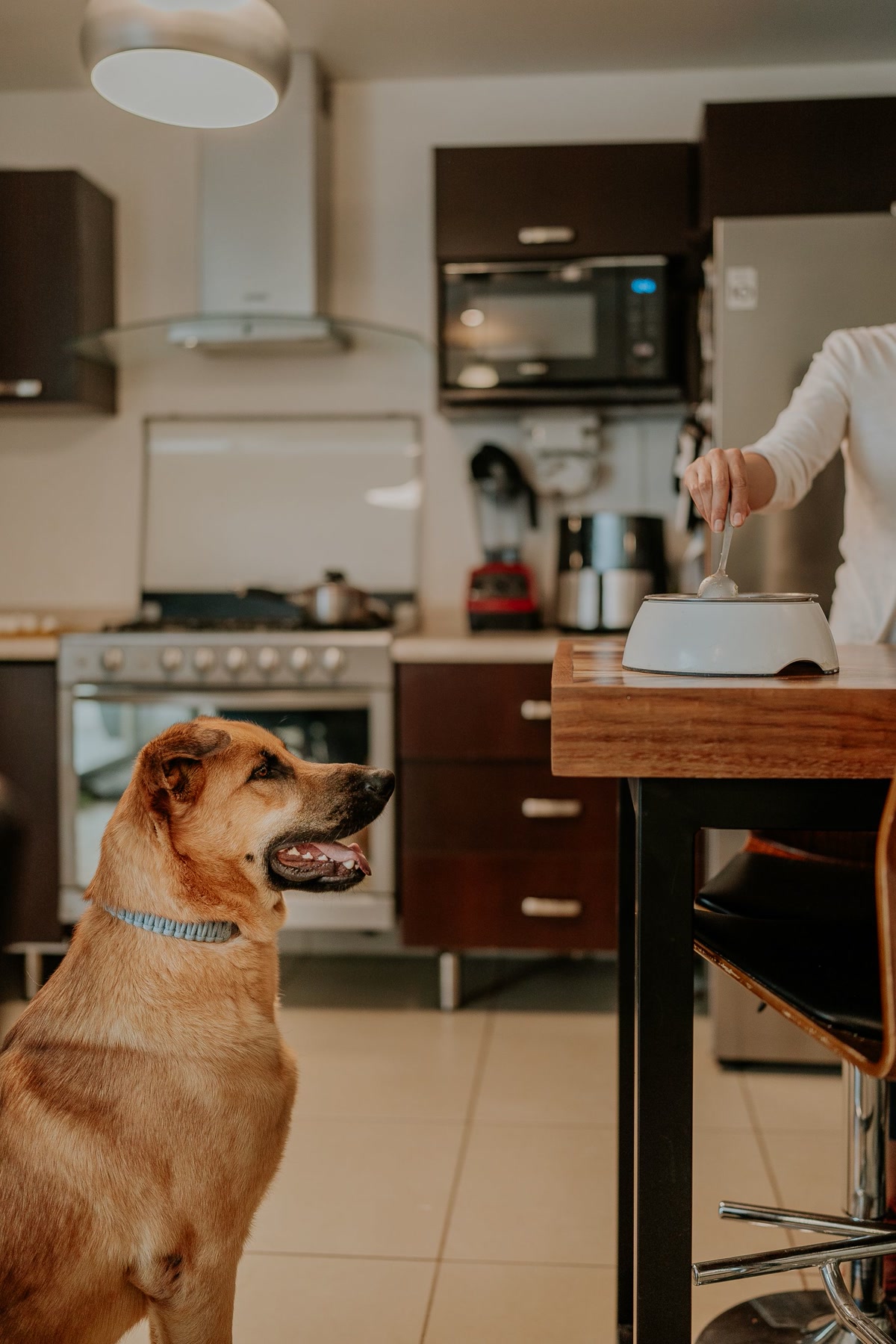
We feed our 78-pound GSD mix 2.75 cups of Purina Pro Plan Large Breed Adult, split into morning and evening meals. It costs about $38/month. Is it the fanciest food? No. Does our dog have a shiny coat, good energy, and clean vet checks? Yes. That’s what matters.
Don’t let anyone make you feel bad for not spending $150/month on dog food. Feed what works for your dog and your budget. Just pay attention to the scale — literally weigh your dog monthly — and adjust from there.
n
ThriftyPaw is reader-supported. As an Amazon Associate, we earn from qualifying purchases. This means we may earn a small commission when you buy through links on this site at no additional cost to you. We only recommend products we genuinely believe in. Thank you for supporting ThriftyPaw.
My take: The honest answer is the boring one: feed by your dog’s weight and body condition, not by the bag’s suggestions — most adult German Shepherds land between 1,200 and 2,100 calories a day, which is about $38 a month on solid mid-range kibble. Anyone shaming you for not spending $150 a month on food is selling something.
Related guides
- Flea and Tick Meds Kept Draining My Wallet. These 4 Options Actually Work Under 15 Dollars.
- Senior Dog Food on a Budget — What Changes, What to Feed, and What to Skip (2026)
- Budget Canine Diabetes Management: Complete Guide Under 80 Dollars Per Month
- Dog Skin Allergies on a Budget: Complete Treatment Guide Under 25 Dollars (2026)
- Budget Dog Dental Care at Home: Prevent 1000 Dollar Vet Bills for 15 Dollars
🐾 Get Your Free Big Dog First Aid Kit Checklist
Join our newsletter and get this free printable plus weekly tips.
Frequently Asked Questions
How many cups of food should a German Shepherd eat per day?
An adult German Shepherd typically needs 2.5 to 4 cups of quality dry kibble per day, split into two meals. Sedentary dogs (60-75 lbs) need 2-2.5 cups, moderately active dogs (70-80 lbs) need 2.5-3 cups, and active or working dogs (75-90 lbs) need 3-4 cups. Always adjust based on your dog's body condition.
How many calories does a German Shepherd need daily?
An adult German Shepherd needs 1,200 to 2,100 calories per day depending on activity level. A sedentary 70-pound dog needs around 1,200-1,400 calories, while a highly active 85-pound working dog may need 1,800-2,100 calories. Check your kibble's calorie content (usually listed as kcal per cup) to calculate portions accurately.
Should I feed my German Shepherd puppy differently than an adult?
Yes. Puppies (8-16 weeks) need 1.5 to 2.5 cups split into 3 meals per day. Older puppies (4-12 months) need 2.5 to 3.5 cups split into 2 meals. German Shepherd puppies grow fast, so underfeeding can cause developmental issues. Transition to adult food around 12-15 months and switch to 2 meals per day.
How much does it cost to feed a German Shepherd per month?
Feeding a German Shepherd costs roughly $40 to $90 per month depending on kibble quality. Budget brands run $1-2 per pound, premium brands $3-4 per pound. A 70-pound dog eating 3 cups daily goes through about 30 pounds of kibble per month. See our monthly dog cost breakdown for the full picture including vet and gear costs.
Liked this guide? Get the next one in your inbox — the pet budget checklist is free too.
✓ You're in — check your inbox.
No spam. Unsubscribe anytime. We never share your email.