
This article contains affiliate links. We may earn a commission from qualifying purchases.
Some content on this site is AI-assisted and reviewed by our editorial team.
Cat kidney disease (chronic kidney disease or CKD) is the number one cause of death in senior cats — affecting 30 percent of cats over 10 years old and 50 percent of cats over 15. It is progressive and incurable, but early detection and management can add 1-3 quality years to your cat’s life. The budget management protocol costs 10-30 dollars per month and includes diet change, hydration support, and supplements. This guide covers how kidney disease develops, the early signs most owners miss, the budget treatment protocol, and how to monitor the disease at home.
What Kidney Disease Is and Why Cats Get It
The kidneys filter waste from the blood, regulate hydration, and produce hormones that control blood pressure and red blood cell production. In chronic kidney disease, functional kidney tissue is gradually replaced by scar tissue. The kidneys shrink and become less efficient at filtering waste.
Cats are uniquely prone to kidney disease because of their desert ancestry — their kidneys are designed to concentrate urine extremely efficiently (to conserve water). This means the kidneys work very hard throughout life, and the filtering units (nephrons) wear out over time. By the time symptoms appear, 65-75 percent of kidney function is already lost.
Causes and risk factors:
- Age — The primary risk factor. Most cases occur in cats over 10.
- Genetics — Persian, Abyssinian, and Siamese cats are predisposed.
- Dental disease — Bacteria from infected teeth enter the bloodstream and settle in the kidneys, causing damage over years.
- Dehydration — Chronic dehydration from a dry-food diet stresses the kidneys.
- Hypertension (high blood pressure) — Damages kidney blood vessels. Often caused by hyperthyroidism.
- Toxins — Lily toxicity (even a small amount of pollen licked off fur causes acute kidney failure), antifreeze, certain medications.
- Urinary blockages — A blocked cat that is unblocked late suffers kidney damage from the backup of pressure.
The Early Signs Most Owners Miss
Kidney disease is called the “silent killer” because symptoms do not appear until 65-75 percent of function is lost. The earliest signs are subtle and often attributed to “just getting old”:
Stage 1 (Early — 65-75% Function Lost)
- Increased thirst — The water bowl empties faster. You are refilling it daily instead of every 2-3 days. This is usually the first sign.
- Increased urination — Larger clumps in the litter box. The litter is wet throughout. You may need to scoop more frequently.
- Weight loss — Gradual, slow weight loss that is easy to miss. Weigh your cat monthly to catch this.
- Decreased appetite — Eating less, being pickier about food.
Stage 2 (Moderate — 75-85% Function Lost)
- Significantly increased thirst and urination — Very obvious now.
- Weight loss — Noticeable. Ribs and spine become prominent.
- Poor coat — Dry, dull, matted fur. Grooming decreases because the cat feels unwell.
- Vomiting — Occasional to frequent. Caused by stomach irritation from waste products in the blood.
- Lethargy — Less active, sleeps more, less interested in play and interaction.
- Bad breath — “Uremic breath” — smells like ammonia or nail polish remover. Caused by waste products in the blood being exhaled through the lungs.
Stage 3 (Advanced — 85-95% Function Lost)
- Severe weight loss — Very thin, muscle wasting visible.
- Frequent vomiting — Daily or multiple times per day.
- Not eating — Refuses food entirely.
- Dehydration despite drinking — Skin tent test shows dehydration (pinch skin on neck, it stays raised).
- Weakness — Cannot jump, has trouble walking.
- Mouth ulcers — Sores on the gums and tongue from uremic toxins.
- Anemia — Pale gums, weakness (kidneys produce the hormone that stimulates red blood cell production — damaged kidneys produce less).
- Seizures or coma — In end-stage kidney disease.
Early Detection: The Blood Test That Saves Lives (80-150 Dollars)
Annual blood work for cats over 8 years old catches kidney disease in stage 1, before symptoms appear. The two key tests:
- BUN (blood urea nitrogen) and creatinine — Waste products that the kidneys filter. Elevated levels indicate reduced kidney function. These only rise after 65-75 percent of function is lost, so they are not perfect early detectors.
- SDMA (symmetric dimethylarginine) — A newer marker that detects kidney disease when only 40 percent of function is lost — much earlier than BUN and creatinine. Most modern blood panels now include SDMA. Ask your vet for it specifically if it is not included.
- Urinalysis — Checks urine concentration (specific gravity). Cats with kidney disease produce dilute urine (low specific gravity) because the kidneys cannot concentrate it. This is one of the earliest detectable changes.
Total cost for annual blood work including SDMA and urinalysis: 80-150 dollars. This is the most important test you can do for your senior cat.
The Budget Management Protocol (10-30 Dollars Per Month)
There is no cure for CKD — the goal is to slow progression, manage symptoms, and maintain quality of life. The budget protocol:
1. Kidney Diet (10-20 Dollars Extra Per Month)
Kidney diets are reduced in phosphorus and protein (reducing the waste products the kidneys must filter) and increased in omega-3 fatty acids (reducing kidney inflammation). Options:
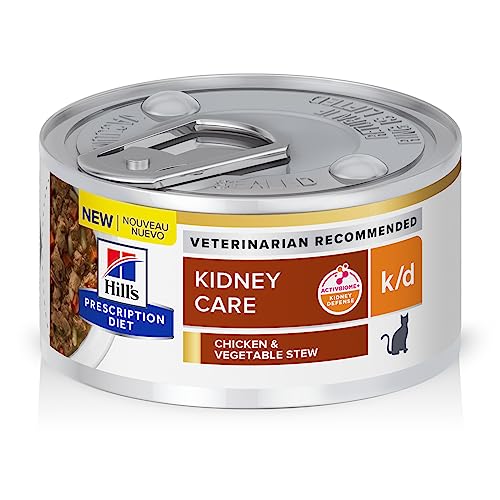
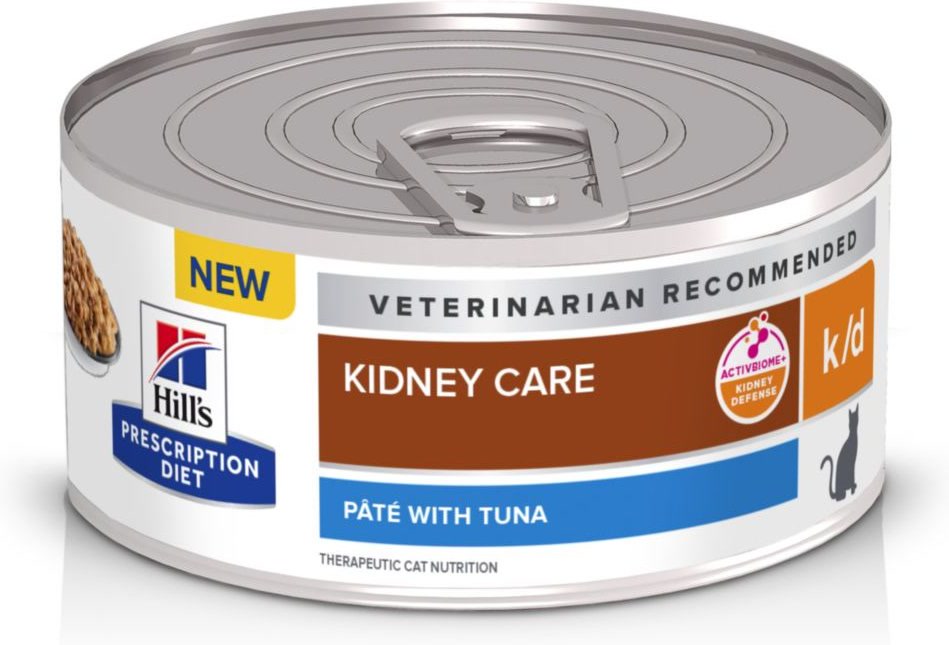
- Prescription kidney diet — Hill’s Prescription Diet k/d Kidney Care Wet Cat Food — about $60 for a 24-pack (1.50-2.50 dollars/can) or Royal Canin Renal Support Cat Food — about $70 for a 24-pack (1.50-2.50 dollars/can). The most studied kidney diets. Proven to extend life by 1-3 years. Requires vet prescription.
- Budget alternative: Feed a senior-formula wet food — Purina Pro Plan Senior Wet Cat Food — about $35 for a 24-pack (0.80-1.00 dollars/can) and add a phosphorus binder (see below). Not as precisely formulated as prescription diets but provides reduced phosphorus and increased moisture.
- Wet over dry — Always choose wet kidney food over dry. The water content is critical for kidney cats, who are chronically dehydrated.
If your cat refuses kidney food (many cats initially refuse it), transition gradually over 7-10 days by mixing increasing amounts with the current food. Warm the food slightly to increase aroma and palatability. Never starve a cat into accepting a new food — fasting causes fatty liver disease.
2. Phosphorus Binder (5-10 Dollars Per Month)
Elevated phosphorus is the single most damaging aspect of kidney disease — it accelerates kidney deterioration and causes nausea, weight loss, and itching. Phosphorus binders bind to phosphorus in the food and prevent absorption:
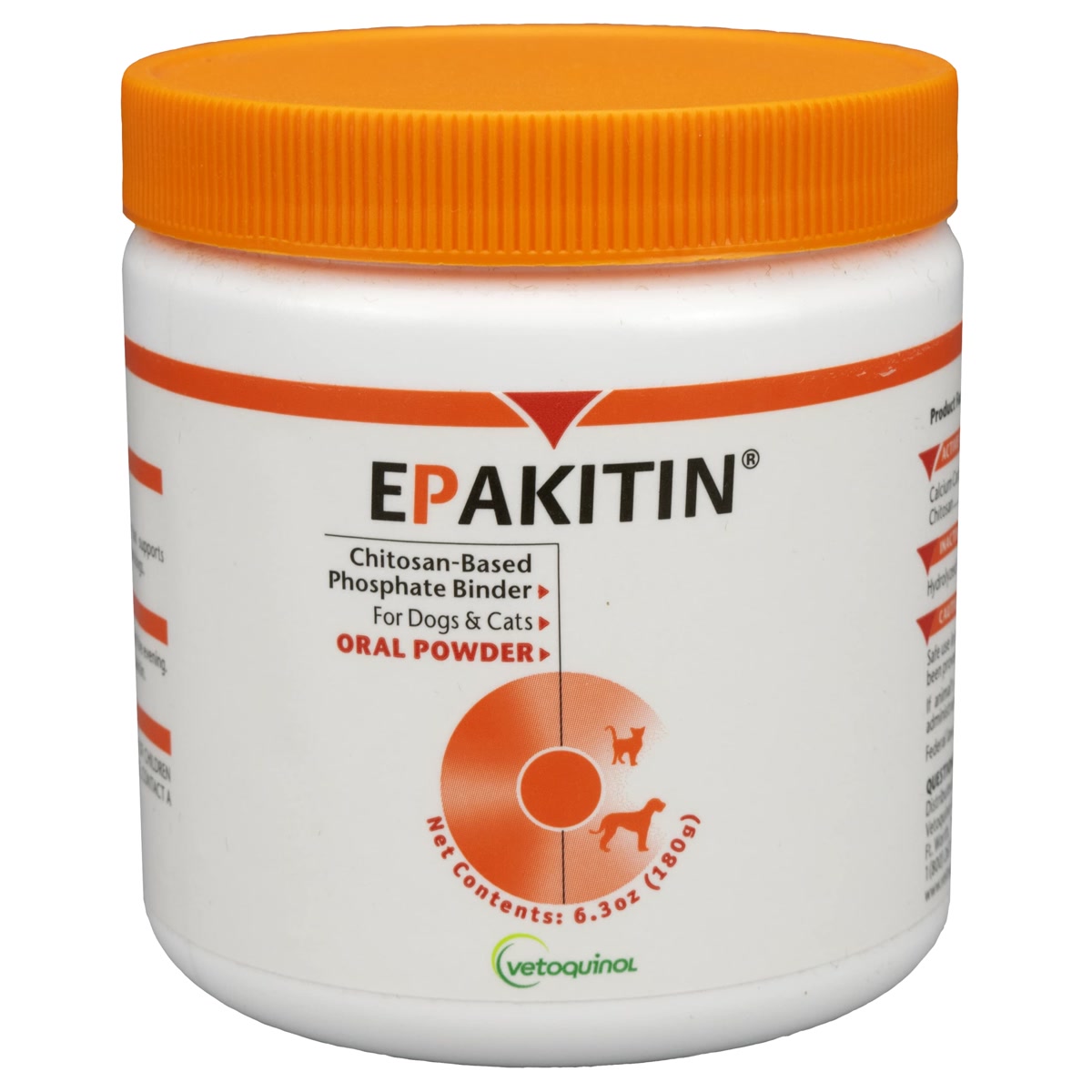
- Epakitin — Vetoquinol Epakitin Phosphorus Binder — about $30 (12-18 dollars/month). Powder sprinkled on food. Available through vets.
- Calcium carbonate (generic) — TUMS Calcium Carbonate Antacid — about $8 (3-5 dollars/month). Human calcium carbonate antacid acts as a phosphorus binder. Give 250-500 mg per meal, crushed and mixed with food. Discuss dosing with your vet.
- Aluminum hydroxide — 5-10 dollars/month. The most effective phosphorus binder. Available at compounding pharmacies. Discuss with your vet.
3. Hydration Support (Free to 10 Dollars)
Kidney cats are chronically dehydrated. Increasing water intake is essential:
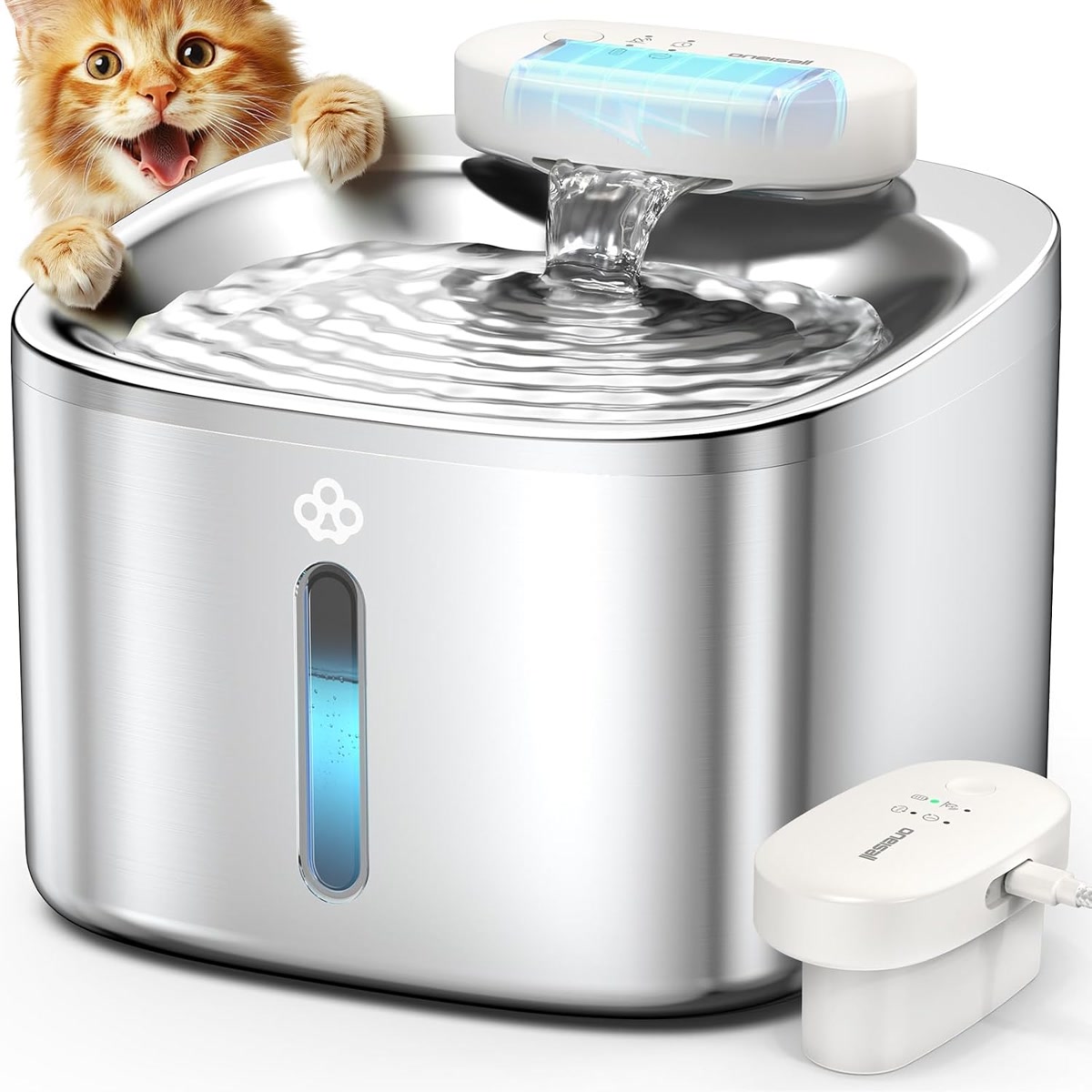
- Cat water fountain — Stainless Steel Cat Water Fountain — about $25 (one-time). Moving water encourages drinking.
- Add water to food — Free. Add 2-3 tablespoons of warm water to each wet food meal. This is the most effective hydration method for kidney cats.
- Multiple water bowls — Free. Place bowls in 2-3 locations, away from food and litter box.
- Subcutaneous fluids at home — 15-30 dollars/month (fluid bags and lines). Your vet can teach you to give subcutaneous (under the skin) fluids at home with a needle and IV bag. This is the most effective hydration method for advanced CKD. Most owners learn in one 30-minute vet visit. Give 100-200 ml every 1-3 days depending on your vet’s recommendation.
4. Omega-3 Fatty Acids (3-5 Dollars Per Month)
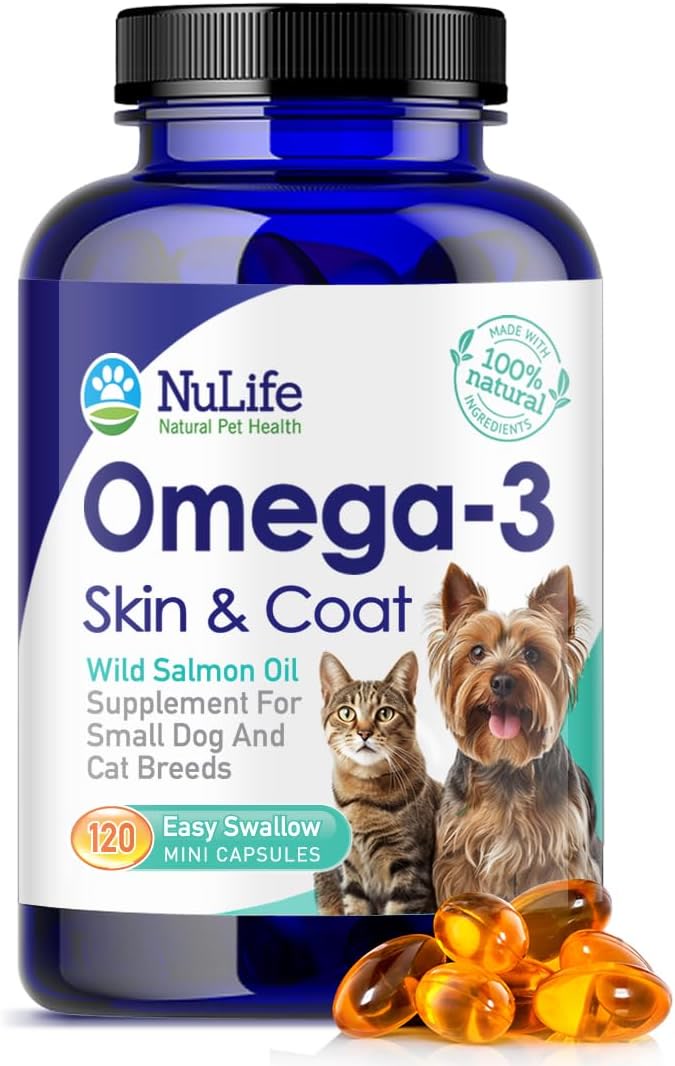
Fish oil (EPA/DHA) reduces inflammation in the kidneys and slows disease progression. Studies show cats supplemented with omega-3s have slower CKD progression and better appetite. Give 200-500 mg combined EPA/DHA daily. Generic fish oil capsules (3-5 dollars/month) work fine — puncture the capsule and squeeze oil onto food.
5. B Vitamins (2-4 Dollars Per Month)
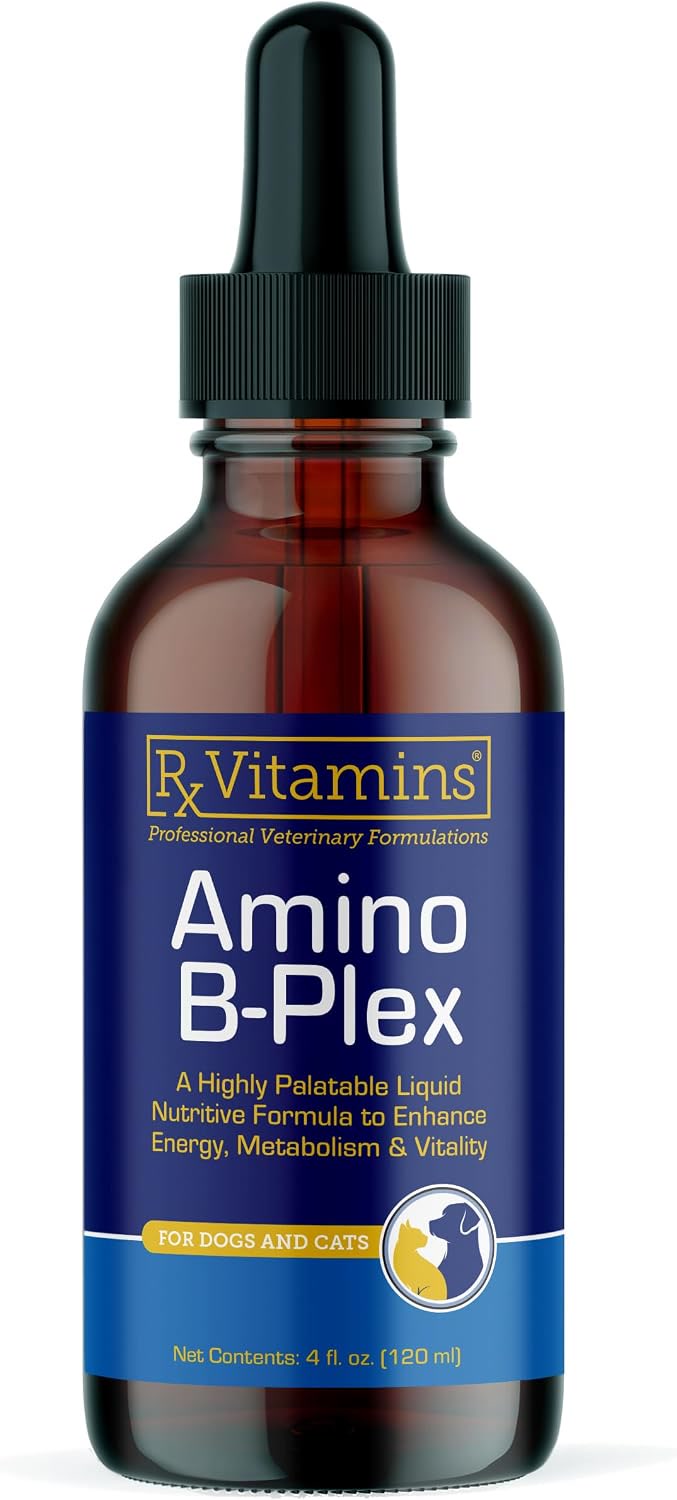
Kidney cats lose B vitamins through excessive urination, and B vitamin deficiency causes anemia, lethargy, and poor appetite. Give a B-complex supplement — Rx Vitamins Amino B Plex Liquid Supplement — about $18 (2-4 dollars/month for a bottle that lasts months). Break a tablet and sprinkle a small amount on food, or use a liquid B-complex. Discuss dosing with your vet.
6. Blood Pressure Medication (5-15 Dollars Per Month, If Needed)
Many CKD cats develop high blood pressure, which further damages the kidneys. Your vet will check blood pressure at each visit. If elevated, amlodipine (5-15 dollars/month, generic human medication) controls it. This is critical — uncontrolled hypertension dramatically accelerates kidney damage.
7. Anti-Nausea Medication (5-15 Dollars Per Month, If Needed)
As kidney disease progresses, waste products cause nausea and vomiting, which leads to not eating and weight loss. Cerenia (maropitant, 15-25 dollars/month) or ondansetron (5-15 dollars/month, generic) controls nausea and improves appetite. Discuss with your vet.
Monitoring at Home (Free)
- Weigh weekly — Use a baby scale or weigh yourself holding the cat. Weight loss is the most sensitive indicator of CKD progression. Record in a notebook.
- Monitor water intake — Measure the water you put in the bowl and check how much is gone in 24 hours. Increasing intake means the disease is progressing.
- Monitor appetite — Note if your cat is eating less, being pickier, or refusing food.
- Monitor litter box — Larger urine clumps indicate increasing urine output. Smaller clumps or straining may indicate a problem.
- Check hydration — Weekly skin tent test. If the skin stays raised, your cat is dehydrated and needs more fluids.
- Vet checkups every 3-6 months — Blood work (BUN, creatinine, SDMA, phosphorus) tracks disease progression. Adjust treatment based on results.
The Monthly Cost Breakdown
| Component | Monthly Cost |
|---|---|
| Prescription kidney diet (wet) | 45-75 dollars (or 24-30 dollars for senior formula + binder) |
| Phosphorus binder (calcium carbonate) | 3-5 dollars |
| Water fountain (amortized) | 1-2 dollars |
| Omega-3 fish oil | 3-5 dollars |
| B-complex vitamins | 2-4 dollars |
| Subcutaneous fluids (bags and lines) | 15-30 dollars |
| Amlodipine (if needed) | 5-15 dollars |
| Anti-nausea medication (if needed) | 5-25 dollars |
| Total budget plan | 30-60 dollars/month |
Without treatment, cats diagnosed with CKD survive 3-12 months. With treatment (diet, fluids, phosphorus binder, omega-3s), cats survive 1-3 years with good quality of life. Early-stage cats detected by annual blood work may live 3-5 years with management.
The Bottom Line
Cat kidney disease is the number one cause of death in senior cats but is manageable for 30-60 dollars per month, adding 1-3 quality years. Get annual blood work (80-150 dollars) for cats over 8 — ask for SDMA and urinalysis specifically, as they detect CKD earlier than standard BUN/creatinine. Recognize early signs: increased thirst and urination (the water bowl empties faster, litter box clumps are larger), gradual weight loss, decreased appetite, poor coat, and “uremic” breath (ammonia smell). The budget management protocol: prescription kidney diet (Hill’s k/d or Royal Canin Renal, 45-75 dollars/month — or budget alternative: senior wet food + phosphorus binder at 24-30 dollars/month), phosphorus binder (Epakitin or calcium carbonate at 3-5 dollars/month — phosphorus is the most damaging aspect of CKD), hydration support (add water to food, cat water fountain at 15-25 dollars one-time, and subcutaneous fluids at 15-30 dollars/month for advanced cases — your vet can teach you in 30 minutes), omega-3 fish oil (3-5 dollars/month, slows progression), B vitamins (B-complex supplement, 2-4 dollars/month, prevents anemia from urinary loss), and blood pressure medication (amlodipine, 5-15 dollars/month if hypertension develops). Monitor at home: weigh weekly, track water intake and appetite, do the skin tent test, and see the vet every 3-6 months for blood work. Without treatment, CKD cats survive 3-12 months. With the 30-60 dollar monthly protocol, they survive 1-3 years with good quality of life. The 80-dollar annual blood test that catches CKD early is the most important investment you can make in your senior cat’s health.
Last updated: July 2026 | By ThriftyPaw | Prices and availability subject to change
ThriftyPaw is reader-supported. As an Amazon Associate, we earn from qualifying purchases. This comes at no extra cost to you — we only recommend products we believe in for your pet.
🐾 Get Your Free Big Dog First Aid Kit Checklist
Join our newsletter and get this free printable plus weekly tips.
Price Check
Prices verified via our product tracker. Updated Sep 27.
As an Amazon Associate we earn from qualifying purchases.