

This article contains affiliate links. We may earn a commission from qualifying purchases.
Some content on this site is AI-assisted and reviewed by our editorial team.
Dog diabetes is one of the most common chronic diseases in dogs, affecting approximately 1 in 300 dogs. The lifetime cost of managing canine diabetes ranges from 2,500 to 8,000 dollars, but pet insurance like Healthy Paws can reimburse up to 90 percent of diabetes-related costs after your deductible. depending on the size of your dog and how well the disease is controlled. While there is no cure, diabetes is very manageable with insulin, diet, and monitoring. The challenge is doing it without going broke. This guide breaks down every cost, shows where to save 40-60 percent, and helps you build a sustainable diabetes management plan for under 80 dollars per month.

What Is Canine Diabetes and Why Is It Increasing?
Canine diabetes mellitus occurs when the pancreas does not produce enough insulin, causing blood sugar to rise to dangerous levels. Without insulin, the body cannot use glucose for energy, so it breaks down fat and muscle instead. Untreated diabetes is fatal within weeks to months.
Risk factors for canine diabetes:
- Obesity (the number one risk factor — overweight dogs are 2-3 times more likely to develop diabetes, and glucosamine and chondroitin supplements can help manage the joint stress that comes with extra weight)
- Age (most commonly diagnosed at 7-10 years old)
- Breed predisposition (Miniature Poodles, Dachshunds, Beagles, Miniature Schnauzers, Puli)
- Female dogs (slightly higher risk than males, especially unspayed females)
- Pancreatitis history (damages insulin-producing cells)
- Cushing’s disease (increases insulin resistance)
The increase in canine diabetes mirrors the increase in human diabetes and is driven largely by the obesity epidemic in pets. Over 50 percent of dogs in the United States are overweight or obese. Preventing obesity is the single most effective way to prevent diabetes — and it costs nothing.

Symptoms: When to See the Vet
The classic four symptoms of diabetes in dogs:
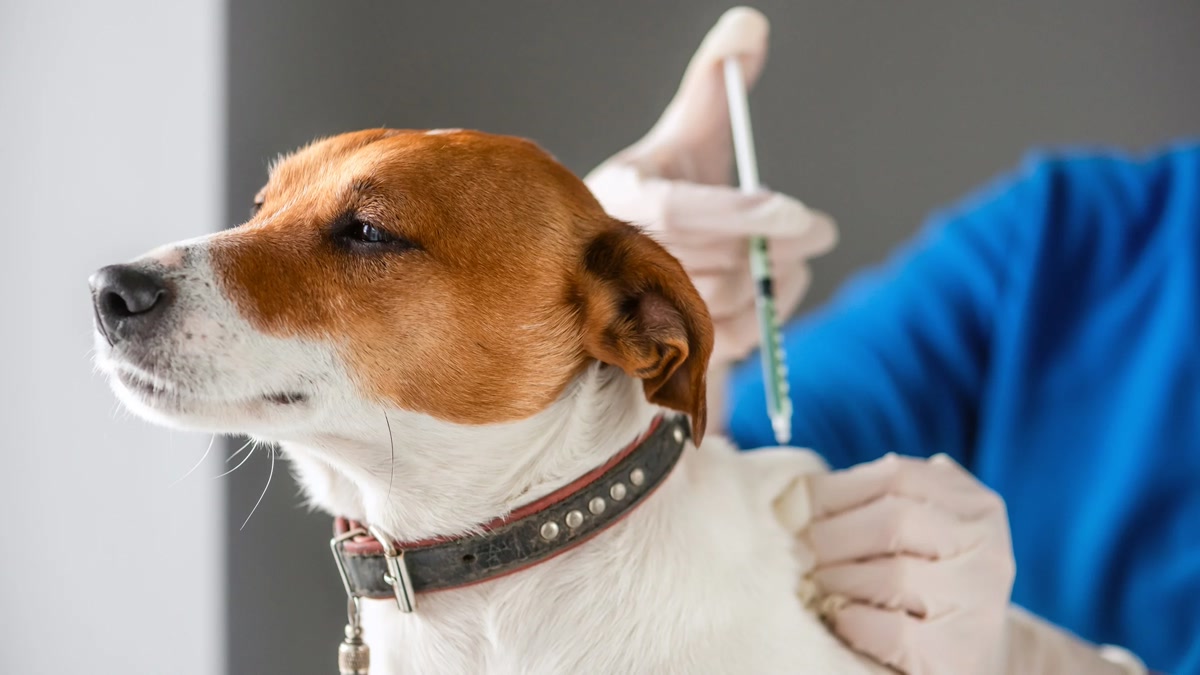
- Excessive drinking — your dog is draining water bowls and always thirsty
- Excessive urination — house-trained dogs start having accidents, or you are walking them much more frequently
- Increased hunger — always begging, never satisfied after meals
- Weight loss despite eating more — the body cannot use calories without insulin
Additional symptoms that appear as the disease progresses:
- Lethargy and weakness
- Vomiting
- Cloudy eyes (diabetic cataracts — dogs develop cataracts much faster than humans with diabetes)
- Recurrent infections (urinary tract, skin)
- Sweet or fruity breath odor (ketones)
If you see these symptoms, see your vet within a week. If your dog is vomiting and lethargic with sweet breath, go to an emergency vet immediately — this could be diabetic ketoacidosis (DKA), a life-threatening emergency costing 1,500-3,000 dollars to treat.
Diagnosis Costs (What to Expect)
Diagnosing diabetes requires blood and urine tests:
| Test | Cost | What It Shows |
|---|---|---|
| Complete Blood Count (CBC) | 25-50 dollars | General health, infection |
| Chemistry panel | 40-80 dollars | Blood glucose, liver, kidney function |
| Urinalysis | 25-40 dollars | Glucose in urine, ketones, infection |
| Fructosamine test | 60-100 dollars | Average blood sugar over 2-3 weeks (confirms diabetes) |
| Total diagnosis | 150-270 dollars |
Ask your vet for itemized costs upfront. Some vets bundle tests into a “diabetes workup” that costs 300-400 dollars. If cost is an issue, ask if they can run only the essential tests (blood glucose + urinalysis + fructosamine) to confirm the diagnosis at lower cost.
Insulin: The Biggest Cost and Where to Save the Most
Types of Insulin for Dogs
| Insulin | Cost/Month | Duration | Notes |
|---|---|---|---|
| Vetsulin (porcine insulin zinc) | 50-80 dollars | 12 hours | FDA-approved for dogs. Given twice daily. |
| Humulin N (human NPH insulin) | 25-40 dollars | 12 hours | Used off-label in dogs. Much cheaper. Available at any pharmacy. |
| Lantus (glargine) | 60-100 dollars | 24 hours | Long-acting. Used for cats more than dogs, but some vets use it. |
| Novolin N (human NPH insulin) | 25-40 dollars | 12 hours | Similar to Humulin N. Available at Walmart for 25 dollars/vial. |
How to Save 40-60 Percent on Insulin
1. Ask your vet about human NPH insulin (Humulin N or Novolin N).
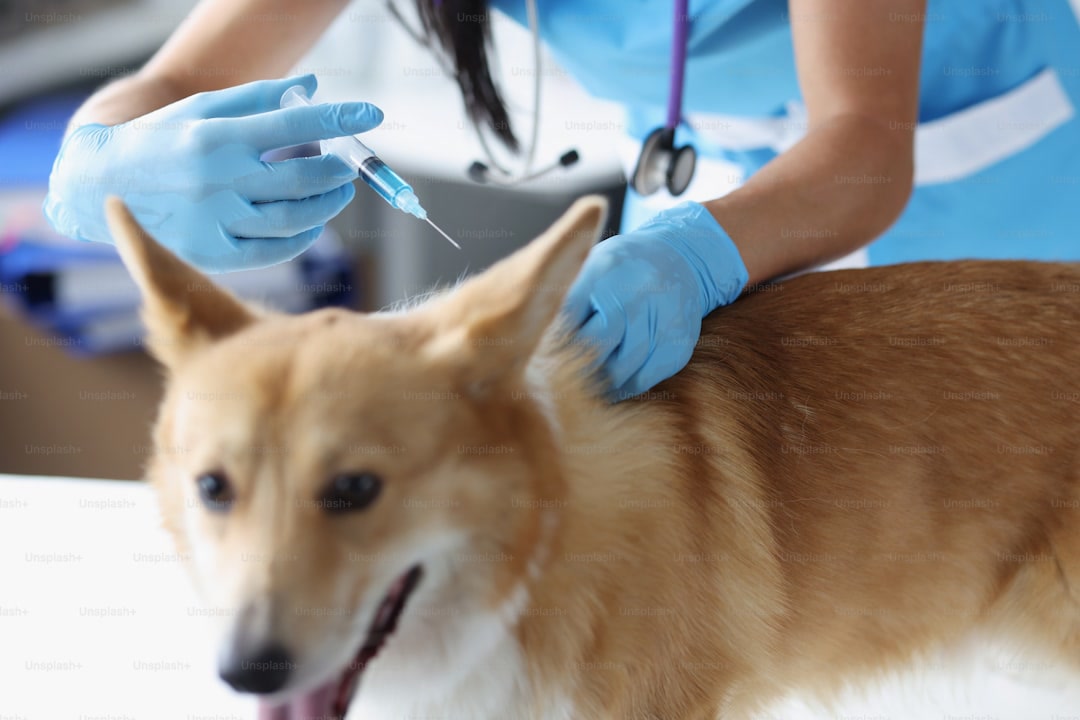
Vetsulin is the only FDA-approved insulin for dogs, but human NPH insulin works for most diabetic dogs and costs 25-40 dollars per month compared to 50-80 dollars for Vetsulin. Your vet can prescribe it “off-label” — this is common and legal. You buy it at any human pharmacy with a prescription.
2. Buy insulin at Walmart.
Walmart sells Novolin N (ReliOn brand) for approximately 25 dollars per vial without a prescription in most states. A vial lasts about 30 days for a medium dog. This is the cheapest insulin available in the United States. Walmart also sells ReliOn syringes for 15 dollars per box of 100.
3. Buy insulin at Costco Pharmacy.
Costco pharmacy prices for Humulin N are typically 30-40 dollars per vial, 30-50 percent cheaper than other pharmacies. You do not need a Costco membership to use the pharmacy — federal law requires pharmacies to be accessible to non-members. However, the Costco member price is even lower.
4. Use GoodRx for insulin.
If Walmart and Costco are not available, use GoodRx.com or the GoodRx app to find the lowest insulin price at pharmacies near you. GoodRx coupons can reduce Humulin N to 25-35 dollars per vial at CVS, Walgreens, or Kroger.
5. Store insulin correctly to avoid waste.
Unopened insulin should be refrigerated (not frozen) and lasts until the expiration date. Opened insulin can be kept at room temperature for 28 days or refrigerated for longer stability. Do not use insulin that has changed color, has particles, or has been frozen. Wasting insulin by improper storage is throwing away 25-80 dollars per vial.
Insulin Syringes (Save 50 Percent)
Insulin syringes cost 15-30 dollars per box of 100 at pharmacies. Buy them in bulk online (Chewy, Amazon, ADW Diabetes) for 8-15 dollars per box of 100. A box lasts 50 days (twice daily injections). Monthly syringe cost: 5-10 dollars.
Diet: The Second Pillar of Diabetes Management
Diet directly affects blood sugar control. Diabetic dogs need a consistent, high-fiber, moderate-fat diet fed in measured portions twice daily, timed with insulin injections.
Prescription Diabetic Dog Food (50-80 Dollars Per Month)
Hill’s w/d, Royal Canin Glycobalance, and Purina DM are prescription diets formulated for diabetic dogs. They are high in fiber, which slows glucose absorption and prevents blood sugar spikes. They work well but are expensive — 50-80 dollars per month for a medium dog.
Non-Prescription Alternatives (25-40 Dollars Per Month)
You do not have to feed a prescription diet. Several non-prescription foods work well for diabetic dogs:
- High-fiber commercial foods — look for foods with 8-12 percent fiber (most standard foods have 3-5 percent). Purina One Smart Blend True Instinct has higher fiber. Kirkland Signature Healthy Weight is also higher in fiber and costs 25 dollars per 30-pound bag.
- Add fiber to regular food — mix 1-2 tablespoons of canned pumpkin (not pie filling), bran, or psyllium husk (Metamucil, unflavored) into your dog’s regular food. This increases fiber at a cost of 3-5 dollars per month. Pumpkin is 2 dollars per can and lasts a week.
- Consistency is more important than the specific food. Feed the same food, same amount, at the same times, twice daily. The body needs predictable glucose input to match insulin dosing.
Work with your vet to transition foods gradually over 7-10 days. Sudden diet changes cause blood sugar instability.
Blood Glucose Monitoring: Costs and How to Reduce Them
Option 1: Vet-Performed Blood Glucose Curve (150-300 Dollars Per Session)
A glucose curve involves keeping your dog at the vet all day, testing blood sugar every 1-2 hours to see how insulin is working. This is the gold standard but is expensive and stressful for the dog (the stress of being at the vet can artificially raise blood sugar).
Option 2: Home Blood Glucose Monitoring (50-80 Dollars Upfront, Then 10 Dollars Per Month)
You can monitor your dog’s blood sugar at home using a human glucose meter (OneTouch, Accu-Chek) and test strips. Cost:
- Glucose meter: 20-30 dollars (many pharmacies give these free with test strip purchase)
- Test strips: 15-25 dollars per box of 50
- Lancets: 5 dollars per box of 100
Your vet can teach you how to prick the edge of your dog’s ear or lip to get a small blood drop. Home monitoring is less stressful for your dog and costs 10-15 dollars per month for ongoing testing versus 150-300 dollars per vet curve.
Option 3: Continuous Glucose Monitor (CGM) — Emerging Option
Freestyle Libre is a human CGM that some vets are using on dogs. A small sensor is applied to the dog’s skin and reads glucose continuously for 14 days. Cost: 60-80 dollars per sensor. This gives the most complete picture of blood sugar trends without the stress of repeated needle pricks. Not yet FDA-approved for dogs but used off-label with good results.
The Total Monthly Budget (Under 80 Dollars)
| Item | Monthly Cost (Budget) | Monthly Cost (Premium) |
|---|---|---|
| Insulin (Novolin N from Walmart) | 25 dollars | 60-80 dollars (Vetsulin) |
| Syringes (bulk online) | 5-10 dollars | 15-20 dollars (pharmacy) |
| Food (high-fiber commercial + pumpkin) | 25-35 dollars | 50-80 dollars (prescription) |
| Test strips and supplies | 10-15 dollars | 15-25 dollars |
| Vet checkups (amortized, 2/year) | 15-20 dollars/month | 25-50 dollars/month |
| Total per month | 80-95 dollars | 165-275 dollars |
Annual cost: 960-1,140 dollars on the budget plan versus 1,980-3,300 dollars on the premium plan. The savings come primarily from using human insulin (Novolin N) instead of Vetsulin, buying supplies in bulk, and feeding a non-prescription high-fiber diet.
Preventing Diabetes Complications (Free)
Three things that cost nothing but are critical for diabetic dogs:
- Consistent timing — feed and inject at the same times every day, 12 hours apart. Even a 30-minute variation can destabilize blood sugar.
- Weight management — if your dog is overweight, gradual weight loss (1-2 percent of body weight per week) improves insulin sensitivity. Some diabetic dogs can reduce their insulin dose by 30-50 percent after reaching a healthy weight.
- Exercise — daily moderate exercise (30-minute walks) helps regulate blood sugar. Avoid intense exercise, which can cause low blood sugar in diabetic dogs.
When to See the Vet (And How to Avoid Emergency Costs)
Call your vet immediately if you see signs of:
- Low blood sugar (hypoglycemia) — weakness, stumbling, shaking, seizures. This is a medical emergency. If conscious, rub corn syrup or honey on your dog’s gums and call the vet. Keep corn syrup (3 dollars) on hand at all times.
- Ketoacidosis — vomiting, lethargy, sweet breath, refusing food. Emergency vet visit required. Cost: 1,500-3,000 dollars if it progresses to crisis.
- Insufficient insulin — excessive drinking and urination return. Your dog’s insulin dose may need adjustment. Schedule a vet visit within a week, not an emergency.
The best way to avoid emergency costs is consistent management. Dogs with well-controlled diabetes have a normal life expectancy. Dogs with poorly controlled diabetes develop cataracts (1,500-3,000 dollars for surgery), urinary tract infections (200-400 dollars), and ketoacidosis (1,500-3,000 dollars). Consistency costs nothing and saves thousands.
The Bottom Line
Canine diabetes is manageable for under 80-95 dollars per month if you use human insulin (Novolin N from Walmart, 25 dollars per vial), buy supplies in bulk, feed a high-fiber non-prescription diet with added pumpkin, and monitor blood sugar at home. Compare to 165-275 dollars per month using Vetsulin, prescription food, and vet-performed glucose curves. The most important things — consistent timing, weight management, and daily exercise — cost nothing. Preventing complications through good management is the cheapest strategy of all. A well-controlled diabetic dog can live a full, normal life for years on the budget plan.
Last updated: July 2026 | By ThriftyPaw | Prices and availability subject to change
ThriftyPaw is reader-supported. As an Amazon Associate, we earn from qualifying purchases. This means we may earn a small commission when you buy through links on this site at no additional cost to you. We only recommend products we genuinely believe in. Thank you for supporting ThriftyPaw.
🐾 Get Your Free Big Dog First Aid Kit Checklist
Join our newsletter and get this free printable plus weekly tips.