
This article contains affiliate links. We may earn a commission from qualifying purchases.
Some content on this site is AI-assisted and reviewed by our editorial team.
A good dog trainer can transform your dog’s behavior and your relationship with them. A bad trainer wastes your money, can create behavioral problems, and in cases of harsh correction methods, can cause lasting fear and aggression. Private trainers charge 75-200 dollars per session, and board-and-train programs cost 1,500-5,000 dollars. But effective training does not require spending thousands. This guide covers how to find a qualified trainer, what to look for, red flags to avoid, and how to get professional-quality training for under 100 dollars total.
What Kind of Training Does Your Dog Need?
Before spending money, identify what you actually need help with:
Basic Obedience (Sit, Stay, Come, Leash Walking)
Most dogs can learn basic obedience from their owner using free or low-cost resources. You do not need a professional trainer for sit, down, stay, come, and loose-leash walking. What you need is consistency, timing, and the right method. Start with Pupford Freeze-Dried Training Treats and a training clicker with wrist strap — total cost under 15 dollars for everything you need. — all of which are available for free.
Behavioral Issues (Jumping, Barking, Pulling, Counter-Surfing)
These are annoying but not dangerous. They respond well to consistent management and positive reinforcement. A single consultation with a trainer (75-150 dollars) can give you a customized plan, or you can use online resources and books (under 20 dollars) to address these yourself.

Serious Problems (Aggression, Separation Anxiety, Resource Guarding)
These require professional help. Do not attempt to treat aggression, severe separation anxiety, or resource guarding on your own. These are complex behavioral issues that can escalate quickly. A certified behaviorist or veterinary behaviorist is worth the cost.
Types of Dog Trainers (And What They Cost)
| Type | Cost | Best For |
|---|---|---|
| Group classes (Petco, PetSmart, local) | 15-25 dollars per session | Basic obedience, socialization |
| Private trainer (in-home) | 75-200 dollars per session | Customized behavior plans |
| Board and train | 1,500-5,000 dollars | Intensive work (controversial — see below) |
| Certified behaviorist (CCBC, CAAB) | 150-300 dollars per session | Aggression, anxiety, serious issues |
| Veterinary behaviorist (DACVB) | 250-500 dollars per session | Complex cases needing medication |
| Online training programs | 20-50 dollars total | Basic obedience, self-paced |
How to Find a Qualified Trainer (Certifications That Matter)
The dog training industry is completely unregulated. Anyone can call themselves a dog trainer. Certifications are the only way to verify that a trainer has met a minimum standard of education and experience.
Respected Certifications (In Order of Rigor)
- DACVB (Diplomate, American College of Veterinary Behaviorists) — a veterinarian with specialized training in animal behavior. The gold standard. Can prescribe medication for anxiety and behavioral issues. 250-500 dollars per session, but worth it for complex cases.
- CAAB (Certified Applied Animal Behaviorist) — a PhD-level animal behaviorist certified by the Animal Behavior Society. For serious behavioral issues without medical needs. 150-300 dollars per session.
- CCBC, CABC (Certified Canine/Animal Behavior Consultant) — certified by the International Association of Animal Behavior Consultants. Requires experience and passing an exam. 100-250 dollars per session.
- CPDT-KA (Certified Professional Dog Trainer — Knowledge Assessed) — certified by the Certification Council for Professional Dog Trainers. Requires 300 hours of experience and passing a comprehensive exam. The most common reputable certification. 75-150 dollars per session.
- KPA-CTP (Karen Pryor Academy Certified Training Partner) — graduated from Karen Pryor Academy, a respected positive-reinforcement training program. 75-150 dollars per session.
- “Certified” with no issuing organization — meaningless
- Online certificates from unaccredited programs
- “Master Trainer” — not a recognized certification
- Graduation from a for-profit training school with no independent exam
- Uses or recommends prong collars, shock collars, or choke chains as a first resort — these tools can suppress behavior through fear and pain. They do not teach the dog what to do instead. They can cause behavioral fallout including increased aggression.
- Talks about “dominance,” “alpha,” or “being the pack leader” — dominance theory has been thoroughly debunked by modern behavioral science. Dogs do not try to dominate their owners. This framework leads to confrontational training that damages trust.
- Guarantees results — no ethical trainer guarantees outcomes. Every dog is different, and behavior is influenced by genetics, history, health, and environment.
- Will not let you watch a session — if a trainer will not let you observe a class or session, they are hiding something. You should always be present during your dog’s training.
- Uses harsh corrections (alpha rolls, scruff shakes, kicking) — these techniques cause fear, damage the dog-owner relationship, and can trigger defensive aggression.
- Dismisses positive reinforcement as “bribery” — positive reinforcement is the scientifically validated gold standard for dog training. A trainer who dismisses it is either uninformed or using outdated methods.
- Your dog may learn behaviors that do not transfer to you. Dogs are context-specific learners. A dog who sits perfectly for a trainer may not sit for you at home.
- You miss the bonding process. Training is communication. When someone else trains your dog, they build the relationship, not you.
- Some programs use punishment-based methods. Your dog may come back obedient but fearful. Ask exactly what methods they use and observe a session.
- No follow-through. Training is ongoing. Without you maintaining the training at home, behaviors decay within weeks.
- Risk. Your dog is in someone else’s care for weeks. Ask for references, insurance proof, and a written agreement about methods and emergency veterinary care.
- Zak George’s Dog Training Revolution — free YouTube videos covering basic obedience, puppy training, and common behavior issues. Start here before paying anything.
- Kikopup (Emily Larlham) — free YouTube channel with detailed positive reinforcement tutorials. Excellent for specific behaviors.
- Susan Garrett’s online courses — 30-50 dollars per course. High-quality, science-based training for obedience and dog sports.
- Brilliant Recall (recall training) — 30-40 dollars. A focused program for teaching reliable recall (coming when called), the most important behavior your dog needs.
- “The Power of Positive Dog Training” by Pat Miller — 15 dollars. Comprehensive guide to positive reinforcement training from a CPDT-KA trainer.
- “Don’t Shoot the Dog” by Karen Pryor — 12 dollars. The foundational text on clicker training and positive reinforcement. Applies to all animals (and humans).
- “Culture Clash” by Jean Donaldson — 15 dollars. Explains how dogs actually learn and why traditional methods fail. Essential reading for understanding dog behavior.
- Watch free YouTube videos (Zak George, Kikopup) for basic obedience foundations — 0 dollars
- Buy “The Power of Positive Dog Training” by Pat Miller — 15 dollars
- Enroll in a 6-week group class at a community center or Petco — 50-120 dollars
- Practice 10 minutes, twice daily — consistency matters more than session length — 0 dollars
- One private consultation if needed for a specific issue — 75-150 dollars (optional)
- 4 Dog Shampoos That Won't Irritate Sensitive Skin (All Under 15 Dollars)
- Budget Dog Probiotics: Complete Guide to Gut Health Under 20 Dollars Per Month
- Dog Bloat Prevention and Emergency Guide: Free Steps That Save Lives
- Cat Diabetes Prevention on a Budget: Complete Guide Under 10 Dollars Per Month
- Monthly Dog Budget Tracker Template: Free Spreadsheet Guide
Certifications That Are NOT Meaningful
Red Flags: Trainers to Avoid
Run, do not walk, from any trainer who:
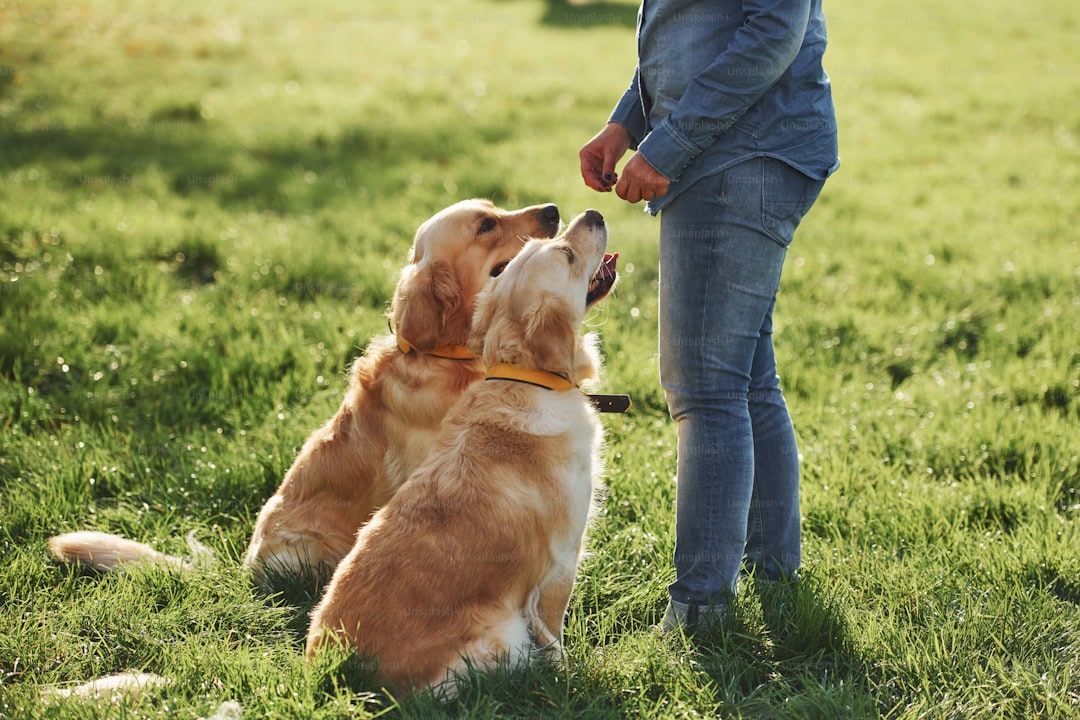
Board and Train: Think Twice Before Spending 3,000 Dollars
Board and train programs keep your dog for 2-4 weeks and return them “trained.” The appeal is obvious — no work for you. But there are serious problems with most board and train programs:
If you are considering board and train, choose a program run by a CPDT-KA or KPA-CTP certified trainer that uses positive reinforcement, allows you to observe sessions, and includes follow-up sessions with you and your dog together. Expect to pay 1,500-3,000 dollars for a quality program.
Budget Training Options That Actually Work
1. Group Classes at Petco or PetSmart (120-150 Dollars for 6 Sessions)
Big box pet store classes are taught by trainers with varying qualifications. Ask about the specific trainer’s certifications before signing up. The quality is generally acceptable for basic obedience and socialization. The structured environment and weekly practice schedule help build consistency. The group setting provides socialization with other dogs and people, which is valuable.
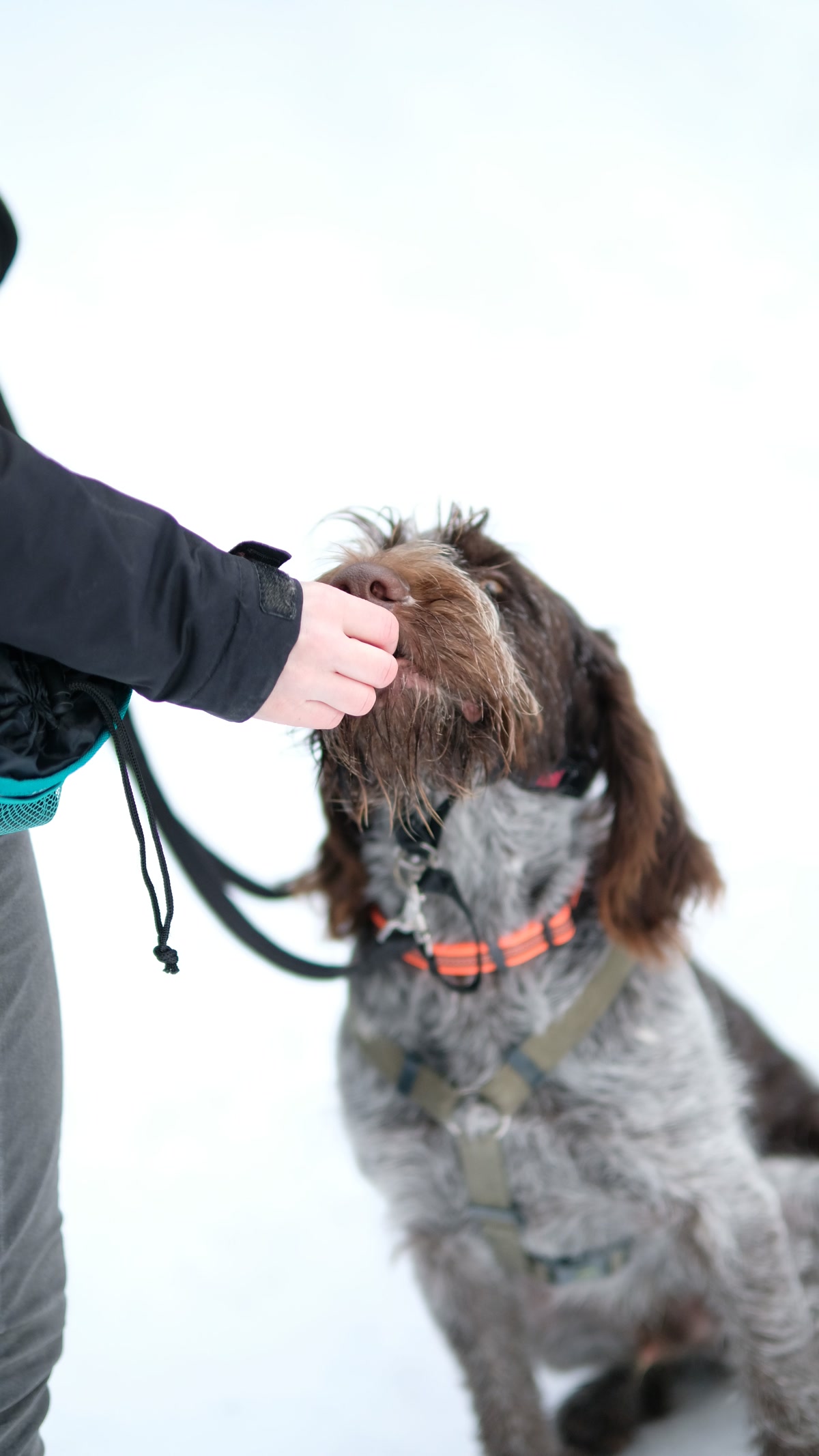
For puppies, the socialization aspect of group classes is worth the cost alone. Puppies need exposure to different dogs, people, and environments between 8-16 weeks. A puppy kindergarten class provides this safely.
2. Community Center or Recreation Department Classes (50-100 Dollars)
Many community centers, recreation departments, and humane societies offer dog training classes at lower prices than commercial facilities. The quality varies, so ask about the trainer’s certifications. These classes are often taught by experienced CPDT-KA trainers who teach at community centers for lower fees.
3. Online Training Programs (20-50 Dollars)
Several reputable online programs offer excellent value:
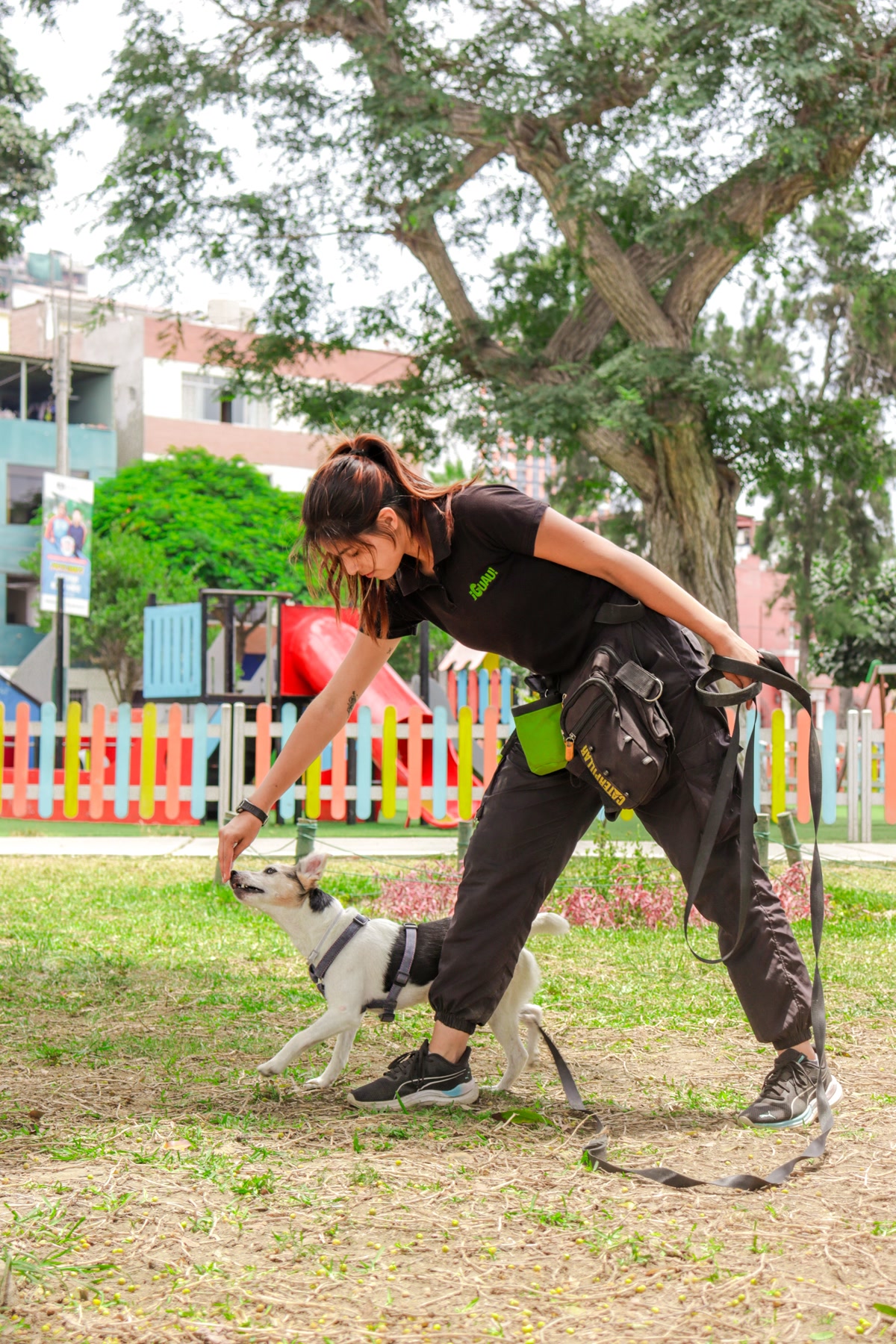
Online programs work well for self-motivated owners who can practice daily. They do not provide the socialization of group classes or the customization of private training. For basic obedience, they are the best value available.
4. Books (10-20 Dollars)
Three books that cover most training needs:
Total cost: 42 dollars for all three. These books cover everything from puppy training to behavioral issues and are written by respected, certified trainers.

5. One Private Session for a Customized Plan (75-150 Dollars)
If you have a specific issue you cannot resolve, one private session with a qualified trainer can give you a customized plan to implement yourself. Tell the trainer you want a written plan with specific steps so you can work independently. This is far cheaper than ongoing private sessions and works well for leash pulling, jumping, barking, and other common issues.
The Total Budget Training Plan (Under 100 Dollars)
Here is a complete training plan that covers basic obedience, common behavior issues, and socialization for under 100 dollars total:
For most dogs, steps 1-4 are sufficient. Total cost: 65-135 dollars. Compare to 1,500-5,000 for board and train or 600-1,200 for a full course of private sessions.
The Bottom Line
You do not need to spend thousands of dollars to train your dog. Free YouTube videos, a 15-dollar book, and a 50-120 dollar group class will give you everything you need for basic obedience and common behavior issues. For serious problems like aggression or severe anxiety, invest in a certified behaviorist (150-300 dollars per session) rather than a generic trainer. Avoid any trainer who uses dominance theory, prong collars, or punishment-based methods — these are outdated, harmful, and a waste of your money. Look for CPDT-KA, KPA-CTP, or CAAB certifications. Train consistently for 10 minutes twice a day, and remember that training is communication — the goal is not a perfectly obedient robot, but a dog who trusts you and understands what you are asking.
Last updated: July 2026 | By ThriftyPaw | Prices and availability subject to change
ThriftyPaw is reader-supported. As an Amazon Associate, we earn from qualifying purchases. This means we may earn a small commission when you buy through links on this site at no additional cost to you. We only recommend products we genuinely believe in. Thank you for supporting ThriftyPaw.
My take: Match the spend to the problem: group classes for obedience, one $75-150 private consult for a stubborn issue, and the vet-behaviorist tier only for real aggression or anxiety. Skip the $3,000 board-and-train — training done to your dog away from your house rarely survives the ride home.
Related guides
🐾 Get Your Free Big Dog First Aid Kit Checklist
Join our newsletter and get this free printable plus weekly tips.
Frequently Asked Questions
How much does dog training cost?
By type: group classes $15-25 a session, private trainers $75-200, and board-and-train $1,500-3,000 — with behaviorists at $150-250 for complex cases. Basic obedience doesn't need any of the expensive tiers: the $15 clicker-and-treats kit plus free resources covers sit, stay, come, and leash walking.
What certifications should I look for in a dog trainer?
The respected ones in order of rigor: CPDT-KA and CPDT-KSA (Certification Council for Professional Dog Trainers), KPA-CTP (Karen Pryor Academy), and IAABC for behavior consulting. The meaningless ones: certificates from a weekend seminar or a paid online course — anyone can print one. Ask what the certification required.
Is board-and-train worth the money?
Rarely — the guide is explicit about thinking twice before the $1,500-3,000. The problems: training that happened away from you doesn't transfer home, and the methods some programs use aren't visible to you. The one-consultation alternative at $75-150 gives you a custom plan you execute yourself, which is where the learning actually lives.
Liked this guide? Get the next one in your inbox — the pet budget checklist is free too.
✓ You're in — check your inbox.
No spam. Unsubscribe anytime. We never share your email.
Price Check
Prices verified via our product tracker. Updated Sep 27.
| Pupford Freeze Dried Training Treats for Dogs & Puppies (B | $16.85 | 4.6★ (8,178) |
| 5 Pack Dog Training Clickers, Dog Clicker with Wrist Strap | $8.99 | 4.3★ |
As an Amazon Associate we earn from qualifying purchases.