This article contains affiliate links. We may earn a commission from qualifying purchases.
Some content on this site is AI-assisted and reviewed by our editorial team.
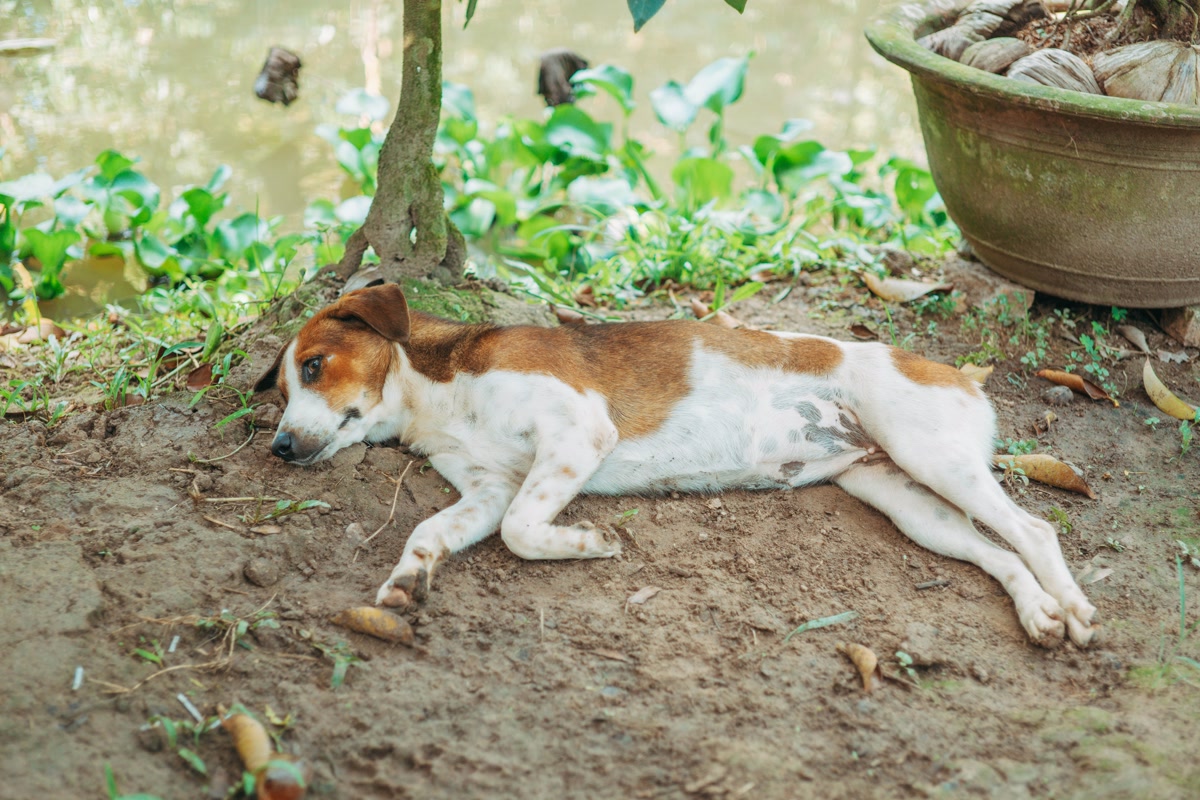
Dog diarrhea is one of the most common reasons for vet visits, and most cases can be treated at home for under 10 Dollars. Yet panicked owners spend hundreds on emergency visits that a bland diet and probiotics would resolve in 24 hours. This guide covers what to do when your dog has diarrhea, when to worry, and how to handle it on a budget.
Why Dogs Get Diarrhea
Diarrhea is a symptom, not a disease. The most common causes are:
- Dietary indiscretion — your dog ate something they should not have (trash, table scraps, a mystery item on a walk). This is the cause 60 percent of the time.
- Sudden diet change — switching dog food brands too fast. Always transition over 7-10 days by mixing old and new food.
- Food intolerance — some dogs cannot handle certain proteins or grains. Chicken, beef, and wheat are the most common culprits.
- Stress — boarding, moving, or new pets can trigger stress colitis.
- Parasites — giardia, roundworms, hookworms. More common in puppies and dogs that drink from puddles or streams.
- Medication side effect — antibiotics disrupt gut bacteria and frequently cause diarrhea.
- Illness — viruses (parvovirus, distemper), bacterial infections (Salmonella, E. coli), or inflammatory bowel disease.
The 24-Hour Home Treatment (Under 10 Dollars)
For adult dogs with mild diarrhea (no blood, no vomiting, acting normal), try this protocol before calling the vet:
Step 1: Fast for 12-24 Hours (Free)
Withhold food for 12-24 hours. This gives the digestive tract time to rest and reset. Water must always be available — dehydration is the real danger with diarrhea, not the diarrhea itself.
Do not fast puppies under 6 months, small breed dogs under 10 pounds, or dogs with diabetes. These dogs need steady blood sugar and should see a vet immediately.
Step 2: Bland Diet for 3-5 Days (Under 8 Dollars)
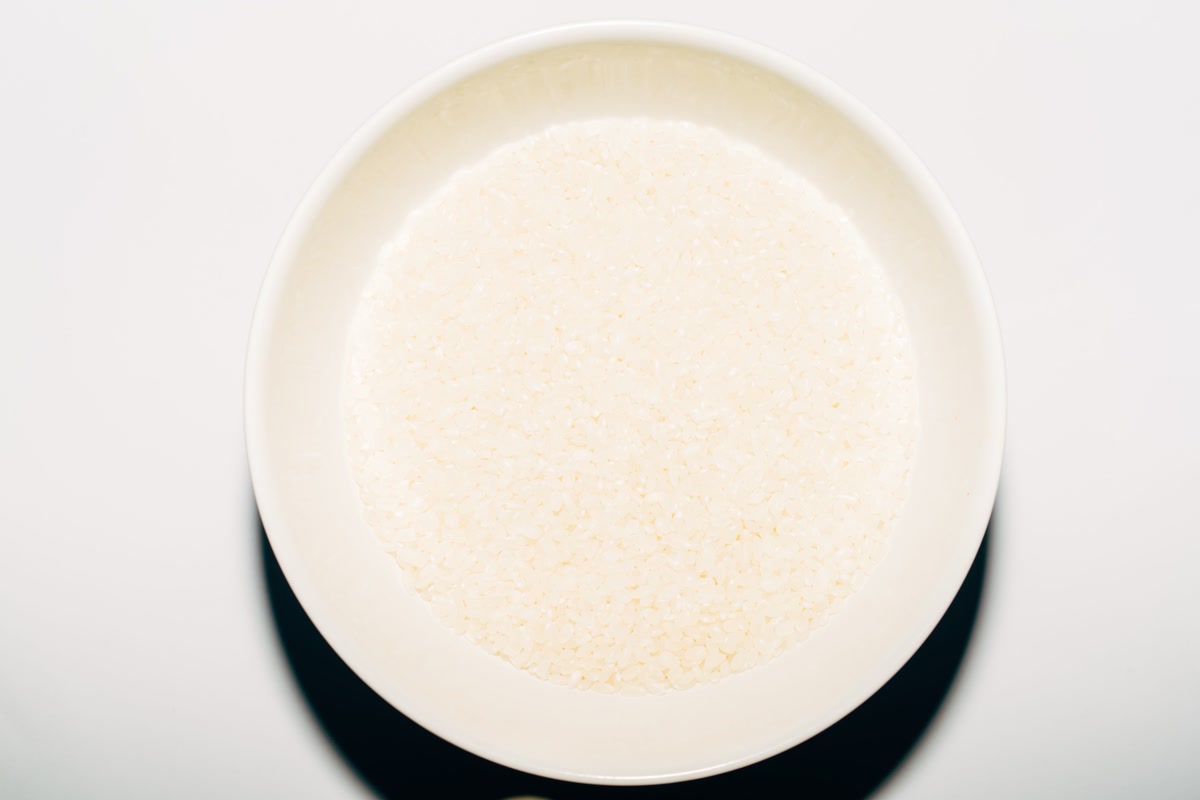
After the fast, feed a bland diet of boiled white rice with boiled lean protein. The ratios and recipes:
| Recipe | Ratio | Cost for 3 Days |
|---|---|---|
| White rice + boneless skinless chicken breast | 2 parts rice : 1 part chicken | 6-8 dollars |
| White rice + lean ground turkey | 2 parts rice : 1 part turkey | 5-7 dollars |
| White rice + Native Pet Pumpkin Powder | 2 parts rice : 1 part pumpkin | 3-4 dollars |
| White rice + scrambled egg | 2 parts rice : 1 part egg | 2-3 dollars |
Feed small meals 3-4 times per day instead of one large meal. The rice provides easily digestible carbohydrates that firm stools, while the protein maintains nutrition without stressing the gut.
Step 3: Probiotics (Under 10 Dollars)
Probiotics restore healthy gut bacteria. The most effective and cheapest option:
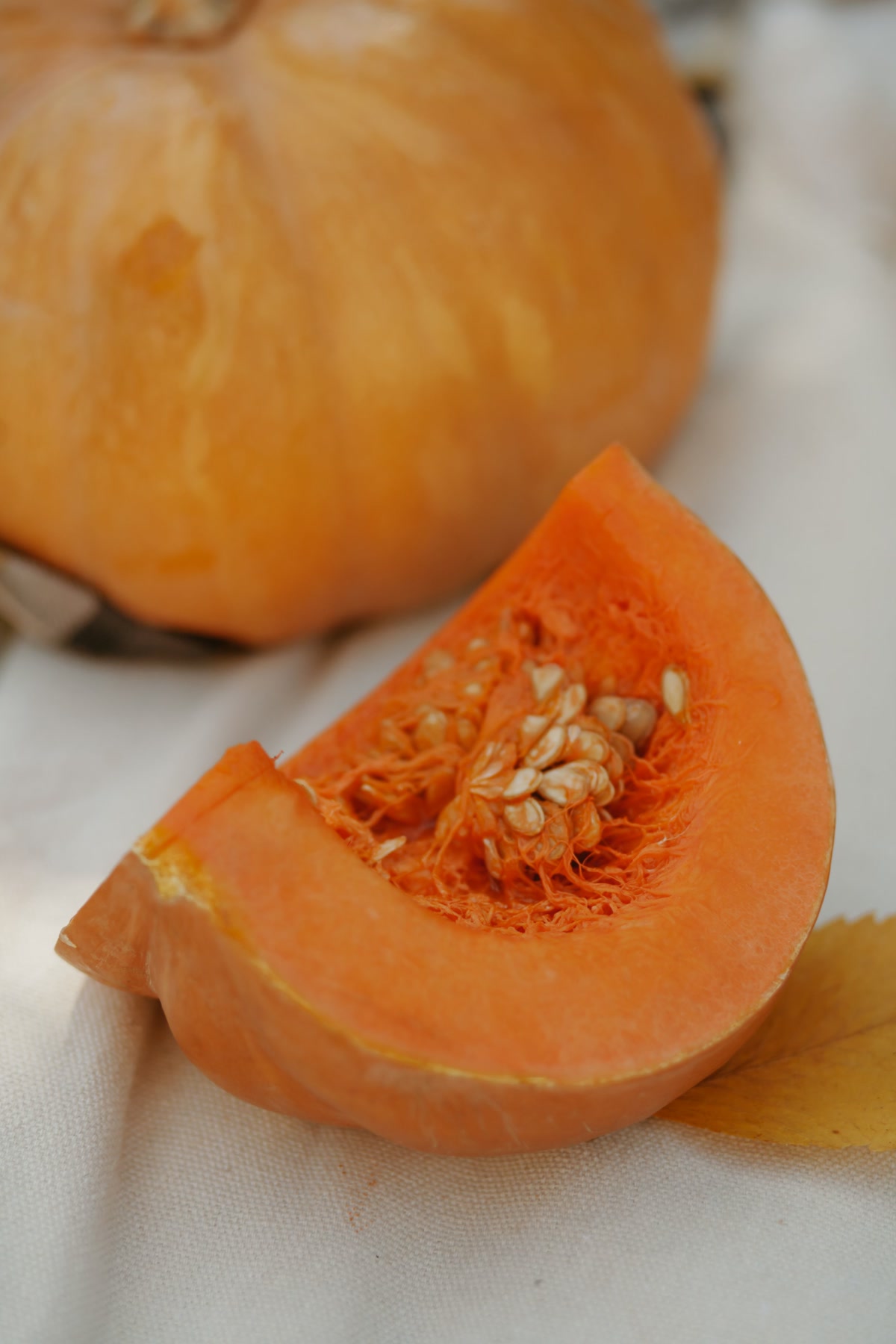
- Plain canned pumpkin — 1-2 tablespoons per meal. Not pumpkin pie filling (which contains sugar and spices) — plain 100 percent pumpkin. One can costs under 2 dollars and lasts several days. Pumpkin is high in fiber and helps firm stools. For a shelf-stable option, Native Pet Organic Pumpkin Powder (under 15 dollars) mixes with water and lasts months.
- Plain yogurt with live cultures — 1-2 tablespoons per meal. Must contain live active cultures. Under 3 dollars for a container.
- Probiotic supplements for dogs — Zesty Paws Probiotic Chews (around 25 dollars for 90 chews) or TummyWorks Probiotic Powder (about 30 dollars for 160 scoops). Under 15 dollars for a 30-day supply. More expensive than pumpkin or yogurt but more concentrated and reliable.
Step 4: Gradually Return to Normal Food
After 3-5 days of firm stools on the bland diet, transition back to normal food over 4-5 days:

| Day | Bland Diet | Normal Food |
|---|---|---|
| 1 | 75 percent | 25 percent |
| 2 | 50 percent | 50 percent |
| 3 | 25 percent | 75 percent |
| 4-5 | 0 percent | 100 percent |
If diarrhea returns during the transition, go back to the previous ratio for 2 more days before trying again.
When Diarrhea Is an Emergency
Home treatment is appropriate for mild, uncomplicated diarrhea. See a vet immediately if you see any of these red flags:
- Blood in stool — bright red blood means lower GI bleeding; dark, tarry stool means upper GI bleeding. Both need immediate vet attention.
- Vomiting with diarrhea — the combination causes rapid dehydration and may indicate a serious infection or blockage.
- Lethargy or weakness — your dog is not acting like themselves, will not move, or seems disoriented.
- Diarrhea lasting more than 48 hours — in adult dogs. In puppies under 6 months, more than 24 hours warrants a vet visit.
- Abdominal pain — your dog cries when touched, assumes a praying position (front legs down, rear up), or has a swollen belly.
- Fever — normal dog temperature is 100-102.5 degrees. Above 103 with diarrhea means infection.
- Puppies under 6 months — dehydration is fast and dangerous. A puppy with diarrhea for more than 12 hours should see a vet.
- Senior dogs over 10 years — underlying conditions make diarrhea more serious.
The Dehydration Check
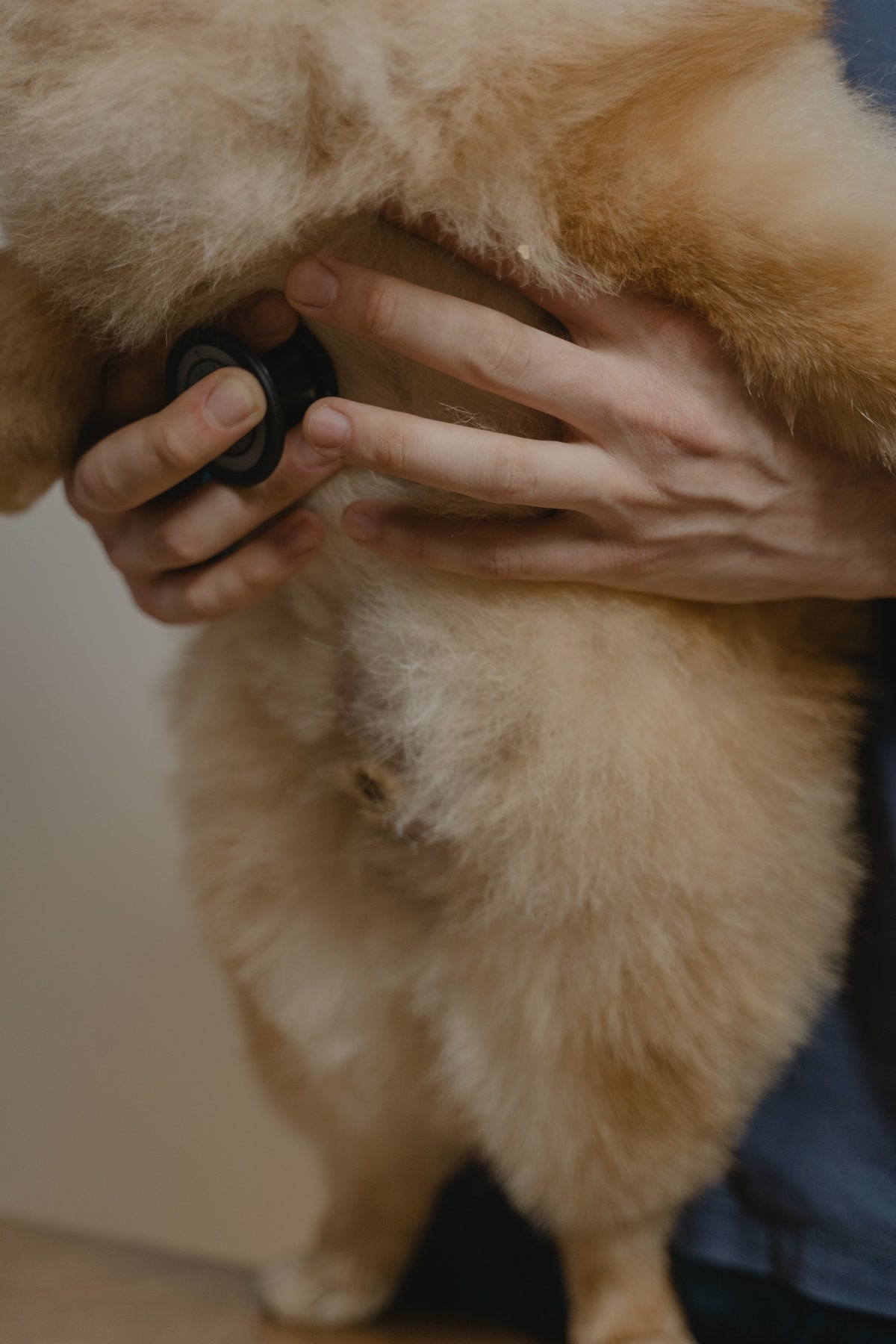
Diarrhea causes fluid loss, and dehydration is the primary danger. Check your dog’s hydration with the skin tent test:
- Gently pinch the skin between your dog’s shoulder blades and lift it slightly
- Release — the skin should snap back immediately
- If it takes more than 1-2 seconds to snap back, your dog is dehydrated
- If it stays tented, your dog is severely dehydrated — see a vet now
Other dehydration signs: dry gums (should be wet and pink), sunken eyes, lethargy, dark urine or no urination.
For mild dehydration, offer water frequently in small amounts. For moderate dehydration, add an electrolyte solution: 1 cup water, 1/2 teaspoon salt, 1 tablespoon sugar. Offer small amounts every 30 minutes. Severe dehydration requires IV fluids at the vet (75-150 dollars).
Over-the-Counter Medications: What Is Safe
Some human medications are safe for dogs, but the dosages are very different. Always consult your vet before giving any human medication.
Safe for Most Adult Dogs (With Vet Approval)
- Pepto-Bismol (bismuth subsalicylate) — 1 teaspoon per 10 pounds of body weight, every 6-8 hours. Maximum 3 doses. Do not give to cats. Do not give to dogs taking NSAIDs (carprofen, meloxicam).
- Imodium (loperamide) — 1 mg per 20 pounds, every 8-12 hours. Do not give to herding breeds (Collies, Aussies, Shepherds) — they have a gene mutation that makes loperamide dangerous.
Never Give Your Dog
- Kaopectate — newer formulations contain bismuth subsalicylate (same as Pepto-Bismol), but older formulations contained attapulgite. Check the label.
- Human anti-diarrheal combinations — many contain ingredients toxic to dogs.
- Any medication with xylitol — check labels carefully. Xylitol is deadly to dogs.
Parasite-Related Diarrhea (Under 20 Dollars to Treat)
If your dog has recurrent diarrhea, especially after hiking or drinking from streams, parasites may be the cause. The most common are:
- Giardia — watery diarrhea, often with mucus. Diagnosed by fecal test at the vet (15-30 dollars). Treated with metronidazole or fenbendazole (10-20 dollars).
- Roundworms — common in puppies. Visible worms in stool (look like spaghetti). Treated with pyrantel pamoate, available over the counter for under 10 dollars.
- Hookworms — dark, tarry diarrhea. Diagnosed by fecal test. Treated with prescription dewormer (15-25 dollars).
- Whipworms — chronic diarrhea with mucus and blood. Diagnosed by fecal test. Treated with prescription dewormer (15-25 dollars).
A annual fecal test at the vet costs 15-30 dollars and catches parasites before they become serious. If your dog has recurring diarrhea, request a fecal test before trying more home remedies.
Chronic Diarrhea: When It Is Not a One-Time Issue
If your dog has diarrhea consistently for more than 3 weeks, it is chronic. Possible causes include:
- Food intolerance or allergy
- Inflammatory bowel disease (IBD)
- Exocrine pancreatic insufficiency (EPI)
- Thyroid disease
- Cancer (in older dogs)
Chronic diarrhea requires veterinary Diagnosis. The workup may include blood panels (50-150 dollars), fecal tests (15-30 dollars), and possibly an ultrasound (200-400 dollars). The cost is worth it — chronic diarrhea indicates a serious underlying condition that home treatment will not fix.
Prevention: The 5-Dollar Monthly Investment
- Monthly parasite prevention — heartworm/flea/tick preventative covers most intestinal parasites too. 10-15 dollars per month.
- Consistent diet — stick to one brand of food. Switching brands or flavors frequently stresses the gut.
- Limit table scraps — human food is the number one cause of dietary diarrhea. If you share, stick to plain cooked meat and vegetables.
- Probiotic supplement — a daily probiotic (under 10 dollars per month) maintains gut health and reduces diarrhea frequency, especially for dogs with sensitive stomachs.
- Avoid stagnant water — puddles, ponds, and streams are parasite sources. Bring fresh water on walks.
The Bottom Line
Most dog diarrhea is dietary and resolves with a 12-24 hour fast followed by 3-5 days of a bland rice diet. Total cost: under 10 dollars. The signs that warrant an immediate vet visit are blood, vomiting, lethargy, or symptoms lasting more than 48 hours. For recurring diarrhea, a 15-30 dollar fecal test identifies parasites that home treatment will not address. The cheapest long-term strategy is monthly parasite prevention and a consistent diet — both together cost under 25 dollars per month and prevent most diarrhea episodes before they start.
Last updated: July 2026 | By ThriftyPaw | Prices and availability subject to change
ThriftyPaw is reader-supported. As an Amazon Associate, we earn from qualifying purchases. This means we may earn a small commission when you buy through links on this site at no additional cost to you. We only recommend products we genuinely believe in. Thank you for supporting ThriftyPaw.
My take: Most diarrhea is a $10 problem — fast, bland diet, pumpkin — but know the emergency lines: blood, concurrent vomiting, dehydration, or a bloated painful abdomen means the vet now. The judgment between the two is the actual value of this guide.
Related guides
- Dog Weight Loss Program on a Budget: Complete Guide Under 10 Dollars Per Month
- Budget-Friendly Pet Insurance Comparison: What to Buy and What to Skip
- Dog Anal Gland Problems: Prevention and Home Expression Under 5 Dollars (2026)
- Thanksgiving Pet Safety on a Budget: Toxic Foods, Safe Treats, and a Survival Plan
- Cat Dental Disease on a Budget: Complete Prevention Guide Under 8 Dollars Per Month
🐾 Get Your Free Big Dog First Aid Kit Checklist
Join our newsletter and get this free printable plus weekly tips.
Frequently Asked Questions
What do I do when my dog has diarrhea?
The 24-hour protocol for mild cases (no blood, no vomiting, acting normal): fast 12-24 hours, then a bland diet of boiled white rice with lean protein (2:1 ratio, $6-8 for three days) for 3-5 days, plus probiotics. Most cases resolve without a vet — panicked emergency visits for what a bland diet fixes are the expensive default this guide corrects.
When is dog diarrhea an emergency?
The red lines: blood in the stool, vomiting alongside it, lethargy or fever, or signs of dehydration (the guide's check: gums that stay dry and tacky, skin tenting). Also recurrent diarrhea after hiking or stream-drinking — parasites, which need a $20 dewormer course, not a wait-and-see.
What's the cheapest dog probiotic for diarrhea?
Plain canned pumpkin — under $2 a can, and the soluble fiber regulates both diarrhea and constipation. For proper probiotic dosing, the shelf-stable powder options run under $15 for a month's supply, and plain live-culture yogurt ($3) covers mild cases.
Liked this guide? Get the next one in your inbox — the pet budget checklist is free too.
✓ You're in — check your inbox.
No spam. Unsubscribe anytime. We never share your email.
Price Check
Prices verified via our product tracker. Updated Sep 27.
| Native Pet Pumpkin for Dogs - Organic Dog Food Topper Powd | $39.99 | 4.5★ (9,854) |
| TummyWorks Probiotics for Dogs & Cats with Prebiotics, 160 | $26.95 | 4.3★ (5,173) |
As an Amazon Associate we earn from qualifying purchases.