

This article contains affiliate links. We may earn a commission from qualifying purchases.
Some content on this site is AI-assisted and reviewed by our editorial team.
Food allergies in dogs are responsible for 10-15 percent of all allergic skin disease, yet 60 percent of owners misdiagnose their dog’s symptoms as food allergies when the real cause is environmental allergies (atopic dermatitis), fleas, or contact dermatitis. The result: owners spend 50-80 dollars per month on “grain-free” or “limited ingredient” foods that do not help, when the actual solution costs 0-20 dollars. This guide covers how to tell if your dog actually has a food allergy, the 8-week food trial that confirms it, budget hypoallergenic food options, and how to avoid the expensive mistakes that most owners make.
The Difference Between Food Allergies and Food Intolerance
Food allergies and food intolerance are different conditions with different treatments:
| Food Allergy | Food Intolerance | |
|---|---|---|
| Immune system involved | Yes (antibody response) | No |
| Primary symptom | Itchy skin, ear infections, paw chewing | Diarrhea, gas, vomiting |
| Onset | Gradual (months to years of exposure) | Hours after eating |
| Common triggers | Beef, dairy, chicken, wheat, soy, egg, lamb, fish | High-fat foods, dairy (lactose), too much food, food changes |
| Diagnosis | 8-week elimination diet trial | Symptom resolution after removing the food |
| Treatment | Avoid the allergen permanently | Avoid or reduce the trigger food |
Most dogs with “food allergy” symptoms (itchy skin, ear infections) actually have environmental allergies — pollen, dust mites, mold. Food allergies almost always cause skin symptoms, not digestive symptoms. If your dog has diarrhea but no skin issues, it is likely intolerance, not allergy.
The 8 Most Common Dog Food Allergens
In order of frequency:
- Beef — 34 percent of food-allergic dogs react to beef
- Dairy — 17 percent
- Chicken — 15 percent
- Wheat — 13 percent
- Soy — 6 percent
- Egg — 4 percent
- Lamb — 3 percent (previously considered “hypoallergenic” but now a common allergen due to overuse in limited-ingredient diets)
- Fish — 2 percent
Important: dogs are allergic to the protein in these foods, not the grain. “Grain-free” diets do not help food-allergic dogs unless the grain happens to be wheat. Rice, oats, and barley are rarely allergens.
Signs Your Dog May Have a Food Allergy
- Chronic itchy skin (not seasonal — year-round)
- Recurrent ear infections (especially yeast)
- Paw chewing or licking (feet are red and inflamed)
- Recurrent skin infections (hot spots, pyoderma)
- Anal gland problems (scooting, impaction)
- GI symptoms that accompany skin symptoms (diarrhea + itching)
- Symptoms started after a food change (within weeks to months)
- Young to middle-aged dogs (1-5 years old) are most commonly affected

Signs it is NOT a food allergy (likely environmental):
- Symptoms are seasonal (spring/summer only)
- Symptoms improve in winter or when indoors with AC
- Face and ears are the main itchy areas (environmental pattern)
- No response to 8 weeks of a novel protein diet
- Symptoms started suddenly (food allergy develops gradually)
The 8-Week Food Trial (The Only Reliable Test)
There is no blood test or skin test that reliably diagnoses food allergies in dogs. Blood tests for food allergies have a 30-50 percent false positive rate. The only reliable method is an elimination diet trial:
Step 1: Choose a Novel Protein and Novel Carbohydrate (8 Weeks)
Feed your dog a single novel protein and single novel carbohydrate they have never eaten before. Nothing else — no treats, no table scraps, no flavored medications, no dental chews, no rawhide, nothing with any other protein source. The trial must be 100 percent strict — one cheat day resets the clock.
Novel protein options:
| Novel Protein | Novel Carbohydrate | Budget Source |
|---|---|---|
| Venkison (deer) | Sweet potato | Canned venison + sweet potato (commercial) |
| Rabbit | Pumpkin | Rabbit from farmer’s market or specialty retailer |
| Duck | Green beans | Duck breast from Asian market |
| Pork | Rice | Pork loin from grocery store + white rice |
| Kangaroo | Oats | Commercial kangaroo food (expensive) |
Budget trial diet options:
- Homemade: Pork and rice — Most dogs have never eaten pork (it is rarely in commercial dog food). Buy pork loin (3-4 dollars/pound), boil it, and mix with white rice (1 dollar/pound). Cost: 8-12 dollars per week. Simple, cheap, and effective if your dog has not eaten pork before.
- Commercial: Natural Balance L.I.D. Sweet Potato and Venison — 25-35 dollars per 26 lb bag (6-8 weeks supply). More expensive than homemade but more convenient and nutritionally complete.
- Commercial: Zignature Kangaroo or Pork — 40-50 dollars per 27 lb bag. Limited-ingredient, novel protein.
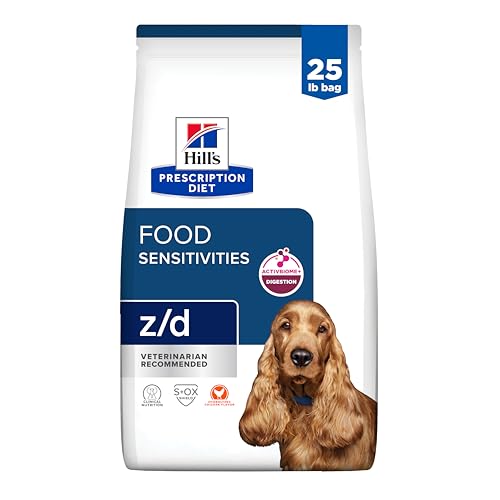
- Hydrolyzed diet: Purina HA or Hill’s z/d — 45-60 dollars per 25 lb bag. Prescription required. The protein is broken down so small that the immune system cannot recognize it. Most expensive but most reliable — no need for a truly novel protein.
Step 2: Feed ONLY the Trial Diet for 8 Weeks
Rules:
- No treats of any kind (use pieces of the trial kibble or boiled novel protein as treats)
- No flavored toothpaste (use plain baking soda or unflavored dog toothpaste)
- No rawhide, bully sticks, dental chews, or bones (all contain animal protein)
- No heartworm prevention in flavored form (ask vet for unflavored or switch to topical)
- No supplements with flavorings (plain vitamins only)
- No access to cat food, other dogs’ food, or garbage
- No licking of food preparation surfaces (clean after cooking)
Step 3: Evaluate Results at 8 Weeks
If symptoms improve by 50 percent or more: food allergy confirmed. Proceed to Step 4.
If symptoms do not improve: food allergy is unlikely. The cause is probably environmental allergies (atopic dermatitis). See your vet for allergy testing and treatment.
Step 4: Challenge Test (Weeks 9-10)
Add back one ingredient at a time (one new ingredient per week) to identify which specific protein triggers the allergy:
- Week 9: Add chicken. If symptoms return within 7 days, chicken is an allergen. Remove it.
- Week 10: Add beef. If no symptoms, beef is safe. Continue.
- Week 11: Add wheat. Continue or eliminate based on response.
Test each protein your dog was eating before the trial. Once you know which proteins trigger symptoms, you can choose a commercial food that avoids them.
Budget Hypoallergenic Food Options (After Trial)
Once you know which proteins your dog is allergic to, choose a commercial food that avoids them:
| Food | Cost/Month (50 lb dog) | Novel Protein | Best For |
|---|---|---|---|
| Natural Balance L.I.D. (various flavors) | 25-35 dollars | Venkison, duck, rabbit, lamb | Multiple protein allergies |
| Purina Pro Plan HA (hydrolyzed) | 45-60 dollars | Hydrolyzed soy | Multiple severe allergies |
| Hill’s z/d (hydrolyzed chicken) | 50-65 dollars | Hydrolyzed chicken | Severe allergies, prescription |
| Homemade novel protein | 15-25 dollars | Your choice | Budget option, needs balance |
The cheapest long-term option is homemade: 3 pounds of novel protein (pork, duck, or venison) plus 2 cups of cooked rice or sweet potato per day, supplemented with a balanced dog vitamin (Nutri-Cal or Balance IT, 10-15 dollars/month). Total cost: 20-35 dollars per month. This is cheaper than commercial limited-ingredient diets and ensures 100 percent control over ingredients.
The Grain-Free Myth (Do Not Fall for This)
“Grain-free” dog food is marketed as hypoallergenic, but it is not. Dogs are allergic to proteins, not grains (except wheat, which is rare). Grain-free diets replace wheat, corn, and rice with peas, lentils, and potatoes — which are no less allergenic.
Worse, the FDA has investigated a link between grain-free diets (specifically those high in peas, lentils, and potatoes) and dilated cardiomyopathy (DCM), a fatal heart condition. The suspected mechanism involves taurine deficiency caused by plant-based ingredients that interfere with taurine absorption. Golden Retrievers, Dobermans, and mixed large breeds are most at risk.
If your dog has a food allergy confirmed by elimination trial, switch to a novel protein — not a grain-free food. If your dog does not have a food allergy, do not feed grain-free at all.
Common Mistakes That Waste Money
- Buying “grain-free” for allergies. Grains are rarely the allergen. You are paying 30-50 percent more for food that does not help.
- Switching to “lamb and rice” as hypoallergenic. Lamb was novel 20 years ago — now many dogs are allergic to it from years of lamb-based foods.
- Doing a 4-week trial instead of 8. Food allergies take 6-8 weeks to clear from the system. A 4-week trial misses 40 percent of cases.
- Not being strict during the trial. One treat, one flavored medication, one stolen crumb from the floor resets the entire trial. This is the most common reason trials fail.
- Testing for food allergies with blood tests. Blood tests for food allergy in dogs have 30-50 percent false positive rates. The elimination diet is the only reliable test.
- Assuming environmental allergies are food allergies. 70 percent of itchy dogs have environmental allergies, not food allergies. If the 8-week trial does not help, stop switching foods and see your vet for environmental allergy treatment (Cytopoint, Apoquel).
The Bottom Line
Food allergies in dogs cause year-round itchy skin, ear infections, and paw chewing. The only reliable diagnosis is an 8-week elimination diet trial using a novel protein (pork and rice is the cheapest at 8-12 dollars per week, or commercial limited-ingredient food at 25-35 dollars per bag). The trial must be strict — no treats, no flavored medications, no cheating. If symptoms improve by 50 percent, food allergy is confirmed. Challenge test individual proteins (one per week) to identify the specific allergen. Then choose a commercial food that avoids it or feed a homemade novel protein diet (20-35 dollars per month). Do not buy grain-free food for allergies — grains are rarely the allergen, and grain-free diets may cause heart disease. Do not trust blood tests for food allergy — they have a 30-50 percent false positive rate. If the 8-week trial does not improve symptoms, the cause is environmental allergies, not food, and you need veterinary treatment (Cytopoint at 50-100 dollars per injection or Apoquel at 50-70 dollars per month) rather than diet changes. The 8-12 dollars per week you spend on the homemade pork and rice trial saves 200-500 dollars in unnecessary commercial “hypoallergenic” food and correctly identifies whether your dog actually has a food allergy.
Related guides:
- Dog Diarrhea Home Treatment: Complete Guide Under 8 Dollars
- Homemade Dog Food on a Budget: Complete Recipe Under 25 Dollars Per Week
- Heartworm Prevention on a Budget: Complete Guide Under 12 Dollars Per Month
Last updated: July 2026 | By ThriftyPaw | Prices and availability subject to change
ThriftyPaw is reader-supported. As an Amazon Associate, we earn from qualifying purchases. This means we may earn a small commission when you buy through links on this site at no additional cost to you. We only recommend products we genuinely believe in. Thank you for supporting ThriftyPaw.
Want more budget pet care tips? Join our newsletter for weekly guides on keeping your dog healthy without overspending. No spam, just practical advice delivered every Sunday.
Subscribe to the ThriftyPaw newsletter — it is free and you can unsubscribe anytime.
🐾 Get Your Free Big Dog First Aid Kit Checklist
Join our newsletter and get this free printable plus weekly tips.
Price Check
Prices verified via our product tracker. Updated Sep 27.
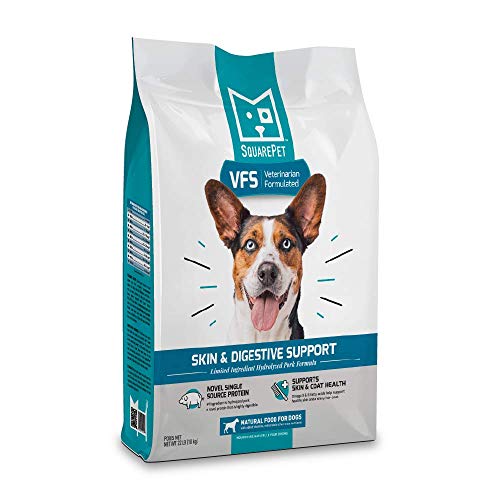
| SquarePet Veterinarian Formulated Solutions Hydrolyzed Pro | $97.99 | 4.2★ (325) |
| Hill's Prescription Diet z/d Skin/Food Sensitivities Dry D | $135.99 | 4.6★ (1,993) |
As an Amazon Associate we earn from qualifying purchases.