This article contains affiliate links. We may earn a commission from qualifying purchases.
Some content on this site is AI-assisted and reviewed by our editorial team.
Four Feet of Gap, Fifty Minutes of Panic
The gap between my porch and the fence line is exactly four feet, and last October my 60-pound mutt found it in the two seconds it took me to set down a grocery bag. She was gone before the screen door latched. I found her fifty minutes later in a storm drain two blocks over — because a jogger with an iPhone crossed that block, not because of anything I did. The AirTag on her collar read “three blocks east,” forty minutes stale by the time I got there.
That night cost $63 in flyers, gas, and two neighbors’ flashlights — the cheap ending. Had animal control gotten there first, the reclaim fee and overnight boarding would have run past $100 before sunrise. So I did the tracker math honestly, on paper, before fireworks season puts more door-dashers on the loose.

Here’s the math I wish I’d done before that night — what a lost dog costs, what an AirTag really does on a collar, and when the cellular option is worth it instead.
What a Lost Dog Actually Costs
Price the unlucky version: county shelters charge a reclaim fee between $50 and $150, boarding runs $10-30 a day, a 200-flyer print run costs $30-60, and the microchip scan is the only free part. One bad weekend clears $200 before you count the hours — and the widely cited numbers put roughly one in seven owners through some version of it inside five years.
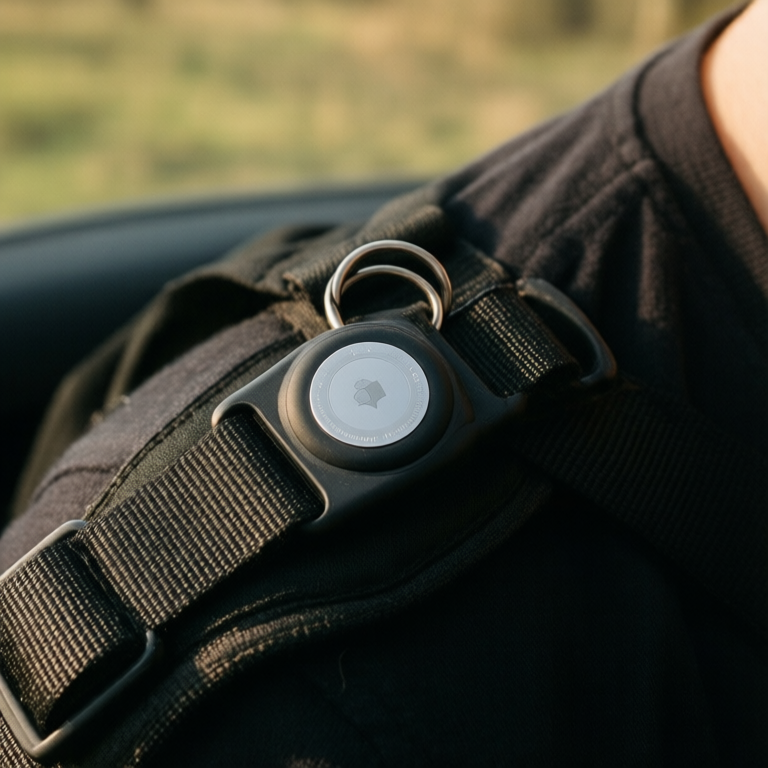
A tracker doesn’t prevent the door-dash. It decides whether those hours get spent walking a live map or driving a grid on a guess.
Apple AirTag 2, 4-Pack — The 22-Dollar-a-Tag Backup
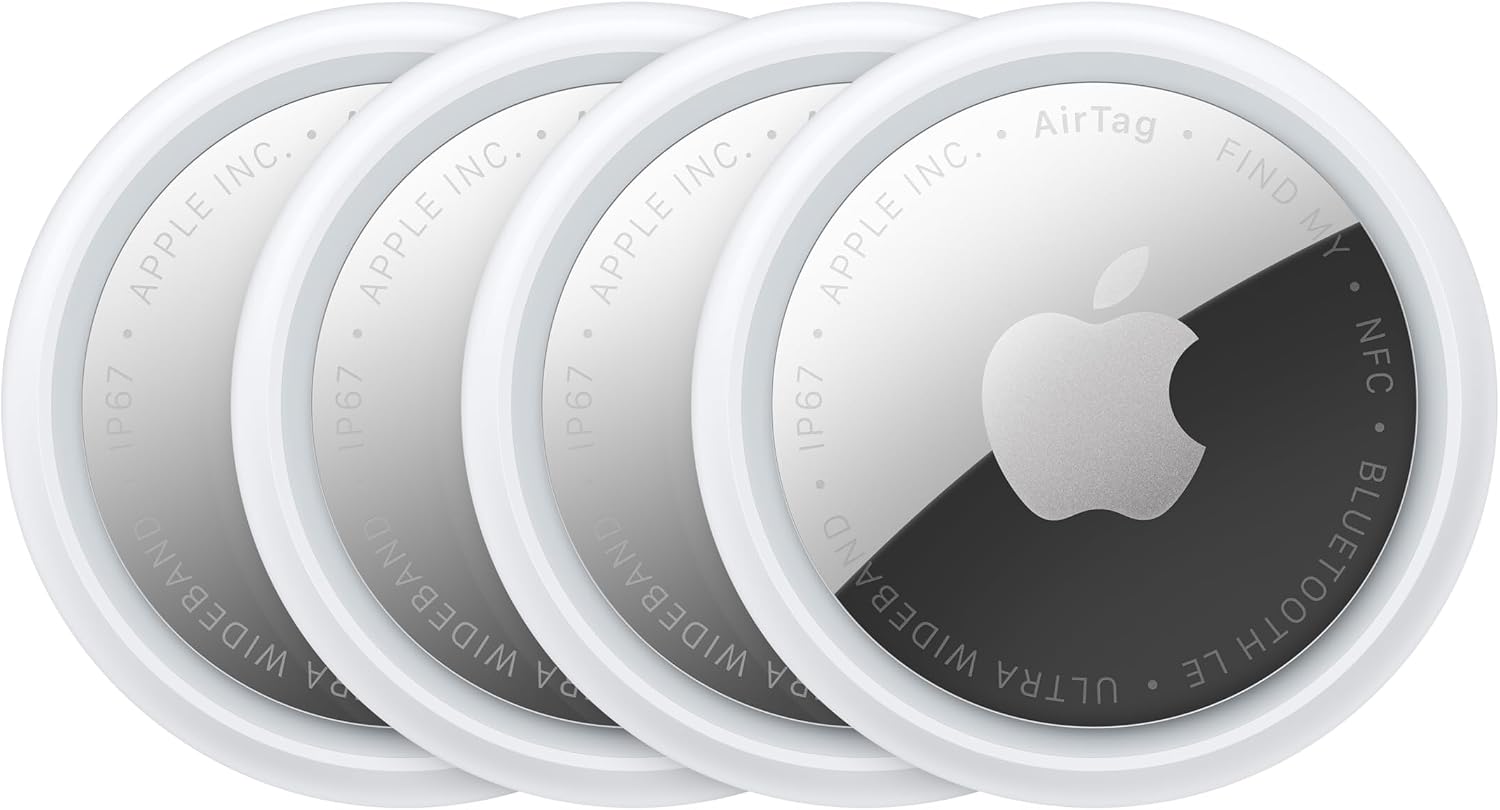
The Apple AirTag 2, 4-Pack was $89 when I checked this morning — about $22 a tag for four louder second-generation trackers, a year of battery each, and no subscription, ever. The louder 2nd-gen chime matters more than people expect for a dog hiding under a deck a house away.
The honest part is in Apple’s own support pages: AirTags are not pet trackers. A tag reports position only when some Apple device comes within Bluetooth range. On my street that’s every twenty seconds; in the woods behind the soccer fields it’s zero phones for an hour, and the app shows where she was, not where she is — that forty-minute-stale drain reading, exactly.
My take: for a city or subdivision dog whose escapes follow predictable routes past other people’s phones, $22 a tag is the best money in this post. For a dog that bolts toward low-traffic country, it’s a coin flip — keep reading.
AirTag Collar Holder (Screw-Close) — The Attachment That Decides Everything
An AirTag dangling from a keyring loop is a chew toy with a button battery in it. The mounts that work are screw-closed or flat-mount collar holders, about $10-15 for the good ones. The screw housing closes around the tag so nothing dangles for a jaw to grab, and the tag rides flat against the band instead of swinging at the throat.
Skip the dangling keyring-style mounts — reviews describe dogs chewing those off and swallowing them, and an AirTag battery is the button cell you don’t want in a stomach. If the holder comes off without a screwdriver, your dog will find a way to take it off.
My take: not optional on the AirTag route. A $22 tag in a $6 dangle mount is a vet visit waiting on the calendar — buy the screw-close kind and treat the pair as one purchase.
Tractive Smart Dog GPS (Vital Signs) — The Health-Monitoring Upgrade
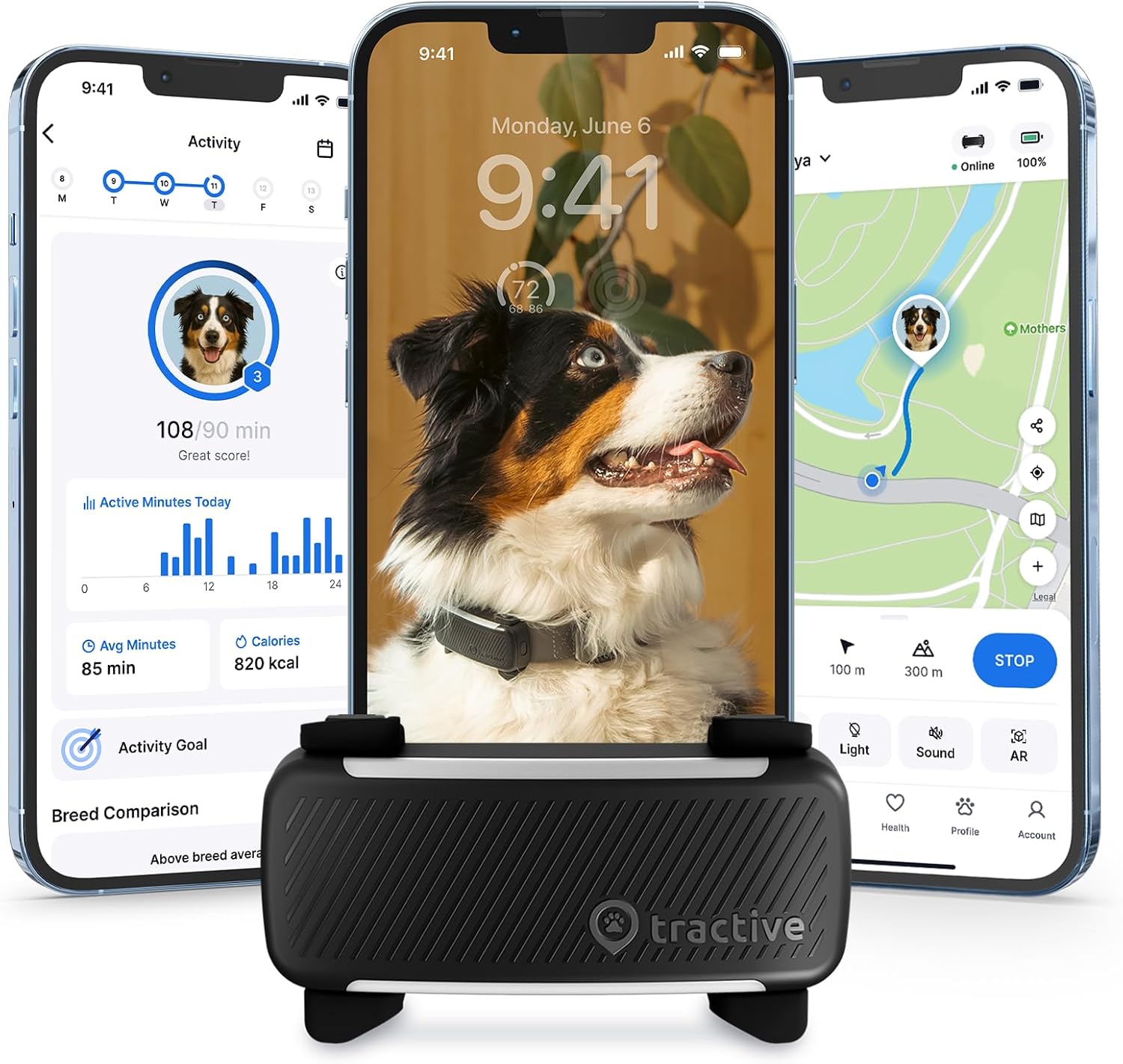
The Tractive Smart Dog GPS (Vital Signs) was $47.40 in stock this morning — live position over LTE every 2-3 seconds, virtual-fence alerts the moment she crosses the boundary you draw, full location history, and the vital-signs layer: heart rate, respiratory rate, and bark monitoring. The subscription runs about $5-13 a month by plan length, so the honest first-year number is roughly $107-203 all-in.
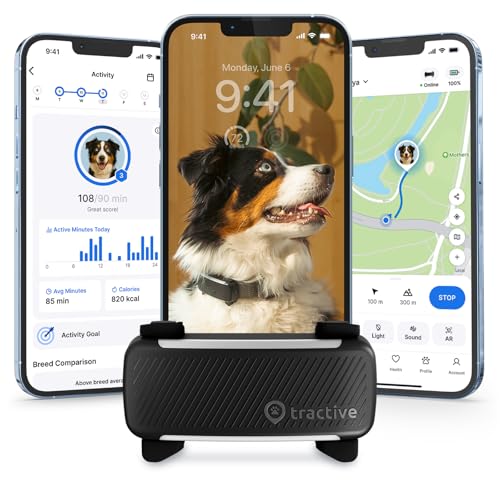
The plain non-vitals Tractive listings bounce in and out of stock on Amazon; the tracking hardware is the same either way. Cons, honestly: the subscription never stops, live updates need LTE coverage — dead-zone country owners report lag — and the vital-signs readouts run mixed in reviews, so treat them as a wellness signal, not a vet-grade monitor.
My take: the pick for the dog that bolts toward woods. It’s the only technology here that tells you where she is, live, while you’re still pulling on boots.
Fi Series 3 Smart Collar — The Collar-Integrated Option
The Fi Series 3 Smart Collar runs about $149 plus its own subscription, and the tracker is built into the collar — no separate tag to chew off, no holder to buy. Battery life is the headline: weeks in normal mode, leaning on escape mode only when your dog leaves coverage.
Two honest cons: the hardware runs heavy — on a neck under about 15 pounds it hangs like field equipment — and the subscription stacks onto a $149 collar, the priciest route here per year.
My take: the pick for the dog that destroys attachments and the owner who wants one integrated purchase instead of a tag-plus-holder combo. Small dogs should stay with a lightweight clip-on tracker instead.
Fireworks season is closer than it looks. Trackers ship free with Prime — start a free 30-day Prime trial here before the first holiday-weekend door-dash.
Features That Actually Matter (And Ones That Don’t)
Live position vs. last-known position. The entire buying decision. Crowd-sourced tells you where your dog was when a phone passed; cellular GPS tells you where she is right now.
Virtual-fence alerts. A push the second the collar leaves your yard is worth the subscription alone on a fence-jumper.
Attachment hardware. Screw-close and flat mounts stay on; dangling loops get chewed. The best tracker in a bad mount is a lost dog wearing jewelry.
Battery reality. A year per AirTag coin cell versus a few days per GPS charge — a tracker you forgot to charge is the most expensive AirTag on the block. Put it on a schedule, not a hope.
Vital signs. Nice-to-have wellness data — don’t pay the premium for that layer alone.
Being found isn’t the only night risk: visibility gear that makes cars see my dog in the dark costs about $12 and prevents what a tracker only reacts to.
The Annual Cost Comparison
One escape with no tracker: $200+ in reclaim fees, boarding, and flyers, every time the door wins.
The AirTag route (my city-dog setup): $89 four-pack plus a $12 holder is $101 once, then a few dollars a year in coin cells. It pays for itself the first time it cuts one search by an hour.
The GPS route (my bolter setup): $47.40 plus $60-156 a year in subscription is roughly $107-203 the first year — the honest annual cost of any GPS tracker is the subscription, not the hardware.
What else that money buys: a year of Tractive costs about what one impound-and-boarding incident does — and the paw-safe ice melt jug covers a whole season of salt runs for $30.
Keep reading: LED collars that make cars see your dog in the dark and ice melt that won’t burn paws for the winter kit.
ThriftyPaw is reader-supported. As an Amazon Associate, I earn from qualifying purchases. That means if you buy through one of the links above, I get a small commission at no extra cost to you. I only recommend products I’ve actually used with my own dog.
Related guides
- Dog Friendly Road Trip Stops on a Budget: 5-Day Trip Under 50 Dollars
- Summer Dog Safety on a Budget — Protect Your Dog Without Spending a Fortune
- My Dog Was Miserable in the Heat Until I Found These 4 Cooling Mats (All Under 35 Dollars)
- Cheap Ways to Dog-Proof Your Yard: 7 Methods Under 100 Dollars
- Dog Water Safety on a Budget: Pools, Lakes, and Beach Guide (2026)
🐾 Get Your Free Big Dog First Aid Kit Checklist
Join our newsletter and get this free printable plus weekly tips.
Frequently Asked Questions
Can you use an AirTag to track a dog?
Technically yes, and many owners do. But Apple explicitly says AirTags are not designed for pet tracking. They only update when another Apple device comes within Bluetooth range, so a dog in the woods with no iPhones nearby shows a stale location. They work for city dogs on predictable routes and fail for dogs that bolt into low-traffic areas.
How much does a GPS dog tracker cost per month?
Tractive runs about $5-13 per month depending on the plan length. Fi adds a subscription on top of the collar cost. The honest annual cost of any GPS tracker is the hardware plus 12 months of subscription, which is where the real money goes.
What is the best tracker for a dog that runs off?
A dog that bolts toward woods or open country needs a GPS tracker with LTE like the Tractive, not an AirTag. AirTags rely on crowd-sourced Apple device proximity, which drops to zero in rural areas. GPS trackers cost more upfront and require a subscription, but they report live position over cellular, which is the only technology that actually finds a dog that has left the neighborhood.
Liked this guide? Get the next one in your inbox — the pet budget checklist is free too.
✓ You're in — check your inbox.
No spam. Unsubscribe anytime. We never share your email.