
This article contains affiliate links. We may earn a commission from qualifying purchases.
Some content on this site is AI-assisted and reviewed by our editorial team.
The vet bill that made me do this math was $430 for two days of fluids and monitoring after my cat stopped eating her usual food. The cause was never fancy — a recipe change nobody told me about, a cat who noticed, and a standoff that ended at the clinic. What I learned sitting in that waiting room is that cat food is not one cost. It is a per-ounce cost, and the gap between a can that costs 15 cents an ounce and one that costs 32 cents an ounce is not $17 at the register. It is hundreds of dollars a year.
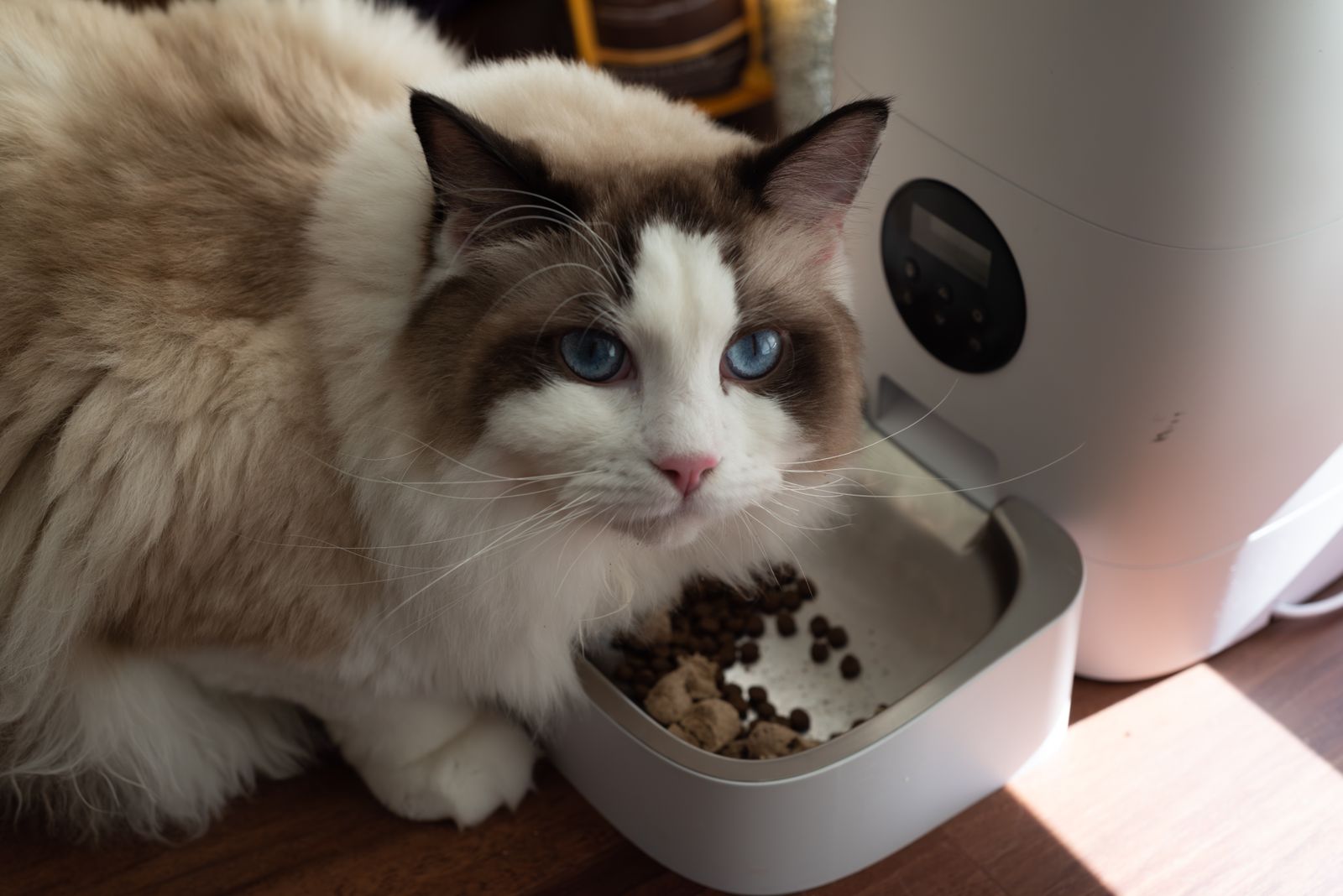
I tracked every wet-food option our house has actually finished over the last year and priced the three tiers we rotate through, per ounce, per day, and per year. Here is the honest math on cat food, including the option I splurge on and why.
The Real Cost of a Picky Cat
Our cat eats about 5.5 ounces of wet food a day (two meals, roughly one large can split across breakfast and dinner, plus dry food she free-grazes). At that rate, here is what the three tiers of wet food actually cost per year:
- Budget tier (Friskies pate, 40-can case): $32.76 for 40 cans of 5.5-oz pate. That is 82 cents a can, 15 cents an ounce, and about $300 a year at one-can-a-day.
- Mid tier (Fancy Feast Gravy Lovers, 24-can case): $23.04 for 24 cans of 3-oz. That is 96 cents a can but 32 cents an ounce — double the budget tier per ounce — and about $640 a year at the same volume.
- Portion tier (IAMS Perfect Portions, 24-count twin packs): $30.96 for 24 twin packs (48 portions of 1.3 oz). Each portion is 65 cents, but you are paying for freshness and zero-waste, not just food.
Read that middle line again. Same cat, same daily volume, and the “fancy” tier costs more than double per ounce. That is the entire cat food industry in one paragraph.
Friskies Pate 40-Can Variety — The Budget Baseline
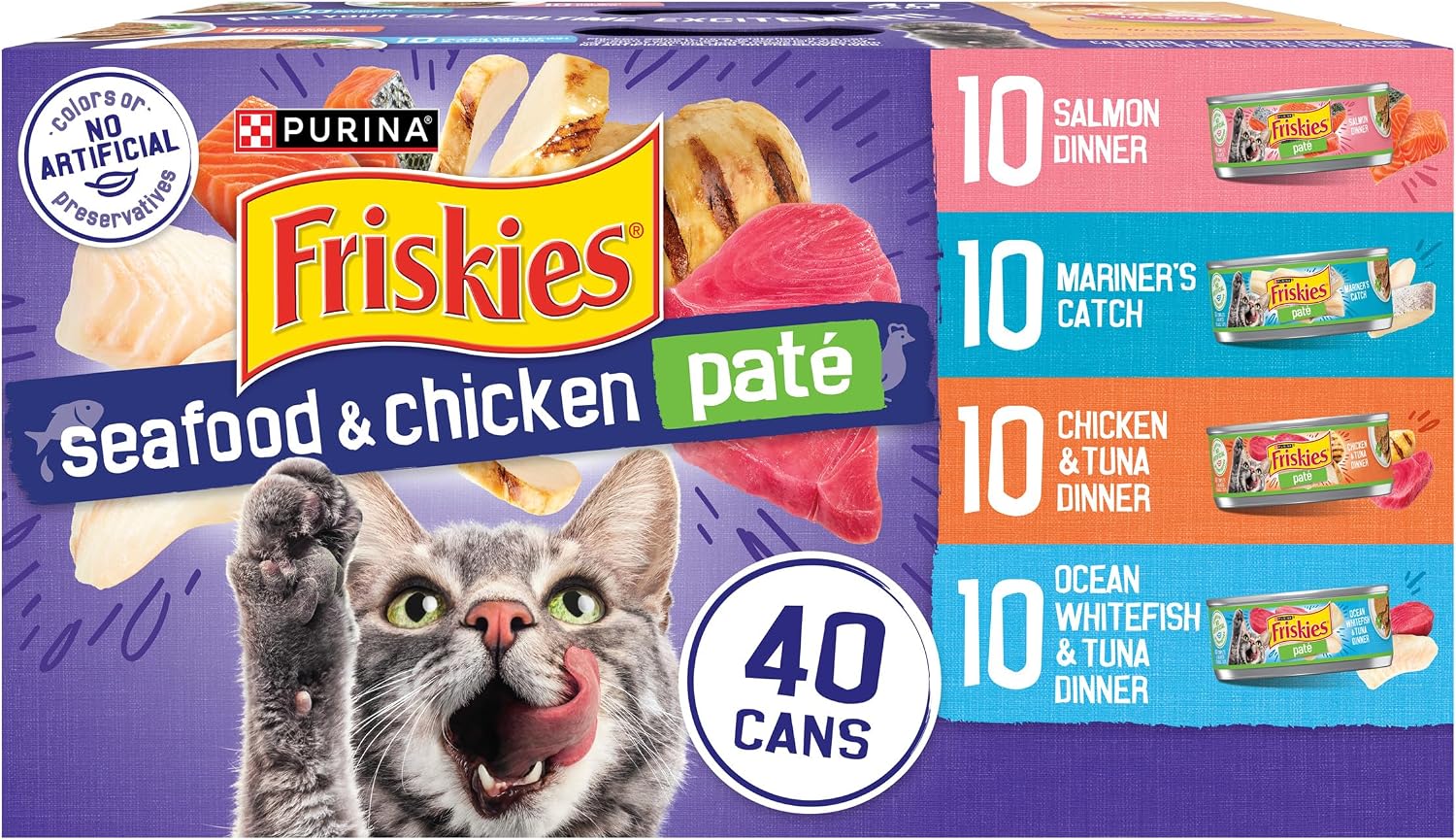
At $32.76 verified today for the 40-can seafood and chicken variety, this is the cheapest food per ounce that our cat consistently eats, and the variety pack does the one thing a budget food must do: it prevents flavor fatigue. Four flavors rotating means no week where she snubs the same can for four days straight. The honest cons: pate texture only (no shreds or chunks, so texture-picky cats may refuse it), and the 5.5-oz can means leftovers in the fridge unless your cat eats a full can a day. At 15 cents an ounce, this is the floor for food she will actually finish.
My take: the default answer for most cats and most budgets. Buy this unless your cat has a health issue or a texture preference that rules it out.
Fancy Feast Gravy Lovers — The Flavor Splurge
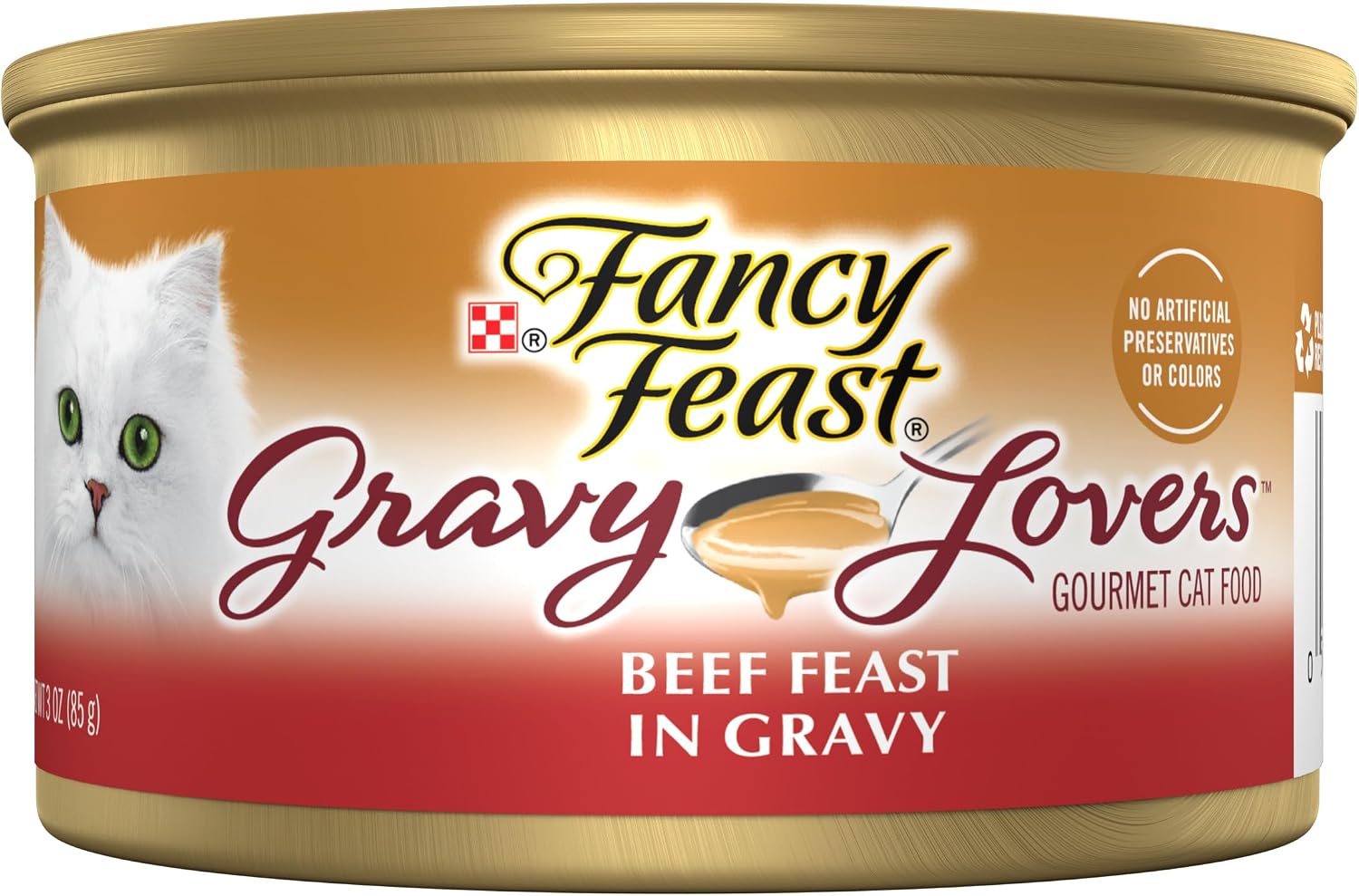
At $23.04 verified today for 24 three-ounce cans of the beef grilled in gravy recipe, this is the tier we rotate in when the standoff starts — a cat who is refusing food is a medical risk, and the gravy-texture food she reliably finishes is worth the premium. But do the honest math: at 32 cents an ounce, this costs more than double the Friskies per unit of food. The cons are real: gravy-heavy food is messier, it is not a complete diet replacement for all cats without watching weight, and the small cans mean you are paying for packaging. Treat it as medicine for a picky week, not the default.
My take: the appetite insurance policy. Keep a case in the pantry for food strikes and appetite dips; do not make it the everyday food unless the per-ounce math does not scare you.
IAMS Perfect Portions — The Zero-Waste Answer
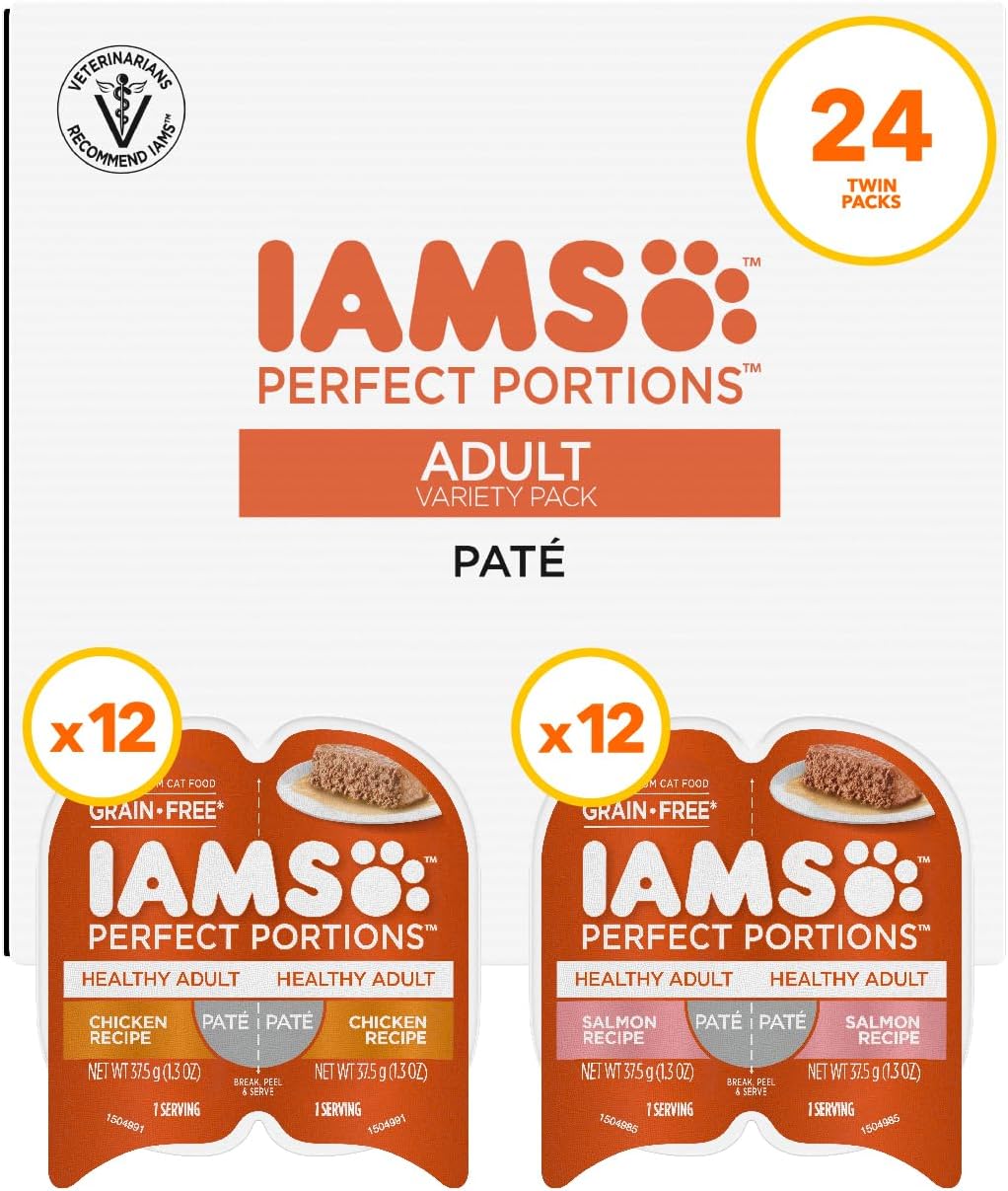
At $30.96 verified today for 24 twin packs (48 portions), each 1.3-oz portion costs about 65 cents and every meal is a fresh peel-pack with no half-used can sitting in the fridge losing smell and appeal. For cats who turn their nose up at refrigerated leftovers — the number one driver of wasted food and the hidden cost nobody counts — this format eliminates the problem entirely. The cons: the per-ounce price is the highest of the three tiers here, the packaging is more waste, and it only makes sense if your cat genuinely rejects leftover food.
My take: the solution for the specific problem of cats who refuse refrigerated food. If your cat eats cold leftovers happily, skip the premium and stay on cans.
Cat food is the perfect Subscribe & Save item. A 40-can case is heavy enough that shipping hurts and predictable enough that you will never be surprised. Set up Subscribe & Save on the case food your cat actually finishes: save around 5%, never run out on a Sunday night, and cancel the subscription any time your cat’s tastes change.
Features That Actually Matter (And Ones That Don’t)
Price per ounce, not per can: this is the single number that matters. A 96-cent 3-oz can costs double what an 82-cent 5.5-oz can costs per ounce. The register price hides this; the per-ounce price does not.
Variety packs over single flavors: flavor fatigue is real and it is the reason budget food gets abandoned. Rotating four flavors costs nothing extra and prevents the standoff that ends at the vet.
Texture over brand: pate, chunks, gravy — cats have strong texture preferences and the texture decides whether food gets eaten more than the brand name does. Find the texture first, then optimize price.
Zero-waste format: the hidden cost of cat food is the half-can your cat refuses. If your cat rejects leftovers, the portion packs pay for themselves in food not thrown away.
What doesn’t matter: gourmet-sounding recipe names and celebrity-endorsed “human-grade” language. Look at the per-ounce price and the ingredients panel, not the marketing.
The Annual Cost Comparison
- Before (one cat, mid-tier default): 32 cents an ounce at 5.5 ounces a day = about $640 a year on wet food alone.
- After (budget base + splurge rotation): 15 cents an ounce base with gravy food reserved for appetite dips = about $330 a year.
- Annual savings: about $310 — which is three-quarters of the vet visit that started this math, or the next 40-can case plus change.
Keep reading: the cat litter per-pound breakdown is the same math for the other side of the litter box, and the fountain filter bulk-buying guide covers the other recurring cat supply.
ThriftyPaw is reader-supported. As an Amazon Associate, I earn from qualifying purchases. That means if you buy through one of the links above, I get a small commission at no extra cost to you. I only recommend products I’ve actually used with my own dog.
🐾 Get Your Free Big Dog First Aid Kit Checklist
Join our newsletter and get this free printable plus weekly tips.
Frequently Asked Questions
How much should cat food cost per ounce?
Budget pate runs about 15 cents an ounce in multipack cases, mid-tier brand-name wet food runs 25-35 cents an ounce, and portion-pack formats run higher still because you pay for packaging and freshness. Anything under about 20 cents an ounce in a variety pack is a solid everyday price.
Is expensive cat food actually better for my cat?
Price and quality are related but not the same thing. What matters is that the food is complete and balanced for your cat's life stage and that your cat eats it consistently u2014 a premium food that sits in the bowl is worse nutrition than a budget food that gets finished. Check the per-ounce price before assuming premium means better.
How much does wet cat food cost per year?
At one 5.5-oz can a day, budget pate costs roughly $300 a year, and mid-tier brand-name wet food at 32 cents an ounce runs about $640. The per-ounce number, not the can price, is what sets the annual bill.
Should I buy cat food with Subscribe & Save?
For a food your cat has eaten for at least a month, yes: the discount is around 5%, deliveries arrive before you run out, and you can cancel or skip any time. Do not subscribe to a new food before you know your cat accepts it u2014 that is how boxes of rejected food stack up.
Why does my cat refuse food she ate yesterday?
The three most common reasons are leftovers served cold from the fridge (smell and appeal drop), flavor fatigue from a single recipe, and recipe changes the manufacturer does not announce. Variety packs, portion packs, and letting refrigerated food warm up solve most of it without upgrading to a premium tier.
Price Check
Prices verified via our product tracker. Updated Oct 7.
As an Amazon Associate we earn from qualifying purchases.