This article contains affiliate links. We may earn a commission from qualifying purchases.
Some content on this site is AI-assisted and reviewed by our editorial team.
Cat skin problems are the second most common reason for vet visits (after digestive issues) — and they are frustrating because the same symptoms (itching, scratching, hair loss, redness) can come from 10 different causes. The good news: most cat skin problems are treatable for under 15 dollars when you identify the cause correctly. The bad news: treating for the wrong cause wastes money and prolongs your cat’s suffering. This guide covers the 8 most common cat skin problems, how to identify each one, the budget treatment protocol, and when skin problems indicate a serious underlying disease.
The 8 Most Common Cat Skin Problems
1. Flea Allergy Dermatitis (Most Common)
Even a single flea bite can cause severe itching in a flea-allergic cat. The cat is not allergic to the flea itself — they are allergic to the flea’s saliva. One bite causes intense itching that lasts 2-3 weeks. The cat scratches and grooms obsessively, creating hair loss, redness, and scabs — especially around the base of the tail, the neck, and the belly.
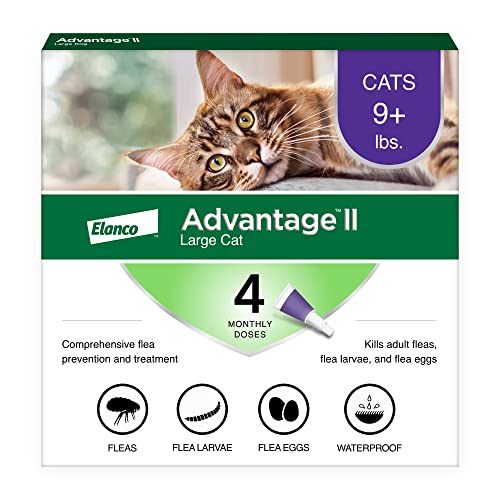
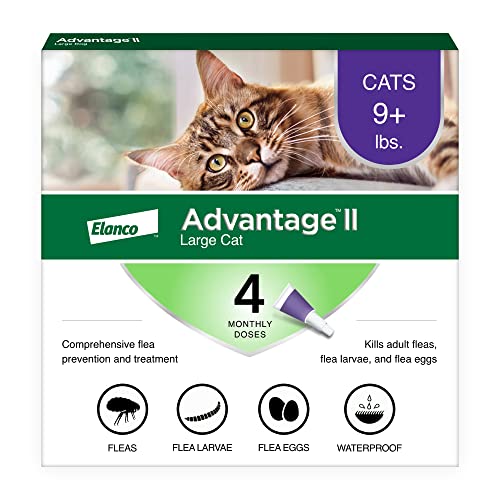
Treatment: Flea prevention on the cat AND in the environment. Apply monthly topical flea prevention like Revolution Plus (about 15 dollars/month) or Advantage Multi for Cats (about 12 dollars/month). Treat the home with a flea spray containing an insect growth regulator like Sergeant’s Household Flea and Tick Spray (about 10 dollars). Even indoor cats get fleas — they come in on shoes, other pets, and through screens.
2. Food Allergies
Unlike dogs, where food allergies typically cause skin itching, cat food allergies cause both skin problems (itching, hair loss, redness around the face and ears) and digestive problems (vomiting, diarrhea). The most common cat food allergens are chicken, fish, beef, and dairy. Food allergies develop after months to years of eating the same protein.
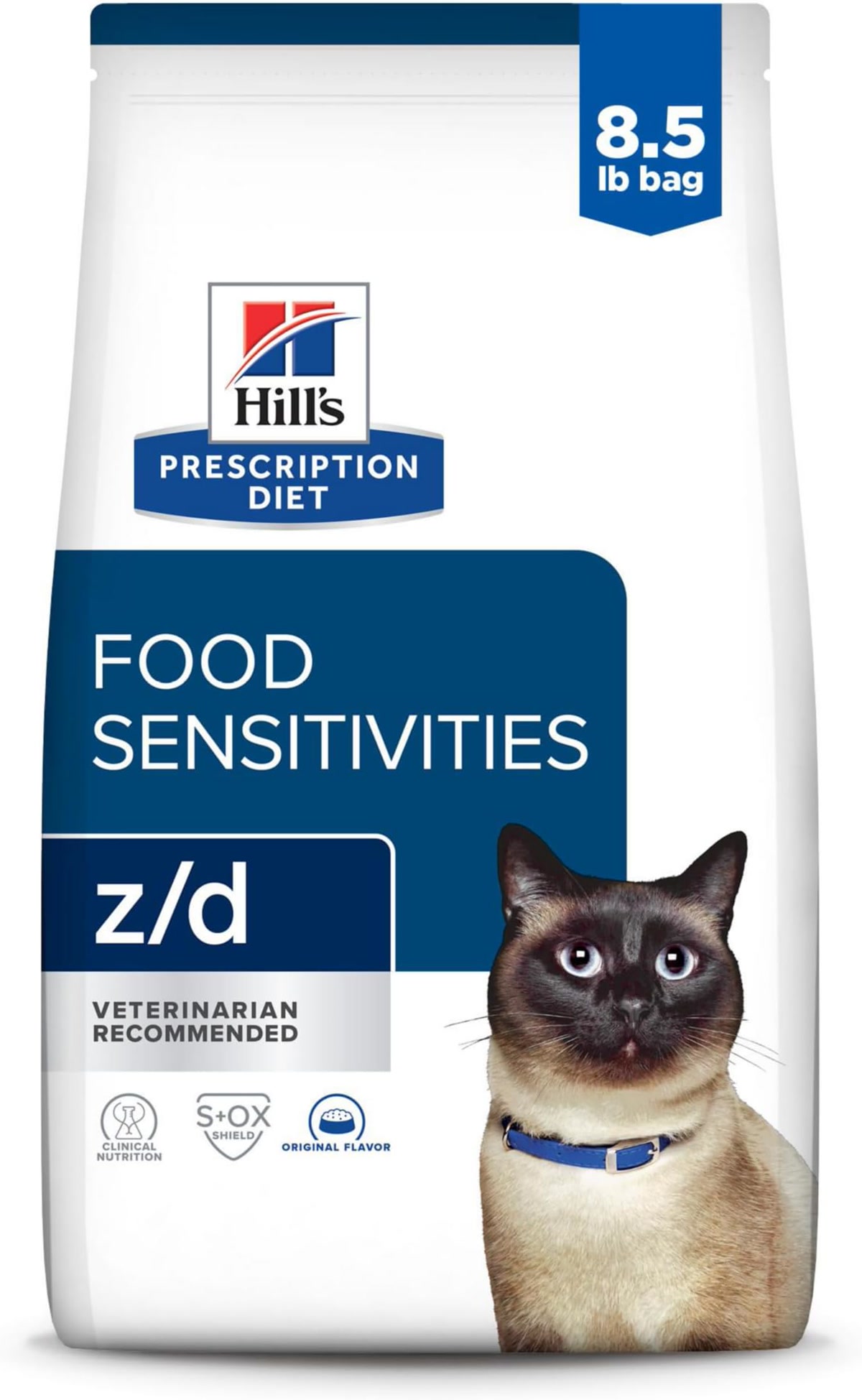
Treatment: 8-week elimination diet — switch to a hydrolyzed protein diet like Hill’s Prescription Diet z/d or Royal Canin Hydrolyzed Protein HP (about 1.50-2.50 dollars per can). No other food, treats, or table scraps for 8 weeks. If the skin improves, reintroduce the old protein to confirm the allergy.
3. Environmental Allergies (Atopy)
Allergic reaction to environmental allergens — pollen, dust mites, mold, and grass. Symptoms are seasonal (worse in spring and fall) or year-round (dust mites). The cat itches all over, especially the face, ears, belly, and paws. Hair loss from overgrooming. Red, inflamed skin.
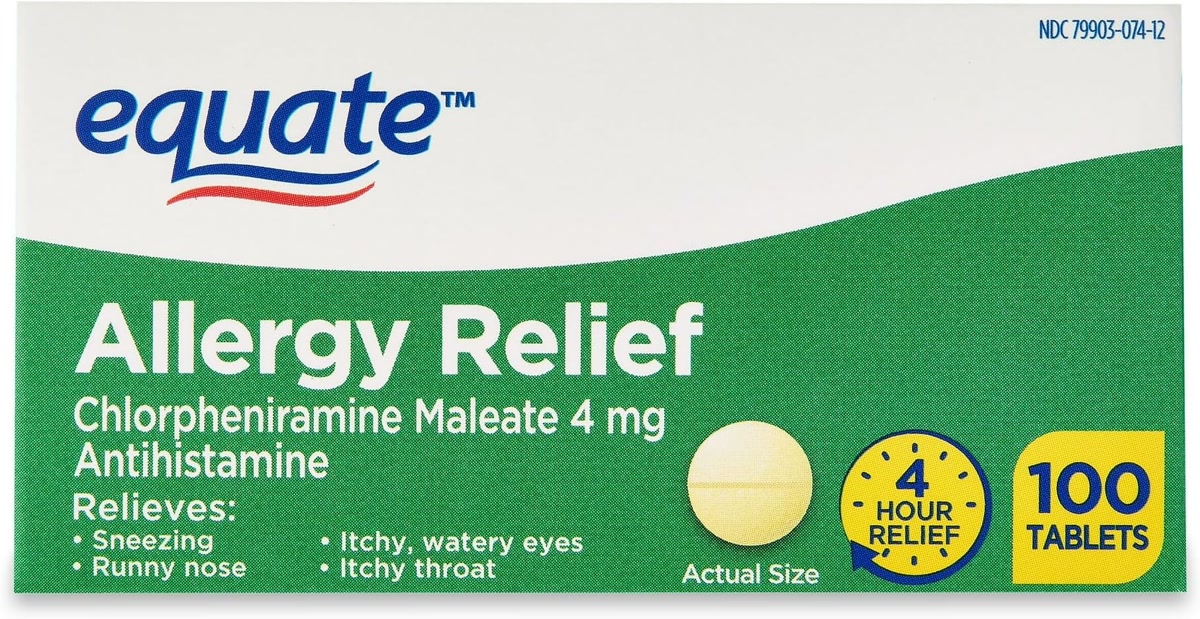
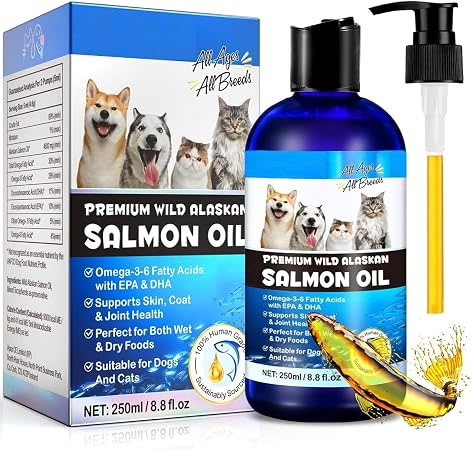
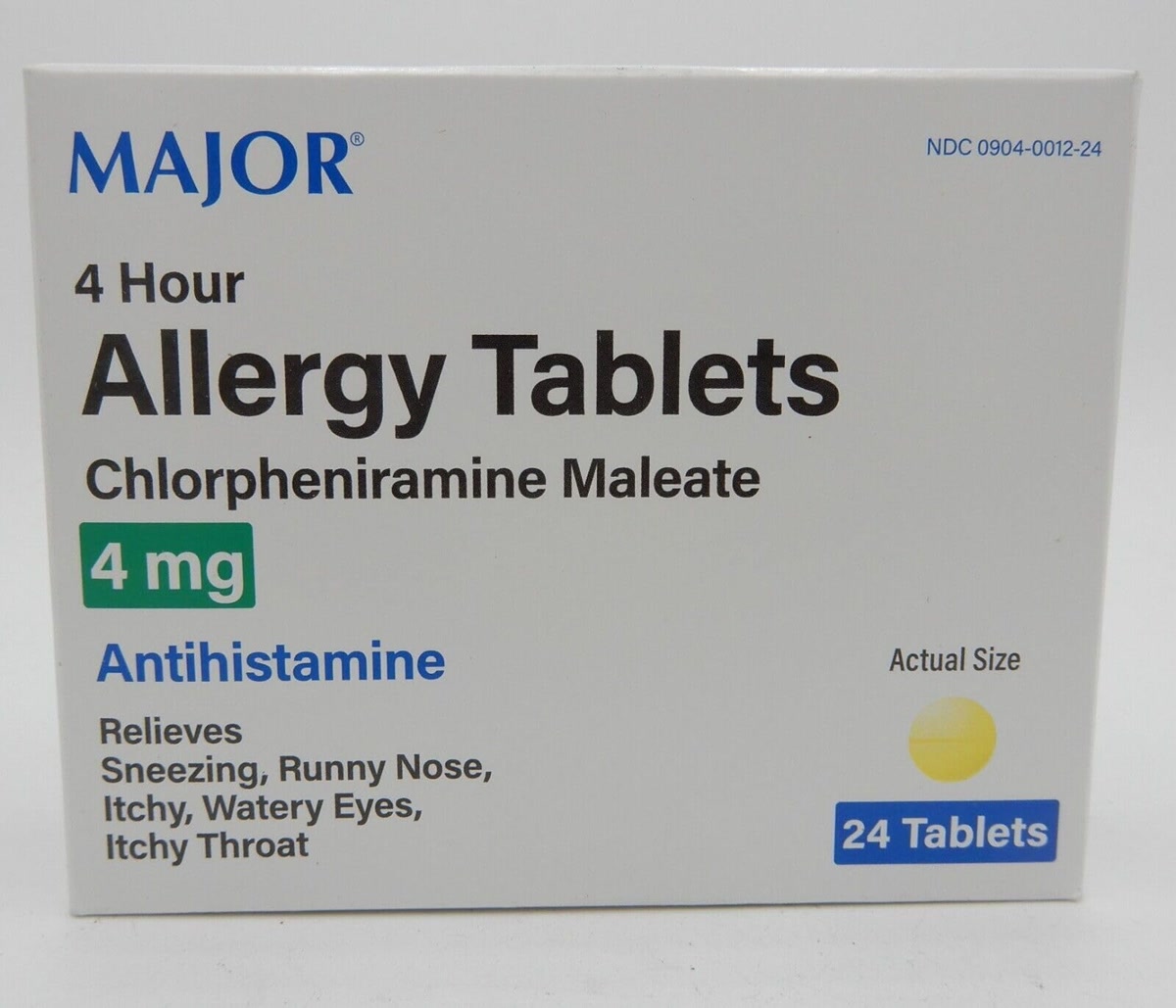
Treatment: Reduce exposure with a HEPA air purifier (40-80 dollars one-time) and frequent vacuuming. Antihistamines: chlorpheniramine 4mg tablets (2-4 dollars/month, 2mg every 12-24 hours) or cetirizine 10mg (3-5 dollars/month, 5mg daily). Discuss dosing with your vet. Omega-3 fatty acids reduce inflammation — Wild Alaskan Salmon Oil for cats and dogs costs about 3-5 dollars/month. For severe cases, cyclosporine (Atopica, 30-60 dollars/month) or allergy shots (immunotherapy, 100-200 dollars/month).
4. Ringworm (Fungal Infection)
Not a worm — a fungal infection (dermatophytosis). Causes circular patches of hair loss with red, scaly, sometimes crusty skin. The hair breaks off at the skin level. Most common in kittens, outdoor cats, and cats in multi-pet households. Ringworm is contagious to humans and other pets.
Treatment: Topical antifungal cream like Globe Miconazole Nitrate 2 percent cream (about 6 dollars) applied to the affected areas twice daily for 2-4 weeks. For widespread infections, lime sulfur dip (8-15 dollars, applied weekly) or oral antifungal medication (itraconazole, 15-30 dollars/month, requires vet prescription). Treat ALL pets in the household. Clean the environment thoroughly — vacuum, wash bedding in hot water, and disinfect surfaces. Ringworm spores survive in the environment for months.
Diagnosis: Wood’s lamp exam (vet shines a UV light — 50 percent of ringworm species glow apple-green) or fungal culture (15-30 dollars, takes 1-2 weeks).
5. Mites (Ear Mites, Cheyletiella, Notoedres)
Ear mites cause head shaking, ear scratching, and dark discharge. Cheyletiella mites (“walking dander”) cause flaky, scaly skin along the back — looks like severe dandruff. Notoedres mites (feline scabies) cause intense itching and crusting on the ears, face, and neck.
Treatment: Revolution Plus or Advantage Multi (10-15 dollars/month) kills most mites. For Cheyletiella and Notoedres, 2-3 monthly doses are needed. Treat all pets in the household.
6. Acne (Chin Blackheads)
Cats get acne on their chin — it looks like black dots (blackheads) or red, swollen bumps (inflamed acne). In severe cases, the chin becomes infected and swollen. The cause is overactive sebaceous glands on the chin, often worsened by plastic food bowls (which harbor bacteria in scratches).
Treatment: Switch from plastic to stainless steel or ceramic food bowls (3-5 dollars — plastic bowls develop micro-scratches that harbor bacteria). Clean the chin daily with a warm, damp washcloth. For mild cases, this is sufficient. For inflamed acne, use chlorhexidine wipes (5-8 dollars) or benzoyl peroxide gel (5-10 dollars, human product, use sparingly). For infected acne, see the vet for antibiotic ointment or oral antibiotics.
7. Psychogenic Alopecia (Stress Overgrooming)
Cats that are stressed or anxious may groom obsessively, pulling out their hair. The hair loss is usually on the belly, inner thighs, and flank — areas the cat can easily reach with their tongue. The skin underneath is usually normal (not red or inflamed) unless the overgrooming has been going on for a long time.
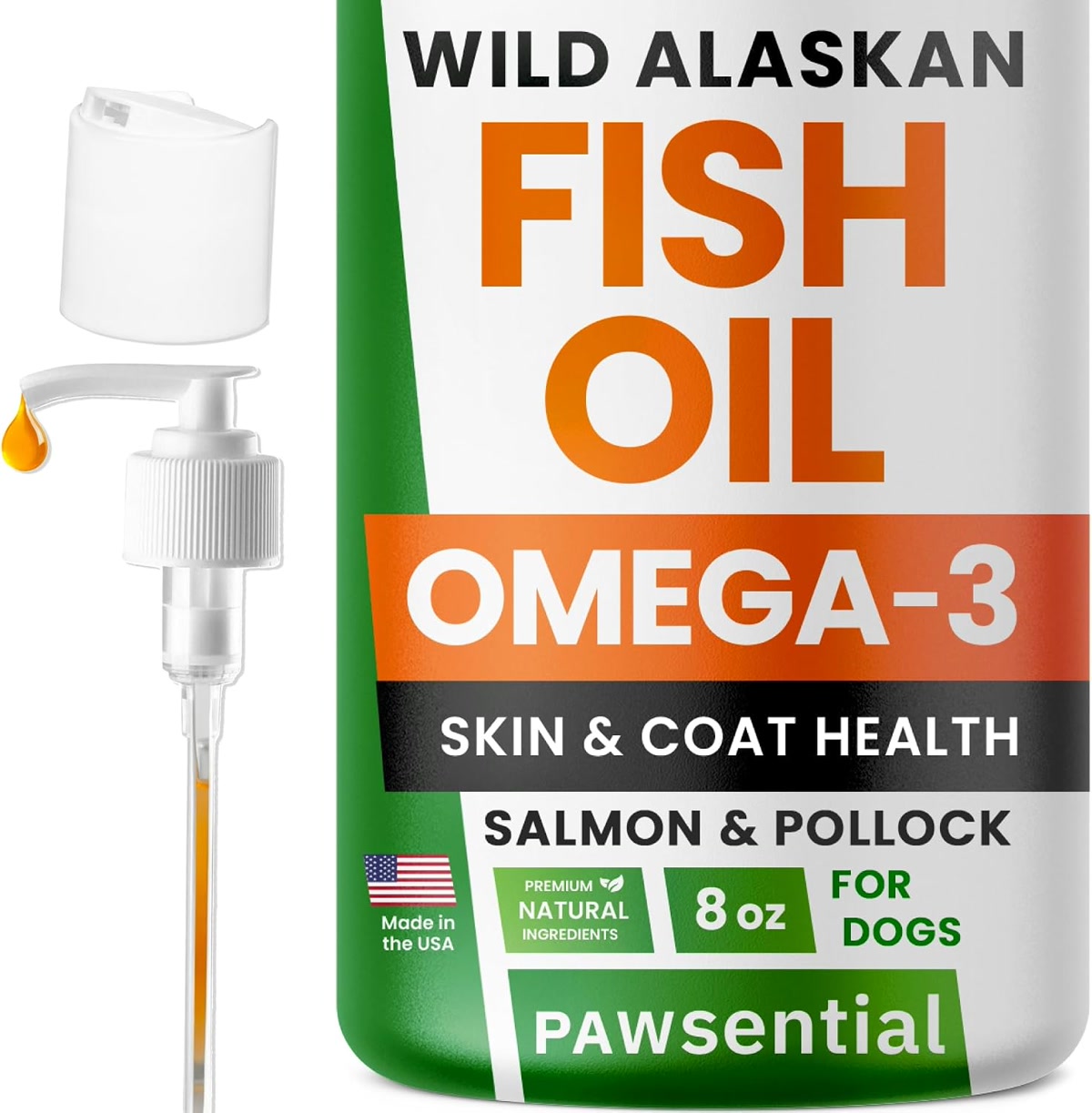
Treatment: Identify and remove the stressor if possible (new pet, moving, schedule changes, outdoor cats visible through windows). Use omega-3 salmon oil supplements (3-5 dollars/month) to support skin health during recovery. Feliway diffusers (15-25 dollars/month) release synthetic pheromones that reduce anxiety in many cats. Increase enrichment — interactive toys, puzzle feeders, vertical spaces (cat trees, shelves). See the indoor cat enrichment guide for budget enrichment ideas.
8. Sunburn and Skin Cancer
White cats and cats with white ear tips are at high risk for sunburn and squamous cell carcinoma (a type of skin cancer). The ear tips and nose are the most common sites. Sunburn starts as redness and scaling, then progresses to crusting sores that do not heal. Indoor-outdoor cats that sunbathe are at highest risk.
Treatment: Keep white cats indoors during peak sun hours (10am-4pm). Apply pet-safe sunscreen to ear tips and nose (12-15 dollars). Non-healing sores need immediate veterinary attention — early squamous cell carcinoma is treatable with cryotherapy or surgery. Advanced cases require radiation therapy.
Quick Symptom Reference
| Symptom | Likely Cause | Location |
|---|---|---|
| Itching + hair loss at base of tail | Flea allergy dermatitis | Base of tail, neck, belly |
| Itching + gastrointestinal signs | Food allergy | Face, ears, whole body |
| Seasonal itching, red skin | Environmental allergy (atopy) | Face, ears, belly, paws |
| Circular hair loss, scaly skin | Ringworm (fungal) | Anywhere, often face and paws |
| Head shaking, dark ear discharge | Ear mites | Ears |
| Flaky, scaly skin along back | Cheyletiella mites | Back and sides |
| Itching + crusting on ears and face | Notoedres mites (scabies) | Ears, face, neck |
| Black dots on chin | Acne | Chin |
| Hair loss on belly, normal skin | Stress overgrooming | Belly, inner thighs, flank |
| Crusty, non-healing sores on ear tips | Sunburn or skin cancer | Ear tips, nose (white cats) |
The Budget Diagnostic Protocol
If your cat has a skin problem, work through these steps in order:
- Check for fleas — Free. Use a flea comb (2-3 dollars) and comb through the fur at the base of the tail. Look for flea dirt (black specks that turn red when wet on a paper towel — this is digested blood). Even if you do not see fleas, treat with Revolution Plus — a single flea bite can cause itching for 2-3 weeks in an allergic cat.
- Switch to non-plastic bowls — 3-5 dollars. If the problem is chin acne, this alone may resolve it.
- Try an antihistamine — 2-5 dollars. Chlorpheniramine (2mg every 12-24 hours) or cetirizine (5mg daily). If the itching improves, the cause is likely environmental allergy.
- Start a food trial — 0-10 dollars/month extra. If antihistamines do not help and fleas are ruled out, switch to Hill’s z/d or Royal Canin Hydrolyzed for 8 weeks.
- Apply monthly Revolution — 10-15 dollars. Treats fleas, ear mites, Cheyletiella, and Notoedres. If the skin improves after 2-3 doses, the cause was parasites.
- See the vet — 40-80 dollars. If none of the above work, the vet will do a skin scraping (checks for mites, 15-30 dollars), fungal culture (checks for ringworm, 15-30 dollars), and possibly blood work (checks for systemic disease, 80-150 dollars).
When Skin Problems Indicate Serious Disease
Skin problems can be the first sign of internal disease:
- Hyperthyroidism — Overactive thyroid causes a greasy, matted coat and hair loss.
- Kidney disease — Causes a dull, dry coat and poor grooming.
- Diabetes — Causes thin, dry skin and poor coat.
- Allergies leading to asthma — Cats with environmental allergies are more likely to develop feline asthma. Watch for coughing and wheezing.
- Skin cancer — Non-healing sores, especially on white ear tips or the nose. See the vet immediately.
- Autoimmune disease — Rare in cats, but pemphigus foliaceus causes crusted sores on the ears, face, and paw pads. Diagnosed with biopsy. Treatment: steroids (5-15 dollars/month).
The Monthly Cost Breakdown
| Component | Monthly Cost |
|---|---|
| Flea prevention (Revolution Plus) | 10-15 dollars |
| Antihistamine (chlorpheniramine) | 2-4 dollars |
| Omega-3 fish oil (salmon oil) | 3-5 dollars |
| Dental/treats (for overall health) | 3-5 dollars |
| Feliway (for stress-related skin issues) | 15-25 dollars |
| Hydrolyzed diet (for food allergies) | 0-10 dollars extra |
| Stainless steel bowls (one-time) | 3-5 dollars |
The Bottom Line
Cat skin problems are treatable for under 15 dollars when you identify the cause. Work through the budget diagnostic protocol: first check for fleas with a flea comb (2-3 dollars) and apply monthly Revolution Plus (10-15 dollars — treats fleas, ear mites, and other parasites), switch from plastic to stainless steel or ceramic bowls (3-5 dollars — resolves chin acne), try an antihistamine like chlorpheniramine (2-4 dollars/month — if it works, the cause is environmental allergy), start an 8-week food trial with Hill’s z/d (0-10 dollars/month extra — if it works, the cause is food allergy), and see the vet (40-80 dollars) if none of these work. The 8 common causes: flea allergy dermatitis (most common — one bite causes 2-3 weeks of itching), food allergies (chicken, fish, beef, dairy — 8-week elimination diet), environmental allergies (seasonal or year-round — antihistamines at 2-5 dollars + omega-3 salmon oil at 3-5 dollars + air purifier), ringworm (circular hair loss — miconazole cream at 5-10 dollars for 2-4 weeks, contagious to humans), mites (Revolution kills most — 10-15 dollars/month for 2-3 doses), chin acne (switch to non-plastic bowls at 3-5 dollars + daily cleaning), stress overgrooming (Feliway at 15-25 dollars + enrichment + identify stressor), and sunburn/skin cancer (keep white cats indoors 10am-4pm + pet sunscreen at 12-15 dollars — non-healing sores on ear tips need vet). Skin problems can indicate serious internal disease: hyperthyroidism (greasy coat, hair loss), kidney disease (dull coat, poor grooming), diabetes (thin skin, poor coat), and skin cancer (non-healing sores on white ear tips). The 10-dollar monthly flea prevention + 3-dollar flea comb + 2-dollar antihistamine resolve most cat skin problems — the 80-dollar blood test catches the serious underlying diseases.
Last updated: July 2026 | By ThriftyPaw | Prices and availability subject to change
As an Amazon Associate, ThriftyPaw earns from qualifying purchases. This post contains affiliate links that help us keep bringing you budget-friendly pet care tips.
My take: The diagnostic is the value: the same scratching covers eight causes from $6 to $60 a month to treat. Rule fleas out first (groomers hide the evidence), and check for ringworm before the household spread — the $15 budget ceiling only holds with the right cause identified.
Related guides
- Dog Dental Care at Home: Complete Routine Under 8 Dollars Per Month
- Indoor Cat Enrichment on a Budget: Complete Guide Under 15 Dollars Per Month
- 7 Budget Dog Fence Options That Cost Less Than You Think
- Dog Bloat Prevention and Emergency Guide: Free Steps That Save Lives
- One 25 Dollar Roller Deleted an 83 Dollar Year of Pet Hair.
🐾 Get Your Free Big Dog First Aid Kit Checklist
Join our newsletter and get this free printable plus weekly tips.
Frequently Asked Questions
Why is my cat scratching and losing hair?
The eight-cause differential, in likely order: flea allergy dermatitis (most common — and cats are groomers, so you may never see the flea), food allergies, environmental atopy, ringworm (contagious to humans — the $6 miconazole cream for localized, the $8-15 lime sulfur dips for widespread), mites, chin acne, stress overgrooming, and sunburn on light ears. Same symptoms, ten different treatments — the cause determines the $15 fix.
How do I treat my cat's skin problem on a budget?
Match to cause: flea allergy gets the monthly topical (Revolution Plus $15, Advantage Multi $12) plus the home spray with growth regulator ($10); food allergy gets the 8-week hydrolyzed trial; atopy gets the $40-80 HEPA purifier and the $2-4 chlorpheniramine antihistamine; ringworm gets the $6 cream. The $15 ceiling holds for most cases — with the right diagnosis.
When does cat skin trouble need the vet?
When the $15 tier fails after 2-3 weeks, when ringworm is suspected in a multi-pet or child household (zoonotic, and the $15-30 fungal culture confirms), and when the psychogenic overgrooming is severe — that's the anxiety workup. The pattern diagnosis first, the vet for what the pattern can't resolve.
Liked this guide? Get the next one in your inbox — the pet budget checklist is free too.
✓ You're in — check your inbox.
No spam. Unsubscribe anytime. We never share your email.
Price Check
Prices verified via our product tracker. Updated Sep 27.
| Revolution Plus (selamectin and sarolaner Topical Solution | $75.18 | 4.8★ |
| Advantage II Large Cat Topical Flea Treatment & Prevention | $51.92 | 4.5★ (81,163) |
| Sergeants Household Flea & Tick Spray - Kills fleas, ticks | $19.99 | 4.2★ (2,025) |
| Hill's Prescription Diet z/d Skin/Food Sensitivities Dry D | $135.99 | 4.6★ (1,993) |
| ROYAL CANIN Veterinary Diet Canine Hydrolyzed Protein Adul | $142.99 | 4.5★ (515) |
| MAJOR 4 Mg Allergy Tablets - Chlorpheniramine Maleate 4-Ho | $9.92 | 4.7★ (1,023) |
| Zesty Paws Salmon Oil for Dogs & Cats - Omega 3 for Dogs 8 | $35.00 | 4.5★ (70,360) |
| Globe Miconazole Nitrate 2% Antifungal Cream, 4 oz Tube, 2 | $9.99 | 4.6★ (446) |
As an Amazon Associate we earn from qualifying purchases.