This article contains affiliate links. We may earn a commission from qualifying purchases.
Some content on this site is AI-assisted and reviewed by our editorial team.
Dog dehydration is a silent killer — by the time most owners notice it, their dog has already lost 5-8 percent of body water, and organ damage is beginning. A dog can survive 5-7 days without food, but only 2-3 days without water. Dehydration happens faster than you think: a dog left without water for 6 hours on a hot day, a dog with vomiting or diarrhea, or a dog that refuses to drink because of illness can become dangerously dehydrated within 12 hours. The good news: recognizing dehydration costs nothing, and the 5-minute skin tent test tells you exactly when to act. This guide covers how to recognize dehydration, the home treatment protocol, how to get a sick dog to drink, and when dehydration is an emergency.
Why Dogs Dehydrate Faster Than Humans
Dogs are 60 percent water (humans are 55-60 percent). They lose water through panting (the primary cooling mechanism), urination, defecation, and evaporation from the skin. Dogs do not sweat significantly, but they lose large amounts of water through panting — a panting dog can lose 100-200 ml of water per hour.
Factors that increase dehydration risk:
- Hot weather — Panting increases dramatically in heat
- Exercise — Active dogs lose water through increased panting
- Vomiting or diarrhea — Rapid fluid loss from both ends
- Fever — Increased body temperature increases evaporation
- Not eating — Dogs get 10-20 percent of daily water from food
- Kidney disease — Inability to concentrate urine, excessive urination
- Diabetes — Excessive urination (sugar in urine pulls water with it)
- Pregnancy and nursing — Increased fluid demands
- Age — Senior dogs have reduced thirst response and kidney function
- Small dogs — Higher surface-area-to-volume ratio means faster water loss
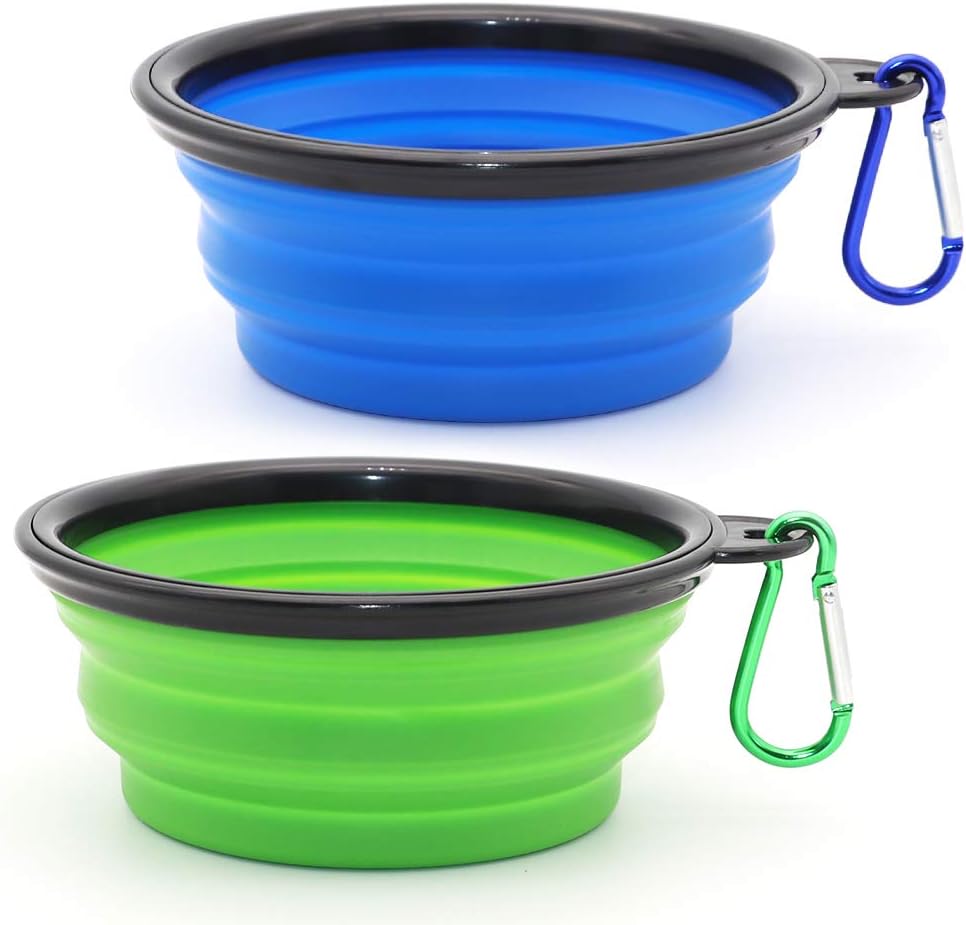
A SLSON Collapsible Dog Bowl 2-Pack — about $7 — clips to your leash or backpack so water is always within reach on hot days and long walks.
The 5-Minute Dehydration Check (Free)
Three simple tests tell you if your dog is dehydrated. Do all three — they take 5 minutes total:
Test 1: Skin Tent Test (Most Reliable)
Pinch the skin on the back of your dog’s neck (between the shoulder blades) and lift it straight up, then release:
- Well-hydrated: The skin snaps back immediately (under 1 second)
- Mild dehydration (5-6% water loss): The skin takes 2-3 seconds to return to normal
- Moderate dehydration (7-8% water loss): The skin stays tented for several seconds, then slowly returns
- Severe dehydration (10%+ water loss): The skin stays tented and does not return — emergency
Practice this test when your dog is healthy so you know what “normal” feels like. The skin should snap back like a rubber band.
Test 2: Gum Check
Lift your dog’s lip and press a finger on the gum (the pink tissue above the teeth). Press firmly, then release:
- Well-hydrated: Gums are pink and moist. When you press, the area turns white, then returns to pink within 1-2 seconds (capillary refill time).
- Mild dehydration: Gums feel slightly dry or tacky. Capillary refill time is 2-3 seconds.
- Moderate dehydration: Gums are dry and sticky. Capillary refill time is over 3 seconds.
- Severe dehydration: Gums are very dry, pale, or white. Capillary refill time is over 4 seconds or absent — emergency.
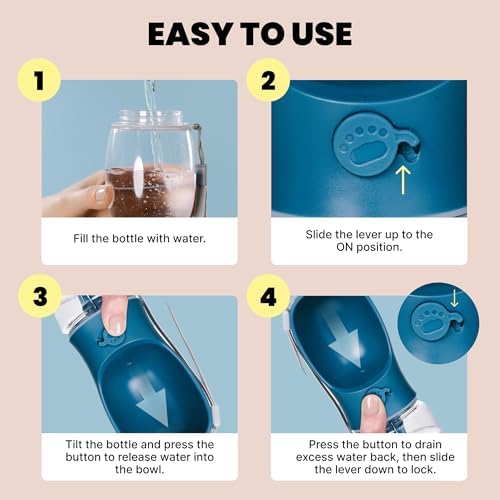
A MalsiPree Dog Water Bottle Dispenser — about $15 — combines a water bottle and drinking bowl in one leak-proof unit, making it easy to offer water during walks and check your dog’s hydration on the go.
Test 3: Eye Check
Look at your dog’s eyes:
- Well-hydrated: Eyes are bright and moist
- Moderate dehydration: Eyes appear slightly sunken or dull
- Severe dehydration: Eyes are noticeably sunken — the tissue around the eye has shrunk from fluid loss — emergency
Other Signs of Dehydration
- Lethargy or weakness
- Panting more than normal
- Dry nose (not always reliable — dogs’ noses are normally dry when sleeping)
- Thick, ropey saliva
- Dark yellow or orange urine
- Reduced urine output (your dog is urinating less frequently or smaller amounts)
- Loss of appetite
- Elevated heart rate (place hand on chest behind left elbow)
The Dehydration Severity Guide
| Severity | Water Loss | Signs | Action |
|---|---|---|---|
| Mild | 5-6% | Skin takes 2-3 sec to return, slightly dry gums, normal behavior | Offer water, monitor closely |
| Moderate | 7-8% | Skin takes 3+ sec, dry/sticky gums, sunken eyes, lethargy | Offer water, call vet for same-day appointment |
| Severe | 10%+ | Skin stays tented, very dry gums, sunken eyes, weak, cannot stand | Emergency — go to vet immediately for IV fluids |
Home Treatment for Mild Dehydration (Free to 3 Dollars)
If your dog is mildly dehydrated (skin takes 2-3 seconds to return, but your dog is otherwise acting normally):
1. Offer Fresh Water Immediately
Provide cool, fresh water. Do not force your dog to drink — let them drink at their own pace. Offer small amounts (1/4 to 1/2 cup at a time for a medium dog) every 15-30 minutes rather than a full bowl at once, which can cause vomiting if the dog drinks too fast.
2. Add Flavor to the Water (1-2 Dollars)
If your dog refuses plain water, make it more appealing:
- Low-sodium chicken broth — Add 2-3 tablespoons to the water bowl. The flavor and salt encourage drinking. 1-2 dollars for a carton.
- Tuna water — Drain the liquid from a can of tuna (in water, not oil) and add it to the water bowl. The fish flavor encourages many dogs to drink.
- Ice chips — Some dogs prefer licking ice chips over drinking water. Offer a few ice chips in the bowl.
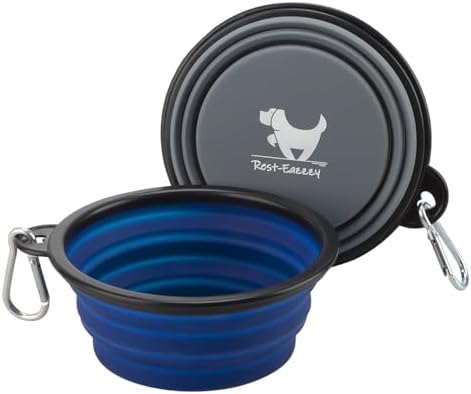
For travel and walks, a Rest-Eazzzy Silicone Collapsible Dog Bowl 2-Pack — about $10 — folds flat and clips to a leash so you can offer flavored water or plain water anywhere.
3. Ice Chips
Offer ice chips one at a time. Some dogs prefer the texture and temperature of ice over liquid water. Ice chips also slow intake, reducing the risk of vomiting from drinking too fast.
4. Electrolyte Solution (3-5 Dollars)
If your dog is refusing water or only drinking small amounts, an electrolyte solution helps restore lost minerals:
- 1 cup water + 1/2 teaspoon salt + 1 teaspoon sugar or honey
- Or: 1 cup water + 1/4 teaspoon salt + 2 tablespoons plain yogurt (for potassium)
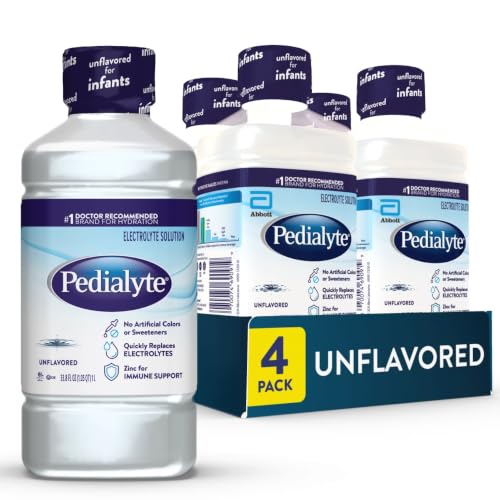
Offer small amounts every 15-30 minutes. Alternatively, unflavored Pedialyte Electrolyte Solution — about $7 for a 4-pack — is safe for dogs and provides balanced electrolytes. Give 2-4 tablespoons per 10 pounds of body weight per hour.
5. Offer Wet Food or Water-Soaked Kibble
Dogs get 10-20 percent of daily water from food. Wet food (canned dog food) is 70-80 percent water. Soak dry kibble in warm water for 10 minutes before serving — this adds significant fluid and is easier on a sick dog’s stomach.
How to Get a Sick Dog to Drink (Free)
Dogs that feel sick (from illness, infection, or after surgery) often refuse water. Try these techniques:
- Syringe or turkey baster — Use a plastic syringe (without needle) or turkey baster to gently place water in the cheek pouch (between the teeth and cheek). Give 5-10 ml at a time, let your dog swallow, then repeat. Do not squirt water into the back of the throat — this causes aspiration.
- Hand-feeding water — Cup water in your hand and let your dog lap it up. Some dogs will drink from their owner’s hand when they refuse a bowl.
- Different bowl — Try a different bowl material (ceramic instead of plastic, or stainless steel). Some dogs dislike plastic bowls.
- Raise the bowl — Senior dogs with arthritis may not drink because bending down hurts. Place the water bowl on a low stand or step.
- Multiple water stations — Place water bowls in multiple locations so your dog does not have to walk far to drink.
- Drip from your fingers — Wet your fingers and let your dog lick the water off. Slowly move your hand toward the water bowl.
When Dehydration Is an Emergency
Go to the vet or emergency clinic immediately if:
- Skin stays tented and does not return to normal after being pinched
- Gums are very dry, pale, or white — or capillary refill time is over 4 seconds
- Eyes are noticeably sunken
- Your dog cannot stand or is very weak
- Your dog is vomiting and cannot keep any water down — dehydration will worsen rapidly
- Your dog has diarrhea AND vomiting — double fluid loss
- Your dog has not urinated in 12+ hours — indicates severe dehydration or kidney problem
- Your dog has a fever (above 103 degrees F) along with dehydration signs
- Your dog is a puppy under 6 months — puppies dehydrate dangerously fast
- Your dog is a senior or has kidney disease, diabetes, or other health conditions
- Your dog has been without water for 12+ hours (or 6+ hours in hot weather)
At the vet, dehydration is treated with IV (intravenous) fluids — the fastest and most effective method. A typical IV fluid treatment costs 50-150 dollars and takes 2-6 hours. The dog is hospitalized during treatment and sent home once hydration is restored. For severe dehydration, hospitalization may be needed for 1-2 days (500-1,500 dollars).
How Much Water Does Your Dog Need Per Day?
The general rule: dogs need 1 ounce of water per pound of body weight per day. This includes water in food.
| Dog Weight | Daily Water Need | Approximate Cups |
|---|---|---|
| 10 lbs | 10 oz | 1.25 cups |
| 20 lbs | 20 oz | 2.5 cups |
| 30 lbs | 30 oz | 3.75 cups |
| 40 lbs | 40 oz | 5 cups |
| 50 lbs | 50 oz | 6.25 cups |
| 60 lbs | 60 oz | 7.5 cups |
| 70 lbs | 70 oz | 8.75 cups |
| 80 lbs | 80 oz | 10 cups |
| 100 lbs | 100 oz | 12.5 cups |
Water needs increase with:
- Hot weather (increase by 50-100 percent)
- Exercise (increase by 50 percent for active sessions)
- Dry food diet (wet food provides more water — dry food dogs need more drinking water)
- Pregnancy and nursing
- Fever or illness
Preventing Dehydration (Free)
- Provide fresh water at all times — Change water daily. Dogs drink more when water is clean and fresh.
- Multiple water bowls — Place water in 2-3 locations, especially for senior dogs and multi-dog households.
- Carry water on walks — Use a collapsible travel bowl — about $7 — and offer water every 20-30 minutes during walks, especially in warm weather.
- Never restrict water access — Even if your dog is house-soiling, do not restrict water. Restricting water causes dehydration and does not solve the house-soiling problem.
- Add water to dry food — Soaking kibble adds 1/2 to 1 cup of water per meal.
- Monitor intake — Note how much water your dog drinks normally so you can recognize when intake drops.
- Check hydration weekly — Do the skin tent test once a week so you know what “normal” feels like for your dog.
- Provide shade outdoors — Dogs outdoors in heat need shade and water at all times.
- Never leave your dog in a parked car — A car at 70 degrees reaches 104 degrees in 30 minutes, causing rapid dehydration and heatstroke.
The Bottom Line
Dog dehydration is recognized with a free 5-minute check: pinch the skin on the neck (should snap back in under 1 second if hydrated), press on the gums (should return to pink within 1-2 seconds), and check the eyes (should be bright, not sunken). Mild dehydration (skin takes 2-3 seconds to return) is treated at home: offer small amounts of fresh water every 15-30 minutes, add chicken broth or tuna water for flavor (1-2 dollars), offer ice chips, make an electrolyte solution (1 cup water + 1/2 tsp salt + 1 tsp sugar, or use Pedialyte at about $7), and offer wet food or water-soaked kibble. Dogs need 1 ounce of water per pound per day — a 50-pound dog needs 50 oz (6.25 cups) daily, increasing by 50-100 percent in hot weather. Go to the emergency vet if: skin stays tented and does not return, gums are very dry or pale, eyes are sunken, your dog cannot stand, vomiting prevents keeping water down, or no urination in 12+ hours. IV fluids at the vet cost 50-150 dollars and restore hydration in 2-6 hours. Prevent dehydration with fresh water available at all times, multiple bowls in the home, a collapsible travel bowl for about $7, and never restricting water access. The 5-minute skin tent test and a 7-dollar travel bowl prevent the 150-1,500 dollar vet bill and keep your dog’s organs functioning normally.
Last updated: July 2026 | By ThriftyPaw | Prices and availability subject to change
ThriftyPaw is reader-supported. As an Amazon Associate, we earn from qualifying purchases. This comes at no extra cost to you — we only recommend products we believe in for your pet.
🐾 Get Your Free Big Dog First Aid Kit Checklist
Join our newsletter and get this free printable plus weekly tips.