
This article contains affiliate links. We may earn a commission from qualifying purchases.
Some content on this site is AI-assisted and reviewed by our editorial team.
Proper hydration is critical for dogs in summer. Dogs lose water through panting, urination, and paw pad sweating. A dog that is 5 percent dehydrated loses 25 percent of cooling efficiency and becomes lethargic. At 10 percent dehydration, organs begin to fail. Yet many dogs do not drink enough voluntarily — they are distracted, the water is warm, or they simply forget. This guide covers how much water your dog needs, how to encourage drinking, and budget products (all under 20 dollars) that keep water fresh and accessible.
How Much Water Does Your Dog Need?
The general rule: dogs need 1 ounce of water per pound of body weight per day. A 50-pound dog needs 50 ounces (about 6 cups) daily. This increases with:
- Exercise — add 50-100 percent for active days
- Heat — add 30-50 percent on days above 85 degrees
- Dry food diet — add 20 percent (wet food is 70-80 percent water, kibble is 10 percent)
- Panting — heavy panting loses significant moisture
- Lactation or pregnancy — double the normal amount
| Dog Size | Daily Water (Indoor) | Daily Water (Hot/Active) |
|---|---|---|
| 10 lbs | 10 oz (1.25 cups) | 15-20 oz |
| 25 lbs | 25 oz (3 cups) | 38-50 oz |
| 50 lbs | 50 oz (6 cups) | 75-100 oz |
| 75 lbs | 75 oz (9 cups) | 113-150 oz |
| 100 lbs | 100 oz (12 cups) | 150-200 oz |
Signs of dehydration in dogs:
- Skin tent — pinch the skin between the shoulder blades, release. If it snaps back immediately, hydration is fine. If it takes 2+ seconds to flatten, the dog is dehydrated.
- Dry, sticky gums — healthy gums are wet and slick
- Sunken eyes
- Lethargy and weakness
- Dark yellow or orange urine
- Loss of appetite
10 Free Ways to Increase Your Dog’s Water Intake
1. Multiple Water Stations
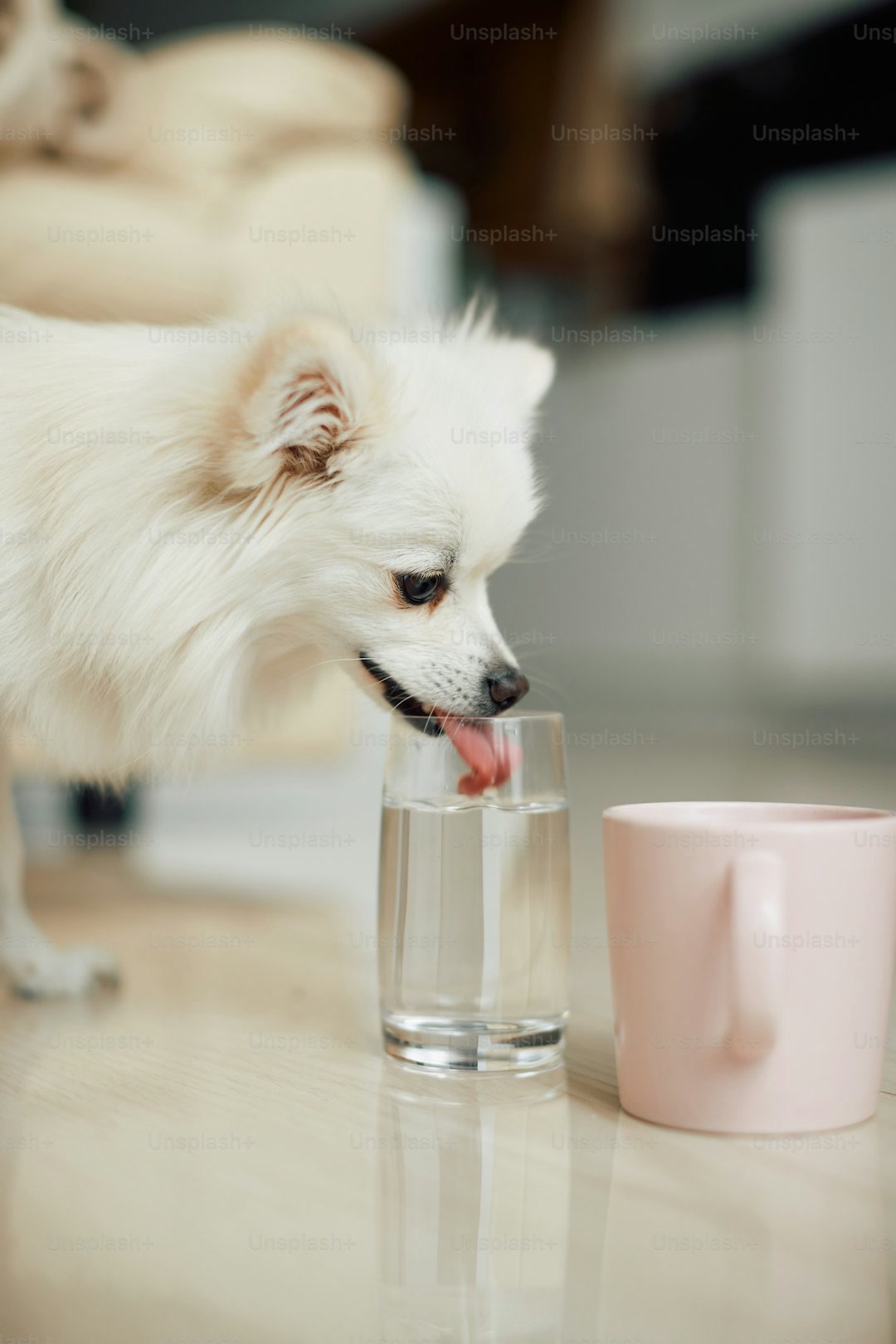
Place water bowls in every room your dog spends time in, plus one outside. Dogs drink more when water is readily available — if they have to walk across the house, they often skip it. Use bowls you already have. Cost: 0 dollars.
![The genuine Murray & Lanman Florida Water, the richest of all perfumes [front]](https://thriftypaw.com/wp-content/uploads/2026/07/fix-2713-1-resized.jpg)
2. Keep Water Cold
Dogs prefer cool water (50-60 degrees) over warm water. Add ice cubes to the bowl. On hot days, freeze a block of ice in a plastic container and float it in the water bowl — it melts slowly and keeps water cool for hours. Cost: 0 dollars.
3. Flavor the Water
Add a small amount of low-sodium chicken broth (2 tablespoons per quart of water) to encourage drinking. Most dogs love the flavor and will drink significantly more. Use unsalted broth or make your own by boiling chicken with no salt. Avoid bouillon cubes (high sodium). Cost: 1-2 dollars for a jar of low-sodium broth that lasts a week.
4. Wet Food or Water on Kibble
Adding water to dry kibble increases fluid intake significantly. Soak kibble in warm water for 10 minutes before serving — it expands, slows eating, and adds 1-2 cups of water per meal. Alternatively, mix in a spoonful of wet food. Cost: 0 dollars (you already have the kibble).
5. Frozen Water Bottles
Freeze water bottles and place them in your dog’s bed area. As they thaw, the cold water is appealing to lick. Some dogs will chew on the frozen bottle (supervise to prevent swallowing plastic). Cost: 0 dollars if you have empty water bottles.
6. Ice Cube Treats
Drop ice cubes on the floor as treats. Many dogs love catching and crunching ice. Each ice cube is a small but meaningful fluid intake. You can also freeze low-sodium broth in ice cube trays for “pupsicles.” Cost: 0 dollars.
7. Popsicle Time
Freeze water with a few blueberries or a piece of carrot in a Kong or ice cube tray. Your dog licks the ice to reach the treat, consuming water in the process. Cost: 0-1 dollar.
8. Offer Water After Exercise
Always offer water after walks, play sessions, and potty breaks. Make it a routine — every time you come inside, offer water. Dogs learn routines and will start expecting and drinking water at these times. Cost: 0 dollars.
9. Running Water Appeal
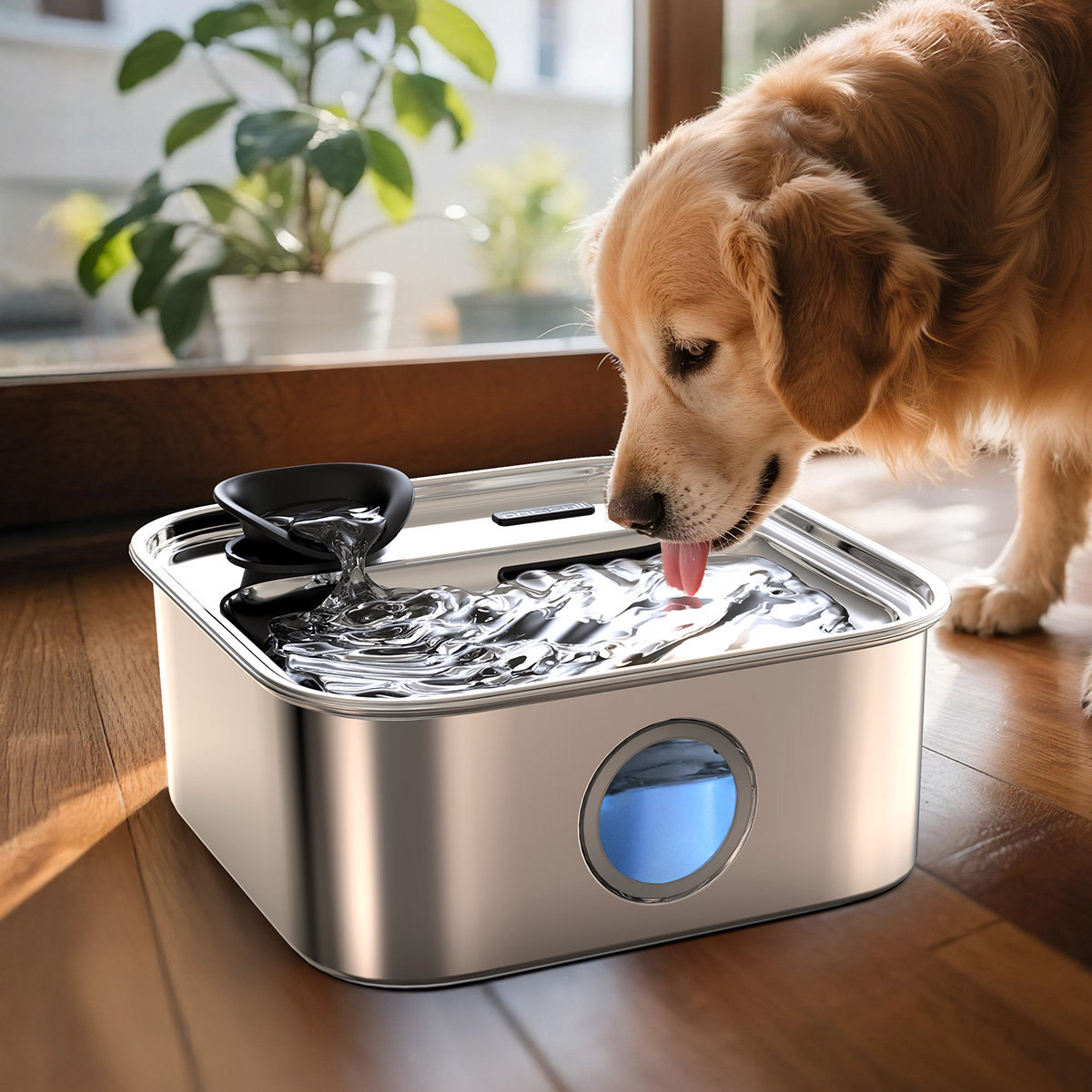
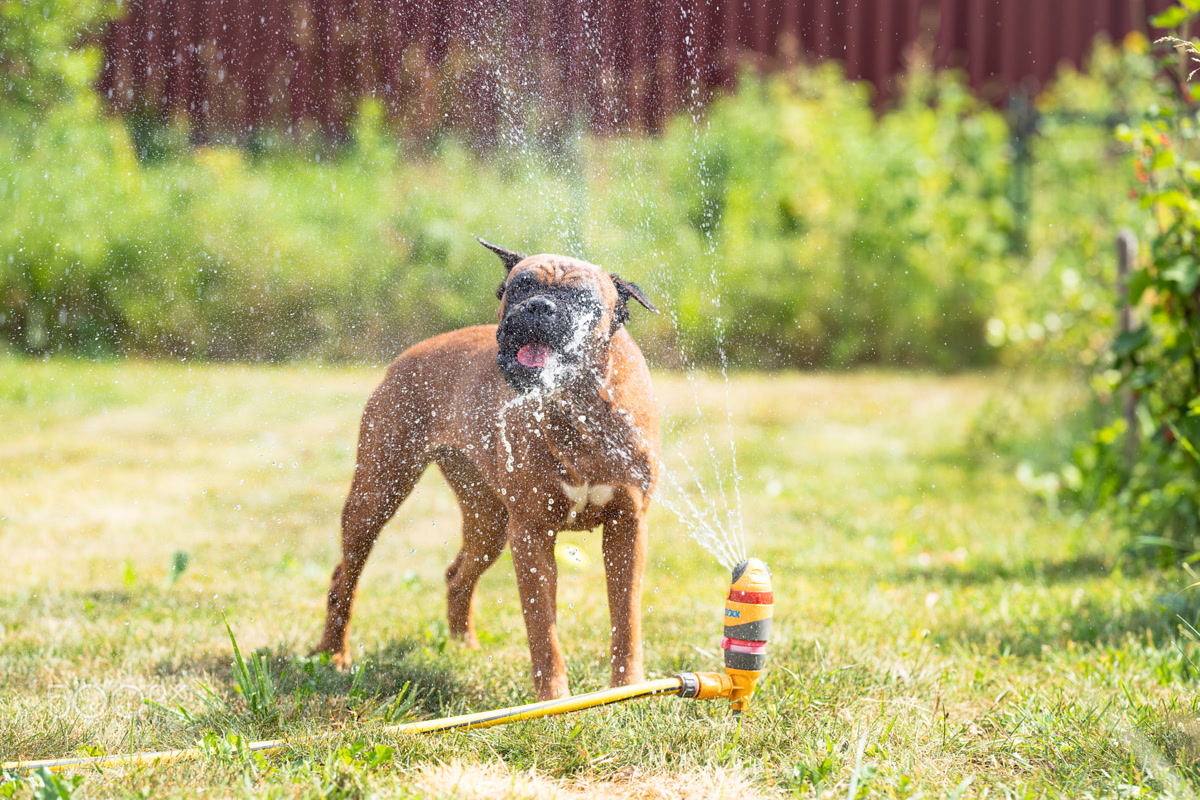
Many dogs prefer running water over still water. If you have a fountain (8-15 dollars, see below), use it. If not, turn on a faucet at a trickle and let your dog drink. Some dogs are drawn to running water and will drink much more from a tap than from a bowl. Cost: 0 dollars (minor water usage).
10. Time Your Water Offering
Dogs drink the most right after waking up, after eating, and after exercise. Offer water at these peak times when they are most motivated to drink. Do not just leave a bowl out and assume they will drink — actively offer the bowl at these key moments. Cost: 0 dollars.
Budget Hydration Products (All Under 20 Dollars)
1. Dog Water Fountains (15-25 Dollars)
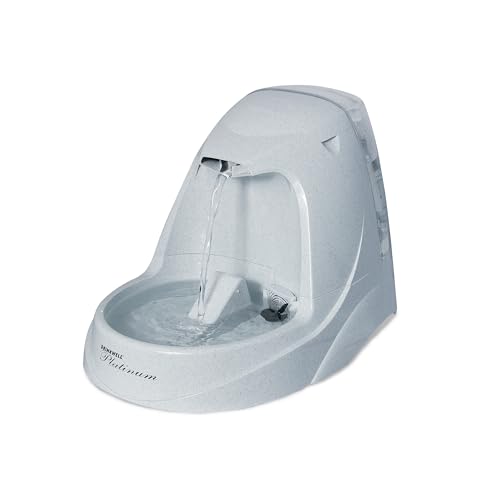
Circulating water fountains keep water fresh, filtered, and appealing. The sound and movement of running water encourages dogs to drink more. They are especially useful for dogs that ignore still water bowls.
| Product | Price | Capacity | Filter |
|---|---|---|---|
| PetSafe Drinkwell 360 | 20-25 dollars | 1 gallon | Yes (replace monthly) |
| Wonder Creature Fountain | 15-20 dollars | 2.5 liters | Yes (replace monthly) |
| Veken Pet Fountain | 15-20 dollars | 2.8 liters | Yes (replace monthly) |
Replacement filters cost 5-8 dollars for a pack of 4-6, lasting 4-6 months. The fountain itself pays for itself in increased hydration within the first month if your dog was previously under-drinking.
2. Travel Water Bottles (8-15 Dollars)
For walks, hikes, and trips, a travel water bottle with an attached bowl ensures your dog can drink on the go. Dogs that exercise in summer need water every 15-20 minutes — not just at the end of the walk.
| Product | Price | Capacity | Feature |
|---|---|---|---|
| MalsiPree Dog Water Bottle | 10-15 dollars | 12-19 oz | Fold-out bowl, one-way valve |
| LESOTC Travel Bottle | 8-12 dollars | 15-25 oz | Leak-proof, attached bowl |
| Pop-Dogg Water Bottle | 8-12 dollars | 20 oz | Simple squeeze-to-bowl design |
For large dogs or long hikes, carry a 1-liter Nalgene bottle and a collapsible silicone bowl (5-8 dollars) — cheaper and holds more water than branded dog bottles.
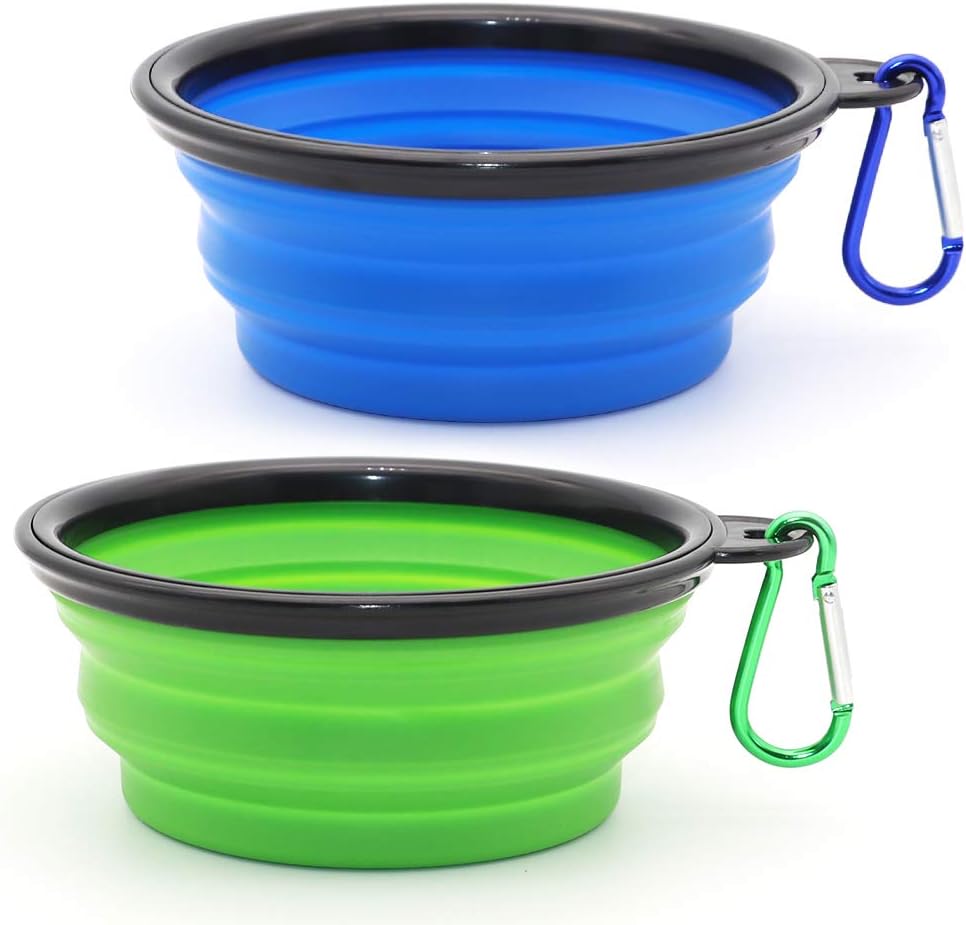
3. Collapsible Bowls (5-10 Dollars)
Silicone collapsible bowls fold flat and fit in a pocket. Use them at parks, on walks, or in the car. Keep one in your car, one in your backpack, and one by the door. Cost: 5-8 dollars each.
4. Cooling Water Bowls (8-15 Dollars)
Some bowls are designed to keep water cool. The Van Ness Insulated Bowl (8-12 dollars) has a double wall that slows warming. For DIY, freeze a water bottle and place it inside a larger bowl — the outer bowl stays cool for hours. Cost: 0-12 dollars.
5. Electrolyte Supplements (8-15 Dollars)
For dogs that exercise heavily in heat (running, hiking, agility), electrolyte supplements replace minerals lost through panting. Products like Petralyte (12-15 dollars) or VetriScience Electrolyte Plus (10-15 dollars) add to water. Do not give human Gatorade — the sugar and artificial ingredients are not ideal for dogs. Use dog-specific products or simply add a pinch of salt and a teaspoon of honey to water for a DIY electrolyte solution.
Summer Hydration Schedule (Free)
A structured hydration routine ensures your dog gets enough water without you constantly monitoring:
- Morning (6-8 AM): Fresh cold water in all bowls. Offer water immediately when your dog wakes up. This is when they are most thirsty.
- After morning walk: Offer water with ice cubes. Your dog is panting and will drink readily.
- Midday (12-2 PM): Refresh all bowls with cold water. Check and refill outside bowl.
- After afternoon activity: Offer water with a small amount of broth for encouragement.
- Evening (6-8 PM): Refresh water. Offer water after dinner (add water to kibble).
- Before bed: Fresh water in the bedroom bowl. Remove water 2 hours before bedtime for dogs that have nighttime accidents.
On hot days (above 90 degrees), add an extra water offering every 2 hours. Check outdoor water every hour — it heats up fast in direct sun.
When Hydration Is Not Enough (Heatstroke Risk)
Even well-hydrated dogs can develop heatstroke. Hydration helps but cannot override the physics of panting in extreme heat. If the air temperature is above your dog’s body temperature (101-102.5 degrees), no amount of water will prevent overheating. In these conditions:
- Keep your dog indoors with air conditioning
- Walk only before 8 AM or after 8 PM
- Use cooling mats and wet towels (see our cooling guide)
- Offer water constantly but do not rely on hydration alone
- Watch for heatstroke symptoms: heavy panting, weakness, vomiting, collapse
If your dog shows heatstroke symptoms, go to the vet immediately. Heatstroke costs 200-5,000 dollars to treat and can be fatal. Prevention is free.
Special Cases: Dogs That Need Extra Hydration
- Puppies — need more water per pound than adults. They dehydrate faster and are more vulnerable. Offer water every 2 hours.
- Senior dogs — kidney function declines with age, increasing water needs. Senior dogs may also have reduced thirst drive. Offer water frequently and add water to food.
- Dogs with kidney disease — need 50-100 percent more water than healthy dogs. Place water in every room and add water to every meal. Your vet may recommend subcutaneous fluids (10-15 dollars per session, administered at home).
- Dogs with diabetes — increased urination means increased water loss. Ensure constant access to water. See our diabetes cost management guide.
- Nursing mothers — milk production requires 2-3 times normal water intake. Provide unlimited access to fresh water.
The Bottom Line
Proper hydration is the cheapest health intervention available for your dog. The ten free strategies — multiple water stations, cold water, flavoring with broth, adding water to kibble, ice cube treats, and offering water at peak times — will increase your dog’s water intake without spending a dime. If you want to invest, a water fountain (15-25 dollars) and a travel bottle (8-15 dollars) are the only products worth buying. Know the signs of dehydration (skin tent, dry gums, lethargy) and the daily water requirement (1 ounce per pound of body weight). In extreme heat, hydration alone is not enough — keep your dog indoors, walk during cool hours, and watch for heatstroke. The 15 dollars you spend on a fountain is 185 dollars cheaper than a dehydration vet visit and infinitely cheaper than losing your dog to heatstroke.
Last updated: July 2026 | By ThriftyPaw | Prices and availability subject to change
Check Current Prices on Amazon
ThriftyPaw is reader-supported. As an Amazon Associate, we earn from qualifying purchases. This means we may earn a small commission when you buy through links on this site at no additional cost to you. We only recommend products we genuinely believe in. Thank you for supporting ThriftyPaw.
My take: Hydration is a free problem to solve — multiple stations, cold water, broth flavoring — with the $8-15 fountain as the only purchase that matters. Know the two numbers: an ounce per pound daily, and the 10% dehydration line where organs fail.
Related guides
- Budget-Friendly Dog Grooming at Home: Save Hundreds Without Cutting Corners
- Best Budget Cat Litter for 2026: Affordable Picks That Actually Work
- Raising a Puppy on a Budget — The First Year Survival Guide That Saves You Thousands
- Best Budget Dog Food for Large Breeds (Under 50 Dollars Per Bag — 2026)
- I Poured Water on Four Budget Training Pads So You Don't Have to Clean Up the Mess
🐾 Get Your Free Big Dog First Aid Kit Checklist
Join our newsletter and get this free printable plus weekly tips.
Frequently Asked Questions
How much water does my dog need in summer?
Roughly an ounce per pound of body weight daily, more in heat and exercise — and the stakes the guide frames: at 5% dehydration a dog loses 25% of cooling efficiency; at 10%, organs start failing. Dogs don't always drink voluntarily, so availability is the owner's job, not the dog's.
How do I get my dog to drink more water?
The free list: multiple water stations, keep it cold, flavor with low-sodium broth ($1-2 a jar), add water to kibble, and offer frozen bottles and pupsicles. The paid tier is small: a fountain at $8-15 makes water moving and interesting, which genuinely increases intake for picky drinkers.
What are the signs of dehydration in dogs?
Lethargy, dry tacky gums, and skin tenting (pinch the scruff — slow return means dehydration). Catch it early and it's a water-access fix; miss it in real heat and it's on the way to organ trouble. The $15 water bottle on every walk is the cheap insurance against the whole cascade.
Liked this guide? Get the next one in your inbox — the pet budget checklist is free too.
✓ You're in — check your inbox.
No spam. Unsubscribe anytime. We never share your email.