

This article contains affiliate links. We may earn a commission from qualifying purchases.
Some content on this site is AI-assisted and reviewed by our editorial team.
Every year, thousands of dogs are poisoned by common household items that their owners never suspected were dangerous. The ASPCA Animal Poison Control Center handles over 400,000 poisoning cases annually, and the average emergency vet visit for poisoning costs 300-1,500 dollars. Having pet insurance can cover most of that cost, and keeping a pet first aid kit on hand lets you stabilize your dog before transport. Many of these incidents are preventable if you know what to keep out of reach and what symptoms to watch for. This guide covers the most common household toxins, how to poison-proof your home for free, and what to do if your dog eats something toxic.
The Top 10 Household Foods That Poison Dogs
1. Xylitol (Sugar-Free Gum, Candy, Peanut Butter) — Extremely Toxic
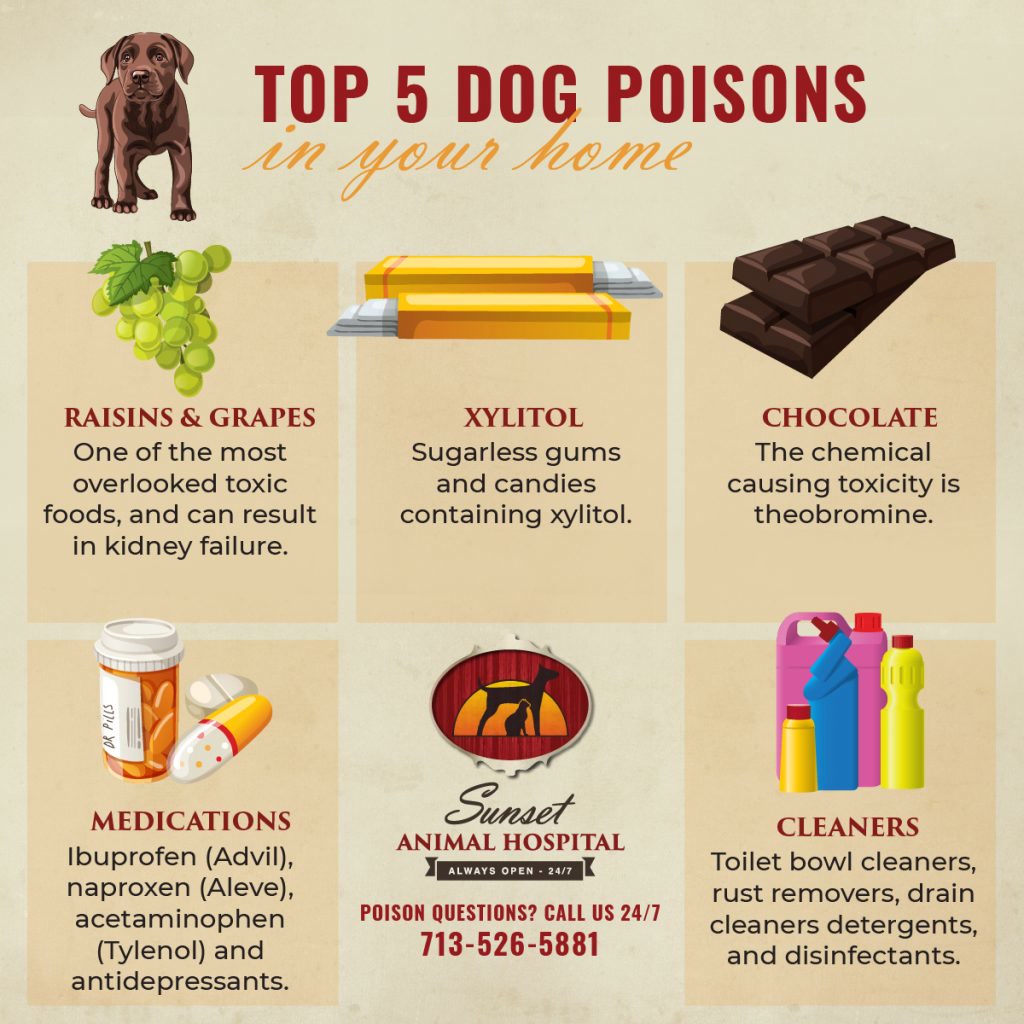
Xylitol is an artificial sweetener found in sugar-free gum, mints, candy, some peanut butters, and baked goods. It causes a massive insulin release in dogs, dropping blood sugar to dangerous levels within 30 minutes. Even a small amount (one or two pieces of gum) can be lethal for a small dog.
Symptoms: vomiting, weakness, stumbling, seizures, collapse, liver failure.
What to do: Go to an emergency vet immediately. Do not wait for symptoms. Bring the product packaging so the vet can confirm xylitol content.
Prevention: Check labels on sugar-free products. Keep gum and candy in closed cabinets, not in purses or on counters where dogs can reach them. Use peanut butter without xylitol (most major brands are safe, but always check).
2. Chocolate — Toxic Year-Round, Worse at Holidays
Chocolate contains theobromine, a compound dogs metabolize poorly. The darker the chocolate, the more toxic. Baker’s chocolate and dark chocolate are the most dangerous. Milk chocolate is less toxic but still harmful in quantity.
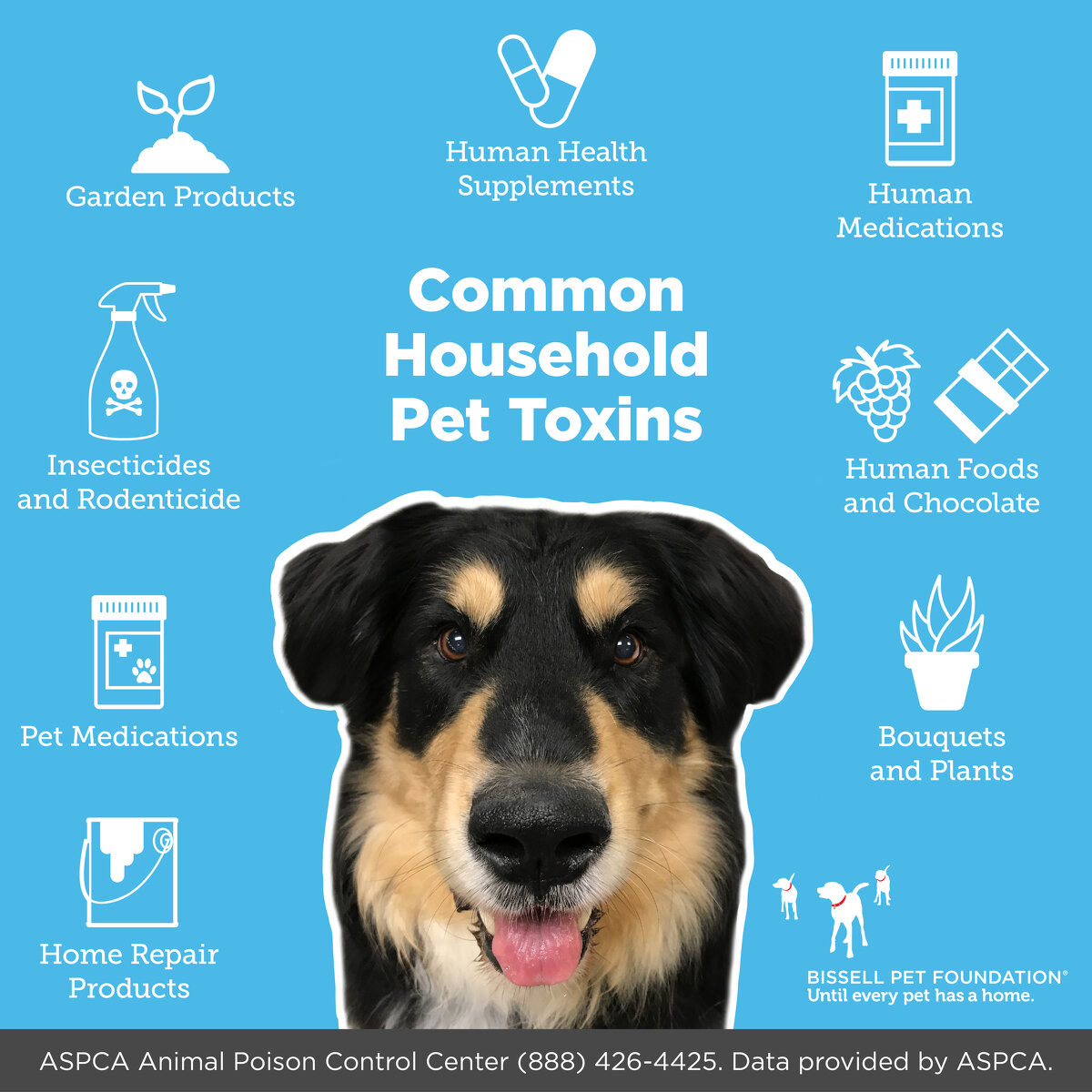
Toxic doses (approximate):
- Baker’s chocolate: 0.1 ounces per pound of body weight
- Dark chocolate: 0.25 ounces per pound
- Milk chocolate: 1 ounce per pound
A 50-pound dog would need to eat 50 ounces of milk chocolate (over 3 pounds) for a toxic dose, but only 5 ounces of baker’s chocolate (less than a standard baking bar).
Symptoms: vomiting, diarrhea, restlessness, rapid heart rate, tremors, seizures.
Prevention: Keep chocolate in closed cabinets. During holidays (Halloween, Christmas, Valentine’s Day), be extra vigilant — chocolate is everywhere and dogs will find it.
3. Grapes and Raisins — Kidney Failure
Grapes and raisins cause acute kidney failure in dogs. The toxic principle was unidentified for decades (recent research points to tartaric acid). The toxic dose varies dramatically between dogs — some dogs develop kidney failure after eating a single grape, while others eat handfuls with no effect. Do not assume your dog is safe because they ate grapes before without symptoms.
Symptoms: vomiting within 2-12 hours, then lethargy, increased thirst, decreased urination, kidney failure within 24-72 hours.
Prevention: Keep grapes and raisins off counters and tables. Do not give dogs grape juice, raisin bread, trail mix with raisins, or anything containing grapes. Warn children not to share grapes with the dog.

4. Onions, Garlic, and Chives — Red Blood Cell Damage
Onions, garlic, and chives (all members of the Allium family) damage red blood cells, causing anemia. The toxic dose is approximately 15-30 grams per kilogram of body weight, but concentrated forms (garlic powder, onion powder) are more toxic. Japanese breeds (Akitas, Shiba Inus) are more sensitive.
Symptoms: weakness, pale gums, elevated heart rate, red or brown urine, vomiting, diarrhea.
Prevention: Do not feed dogs table scraps containing onions or garlic. Keep onion and garlic powder in closed cabinets. Be careful with baby food (some contain onion powder).
5. Macadamia Nuts — Neurological Symptoms
Macadamia nuts cause weakness, especially in the hind legs, along with fever and tremors. The toxic dose is relatively low — approximately 2-3 nuts per pound of body weight. Symptoms appear within 12 hours and usually resolve within 24-48 hours with supportive care.
Symptoms: hind leg weakness, tremors, fever, vomiting, depression.
Prevention: Keep macadamia nuts and baked goods containing them in sealed containers. They are most commonly encountered during holidays in cookie gift baskets.
6. Alcohol — Dangerous in Small Amounts
Dogs are far more sensitive to alcohol than humans. Even small amounts of beer, wine, or spirits can cause dangerous drops in blood sugar, blood pressure, and body temperature. Dogs may also be attracted to fermented fruit or bread dough containing yeast.
Symptoms: stumbling, depression, slow breathing, low body temperature, seizures.
Prevention: Do not leave alcoholic beverages unattended. Clean up fermented fruit from the ground in your yard. Keep bread dough out of reach — yeast produces alcohol as it ferments.
7. Caffeine (Coffee, Tea, Energy Drinks)
Caffeine affects dogs similarly to theobromine (in chocolate) but is more potent. Coffee grounds, tea bags, and energy drinks are the most common sources. Dogs may dig through trash for coffee grounds.
Symptoms: restlessness, rapid breathing, heart palpitations, tremors, seizures.
Prevention: Keep coffee grounds and tea bags in sealed trash. Store energy drinks out of reach. Do not let dogs drink from cups left on low tables.
8. Avocado — Persin Toxicity
Avocado contains persin, which can cause vomiting and diarrhea in dogs. The pit is also a choking hazard and can cause intestinal blockage. While avocado is less toxic to dogs than to other animals (birds and horses are far more sensitive), it is still best avoided.

Prevention: Do not feed dogs guacamole or avocado. Dispose of avocado pits in a sealed trash can.
9. Bones That Splinter (Cooked Poultry, Pork, Fish)
While not technically a poison, cooked bones splinter and can puncture the digestive tract, causing life-threatening internal bleeding. This is one of the most common causes of emergency surgery in dogs (1,500-5,000 dollars).
Prevention: Do not feed cooked bones of any kind. Dispose of bones in sealed trash. Do not let dogs access the kitchen trash — use a trash can with a locking lid (15-25 dollars).
10. Raw Bread Dough (Yeast)
Raw bread dough containing yeast expands in the dog’s stomach, producing alcohol and gas. The expanding dough can cause the stomach to twist (gastric dilatation-volvulus), which is fatal without emergency surgery (3,000-5,000 dollars).
Prevention: Keep rising dough out of reach. Do not leave dough unattended on counters.
Household Plants That Are Toxic to Dogs
Many common houseplants and yard plants are toxic to dogs. The most dangerous include:
- Lilies — true lilies (Lilium species) are highly toxic to cats and moderately toxic to dogs, causing gastrointestinal upset and potentially kidney damage.
- Sago Palm — all parts are toxic, especially the seeds. Causes liver failure. One seed can kill a small dog.
- Tulip and Daffodil bulbs — bulbs contain the highest concentration of toxins. Cause vomiting, diarrhea, and heart abnormalities.
- Azalea and Rhododendron — cause vomiting, diarrhea, weakness, and potentially cardiac failure.
- Castor Bean — contains ricin, one of the most toxic natural substances. Causes severe vomiting, diarrhea, seizures, and organ failure.
- Oleander — all parts are toxic. Causes heart abnormalities, gastrointestinal distress, and potentially death.
Safe houseplants for dogs: spider plants, Boston ferns, African violets, prayer plants, and calatheas. If you want plants and have a dog, choose from these safe options.
Household Chemicals and Medications
Human Medications (The Number One Poisoning Source)
Human medications are the most common source of dog poisoning. Dogs eat pills dropped on the floor or chew through medication bottles left on nightstands.
- Ibuprofen (Advil, Motrin) — causes stomach ulcers and kidney failure. One 200mg pill can be toxic to a small dog.
- Acetaminophen (Tylenol) — causes liver damage and damage to red blood cells. Toxic at low doses.
- Antidepressants (SSRIs, SNRIs) — causes serotonin syndrome: agitation, rapid heart rate, tremors, seizures.
- ADHD medications (Adderall, Ritalin) — causes rapid heart rate, tremors, seizures, and hyperthermia.
- Naproxen (Aleve) — causes stomach ulcers and kidney failure. Very toxic to dogs.
Prevention (free): Keep all medications in closed cabinets, not on nightstands or counters. Pick up dropped pills immediately. Do not assume childproof containers will stop a dog — they chew through plastic.
Cleaning Products
Most cleaning products cause gastrointestinal upset if ingested but are not highly toxic in small amounts. The exceptions:
- Bleach — causes chemical burns to the mouth, esophagus, and stomach. Do not induce vomiting if bleach is ingested — it causes more damage coming back up.
- Drain cleaners (lye, sodium hydroxide) — severe chemical burns. Keep behind locked cabinet doors.
- Toilet bowl cleaners — keep toilet lids down if you use in-tank cleaners. Dogs drink from toilets.
- Antifreeze (ethylene glycol) — sweet-tasting and attractive to dogs. Causes fatal kidney failure within 12-24 hours. Even a tablespoon can kill a small dog. Clean up spills immediately and store in sealed containers.
Pesticides and Rodenticides
Rat poison is one of the most common causes of severe poisoning in dogs. It prevents blood clotting, causing internal bleeding that may not be noticeable for 3-5 days. By the time symptoms appear, the dog may need blood transfusions (500-1,500 dollars) and vitamin K therapy.
Snail and slug bait (metaldehyde) causes tremors and seizures within 1-3 hours. Organophosphate insecticides cause excessive salivation, vomiting, and seizures.
Prevention: Use pet-safe alternatives. For rodent control, use snap traps (5 dollars for a pack) instead of poison. For snails, use iron phosphate bait (Sluggo, 15 dollars) which is non-toxic to dogs. For insects, use diatomaceous earth (10 dollars for a large bag) instead of chemical sprays.
How to Poison-Proof Your Home (Free Checklist)
- Store all human medications in closed cabinets, not on counters or nightstands
- Keep chocolate, gum, and candy in sealed containers in high cabinets
- Store grapes, raisins, and macadamia nuts in the refrigerator or closed pantry
- Keep trash cans in cabinets or use cans with locking lids (15-25 dollars)
- Store cleaning products and antifreeze behind closed cabinet doors
- Remove toxic houseplants or place them out of reach (hanging planters work well)
- Check your yard for toxic plants (sago palm, oleander, azaleas) and remove or fence them off
- Keep rodenticides and insecticides out of reach or replace with pet-safe alternatives
- Do not leave alcoholic beverages or coffee cups on low tables
- Pick up dropped pills immediately — do not assume your dog will ignore them
What to Do If Your Dog Eats Something Toxic
Step 1: Assess the Situation
Try to determine what your dog ate, how much, and when. Bring the packaging or the remaining product with you to the vet. This information is critical for treatment.
Step 2: Call Poison Control
- ASPCA Animal Poison Control Center: (888) 426-4435. A 95-dollar consultation fee applies, but the toxicologists can tell you whether you need to rush to the vet and what to do in the meantime. This call can save you an unnecessary 500-dollar emergency visit or, conversely, save your dog’s life.
- Pet Poison Helpline: (855) 764-7661. A 75-dollar consultation fee. Another excellent resource with veterinary toxicologists.
Step 3: Do Not Induce Vomiting Without Professional Guidance
Inducing vomiting is dangerous if your dog ate something corrosive (bleach, drain cleaner) or a petroleum product. Vomiting these substances causes more damage to the esophagus. Only induce vomiting if a poison control professional or veterinarian tells you to.
If instructed to induce vomiting, use 3 percent hydrogen peroxide: 1 teaspoon per 10 pounds of body weight (maximum 3 tablespoons). Give it with a turkey baster or syringe to the back of the throat. Walk your dog around to stimulate vomiting. If no vomiting occurs within 15 minutes, repeat once. If still no vomiting, go to the vet.
Step 4: Go to the Emergency Vet If Directed
If poison control or your vet recommends emergency treatment, go immediately. Bring the product packaging, the estimated amount ingested, and the time of ingestion. Fast treatment is the difference between a 200-dollar vet visit and a 2,000-dollar ICU stay — or between recovery and loss of your dog.
The Bottom Line
Poisoning prevention is almost entirely free. The most important steps — storing medications in cabinets, keeping chocolate and gum out of reach, using locking trash cans, and choosing pet-safe pest control — cost nothing or under 25 dollars. The average poisoning emergency costs 300-1,500 dollars, and some toxins (xylitol, antifreeze, blue-green algae) can be fatal even with prompt treatment. Spend 30 minutes poison-proofing your home today. It is the cheapest, most effective way to protect your dog from a preventable tragedy.
Last updated: July 2026 | By ThriftyPaw | Prices and availability subject to change
ThriftyPaw is reader-supported. As an Amazon Associate, we earn from qualifying purchases. This means we may earn a small commission when you buy through links on this site at no additional cost to you. We only recommend products we genuinely believe in. Thank you for supporting ThriftyPaw.
🐾 Get Your Free Big Dog First Aid Kit Checklist
Join our newsletter and get this free printable plus weekly tips.