This article contains affiliate links. We may earn a commission from qualifying purchases.
Some content on this site is AI-assisted and reviewed by our editorial team.
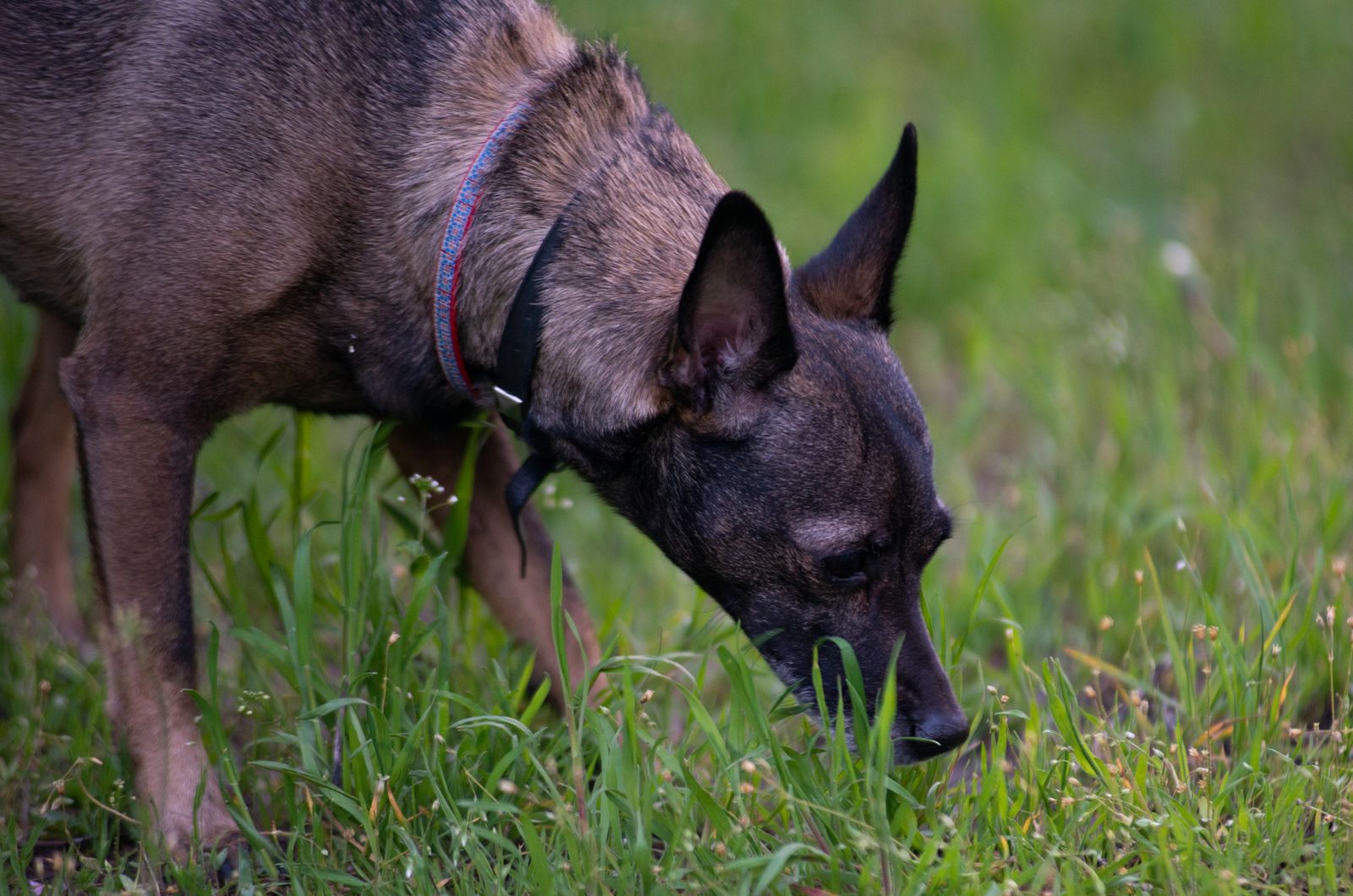
Last February my terrier mix, Junie, gutted a $45 memory-foam dog bed while I was on a forty-minute video call. She wasn’t hungry. It had rained for three days and the bed was the most complicated object in the room. The replacement cost another $45, and the trainer I texted afterward sent back the sentence that rearranged my budget: she needs mental work, not more physical exercise. So I priced puzzle toys, and sticker shock set in fast. The popular plastic ones run $25 to $60, and Junie solves most of them inside a week. That’s when the snuffle mat priced three ways comparison started — the store way, the upgrade way, and the free towel method nobody prices honestly.
I tracked costs and tested four options over six weeks. Here is what I found.
What Dog Boredom Was Costing Me First
Before any snuffle mat showed up, boredom was already a line item in my house, whether I admitted it or not:
- Destroyed beds and toys: roughly $90 a year — one gutted bed or toy every few months.
- Puzzle toys: $25 to $60 each, mastered in a week, so keeping three in rotation cost about $100 a year.
- Long-lasting chews: $8 to $15 each, twice a month — call it $250 a year.
Add it up and an under-stimulated dog was costing me about $440 a year. The snuffle-mat pitch is different because it runs on the kibble she already eats, so the food costs nothing extra. A $15 mat used once a day works out to about four cents a session over a year — the price of two lattes, once. That math is why I tested the whole category.
COIDEAL Fleece Snuffle Mat — The 15 Dollar Standard
The COIDEAL fleece snuffle mat is the one most people picture: hundreds of fleece strips tied through a non-slip grid base, about $15. You scatter kibble into the strips and the dog has to nose through them to find it. Ten minutes of sniffing visibly tires her out, and the rubberized backing keeps it from turning into a sled on the kitchen floor.
The math: $15, one session a day, about four cents a session for the first year. No moving parts to break. The honest con: fleece mats shed fibers, and if your dog is a digger rather than a sniffer, the strips go to pieces fast. Junie is a sniffer, so ours has held up for months; my sister’s terrier has destroyed every mat she’s been handed.
My take: This is the outright winner. Fifteen dollars buys ten minutes of genuine mental work every day, and nothing else here beats its cost per session.
Potaroma Snuffle Ball — The 12 Dollar Ball Upgrade
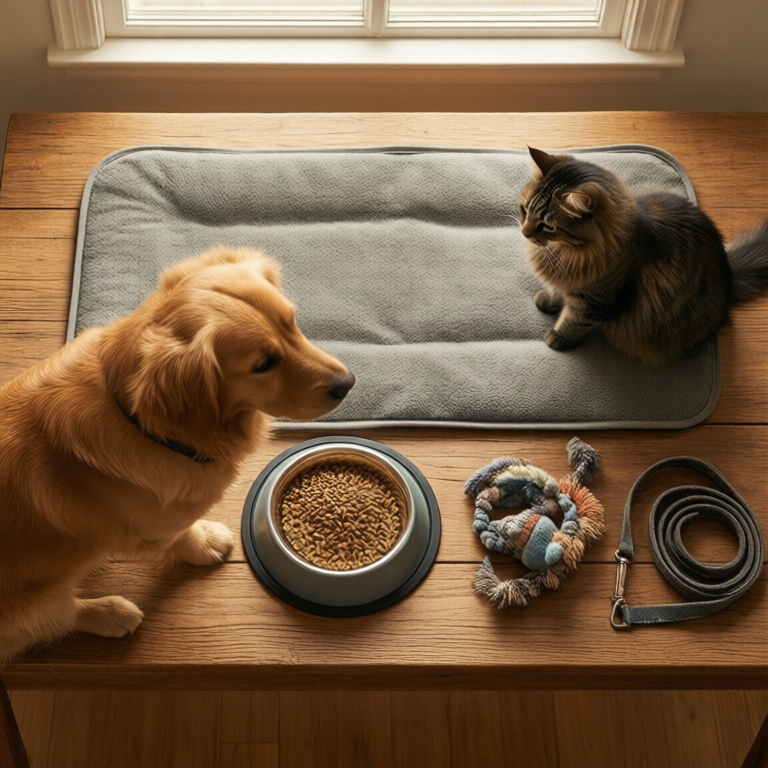
The Potaroma snuffle ball takes the fleece idea and rolls it into a ball, about $12. Kibble goes into the fabric folds, and because it rolls, the session travels — under the couch, into the hallway, and the whole room becomes the puzzle. Junie works the ball longer than any flat mat, probably because the reward keeps moving.
Per unit, $12 over a year of near-daily use is about three cents a session — technically cheaper than the mat. The honest con: it is much harder to clean than a flat mat. The folds hide kibble crumbs for weeks, and I found a rancid stash buried in one pleat after a month. You have to pick it apart and look, which no listing mentions.
My take: A great second enrichment toy, not a first one. Get the flat mat working first, then add the ball when the routine needs a change.
Lickimat Classic Slow Feeder Mat — The Licking Alternative, About $15
The Lickimat Classic is not really a snuffle mat — it trades sniffing for licking. It’s a textured silicone mat, about $15, that you spread with peanut butter or plain yogurt. Licking slows fast eaters, and it genuinely calms an anxious dog: I hand her one during nail trims and she forgets to fight me.
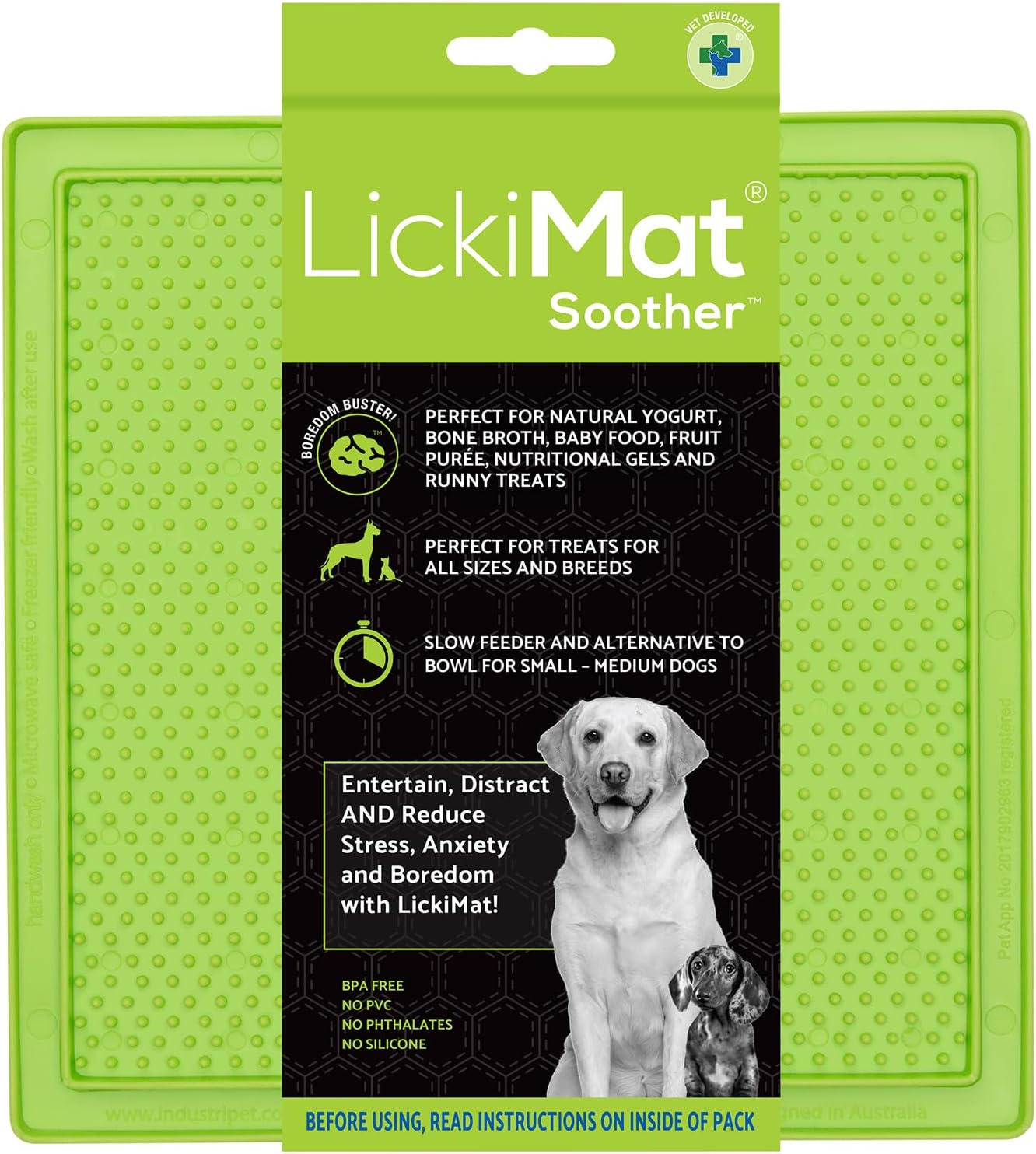
The math runs through the fridge: a $4 jar of peanut butter at a spoon a session adds about a nickel per use. The honest cons: the Classic has no suction cups, so it slides across the tile mid-lick, and power chewers treat it as a chew toy rather than a feeder — it will not survive one.
My take: Keep it as a calmer for nail trims, baths, and fireworks night. It complements a snuffle mat; it does not replace one.
The DIY Towel Roll — The Free Baseline
Before you spend anything: take a bath towel, scatter kibble across it, roll it up tight, and tuck a few pieces deep into the folds. That is the free snuffle mat, zero dollars. Junie works a rolled towel for a solid ten minutes, and it does about 80 percent of what the $15 store mat does — the honest control every snuffle-mat roundup should include and almost none does. It also goes straight into the washing machine, which no fleece mat survives.
The cons are real: a rolled towel is not non-slip, and it unravels straight into laundry day — I have pulled kibble crumbs from the dryer lint trap twice. And once a smart dog learns to flip the roll and dump it, the difficulty bottoms out in a way the fleece mat’s never does.
My take: If $15 genuinely matters this month, start here. If your dog ignores the towel roll or flattens it in two minutes, that is your sign the store mat is worth it.
One thing before you order: shipping quietly eats the savings on a $15 item. A free 30-day Amazon Prime trial gets it to your door in two days with free shipping, so the price on the page is the price you pay. I cancel in slow months and restart it when I need something.
Features That Actually Matter (And Ones That Don’t)
Six weeks of daily use separated the mats that get used from the ones that die in the closet:
- Non-slip backing — matters. A mat that skids frustrates the dog and gets abandoned within a week.
- Strip length and density — matter. Longer, denser strips hide kibble better and stretch a session past ten minutes. Sparse strips are solved in ninety seconds.
- Washability — matters. Slobber and crumbs are guaranteed. If cleaning it is a production, you will quietly stop using it.
- Brand names, colors, and premium labels — don’t matter. The difficulty comes from the folds, not the packaging. Above about $25 you are mostly paying for rubber backing and marketing.
- Organic and fancy-blend fabric claims — don’t matter. Your dog cannot tell the difference, and neither can your wallet.
The Annual Cost Comparison
- Before: destroyed beds plus a rotating pile of puzzle toys — about $190 a year in my house.
- After: one $15 fleece mat, one $12 snuffle ball, and the free towel roll — $27, once.
- Year one savings: about $163 after subtracting the $27 I spent.
- Year two and beyond: nearly the full $190 back, since both mats are still in rotation.
- Per-session cost: about four cents for the mat, three cents for the ball, zero for the towel.
The before number is what gets me: I was already paying for enrichment, just badly, and mostly in destroyed dog beds.
If you’re doing dog-cost math this month, I also priced out personalized dog Christmas stockings for $25 and under — the cheap embroidered one won — and looked back at my BarkBox subscription, where the math says one box a quarter wins.
ThriftyPaw is reader-supported. As an Amazon Associate, I earn from qualifying purchases. That means if you buy through one of the links above, I get a small commission at no extra cost to you. I only recommend products I’ve actually used with my own dog.
Related Guides
- Dog Travel Carriers, Priced by Airline Rules. The 75 Dollar Kennel Files the Paperwork.
- Dog Car Hammocks, Priced by Durability. The 30 Dollar One Survived Mud Season.
- Dog Stairs for a 30-Inch Mattress. The 60 Dollar Pair Holds a 200 Pound Dog.
🐾 Get Your Free Big Dog First Aid Kit Checklist
Join our newsletter and get this free printable plus weekly tips.
Frequently Asked Questions
Do snuffle mats actually tire dogs out?
Yes. Sniffing is mentally demanding work for dogs, and a 10-to-15-minute snuffle-mat session can tire a dog out as much as a 30-minute walk. It taps into their natural foraging instinct and is especially useful on rainy days, rest days after surgery, or for senior dogs who cannot handle long walks anymore.
How do you clean a fleece snuffle mat?
Shake out the kibble crumbs outside, then hand-wash in warm soapy water and air dry. Most fleece snuffle mats are not machine-washable, or the fleece strips tangle and mat in the machine. A rubber-backed mat is easier to rinse, but the fleece strips need individual attention to get hidden crumbs out.
Can you make a snuffle mat from a towel?
Yes, and it is the honest baseline nobody prices. Roll a bath towel tightly, tuck kibble into the folds, and let your dog sniff it out. It does about 80 percent of what a store-bought fleece mat does, costs nothing, and goes straight in the washing machine. The trade-off: it is not non-slip, it unravels, and it does not hold kibble as securely as purpose-built fleece strips.
Liked this guide? Get the next one in your inbox — the pet budget checklist is free too.
✓ You're in — check your inbox.
No spam. Unsubscribe anytime. We never share your email.