This article contains affiliate links. We may earn a commission from qualifying purchases.
Some content on this site is AI-assisted and reviewed by our editorial team.
Nobody puts “muzzle” on the puppy checklist. It shows up later — after the lunging at other dogs starts, after the third scavenged chicken bone, after the vet visit where your dog needed two techs just to get a needle in. And by then, the internet has already made you feel like a failure for considering one. Here’s the honest version: a basket muzzle is a safety tool, the same way a leash is, and teaching a dog to wear one comfortably costs about a week of peanut butter and seventeen dollars.
Compare that to the alternative. A single bite incident runs anywhere from a quarantine hold to an insurance claim to a lawsuit. A second intestinal surgery for a dog that eats everything on walks is a four-figure bill. The muzzle is the cheap line item in every one of those stories.
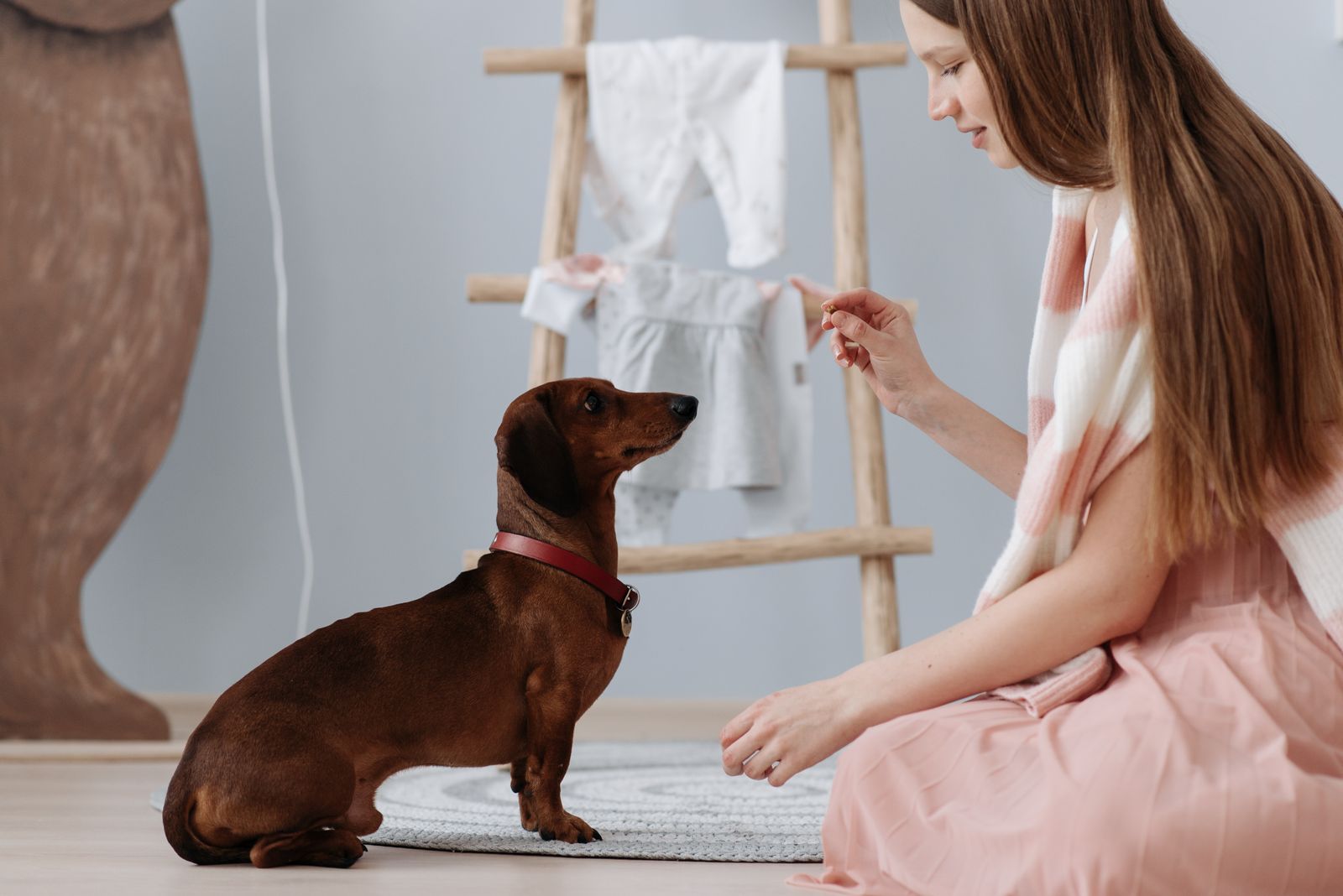
I priced the options and trained my own dog through the process. Here’s what holds up, and what each one costs.
The Honest Cost of Skipping Muzzle Training
Doing nothing isn’t free. Boarding facilities increasingly require muzzles for reactive dogs — or decline them outright. Groomers charge more for difficult dogs. And the failure modes are expensive: an obstruction surgery runs $2,000 to $4,500, and a bite liability claim can end with mandatory quarantine or worse. Against those numbers, a $17-to-$35 basket muzzle plus a jar of peanut butter is the cheapest insurance in dog ownership. The point of training isn’t restraint — it’s that the dog puts the muzzle on happily, so you can actually use it when it matters.
Baskerville Ultra Dog Muzzle (Size 3) — The Heat-Shaped Small-Dog Basket
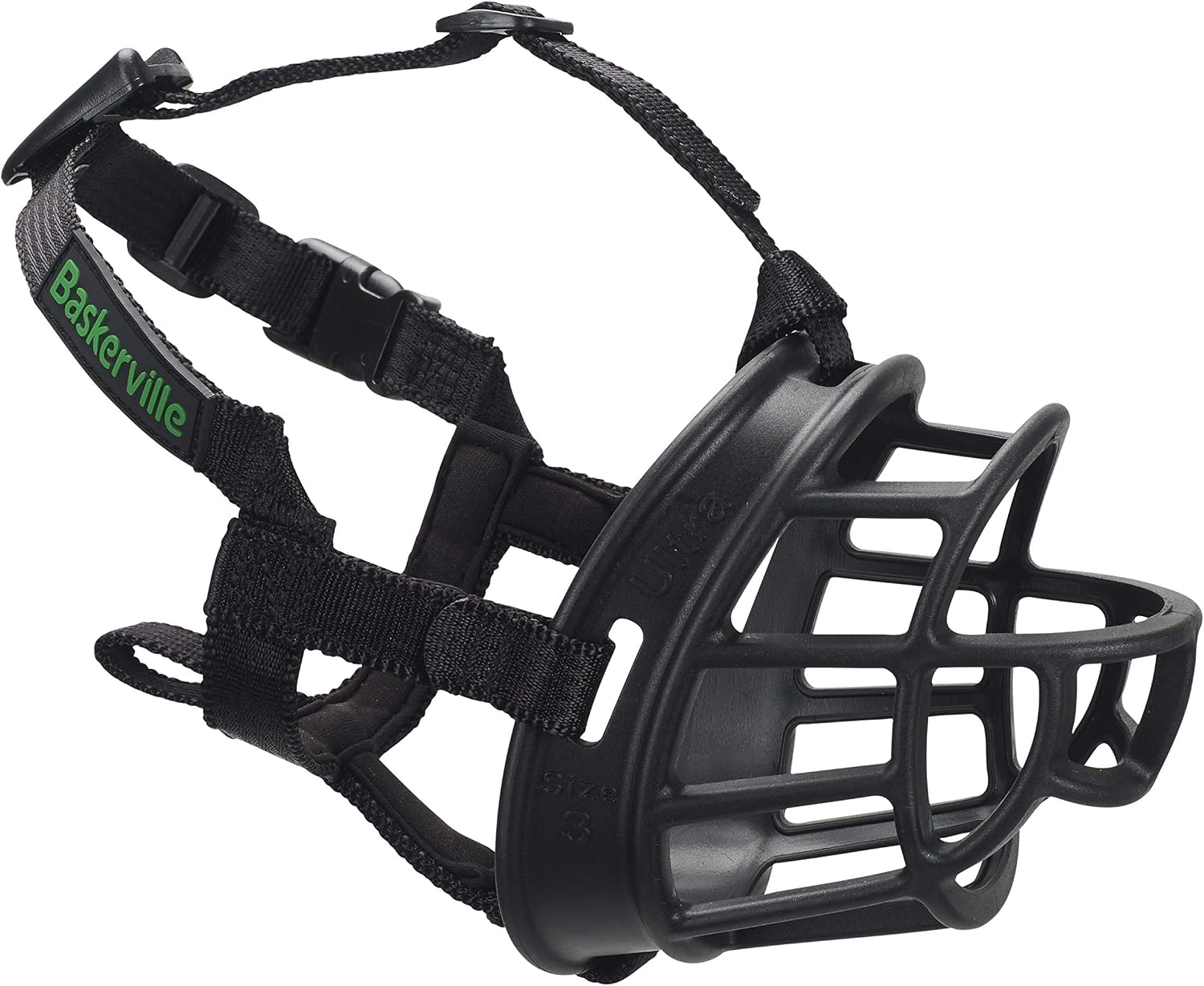
The Baskerville Ultra in size 3 is the standard recommendation for a reason: it’s a rigid basket with enough open weave that the dog can pant, drink, and take treats — all three are non-negotiable for humane wear. The plastic is heat-moldable, so odd nose shapes get a custom fit with a bowl of hot water. Price runs about $17 to $27 depending on size. The honest con: the strap layout needs a double-check. Determined dogs paw a loose Ultra off in seconds, so the neck strap has to be genuinely snug — one finger of slack, not two.
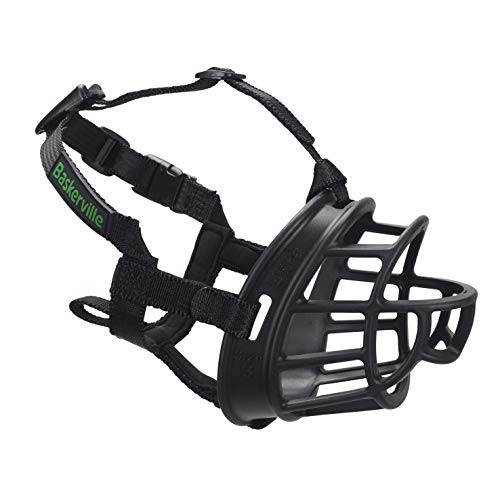
My take: The default choice for small-to-medium dogs; mold it, snug it, and it’s the muzzle your dog can wear for a full vet visit without distress.
Baskerville Ultra Dog Muzzle (Size 5) — The Large-Breed Standard
Same design, scaled up for medium-large dogs, about $35. This is the size most Labs, shepherds, and pit mixes land in. The one thing to get right is measurement: measure snout length and circumference before ordering, because the Baskerville size chart runs generous and a too-big basket slides around. If your dog falls between sizes, size down and rely on the moldable plastic.
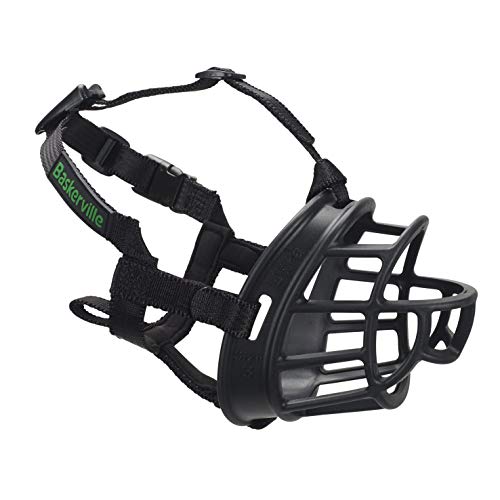
My take: For 50-pound-plus dogs this is the workhorse — measure the snout first and skip the exchange shipping.
Baskerville Classic Basket Muzzle — The Lighter-Duty Backup
The Baskerville Classic runs about $22 with a simpler strap layout than the Ultra. It’s a fine muzzle for occasional wear — vet visits, grooming appointments. The honest tradeoff: on a dog that actively fights the muzzle, the simpler strapping is less secure than the Ultra’s harness-style fit. For a dog that’s already conditioned to wear one happily, the Classic saves a few dollars and some fuss.
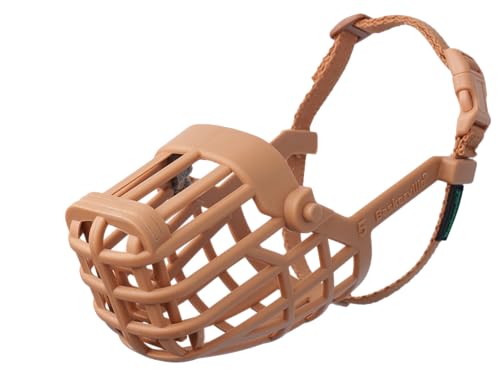
My take: A good second muzzle or a budget pick for calm dogs; reactive dogs should get the Ultra’s extra security.
Adjustable Soft Basket Muzzle — The $16 Spare for the Glovebox
A soft basket muzzle at about $16 is cheap enough to justify keeping one in the car for emergencies — the surprise vet trip, the injured-dog pickup, the moment you need something now. The honest catch is physics: soft muzzles hold the jaw but restrict panting more than a rigid basket does. That means short wear only, in cool conditions, never on a summer walk. It’s the spare tire of muzzles, not the daily driver.
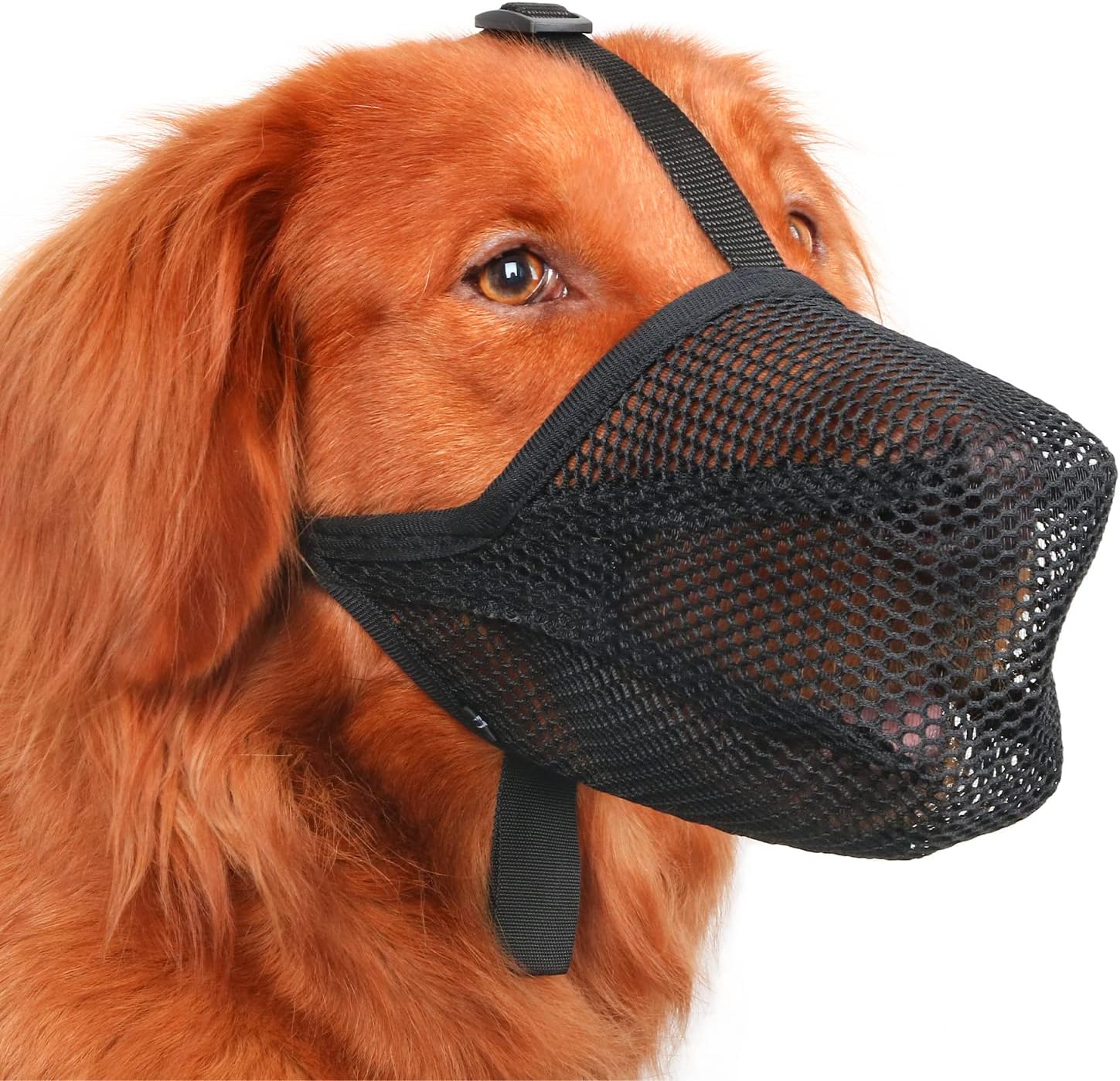
My take: Buy it for the glovebox and hope you never need it; don’t make it the one your dog wears for an hour at the vet.
Shopping tip: Order two sizes when you’re between them — returns through a free 30-day Prime trial are free, and a proper fit is the difference between a muzzle that works and one your dog defeats.
Features That Actually Matter (And Ones That Don’t)
Pant room. A dog wearing a muzzle for more than a minute must be able to pant. If the basket doesn’t allow full jaw movement, it’s the wrong tool — full stop.
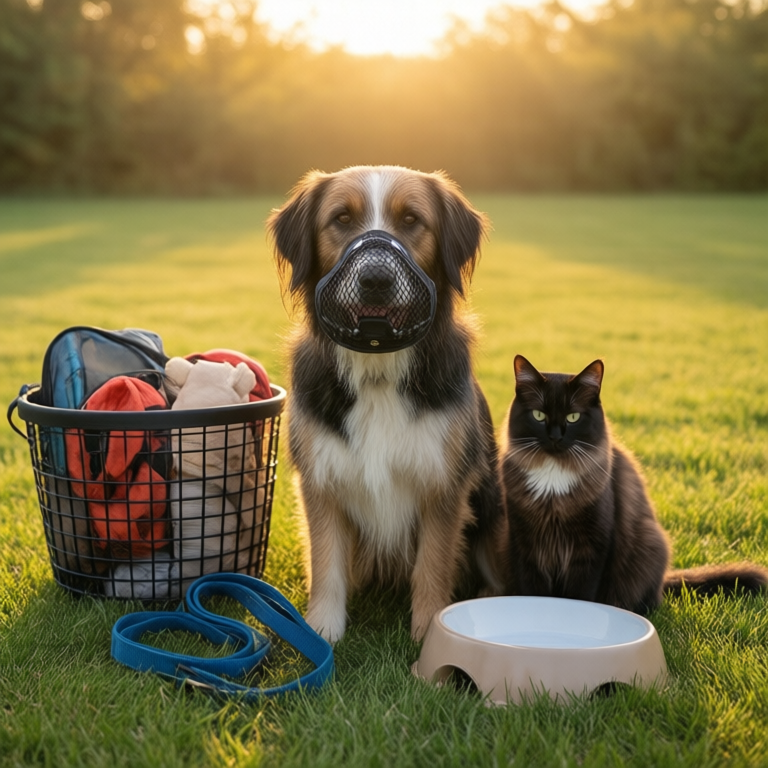
Treat access. Training through the bars is how the muzzle becomes a good thing. If you can’t feed a treat through the front, conditioning gets ten times harder.
Strap security. The failure mode is paws, not jaws. Snug neck straps and a head strap (the Ultra’s harness routing) are what keep it on.
Material. Rigid heat-moldable plastic beats fabric for anything longer than a few minutes, and it survives chewing attempts better.
“Tough” coatings and gimmicks. Padding, colors, and anti-slip coatings don’t matter to the dog. Fit and pant room matter entirely.
The Week of Peanut Butter: How Long Muzzle Training Takes
Done properly, most dogs accept a basket muzzle in five to seven days of two-minute sessions: smearing peanut butter on the bars for a few days with the muzzle never strapped on, then briefly strapping it, then extending wear time. The number-one mistake is skipping to the strap because it’s “going well” — one bad session can undo days. If your dog is the food-motivated type, this is genuinely the easiest trick you’ll ever teach, and the same treat-driven logic that makes lick mats work for calm time does the muzzle work too.
The Annual Math
- One Baskerville Ultra: about $17–$35, one-time.
- Glovebox spare: about $16, one-time.
- Training treats: one jar of peanut butter, about $4.
- Total for genuine bite and scavenging insurance: under $55.
- The alternative: one obstruction surgery at $2,000-plus, or one bite claim with no ceiling.
That’s the whole case. If you’re doing other budget math for your dog this season, the $40 kibble vault that guards $800 of food is the same kind of small-spend, big-downside protection.
ThriftyPaw is reader-supported. As an Amazon Associate, I earn from qualifying purchases. That means if you buy through one of the links above, I get a small commission at no extra cost to you. I only recommend products I’ve actually used with my own dog.
🐾 Get Your Free Big Dog First Aid Kit Checklist
Join our newsletter and get this free printable plus weekly tips.
Frequently Asked Questions
Can a dog drink water wearing a basket muzzle?
A properly fitted Baskerville basket allows panting and drinking through the open weave — that is the design point of a basket muzzle. If the dog cannot open its mouth fully, the size or style is wrong.
How long does muzzle training take?
Most dogs accept a basket muzzle in five to seven days of short sessions: peanut butter on the bars first, then brief strapping, then longer wear. Rushing the strap is the common mistake — one bad session can undo days of conditioning.
What size Baskerville does my dog need?
Measure snout length and circumference before ordering — the Baskerville chart runs generous, so size down between sizes and use the heat-molding feature. The neck strap needs to be genuinely snug; a loose one gets pawed off.
Liked this guide? Get the next one in your inbox — the pet budget checklist is free too.
✓ You're in — check your inbox.
No spam. Unsubscribe anytime. We never share your email.