This article contains affiliate links. We may earn a commission from qualifying purchases.
Some content on this site is AI-assisted and reviewed by our editorial team.
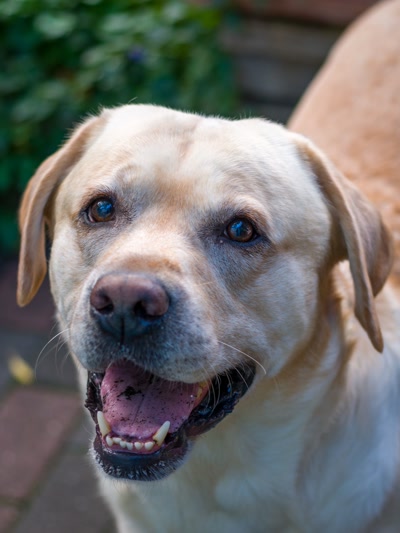
Last December I threw out the third pair of dog boots my dog refused to keep on. A $30 set with velcro straps, a rubber pair with drawstrings, and a clearance pair that was supposed to be the charm — about $85 in boots, total loss. She would walk like she was stepping on LEGO bricks for ten feet, then kick each one off like a striker clearing a defender. Meanwhile her pads were drying out and cracking from the ice melt our town spreads by the bucket. The fix was not more straps. It was a $16 tub of wax that sled dog kennels have used for decades — and she does not even notice it is on.
I tracked what the salt season actually cost us and tested the three options that kept coming up. Here is what I found.
The Cost of Cracked Pads
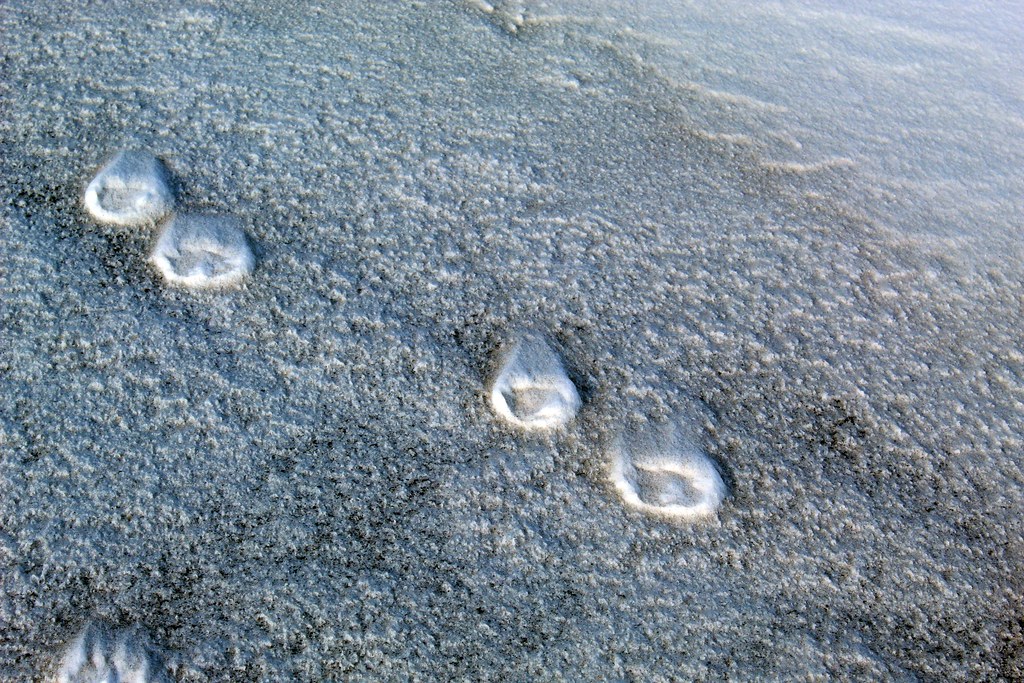
Here is the math that finally made me take paw care seriously. Winter paw trouble comes from three directions at once: rock salt and chemical ice melt that burn pads on contact, frozen ground that dries them out, and ice balls forming between the toes on every snowy walk. Once pads crack, every walk reopens the splits — and a paw problem is never a cheap vet conversation, especially in January when every other dog in town is limping too. I had already burned about $85 on boots my dog kicked off within a week. She is 60 pounds of stubborn, and no amount of strapping changed that. What the boots were supposed to do — put a barrier between her pads and the ground — a wax barrier does without her noticing.
Musher’s Secret 60g — The Starter Tub
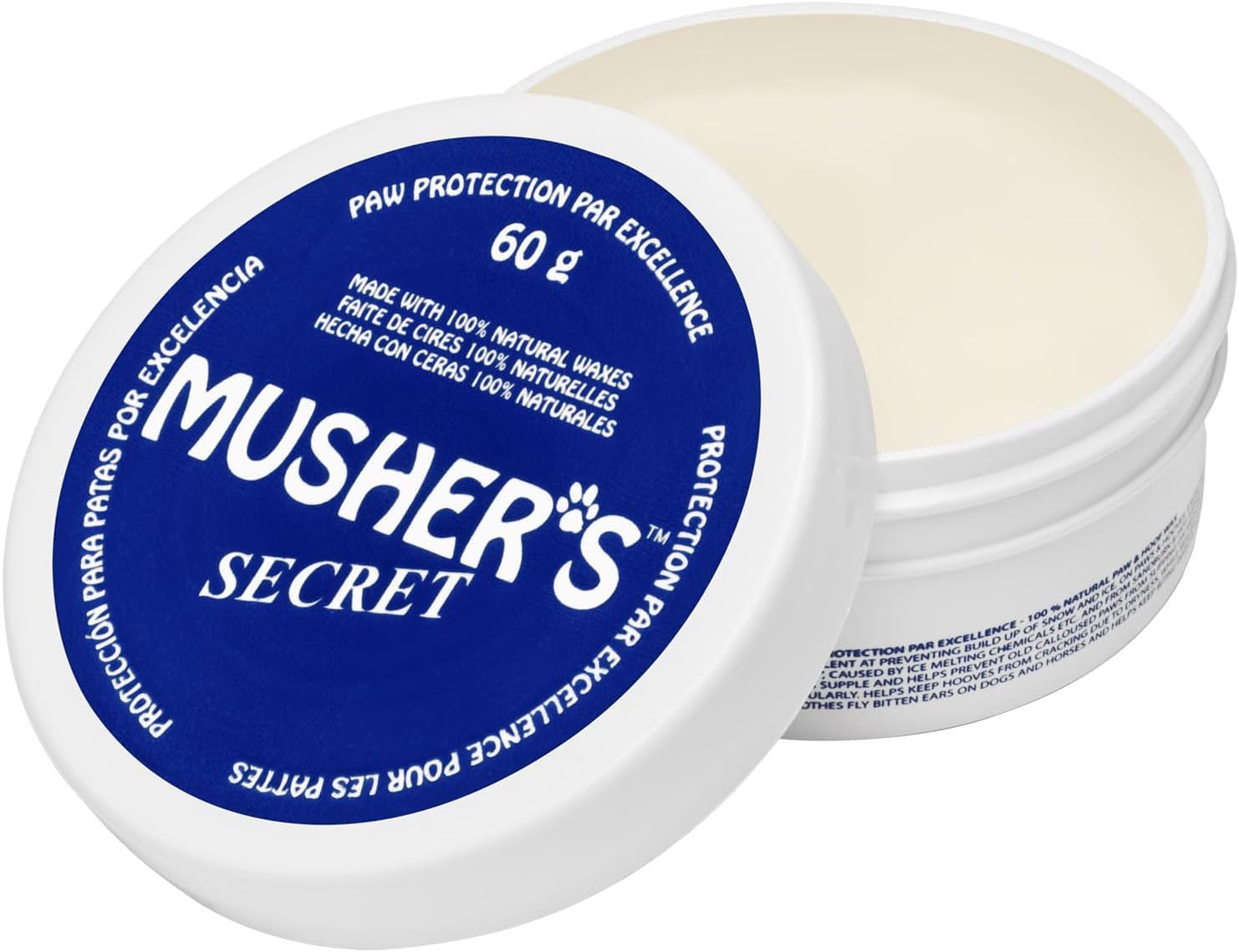
Musher’s Secret 60g is the size I started with, at about $16 a tub. It is a blend of food-grade waxes and vitamin E, originally developed in Canada for sled dogs running hundreds of miles on ice. You rub a thin layer into the pads and between the toes about ten minutes before the walk, and it absorbs into a breathable barrier — salt and ice melt wipe off with the wax, snow does not ball up between the toes, and it is safe if she licks it, which she does. The math: one daily-coat winter on one dog, and my 60g tub lasted the whole salt season, December through March. That is about $4 a month for the whole problem. The honest cons: it is a small tub, you have to reapply after long slushy walks, and if you skip the ten-minute wait it wipes off on your floor first.
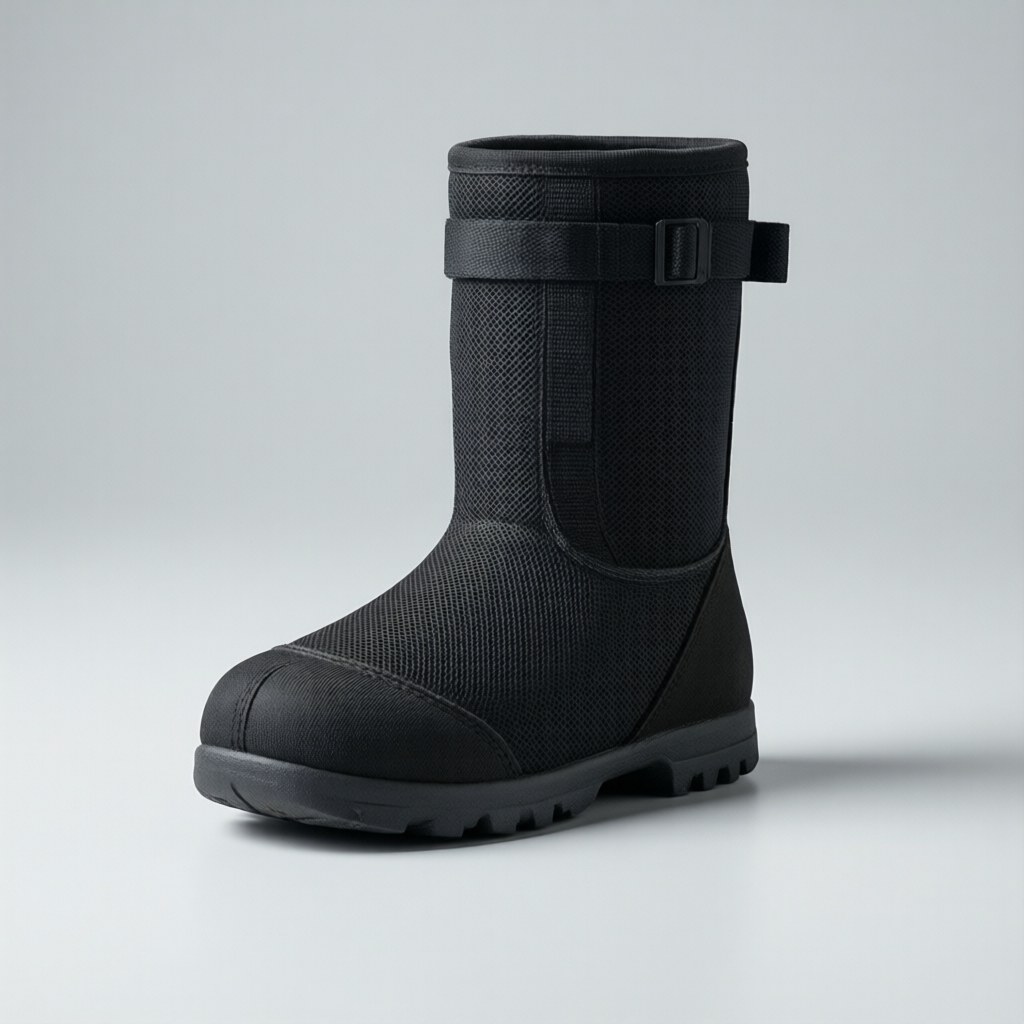
My take: start here. One tub tells you everything you need to know about whether wax works for your dog, for the price of one rejected boot.
Musher’s Secret 200g — The Multi-Season Tub
Musher’s Secret 200g is the same wax in a bigger tub for about $25, and the per-gram math is not close: 200 grams is 3.3 times the wax for 1.6 times the price, which works out to roughly $7.50 per 60g-equivalent — less than half what the small tub costs per gram. If you have two dogs, or one dog that plays outside all winter instead of just walking, this is the one. My current tub is in its second season with plenty left. The honest cons: for a single small dog it lasts so long the wax can get grainy near the end, and the upfront price is more than the problem feels like it deserves — until you remember what boots cost.
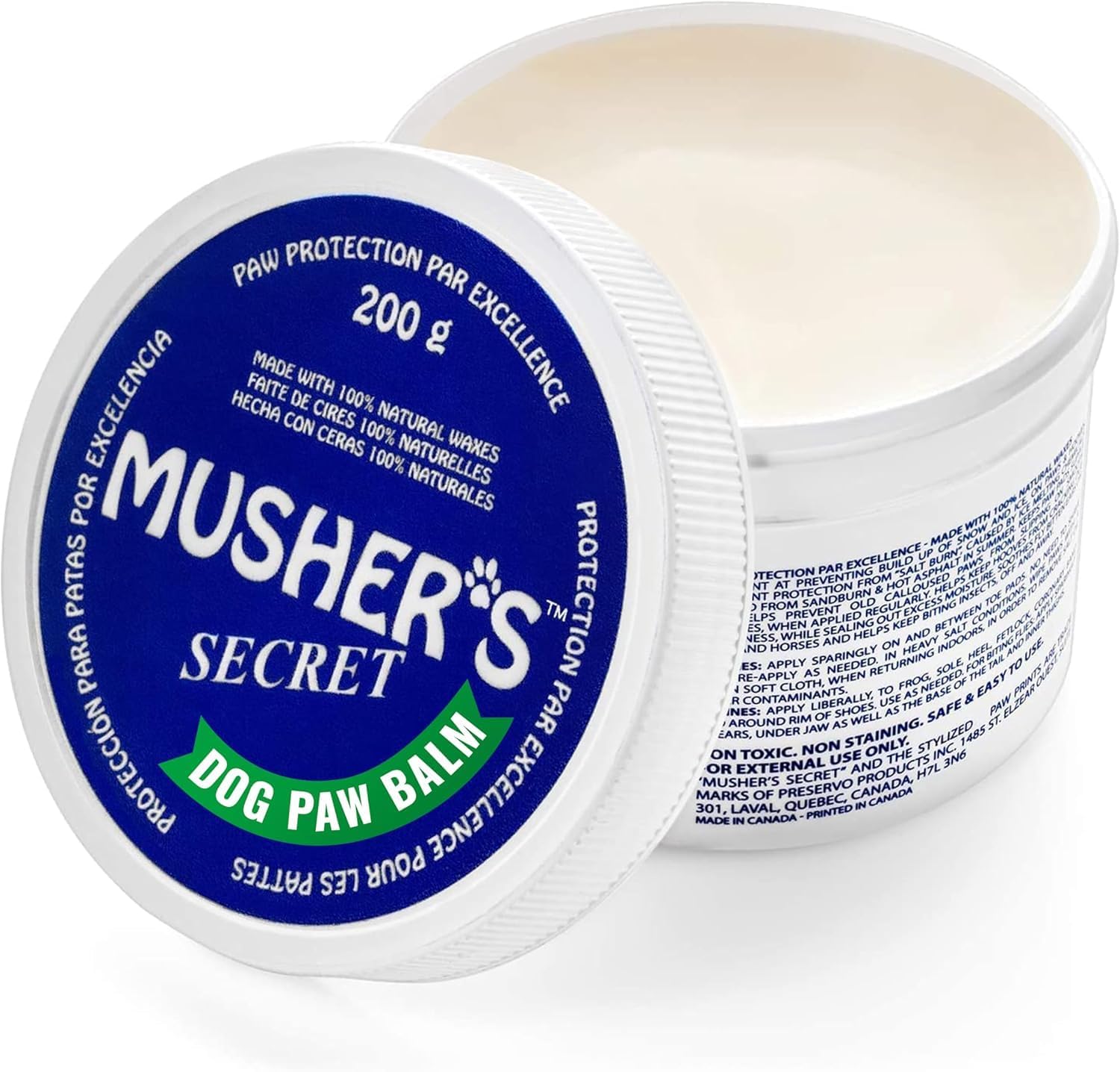
My take: the refill for people who already know the wax works, or anyone with more than one set of paws to protect.
Pawz Water-Proof Dog Boots — The Deep-Slush Backup
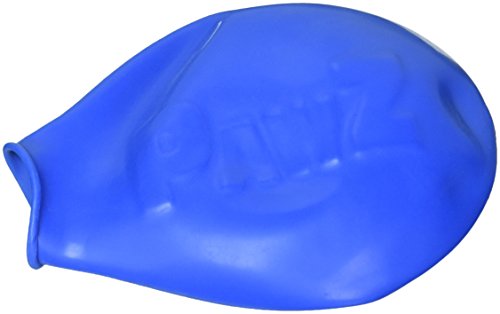
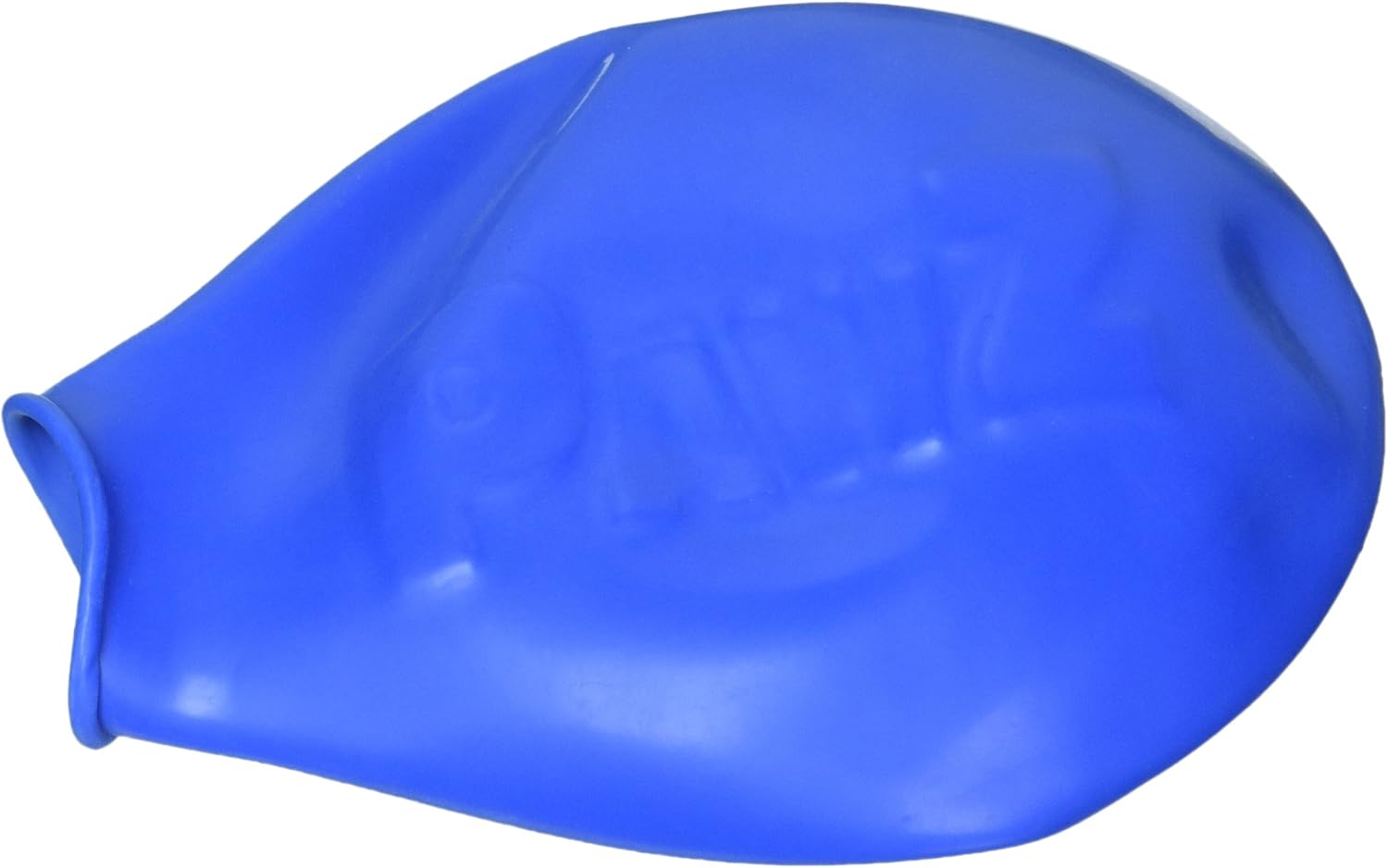
Pawz is the compromise I landed on for the days wax alone is not enough: fresh heavy salt, deep slush, or a parking lot that has been chemically treated into a skating rink. They are natural rubber pull-ons — no straps, nothing to kick off — about $20 for a pack of 12. Do the per-use math: 12 booties is three full sets of four, and each set survives one or two outings, so call it $3 to $7 per walk depending on how rough the day is. That is more than wax but way less than the $30 strapped boots she destroyed in a week. The honest cons: they are thin, they tear on anything sharp, there is no insulation, and sizing runs small — measure the paw.
My take: not the primary plan, but the right backup for the worst ten days of winter. The pack lives in my glovebox now.
Features That Actually Matter (And Ones That Don’t)
- Lick-safe is non-negotiable. Dogs lick their paws within minutes. Food-grade waxes (both Musher’s sizes) pass that test; anything with essential oils or “fragrance” does not go on my dog.
- Breathable barrier. Pads sweat. A semi-permeable wax lets moisture escape while blocking salt — a heavy silicone-style balm traps sweat and makes pads soft and worse.
- Tub over stick. Rubbing with your fingers gets wax between the toes where ice balls start. Stick applicators only reach the pad surface.
- Skip: “paw balm” scents and pretty tins. Scented balms invite more licking, and you are paying for packaging on a product you wipe on the floor mat twice a day.
- Boots are a backup, not the plan. For dogs that tolerate them, fine — but my dog is the norm, not the exception, and wax solves 90 percent of winter days for a tenth of the cost.
The Annual Cost Comparison
- Before: about $85 a winter in rejected boots, plus cracked pads by February, plus the dread of every salted sidewalk.
- After: one 200g tub at about $25 covers two winters (call it $12.50 a season), plus a $20 Pawz pack every other winter for the worst days — call it $15 to $20 a winter, total.
- Saved: roughly $65 every winter, with a dog whose pads are actually in better shape in spring than they were in fall.
Sixty-five dollars a winter is not a fortune, but it compounds. It is two months of the budget kibble I actually feed my dog, or most of the way to replacing the budget dog bed she flattened last year. The pattern is the same one behind most of what works on this site: the cheap version of the real solution beats the expensive version of the wrong one.
ThriftyPaw is reader-supported. As an Amazon Associate, I earn from qualifying purchases. That means if you buy through one of the links above, I get a small commission at no extra cost to you. I only recommend products I’ve actually used with my own dog.
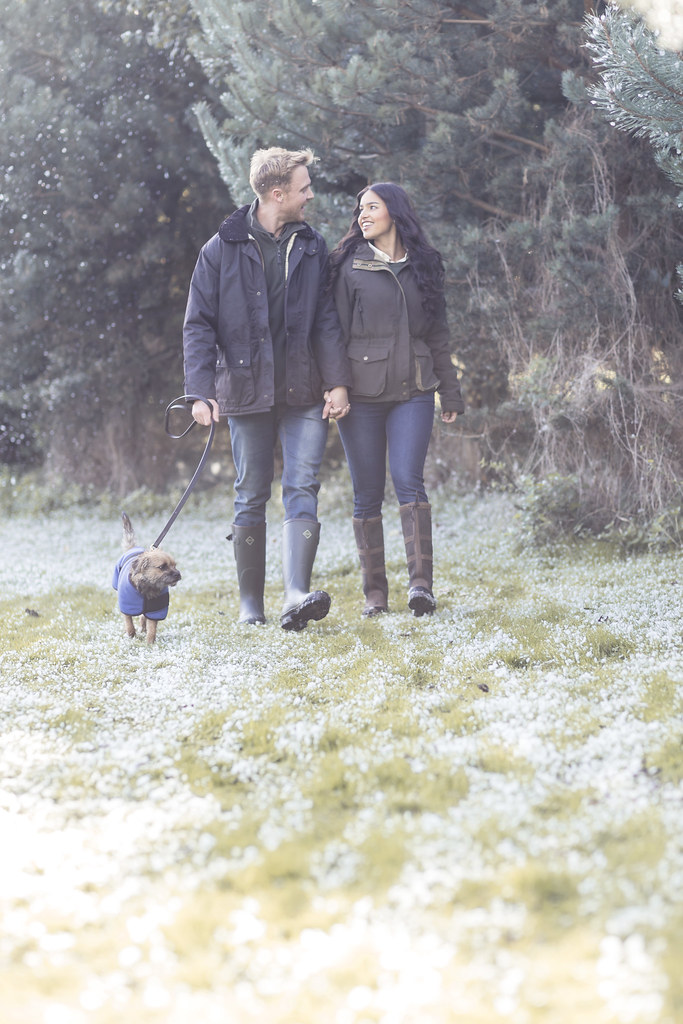
Photo credits: “Inverhuron Walk” by kevinmklerks, CC BY 2.0; “Man and women walking through wet grass in the winter” by Rydale Country Clothing, CC BY 2.0 (both via Openverse).
🐾 Get Your Free Big Dog First Aid Kit Checklist
Join our newsletter and get this free printable plus weekly tips.
Frequently Asked Questions
Why do dog boots keep falling off my dog, and what can I do about it?
Some dogs hate the sensation so much they walk like they're stepping on LEGO bricks and kick each boot off within ten feet, and the author burned about $85 across three failed pairs. A paw wax like Musher's Secret protects pads without anything on the foot to reject, so it's the better first move for boot-haters.
What can I put on my dog's cracked, dry paw pads in winter?
Musher's Secret is a wax that conditions and shields pads from ice-melt salts and freezing ground, and the author calls the 60g starter tub the cheapest real fix for a dog that refuses boots. Reapply before walks during icy or salty months and the cracking and irritation from winter sidewalks goes away.
Do I ever still need dog boots if I'm using paw wax?
Yes u2014 the author keeps Pawz Water-Proof Dog Boots around as the deep-slush backup, because even good wax has its limits in slush or chemical de-icers. Wax handles the routine cold-weather walk, boots cover the extremes, and together they cost far less than the $85 of boots the author threw out.