
This article contains affiliate links. We may earn a commission from qualifying purchases.
Some content on this site is AI-assisted and reviewed by our editorial team.
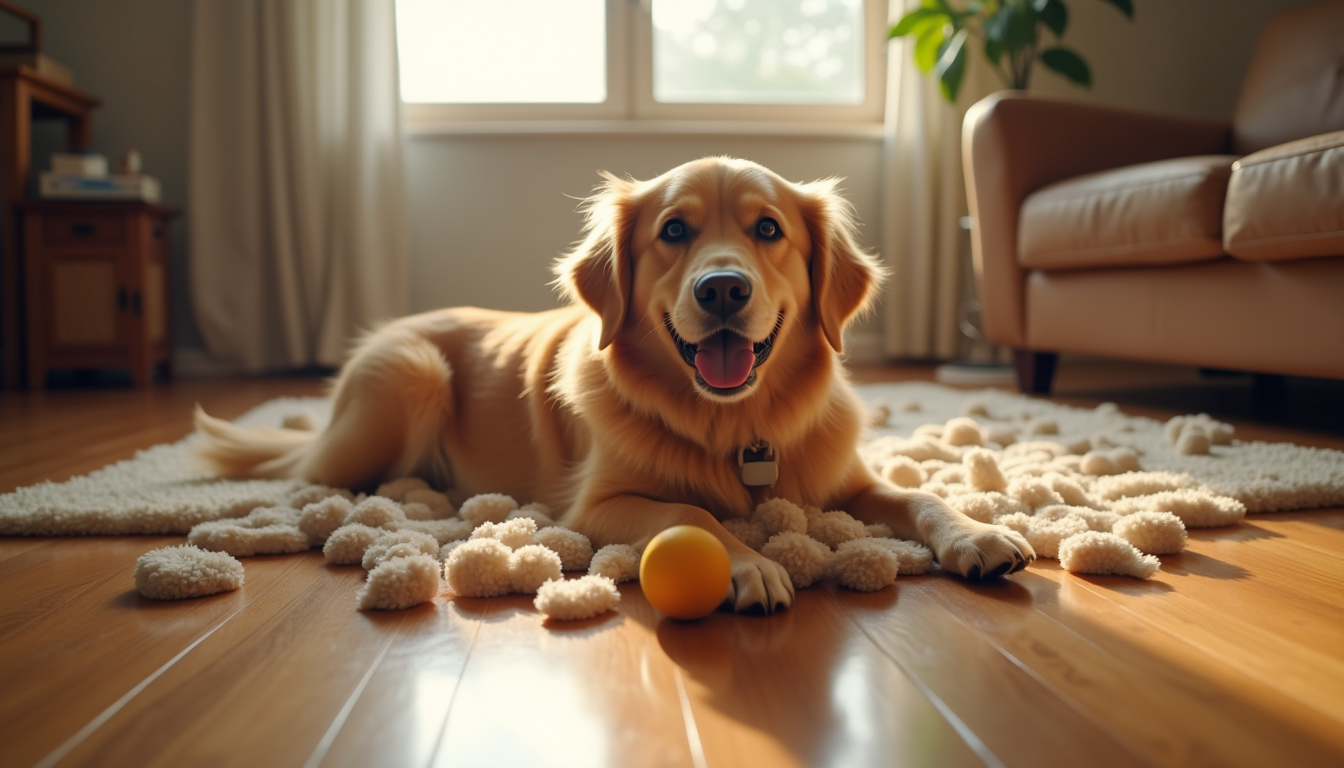
Every dog owner I know has a drawer, a bin, or a corner of the living room full of dead toys. Mine had eleven of them at last count — shredded plush, a deflated soccer ball, three tennis balls with the fuzz chewed off. I sat down with a notepad and added up what those eleven toys cost: $87.94. For toys that lasted, on average, three weeks each. My 75-pound Golden destroys a plush toy in under ten minutes, and I’d been buying him a new victim every month like it was a utility bill.
That’s when I decided to stop buying cheap toys and do actual math on the expensive-looking ones. I bought four heavy-duty toys, put them in front of a dog whose entire personality is “aggressive chewer,” and tracked cost per month of survival. Here’s what I found.
I tracked cost per month across four toys and about four months of abuse. Here’s what I found.
The Cost of the Problem
First, the damage. My toy graveyard averaged $8 per toy and lasted three weeks. Run that annually: $8 every three weeks is about $139 a year. And that’s a mild case — my friend’s Pit Bull mix goes through a $10 plush in a single evening, which works out to more than $300 a year if she replaces them as fast as he earns them. Cheap toys aren’t cheap. They’re a subscription with a shredding step in the middle.
West Paw Zogoflex Jive Ball — The Fetch Ball That Refuses to Die
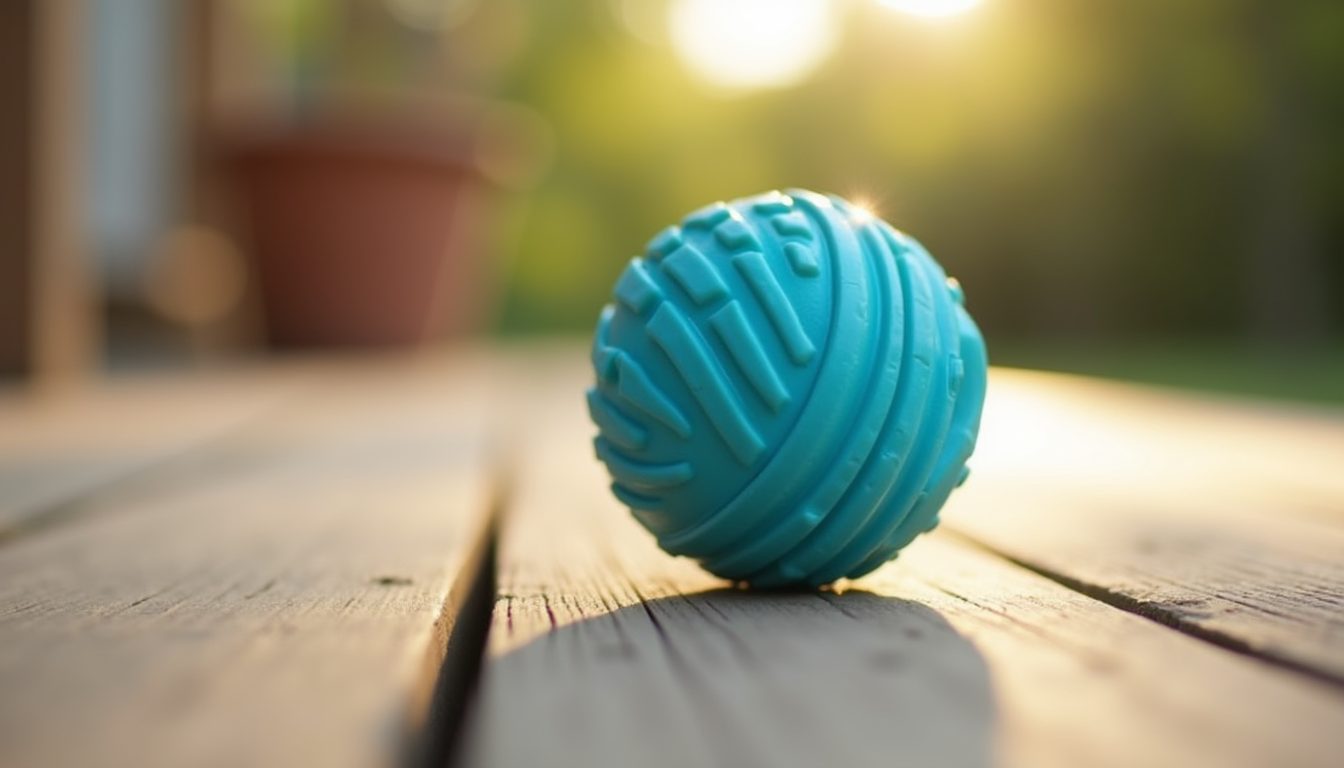
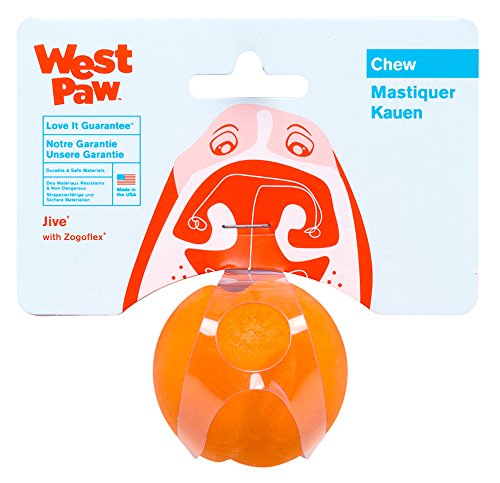
The West Paw Zogoflex Jive ball was the first one I ordered because it’s the most common “just buy the good ball” recommendation, and it earned it. It costs about $13, floats, has this weird grooved shape that produces an unpredictable bounce (which my dog finds absolutely hilarious), and it’s made in Montana from a non-toxic material that’s dishwasher-safe. Four months in, it shows tooth marks and zero structural damage.
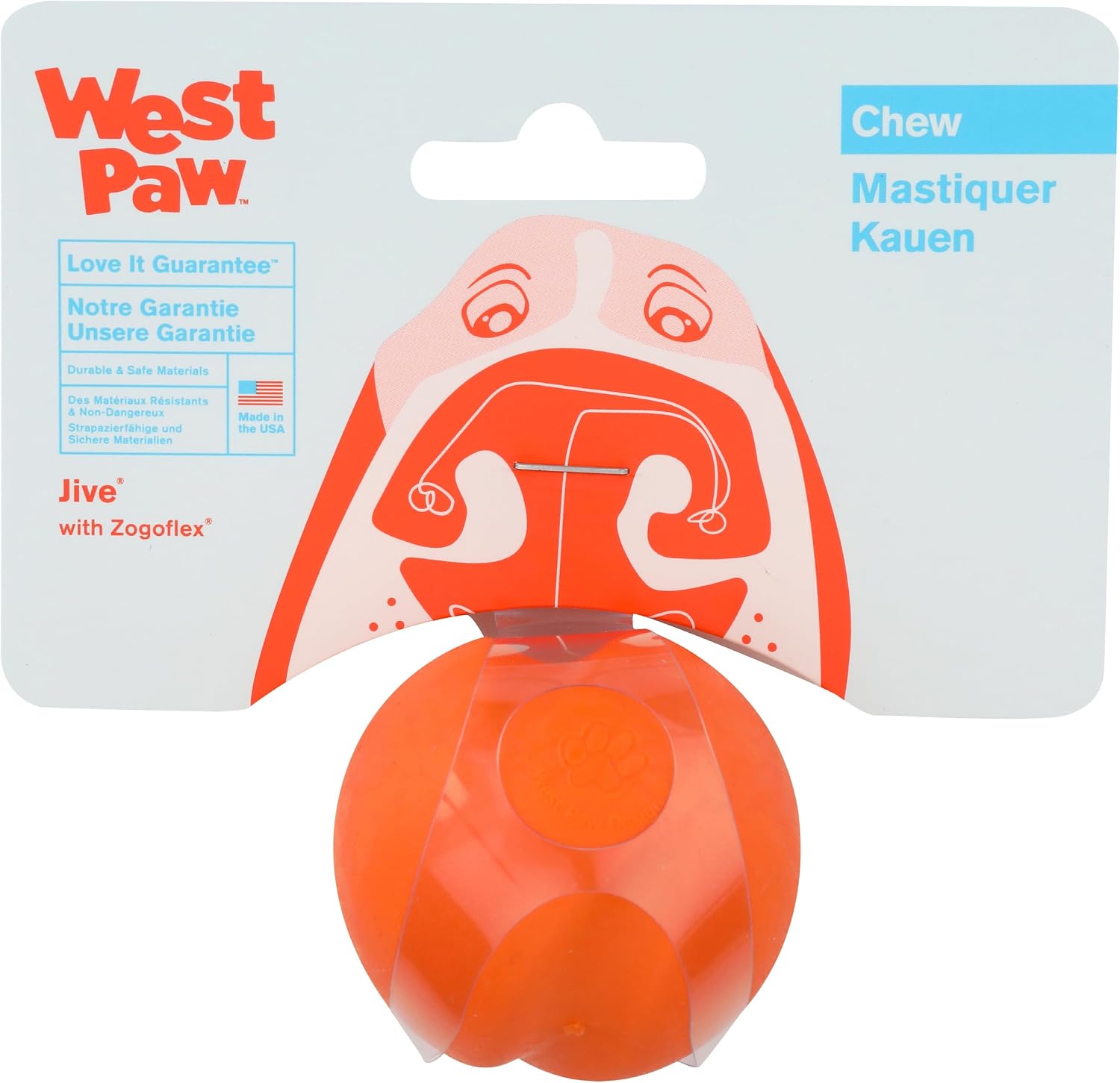
The math: $13 divided by 4 months is about $3.25 a month — and it’s still going. Compare that to the $8-per-three-weeks plush math and the Jive pays for itself in about five weeks. It also comes with a one-time-replacement guarantee if your dog actually manages to break it, which I have not needed.
My take: this is the single best dollar-for-dollar toy upgrade for a fetch dog, and the safest ball I’ve found for a heavy chewer.
Con: it’s a solid ball with no squeaker, and dogs that live for the squeak may ignore it. It also doesn’t stuff, so it’s a fetch toy, not a puzzle.
Goughnuts Tug Toy — The One You Buy for a Pit Bull
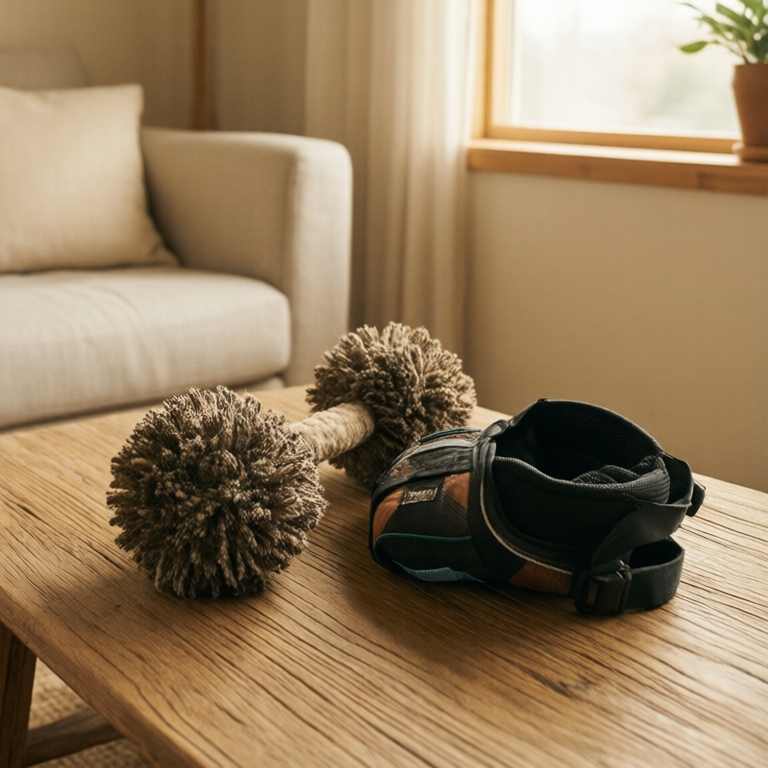
The Goughnuts medium tug toy is the most overbuilt thing on this list. It’s designed by an actual rubber chemist, made in the USA, costs about $28, and — this is the part I love — it’s engineered with a red safety layer underneath the black rubber. If your dog chews deep enough to expose red, you send it back and they replace it. The company essentially built a wear indicator into a toy.
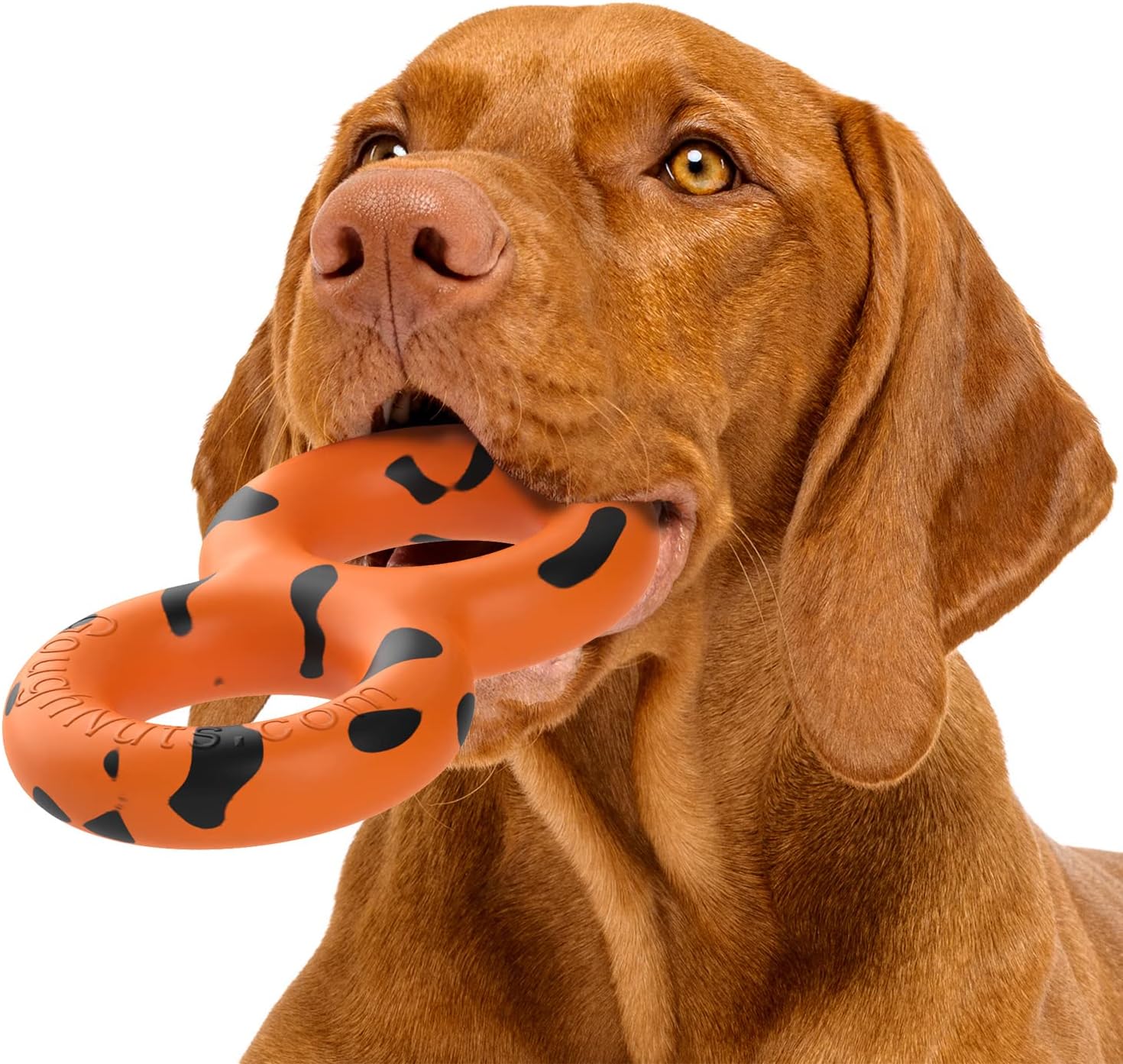
The math: even if your dog kills one per year (reviews strongly suggest most last years), $28 a year beats $139 a year by a factor of five. My dog plays tug with it daily and it still looks new.
My take: if your dog has destroyed every “indestructible” toy you’ve ever bought, this is the brand to try.
Con: it’s heavy and stiff — this is a tug toy, not something a dog can happily carry around, and at about $28 it’s the biggest up-front hit on this list. Mine also had a strong rubber smell out of the box that took a day of airing out.
KONG Classic — The Boring Legend
The KONG Classic (large, red) is the default answer to durable dog toys for a reason. It costs about $14, and the magic isn’t really durability — it’s that you can stuff it. Peanut butter and frozen, it bought me 40 quiet minutes at a time during a work call, which no other toy on this list has managed. Mine is two years old with plenty of chew marks and the rubber is still intact.
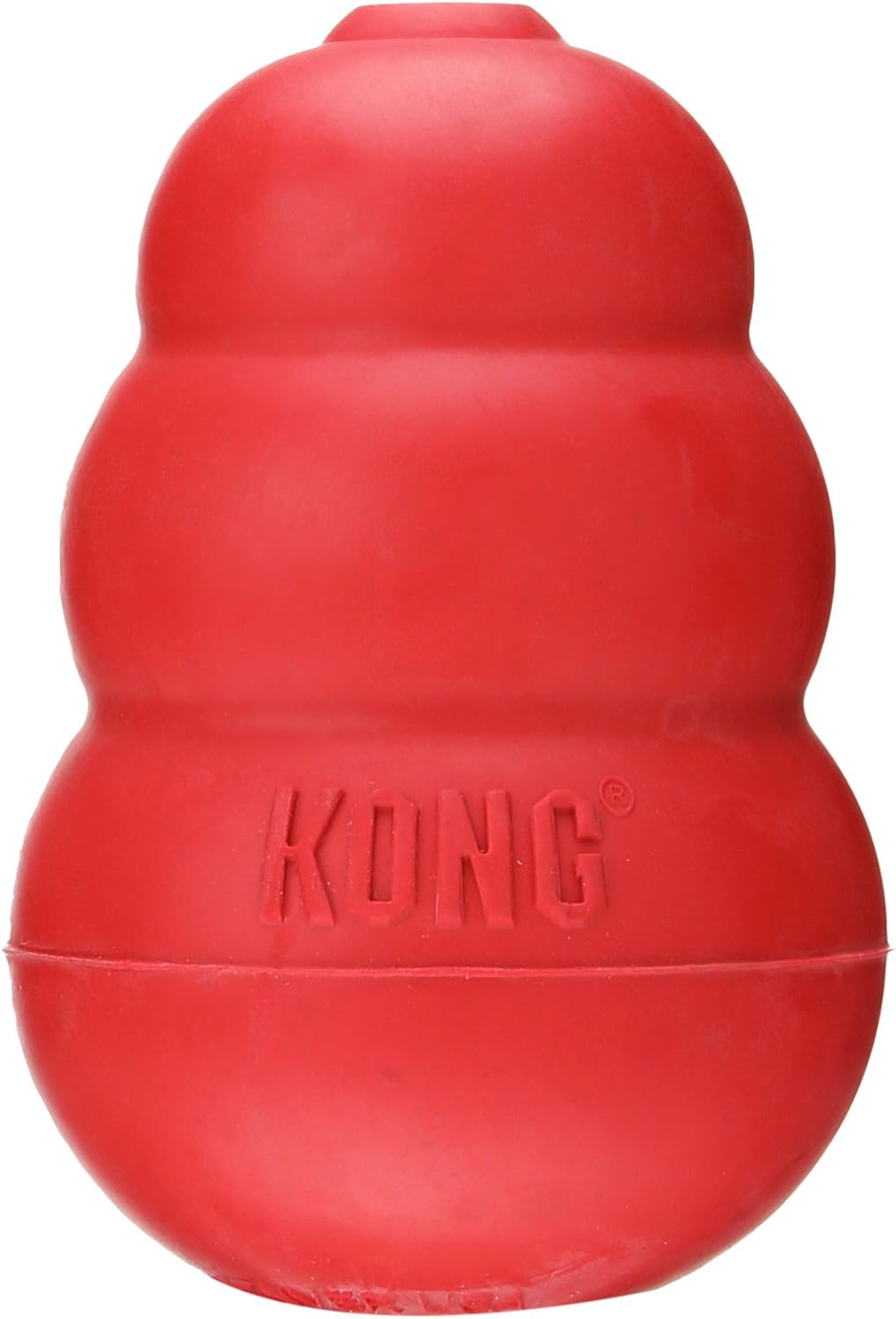
The math: one $14 KONG that lasts two-plus years is under $6 a year — the cheapest cost per month of anything I tested, as long as your dog is an average chewer rather than a power chewer.
My take: every dog household should own one of these regardless of what else they buy.
Con: the Classic is rated for average chewers — a determined power chewer can chew the rim eventually, in which case you’re buying the KONG Extreme (black) instead. It’s also not a toy my dog plays with unsupervised; it’s a stuffing session toy.
Benebone Wishbone — The Cheapest Satisfying Chew
The Benebone Wishbone (medium, bacon) was my sleeper hit. It’s about $13, made of nylon with real bacon flavor worked through the material (not sprayed on), and the wishbone shape lets a dog grip it with their paws and work on it like corn on the cob. My dog ignores nylon chews generally, and he gnawed on this one for weeks. It wears down gradually instead of breaking into dangerous chunks.
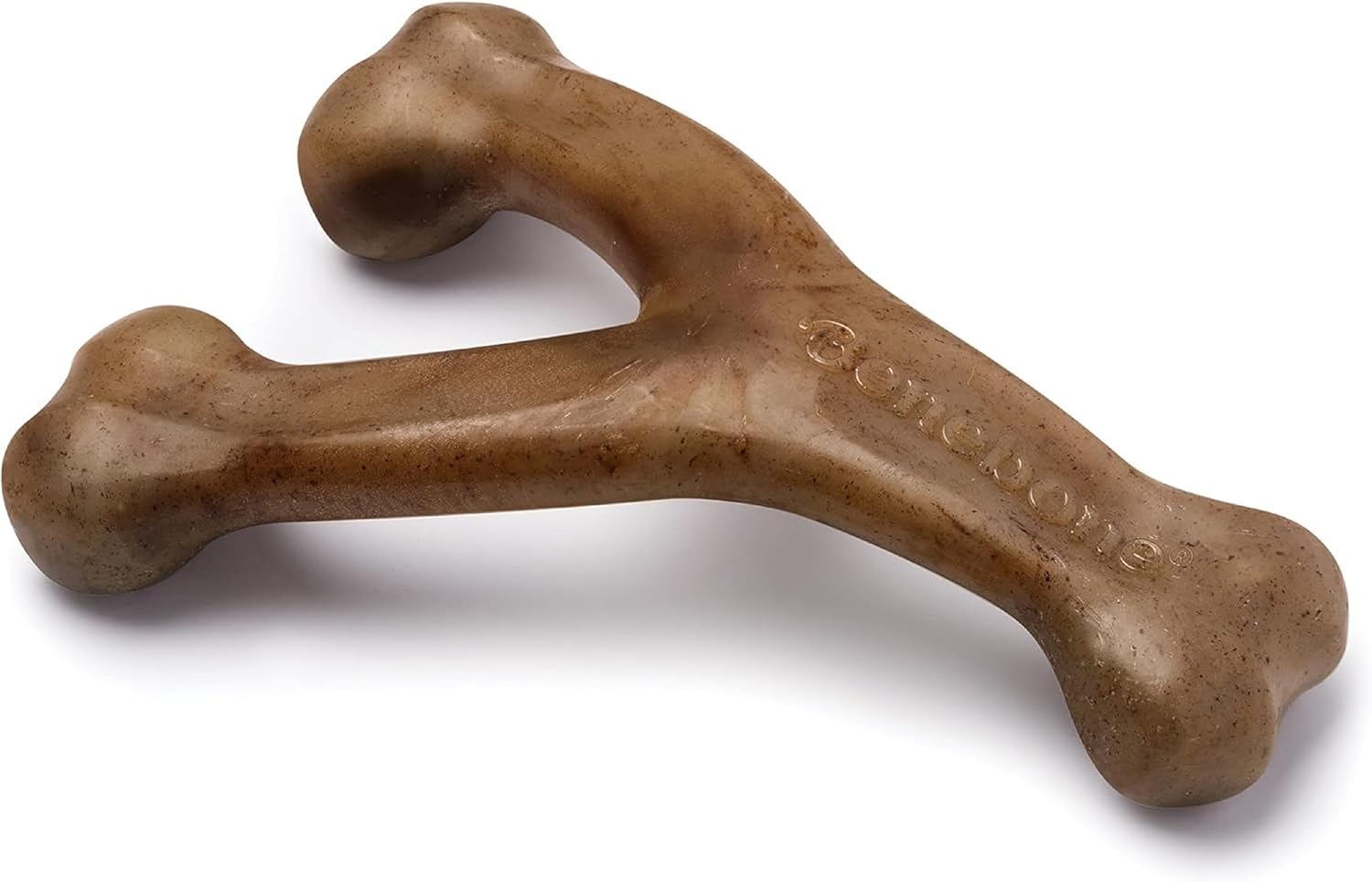
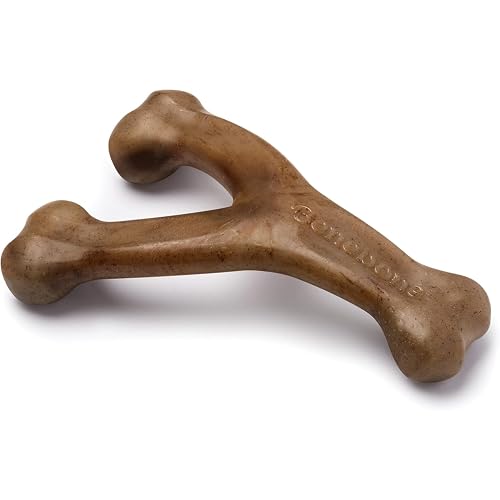
The math: $13 for several months of serious chewing sessions is pennies per week, and the medium size fits dogs up to around 70 pounds.
My take: this is the best value for a dedicated chewer who wants something to work on, not fetch.
Con: it’s consumable — you’re buying a chew, not a permanent toy, so it’s a recurring cost (every 2-4 months for a heavy chewer). Benebone also recommends replacing it once it gets worn down past the warning ridges, and it’s not for dogs with strong noses about plastic smell at first.
Want these before the next toy casualty? All four ship free with Prime — and if you’re not a member, the 30-day free trial gets you free shipping on all of them.
Features That Actually Matter (And Ones That Don’t)
- Material, not marketing. “Indestructible” on the package means nothing. Rubber and nylon compounds from real makers (Zogoflex, Goughnuts, KONG’s red rubber) have track records; the word “indestructible” printed on a plush toy does not.
- Size up. Most toy failures are size failures — a too-small toy is a choking hazard and gets destroyed faster. When in doubt, go one size up.
- A replacement guarantee. West Paw and Goughnuts both stand behind their toys. That’s a manufacturer betting on its own product, which tells you something.
- Match the toy to the behavior. Fetch dog = ball or disc. Chewer = rubber or nylon. Power chewer with anxiety = stuffing session toy. The $8 plush graveyard happened because I bought what was cute, not what he does.
- Squeakers. A squeaker is the #1 thing my dog targets for destruction. It’s also the #1 thing he loves. Know your dog — but for a destroyer, no squeaker means longer toy life.
The Annual Cost Comparison
- Before: replacing cheap toys monthly — about $139 a year, eleven dead toys, zero survivors.
- After: the four tested toys total about $68 up front, and based on how they’re tracking, most will still be in service a year from now — call it $68 a year, and the KONG amortizes to under $6 a year over its life.
- The difference: about $70 a year, every year, plus ten fewer shredded toys to throw away.
- What else that buys: two months of a dental chew routine, a big bag of quality kibble, or the start of a pet emergency fund — which is the single best place for that money, since one unplanned vet visit costs more than every toy I own combined.
The same “spend once, cry once” logic works elsewhere in the pet budget. When winter chewed up my dog’s paws, a 16-dollar tub of paw wax outperformed the 85 dollars of boots I’d already wasted money on — and when his teeth needed attention, switching from Greenies to the right dental chews cut that bill by more than half. Cheap stuff you replace isn’t cheap. Durable stuff you buy once is the actual budget move.
ThriftyPaw is reader-supported. As an Amazon Associate, I earn from qualifying purchases. That means if you buy through one of the links above, I get a small commission at no extra cost to you. I only recommend products I’ve actually used with my own dog.
🐾 Get Your Free Big Dog First Aid Kit Checklist
Join our newsletter and get this free printable plus weekly tips.
Frequently Asked Questions
Are expensive dog toys really more durable?
Usually yes per toy, but not per dollar. In our four-toy test the cheapest toy cost the most per month because it was replaced six times a year. Divide price by expected months, not by toy.
What is the most durable dog toy material?
Natural rubber (KONG-style) and dense nylon last longest for aggressive chewers. Rope toys and plush toys are enrichment, not durability purchases - budget for them to be destroyed.
How much should I budget for dog toys per year?
Plan on $40-80 for a moderate chewer: two durable toys replaced yearly plus a few cheap enrichment toys. Heavy chewers run $100+ unless you rotate and retire toys before they shred.
Price Check
Prices verified via our product tracker. Updated Sep 28.
| WEST PAW Zogoflex Jive Ball Dog Chew Toy – Bouncing Toys f | $12.95 | 4.6★ (4,458) |
| Goughnuts — Dog Toys for Aggressive Chewers | Virtually In | $27.68 | 4.5★ (1,057) |
| Pet Supplies : Pet Chew Toys : Benebone Wishbone Dog Chew | $12.78 | 4.5★ (94,276) |
As an Amazon Associate we earn from qualifying purchases.