
This article contains affiliate links. We may earn a commission from qualifying purchases.
Some content on this site is AI-assisted and reviewed by our editorial team.
Last updated: May 2026 | By ThriftyPaw

The average dog owner spends 400–800 dollars a year on routine veterinary care. That’s before emergencies, before dental cleanings, before the unexpected things that always seem to happen on a Saturday night.
But here’s the thing: the vet you choose matters more than you think. Two equally qualified vets in the same city can charge 50 to 100 percent different prices for the same services. The difference isn’t quality — it’s business model, location, and whether they’ve decided to optimize for volume or margin.
This guide covers how to find an affordable vet without sacrificing quality, what routine care actually costs (and what you should pay), and the programs and strategies that can cut your vet bills significantly.
(Wondering how vet costs fit into your dog’s total expenses? Our monthly cost breakdown by breed has the full picture.)
What Routine Vet Care Actually Costs
Before you can find an affordable vet, you need to know what you should be paying. Here are national averages and realistic budget ranges for common services:
| Service | National Average | Budget Range | What You Should Pay |
|---|---|---|---|
| Annual wellness exam | 45–80 dollars | 30–50 dollars | 40–55 dollars |
| Vaccinations (per shot) | 20–45 dollars | 10–25 dollars | 15–25 dollars |
| Heartworm test | 35–75 dollars | 20–40 dollars | 25–40 dollars |
| Fecal exam | 25–55 dollars | 15–30 dollars | 20–30 dollars |
| Dental cleaning | 300–700 dollars | 200–400 dollars | 250–450 dollars |
| Spay/neuter | 200–500 dollars | 80–250 dollars | 150–300 dollars |
| Sick visit exam | 60–120 dollars | 40–70 dollars | 50–80 dollars |
| Blood panel (CBC + chem) | 100–250 dollars | 60–150 dollars | 80–150 dollars |
| X-rays (per view) | 75–200 dollars | 50–120 dollars | 60–130 dollars |
| Microchip | 35–75 dollars | 15–50 dollars | 25–50 dollars |
The biggest price variation: Dental cleanings and surgeries. A dental cleaning at a low-cost clinic can be 200 dollars; the same procedure at a specialty hospital can be 700 dollars. The difference is often overhead, not quality of care.
How to Find an Affordable Vet
1. Low-Cost Veterinary Clinics
These are typically run by non-profits, humane societies, or veterinary schools. They offer the same services at significantly lower prices because they’re subsidized by donations, grants, or government funding.
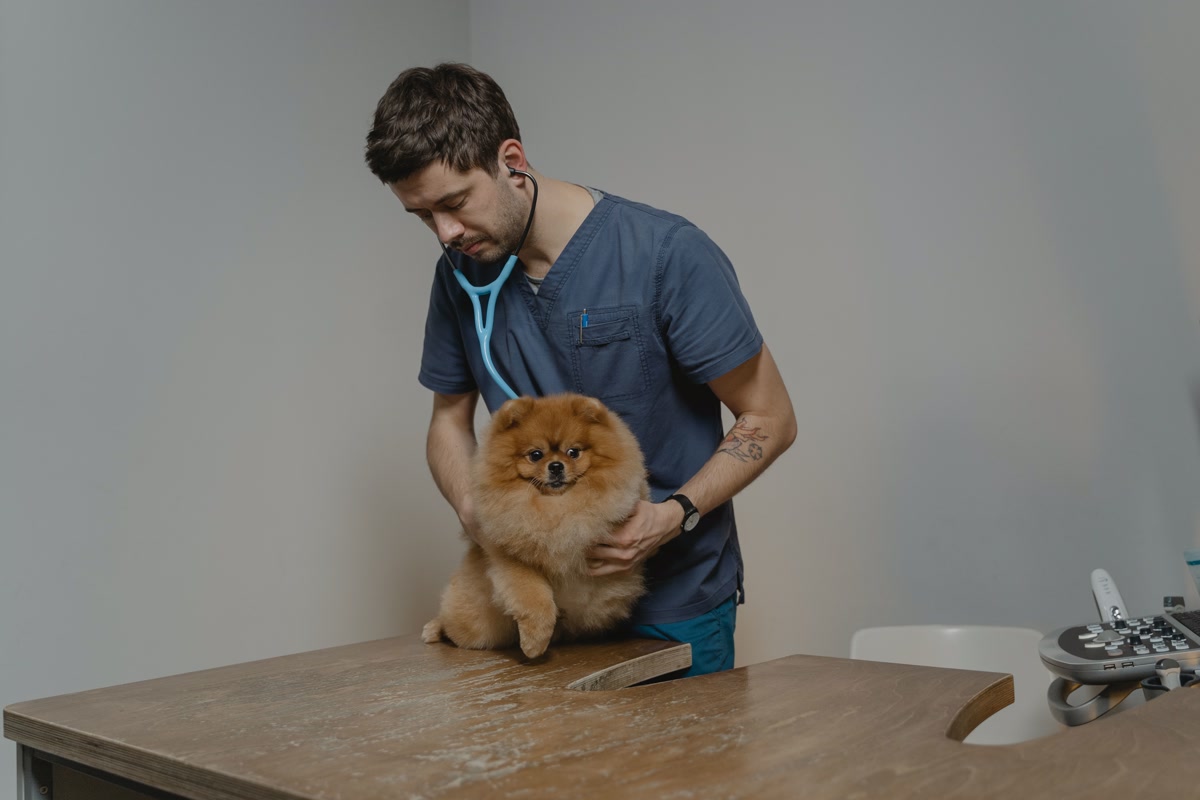

How to find them:
• Search “[your city] low-cost vet clinic”
• Check your local humane society or SPCA — many operate clinics
• The ASPCA maintains a list of low-cost vet care providers by state
• Veterinary teaching hospitals (see below)
What they cost: Typically 30–50 percent less than private practice. Many offer wellness packages (exams, vaccines, heartworm test) for 100–150 dollars per year.
Trade-offs: Longer wait times, less personalized care, limited specialty services. But for routine care — vaccines, exams, spay/neuter — they’re excellent.
2. Veterinary Teaching Hospitals
If you live near a veterinary school, their teaching hospital offers services at 20–40 percent below private practice rates. Vet students perform procedures under the supervision of licensed veterinarians and board-certified specialists.
Schools with teaching hospitals:
• University of California Davis
• Colorado State University
• University of Florida
• University of Georgia
• University of Illinois
• Iowa State University
• Kansas State University
• Michigan State University
• University of Minnesota
• University of Missouri
• North Carolina State University
• Ohio State University
• University of Pennsylvania
• Purdue University
• Tufts University
• Texas A&M University
• Tuskegee University
• Virginia Tech
• University of Wisconsin
• Western University of Health Sciences
What they’re best for: Routine care, complex diagnoses, and specialty procedures. The quality of care is generally excellent — the supervising veterinarians are often the same specialists who charge 2x at private referral hospitals.
Trade-offs: Appointments take longer (students are learning), and you may not see the same vet each visit. For routine care, this is a feature, not a bug — every procedure is double-checked by a licensed vet.
3. Veterinary Discount Programs
Several membership programs offer discounts on veterinary care for a monthly or annual fee:
Pet Assure: 25% discount on all in-network veterinary services. 10–15 dollars/month or 99 dollars/year. No exclusions for pre-existing conditions, no claim forms, no deductibles. The catch: limited network — you have to use a participating vet.
Banfield Optimum Wellness Plans: Offered through PetSmart hospitals. 30–55 dollars/month covers unlimited exams, vaccinations, and dental cleaning (varies by plan). The catch: you’re locked into Banfield, which has mixed quality reviews and limited emergency availability.
CareClub (by Trupanion): Wellness coverage for routine care. 20–40 dollars/month. The catch: this is wellness coverage, not discount care — you still pay the full amount and submit claims for reimbursement.
Our take: Pet Assure is the best value if there’s a participating vet near you. If your current vet doesn’t take it, call and ask if they’d consider joining — many vets will sign up for a committed client. See our pet medication hacks for more discount strategies.
4. Price-Shop Between Vets
This sounds obvious, but most people don’t do it. Call 3–5 vets in your area and ask for prices on:
• Annual wellness exam
• Vaccinations (DHPP + rabies)
• Heartworm test
• Spay/neuter (if applicable)
• Dental cleaning (including anesthesia)
You’ll be surprised by the range. In the same city, we’ve found:
• Wellness exams ranging from 40–95 dollars
• Dental cleanings ranging from 250–650 dollars
• Spay/neuter ranging from 120–500 dollars
When calling, ask:
• “What does a standard wellness exam cost?”
• “Do you offer wellness packages or preventive care plans?”
• “Is there a discount for paying cash instead of using credit?”
• “Do you price-match on medications?” (Many do — see our medication hacks for more)
5. Mobile Vets and House Calls
Mobile vets have lower overhead than brick-and-mortar clinics (no building lease, smaller staff) and some pass those savings on to clients. They typically charge 10–25 percent more per visit for the convenience of coming to you, but they often include services that would be à la carte at a clinic (nail trim, ear check, anal gland expression) in the base exam price.
When they make sense: Senior dogs who stress in the car, multi-pet households (one house call vs. three separate visits), and dogs with anxiety or mobility issues.
How to Negotiate Vet Bills
Vet care isn’t a fixed-price commodity. Here are strategies that actually work:
Ask for the Cash Price
Many vets offer a 5–10% discount for paying cash, because it saves them credit card processing fees (2–3% per transaction) and billing costs. Just ask: “Do you offer a cash discount?”
Ask for a Written Estimate Before Treatment
This is your right. A written estimate lets you see exactly what you’re being charged for, and it gives you the opportunity to question individual line items. Vets who resist providing estimates are a red flag.
Question Every Line Item
Common overcharges to look for:
• “Office visit” + “exam fee”: These should be the same thing. If you’re charged both, ask.
• “Waste disposal fee” or “environmental fee”: These are overhead costs that should be built into the exam price, not added as separate charges.
• “Emergency fee” during regular hours: Some clinics charge this if you walk in without an appointment, even during business hours.
• Medication markup: Vets typically mark up medications 100–200% over wholesale. You can often get the same medication for 30–50% less at an online pharmacy like Chewy or 1-800-PetMeds.
Use Online Pharmacies for Medications
This is one of the biggest savings available. Your vet’s markup on medications is typically 100–200% over wholesale. Online pharmacies sell the same FDA-approved medications for 30–50% less. See our pet medication hacks for the full breakdown.
Ask About Payment Plans
Many vets — especially independent practices — will work with you on payment plans for expensive procedures. Ask before the procedure, not after you get the bill. Some clinics offer interest-free plans for established clients.
Don’t Automatically Agree to Every Test
If your vet recommends a blood panel, X-rays, and an ultrasound for a routine issue, ask: “Which of these is necessary right now, and which can we hold off on?” A good vet will prioritize the tests most likely to change the treatment plan and defer the rest.
When It’s Worth Paying More
Not all vet care should be budget-shopped. Here’s when paying more actually gets you more:
Emergency and critical care: If your dog is critically ill or injured, you want a fully staffed emergency hospital with surgical capabilities, blood transfusion access, and 24/7 monitoring. This is not the time to price-shop. See our emergency vet costs guide for what to expect and how to prepare.
Complex surgeries: Orthopedic procedures (TPLO, FHO), cancer surgery, and other complex operations are worth traveling for and paying more for. Board-certified surgeons have significantly better outcomes than general practitioners performing the same procedures.
Second opinions: If your vet recommends an expensive procedure and you’re unsure, paying for a second opinion at a different practice is almost always worth the cost. It’s cheaper than an unnecessary surgery.
Dental work requiring anesthesia: Anesthesia-free dental cleanings don’t clean below the gumline, where most disease exists. If your dog needs dental work, pay for proper anesthesia and a thorough cleaning.
Free and Low-Cost Resources
Vaccination Clinics
PetCo, PetSmart, and Tractor Supply Co. host low-cost vaccination clinics through partnerships with organizations like VIP Petcare and Luv My Pet. Typical prices:
- DHPP: 15–25 dollars
- Rabies: 10–20 dollars
- Bordetella: 15–20 dollars
- Full puppy series: 60–90 dollars
These clinics don’t provide full exams, but for vaccinations alone, they’re significantly cheaper than a vet visit.
Spay/Neuter Programs
The ASPCA’s spay/neuter database lists low-cost programs by state. Prices range from 50–200 dollars for cats and 80–300 dollars for dogs, depending on weight and location.
Financial Assistance Programs
If you’re facing a large vet bill you can’t afford:
• RedRover Relief: Emergency veterinary care grants (up to 500 dollars)
• CareCredit/Scratchpay: Interest-free financing for 6–24 months on qualifying amounts
• The Pet Fund: Non-emergency veterinary care assistance
• Local humane societies: Many offer emergency financial assistance for vet care
Building a Relationship With Your Vet
The most underrated strategy for affordable vet care: be a good client. Vets are more likely to work with you on price, give you free advice over the phone, and squeeze you in for same-day appointments if they know you as a consistent, responsible client.
How to be a client vets appreciate:
• Keep up with preventive care (vaccines, heartworm prevention, dental care)
• Follow their instructions — don’t skip medication doses or ignore follow-up recommendations
• Be on time for appointments and call to cancel if you can’t make it
• Ask questions — engaged clients make better decisions and cost the practice less in the long run
• Pay your bills on time
• Refer other clients to them
Vets who know you and trust you will often:
• Waive exam fees for quick follow-up checks
• Give you free samples of medications
• Call in prescriptions without requiring an exam
• Provide phone advice for minor concerns without charging
• Work with you on payment plans
This isn’t a formal discount program — it’s relationship-based care. And it saves real money over time.
The Bottom Line
You don’t have to choose between good care and affordable care. The same quality of veterinary medicine is available at wildly different price points depending on where you go and how you pay. Low-cost clinics, teaching hospitals, and discount programs provide excellent care at a fraction of private-practice prices.
The key moves:
1. Price-shop between 3–5 vets before committing
2. Use low-cost clinics for routine care (vaccines, wellness exams, spay/neuter)
3. Buy medications online instead of from your vet’s dispensary
4. Negotiate — ask about cash discounts, payment plans, and written estimates
5. Invest in prevention — dental care, heartworm prevention, and vaccines cost a fraction of treating the conditions they prevent
Your dog deserves good care. You deserve not to go broke providing it.
More guides from ThriftyPaw:
• 5 Pet Medication Hacks That Save Real Money — The specific strategies for paying less for the same medications
• Emergency Vet Costs: What to Expect — Know before you need it
• Is Pet Insurance Worth It? An Honest Cost Breakdown — The math on whether insurance saves you money
• How Much Does a Dog Cost Per Month? — The full budget breakdown
Affiliate Disclosure: ThriftyPaw may earn commissions from qualifying purchases through Amazon links above. We only recommend products we’d buy ourselves. Full disclosure →

n
My take: The vet you pick matters more than any trick in this guide — a 50-100% price spread for identical care means one phone call to a second clinic is the highest-paid minute of your year. Get written estimates before treatment, ask for cash prices, and keep the low-cost clinic for the routine stuff.
Related guides
- My Vet Recommended Dental Chews. I Found 4 VOHC-Approved Options Under 15 Dollars.
- Kennel Cough Home Treatment: Complete Budget Guide Under 10 Dollars
- Dog Travel Anxiety on a Budget: 4-Week Fix Plus Tools Under 15 Dollars
- Cat Weight Loss on a Budget: Safe Program Under 5 Dollars Per Month
- Dog Poisoning Prevention: 12 Common Toxins and Free Home Poison-Proofing
🐾 Get Your Free Big Dog First Aid Kit Checklist
Join our newsletter and get this free printable plus weekly tips.
Frequently Asked Questions
How much cheaper can a different vet actually be?
Enormously: two equally qualified vets in the same city can charge 50-100% different prices for the same services. The guide's same-city price checks found wellness exams from 40-95 dollars, dental cleanings from 250-650, and spay/neuter from 120-500 — all for the same procedures.
How do I find an affordable vet?
Low-cost clinics and vaccine clinics (DHPP at 15-25 dollars, rabies at 10-20) handle preventive care, and veterinary teaching hospitals offer hospital-grade care at teaching prices. For a regular vet, call three offices and ask for the cash price on a wellness exam before choosing.
Are vet discount programs worth it?
The annual ones can be — wellness packages bundling exams, vaccines, and heartworm tests run 100-150 dollars a year, and monthly plans at 20-40 dollars can include unlimited exams. Do the math against your actual visit frequency before committing; for one-visit-a-year dogs they usually lose.
Liked this guide? Get the next one in your inbox — the pet budget checklist is free too.
✓ You're in — check your inbox.
No spam. Unsubscribe anytime. We never share your email.