
This article contains affiliate links. We may earn a commission from qualifying purchases.
Some content on this site is AI-assisted and reviewed by our editorial team.
Last updated: May 2026 | By ThriftyPaw

Dog allergies are frustrating and expensive. The itching, the ear infections, the red paws, the vet bills that stack up every spring — it adds up to 200 to over 1,000 dollars a year for dogs with chronic allergies. And that’s if you’re treating it efficiently.
Most dog owners are overpaying for allergy management because they don’t know the cheaper alternatives that work just as well. This guide covers the three main types of dog allergies, what they actually cost, and how to manage them without going broke.
(Worried about your dog’s overall health costs? Our monthly cost breakdown by breed puts allergy spending in context with everything else.)
The Three Types of Dog Allergies
Environmental Allergies (Atopic Dermatitis)
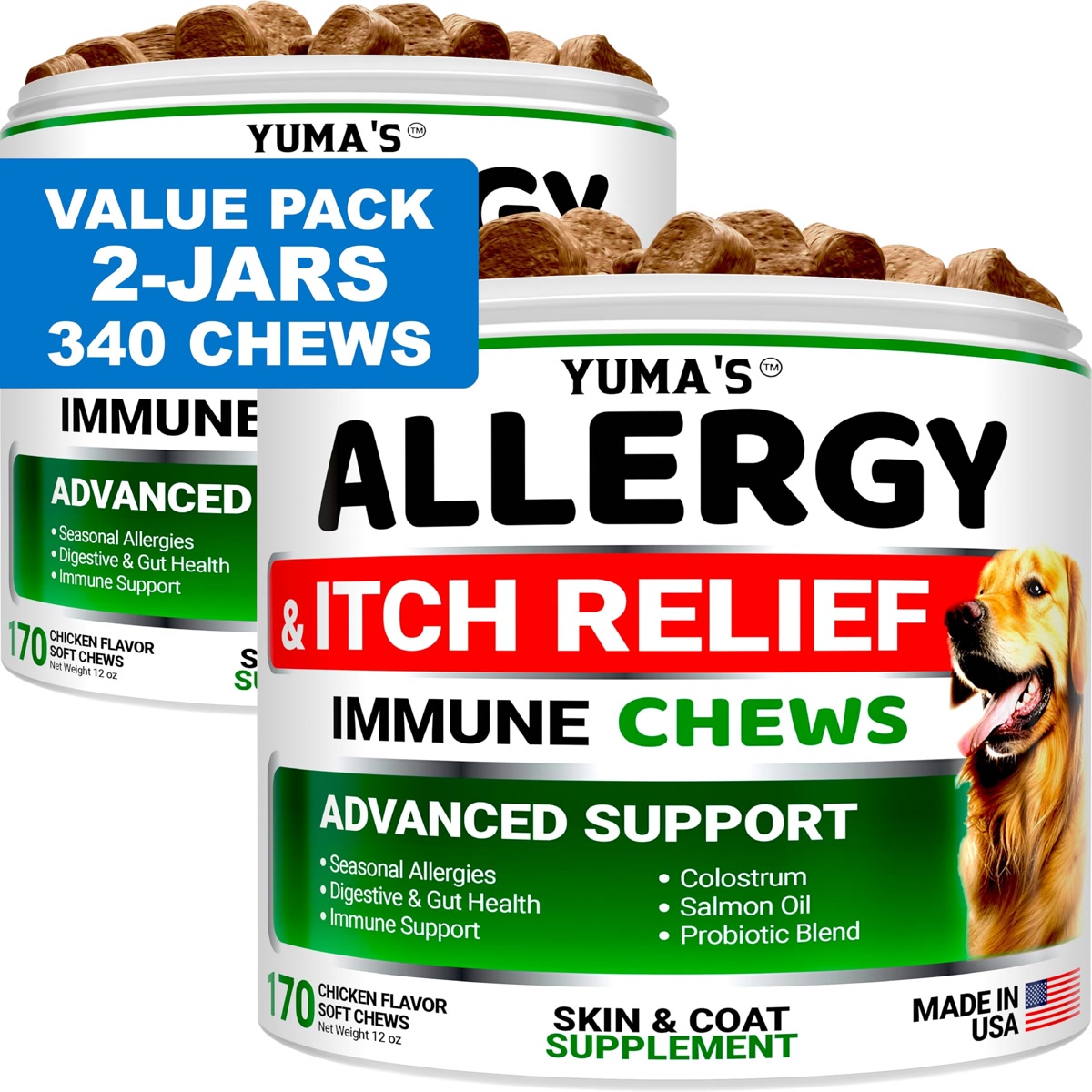
The most common type. Pollen, grass, dust mites, mold — the same things that make humans sneeze make dogs itch. Except dogs don’t sneeze much; they scratch, lick their paws, and get chronic ear infections.
Symptoms:
• Itching (especially paws, belly, ears, and armpits)
• Red, irritated skin
• Chronic ear infections
• Licking or chewing paws until they’re pink or brown (from saliva staining)
• Rubbing face on furniture or carpet
• Seasonal pattern (spring/fall for pollen allergies, year-round for dust mites)
Prevalence: Affects approximately 10–15% of dogs. Certain breeds are predisposed — French Bulldogs, German Shepherds, Golden Retrievers, Labrador Retrievers, Westies, and Pit Bulls top the list.
Food Allergies
Less common than environmental allergies (only about 10% of allergic dogs have true food allergies), but often suspected first because people think “itchy dog = food problem.”
Symptoms:
• Same itching and scratching as environmental allergies
• Chronic diarrhea or soft stool
• Vomiting
• Gas and bloating
• Skin infections that don’t respond to antibiotics
Important: Most “food allergies” in dogs are actually food intolerances. True food allergies involve the immune system (IgE-mediated reactions). Food intolerances cause GI upset but not the immune cascade that leads to chronic itching and infections.
The most common food allergens for dogs: Beef, dairy, chicken, wheat, and soy — in that order. Novel protein diets (venison, rabbit, kangaroo) aren’t inherently better; they’re just proteins your dog hasn’t been exposed to before, so they haven’t developed an allergy to them yet.
Flea Allergy Dermatitis
If your dog is allergic to flea saliva, a single flea bite can cause intense itching for up to two weeks. This is the most treatable allergy because the “cure” is straightforward: prevent fleas.
Symptoms:
• Intense itching concentrated at the base of the tail and lower back
• Hair loss and scabbing in the same area
• Red, inflamed skin
• Visible flea dirt (black specks that turn red on a wet paper towel)
Treatment: Monthly flea prevention. That’s it. See our flea and tick prevention comparison for the most cost-effective options.
What Dog Allergies Actually Cost
Here’s what real allergy management looks like financially:
| Expense | Typical Cost | Budget Alternative |
|---|---|---|
| Vet exam (initial diagnosis) | 50–120 dollars | Low-cost clinic (30–50 dollars) |
| Allergy testing (blood/skin) | 200–800 dollars | Skip testing; try elimination diet first |
| Cytopoint injection | 50–200 dollars/dose | Apoquel is cheaper long-term for some dogs |
| Apoquel (oclacitinib) | 50–80 dollars/month | Generic oclacitinib (25–40 dollars/month) |
| Prescription shampoo | 20–50 dollars | Chlorhexidine shampoo (10–15 dollars) |
| Ear infection treatment | 100–250 dollars per infection | Prevent with weekly ear cleaning (3 dollars/month) |
| Hydrolyzed protein food | 80–120 dollars/month | Limited ingredient diet (40–60 dollars/month) |
| Immunotherapy (allergy shots) | 50–100 dollars/month | Effective but takes 6–12 months to work |
Annual cost for a dog with moderate environmental allergies:
• Minimum (budget management): 200–400 dollars/year
• Typical (moderate management): 500–1,000 dollars/year
• Severe (specialist + immunotherapy): 1,000–3,000 dollars/year
The biggest variable? How many ear infections your dog gets. Each ear infection costs 100–250 dollars to treat. If your allergic dog gets 4 ear infections a year, that’s 400–1,000 dollars just in infection treatment — before you address the underlying allergy.
Preventing ear infections (see below) is the single most impactful thing you can do for your allergy budget.
Budget-Friendly Allergy Management
1. Weekly Ear Cleaning (Saves 400–1,000 Dollars/Year)
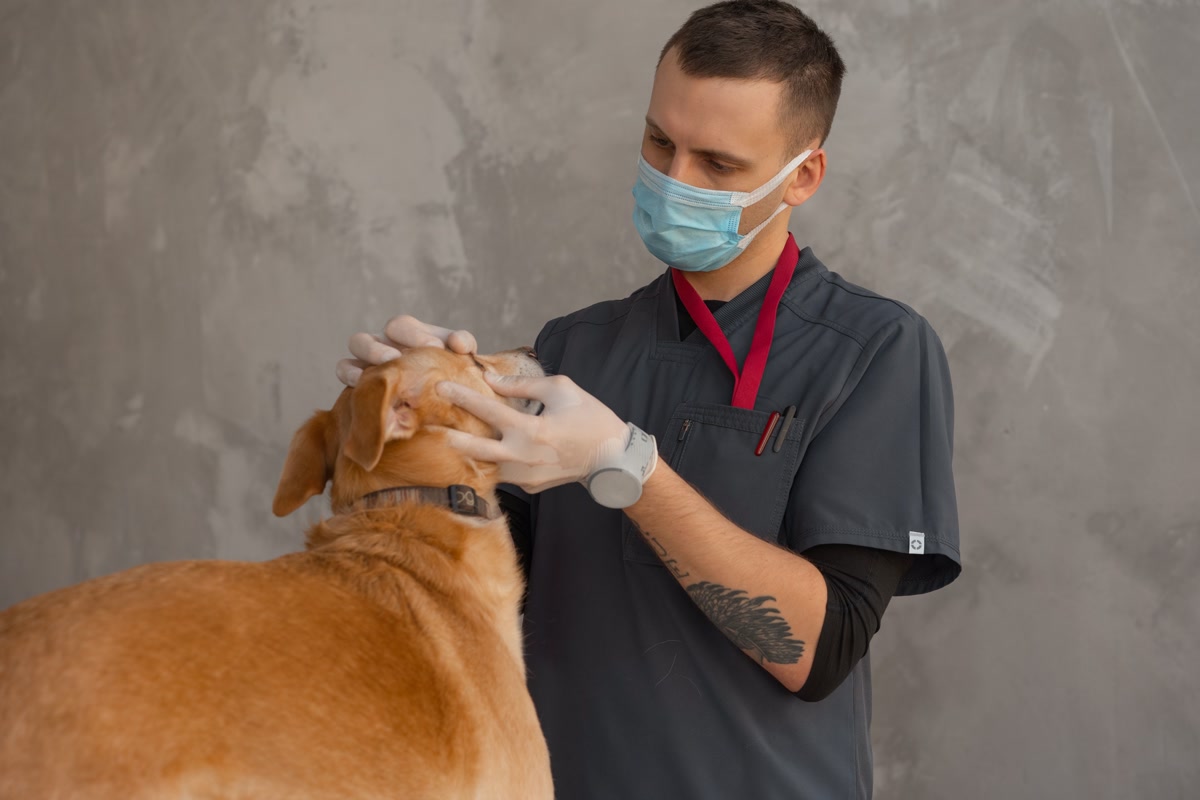
This is the highest-ROI intervention for allergic dogs. Ear infections are the most expensive complication of dog allergies, and they’re largely preventable with a 3-dollar/month routine.
What to use: Any vet-recommended ear cleaner containing either chlorhexidine or acetic acid. Vet’s Best Ear Relief (10 dollars for 4 ounces) or a generic chlorhexidine solution (8 dollars for 8 ounces) both work.
How to do it:
1. Fill the ear canal with cleaner
2. Massage the base of the ear for 30 seconds
3. Let your dog shake their head
4. Wipe away debris with a cotton ball (never use cotton swabs inside the ear canal)
5. Repeat weekly
Cost: 3 dollars/month. Saves hundreds per year in infection treatment.
2. Chlorhexidine Shampoo Instead of Prescription Shampoo
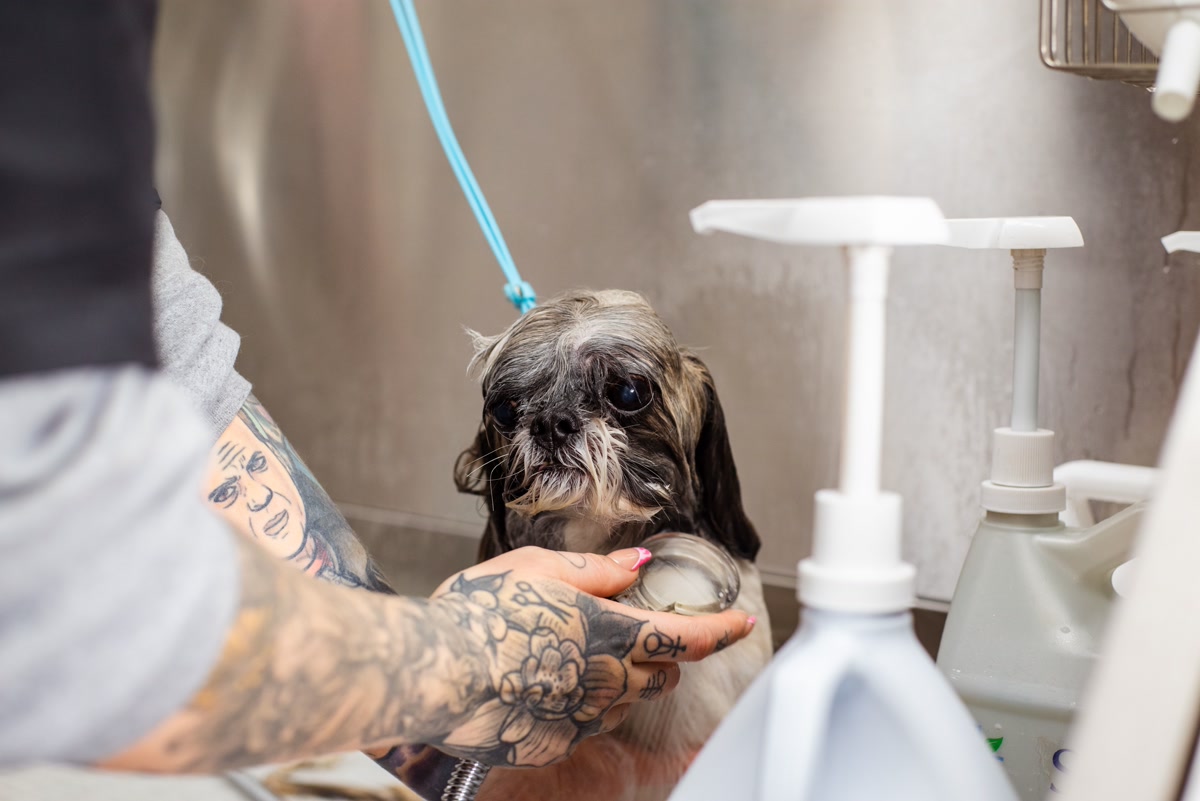
Vets often prescribe medicated shampoos like Douxo Chlorhexidine (25–40 dollars) or Malaseb (20–35 dollars). These work well, but you can get nearly identical active ingredients for a fraction of the price.
Budget alternative: Chlorhexidine 4% shampoo (10–15 dollars) or Ketoconazole 2% shampoo (12–18 dollars). These contain the same active antifungal and antibacterial ingredients at the same concentrations.
How often: Bathe your allergic dog every 1–2 weeks during flare-ups, every 2–4 weeks for maintenance. Leave the shampoo on for 5–10 minutes before rinsing — this is when the medication actually works.
3. Foot Soaks After Walks
Environmental allergies enter through the skin — and dogs’ paws are in constant contact with grass, pollen, and whatever’s on the sidewalk. A simple foot soak after walks removes allergens before they can trigger a reaction.
What to use: A container big enough for your dog’s paws, filled with cool water and a tablespoon of chlorhexidine solution or plain povidone-iodine (diluted until the water looks like weak tea).
How to do it:
1. Have your dog stand in the solution for 30–60 seconds
2. Pat dry with a towel
3. Do this after every walk during allergy season
Cost: Nearly free. A bottle of povidone-iodine is 6 dollars and lasts months.
4. Fish Oil Supplementation
Omega-3 fatty acids (specifically EPA and DHA from fish oil) reduce inflammation and support skin barrier function. This is one of the cheapest interventions with real evidence behind it.
What to use: Any fish oil supplement with at least 300 mg combined EPA/DHA per dose. Human fish oil capsules work fine — just check the EPA/DHA content, not the total fish oil amount.
Dosing: 300 mg EPA/DHA per 10 pounds of body weight, daily. A 20-pound dog needs about 600 mg EPA/DHA per day.
Cost: 8–15 dollars/month for a quality fish oil. This is not a substitute for Apoquel or Cytopoint in severe cases, but it reduces overall inflammation and can decrease the amount of medication your dog needs.
5. Generic Oclacitinib Instead of Brand Apoquel
Apoquel (oclacitinib) is the most commonly prescribed medication for environmental allergies in dogs. It works fast (relief within hours) and is very effective. But brand-name Apoquel costs 50–80 dollars/month.
Generic oclacitinib is now available from several manufacturers at 25–40 dollars/month. It’s the exact same active ingredient, same dosage, same mechanism of action. See our pet medication hacks guide for more details on generic pet medications.
Important: Don’t buy “Apoquel alternatives” that aren’t oclacitinib. Some supplements marketed as “natural Apoquel” contain nothing proven to work. Stick with the actual generic medication.
6. Limited Ingredient Diet Without the Premium Price Tag
Hydrolyzed protein diets (Hill’s z/d, Royal Canin HP) cost 80–120 dollars/month for a medium-sized dog. They work well for diagnosing food allergies, but they’re expensive for long-term maintenance.
Budget alternative: Limited ingredient diets (LID) with a single novel protein and a single carb source. Brands like Natural Balance LID (40–60 dollars/bag) or Victor Select (35–50 dollars/bag) use simple ingredients without the premium price of hydrolyzed diets.
The 8-week elimination diet:
1. Switch your dog to a single protein they’ve never eaten (venison, rabbit, or fish are common choices)
2. Feed only that food and water for 8 weeks — no treats, no table scraps, no flavored medications
3. If symptoms improve, reintroduce their old food
4. If symptoms return, you’ve confirmed a food allergy
5. If symptoms don’t improve, it’s not a food allergy — stop paying for expensive food
This is the gold standard for diagnosing food allergies, and it costs nothing beyond the food itself. Blood allergy tests for food are notoriously unreliable (60% false positive rate).
When to See a Vet (and When You Can Manage at Home)
See a vet immediately if:
• Your dog has a hot spot (raw, wet, oozing area of skin) — these spread fast and need antibiotics
• Ear discharge that’s dark brown, yellow, or smells bad — this is an infection, not just allergies
• Your dog is scratching until they bleed — they need prescription relief now
• Swelling of the face, lips, or eyes — this could be a systemic allergic reaction
Try home management first if:
• Mild seasonal itching that comes and goes
• Occasional paw licking after walks
• Dry, flaky skin without open sores
• You’re already treating with weekly ear cleaning and foot soaks and want to see if that’s enough
See a veterinary dermatologist if:
• Your dog has been on Apoquel for 6+ months without adequate relief
• You’re spending over 1,000 dollars/year on allergy management
• Your dog has recurrent skin infections (4+ per year)
• Your regular vet recommends allergy testing or immunotherapy
The Real Cost Comparison: Budget vs. Typical Management
Let’s compare what a year of allergy management looks like at different spending levels for a 25-pound dog with moderate environmental allergies:
| Item | Budget Approach | Typical Approach |
|---|---|---|
| Vet visits | 50 dollars (low-cost clinic) | 200 dollars (2 regular visits) |
| Medication | 300 dollars (generic oclacitinib) | 720 dollars (brand Apoquel) |
| Shampoo | 30 dollars (generic chlorhexidine) | 80 dollars (prescription shampoo) |
| Ear cleaning | 36 dollars (3 dollars/month) | 300 dollars (ear infection treatments) |
| Fish oil | 120 dollars (10 dollars/month) | 0 dollars (not recommended by vet) |
| Foot soaks | 12 dollars (povidone-iodine) | 0 dollars (not done) |
| Annual Total | 548 dollars | 1,300 dollars |
The biggest savings come from three things: generic medication, preventing ear infections, and not overpaying for shampoo. That’s 750 dollars a year back in your pocket for the same medical outcome.
Your dog doesn’t need the most expensive version of everything. They need the right treatment at a fair price. Now you know how to get it.
More budget guides from ThriftyPaw:
• 5 Pet Medication Hacks That Save Real Money — Generic equivalents, pharmacy pricing, and pill-splitting
• Emergency Vet Costs: What to Expect — Know before you need it
• Flea and Tick Prevention: What Works and What’s a Waste — Protecting your dog without overpaying
• How Much Does a Dog Cost Per Month? — The full monthly breakdown
Meta title: Dog Allergies on a Budget: Symptoms, Treatments, and Real Costs (2026)
Meta description: Dog allergies cost 200–3,000 dollars a year. Here’s how to manage itching, ear infections, and food allergies without overpaying — from generic Apoquel to DIY ear cleaning.
n
ThriftyPaw is reader-supported. As an Amazon Associate, we earn from qualifying purchases. This means we may earn a small commission when you buy through links on this site at no additional cost to you. We only recommend products we genuinely believe in. Thank you for supporting ThriftyPaw.
🐾 Get Your Free Big Dog First Aid Kit Checklist
Join our newsletter and get this free printable plus weekly tips.
Price Check
Prices verified via our product tracker. Updated Sep 27.
| Pet Shampoos : Amazon.com: earthbath Hypoallergenic Dog Sh | $17.99 | 4.7★ (1,853) |
| Natural Balance Limited Ingredient, Lamb & Brown Rice, 24 | $72.98 | 4.6★ (1,673) |
As an Amazon Associate we earn from qualifying purchases.