
This article contains affiliate links. We may earn a commission from qualifying purchases.
Some content on this site is AI-assisted and reviewed by our editorial team.
Last updated: May 2026 | By ThriftyPaw
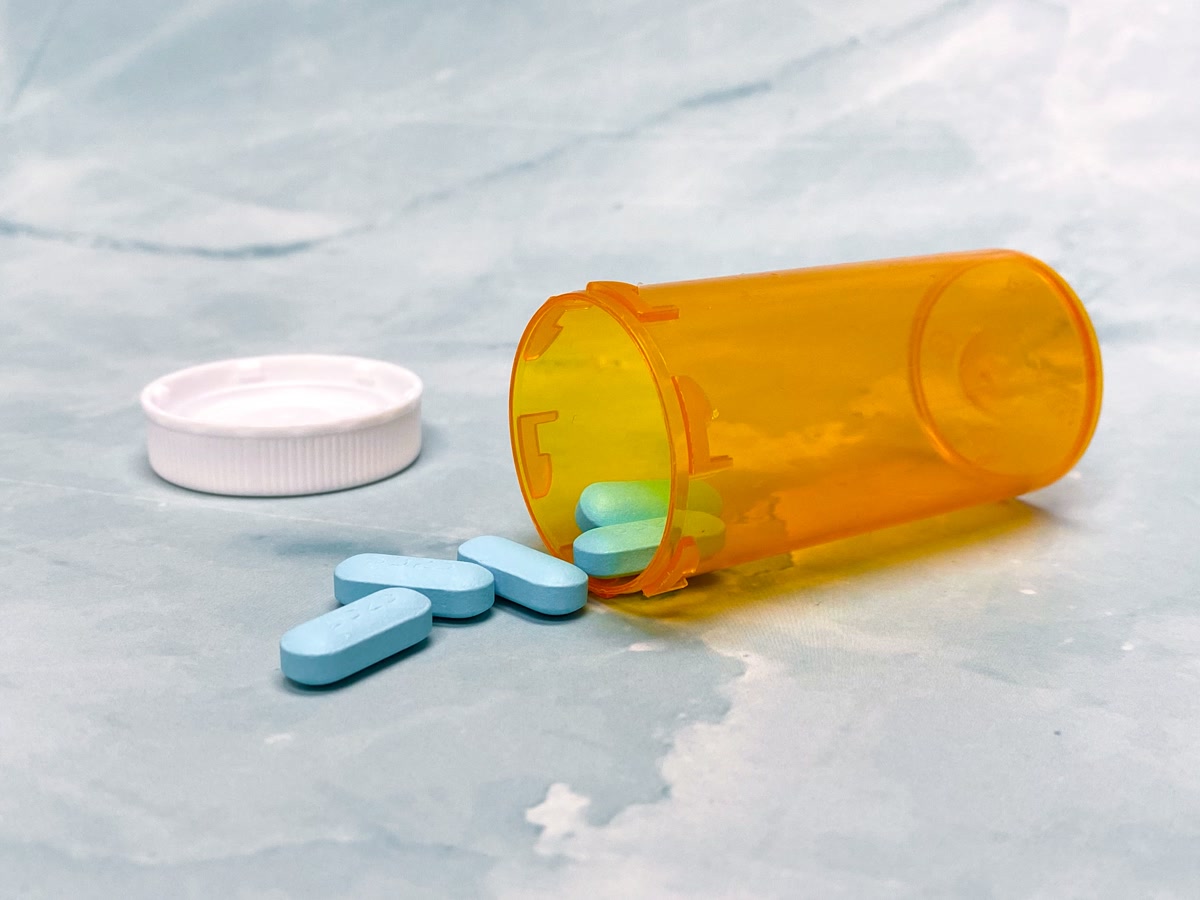
Pet medication is expensive. Like, genuinely expensive. The average dog owner spends $200–$400 a year on flea and tick prevention alone. Add heartworm meds, allergy pills, joint supplements, and the occasional antibiotic, and you’re easily looking at $500–$1,200 a year before you even touch a vet bill.
And it’s getting worse. The cost of veterinary care rose another 7% in 2025, and medication prices climbed right alongside it. Meanwhile, a lot of what you’re paying for has cheaper equivalents sitting on a shelf — you just don’t know to look.
These aren’t “skip your vet” hacks. They’re “stop overpaying for the exact same thing” hacks. Every single one of these is vet-approved, safe, and legal. Let’s get into it.
1. Buy the Generic, Not the Brand Name
This is the biggest single money-saver on pet meds, and most people don’t even know generics exist.
Heartworm prevention is the easiest example. HeartGard Plus (ivermectin/pyrantel) runs about $10–$12 per monthly dose. The generic equivalent — Iverhart Plus — has the exact same active ingredients, in the exact same doses, for $5–$7 per dose. Over a year, that’s $60–$84 back in your pocket for the same medication.
Flea and tick works the same way:
• NexGard (afoxolaner) → NexGard’s own generic line or generic afoxolaner chewables at $3–$5 less per dose
• Frontline Plus (fipronil/methoprene) → Generic fipronil products like PetArmor Plus for half the price
The FDA requires generic pet medications to have the same active ingredients, same strength, same dosage form, and same route of administration as the brand name. This isn’t sketchy offshore stuff — it’s the same drug in different packaging.
How to ask your vet: Say “Is there a generic equivalent for this medication?” Any good vet will tell you straight up. If they won’t, find a new vet.
The save: $60–$200/year depending on your dog’s weight and what you’re treating.
2. Use Pet Pharmacy Websites Instead of Your Vet’s Dispensary
Your vet’s markup on medication is typically 100–200% over wholesale. That’s not villainy — it’s how clinics cover overhead. But you don’t have to pay it.
Chewy Pharmacy and 1-800-PetMeds both sell the same FDA-approved medications at 30–50% less than most vet clinic prices. Here’s a real comparison on common meds (prices as of May 2026):
| Medication | Vet Clinic | Chewy Pharmacy | 1-800-PetMeds |
|---|---|---|---|
| HeartGard Plus (6-mo, 26–50 lb) | $65–$80 | $42 | $45 |
| NexGard (6-mo, 24–60 lb) | $90–$110 | $62 | $65 |
| Apoquel 16mg (30 count) | $85–$110 | $55 | $58 |
| Rimadyl 75mg (60 count) | $70–$90 | $42 | $45 |
The catch: For prescription medications, you need your vet to authorize the prescription. Most online pharmacies handle this automatically — you give them your vet’s info, and they request authorization on your behalf. It takes 1–2 business days.
Pro tip: Chewy’s Autoship program stacks 5–10% on top of already-discounted pharmacy prices. Set it and forget it for ongoing meds.
The save: $100–$300/year on common prescriptions.
3. Ask Your Vet to Price-Match (They Often Will)
Here’s something most vets won’t advertise: many will match online pharmacy prices if you ask.
Vet clinics are losing pharmacy revenue to online retailers, and they know it. Rather than lose the sale entirely, a growing number of clinics — especially independent ones — will price-match Chewy, 1-800-PetMeds, or even Amazon if you show them the current price on your phone.
Why this is actually better than ordering online:
• You get the medication immediately — no 2-day wait for prescription authorization
• Your vet’s records stay complete, which matters for ongoing treatment plans
• No shipping delays or temperature-sensitive shipping concerns
• You support your local clinic while still paying online prices
How to do it:
• Pull up the product on Chewy or 1-800-PetMeds on your phone
• Show the price to the front desk before they ring you up
• Ask: “Do you price-match online pharmacies?”
• If they say yes, you’re golden. If they say no, see Hack #2.
The save: Same savings as ordering online, minus the wait.
4. Buy Multi-Month Bundles and Larger Packs
This is basic unit-pricing, but pet owners mess it up constantly because they don’t do the math.
A 6-month supply of NexGard costs about $62 on Chewy. A 3-month supply? About $38. That’s $12.67/month vs. $12.67/month — oh wait, same per dose. (NexGard is one of the few that prices evenly regardless of pack size.)
But look at flea and tick topicals:
• Frontline Plus 3-dose pack: $38.99 = $13/dose
• Frontline Plus 6-dose pack: $64.98 = $10.83/dose
That’s $2.17 saved per dose, or $26/year just by buying the bigger box on the exact same product.
Joint supplements are even worse:
• Dasuquin 90-count: ~$38 = $0.42/chew
• Dasuquin 150-count: ~$52 = $0.35/chew
• That’s $0.07/chew × 365 days = $25.55/year in savings from one size upgrade
The rule: Always check the per-dose or per-unit price. Buy the largest quantity your pet will use before the expiration date.
The save: $25–$75/year across all your pet’s meds.
5. Split Larger-Dose Pills When Your Vet Approves It
This one requires a vet’s green light, but it’s one of the most underused tricks in the book.
Many medications — especially antihistamines, some antibiotics, and supplements — are priced by pill, not by milligram. A 100mg pill of the same drug often costs the same as a 50mg pill. If your dog needs 50mg, you buy the 100mg and split it. Same drug, half the per-dose cost.
Where this commonly works:
• Apoquel (oclacitinib): 16mg and 5.4mg tablets are priced similarly per pill. If your dog takes 5.4mg, ask your vet about splitting the 16mg tablet — but note: this only works if your vet confirms the scored line allows accurate splitting. Don’t do this without asking.
• Benadryl (diphenhydramine): A 25mg tablet costs basically the same as a 50mg tablet. Buy the 50s and split them. A 500-count bottle of 25mg Benadryl vs 50mg? Same price per pill. Split the 50s.
• Joint supplements: Glucosamine/chondroitin dosing is flexible enough that splitting larger pills is safe and common.
Important safety rules:
• Scored tablets (they have a line for splitting)
• Time-release coatings that say “do not crush” — but splitting in half is usually fine
• Extended-release capsules (the little beads inside are the timed-release part)
• Very small pills where splitting makes the dose inaccurate
• Chemotherapy drugs or any medication with a narrow therapeutic index
Always ask your vet first. Say: “Can I buy the higher dose and split the pills?” They’ll tell you if it’s safe for that specific drug.
The save: $50–$150/year on applicable medications.
Putting It All Together
Let’s say you have a 50-pound dog on heartworm prevention, flea and tick meds, a daily allergy pill, and a joint supplement. Here’s what the hacks look like combined:
| Hack | Annual Savings |
|---|---|
| Switch to generic heartworm & flea/tick | $120 |
| Order from online pet pharmacy | $180 |
| Buy multi-month bundles | $50 |
| Split higher-dose pills (vet-approved) | $80 |
| Total | $430/year |
That’s $430 back in your pocket without changing a single thing about your dog’s care. Same medications, same quality, same protection. You’re just not paying the brand-name tax or the vet markup anymore.
The one thing we’re serious about: Don’t skip medications to save money. Heartworm prevention, flea and tick protection, and prescribed treatments aren’t optional. The hacks above save you money on the same care — not by cutting corners.
Your dog doesn’t need the most expensive version of everything. They need the right medication at a fair price. Now you know how to get it.
ThriftyPaw helps dog owners spend less without cutting corners. More practical guides:
• Chewy vs. Petco vs. Amazon: Where Pet Supplies Are Actually Cheapest
• 7 Ways to Save on Pet Food Without Switching to Cheap Brands
• Emergency Vet Costs: What to Expect and How to Prepare
Meta title: 5 Pet Medication Hacks That Save Real Money (2026)
Meta description: Vet-approved ways to save $400+ a year on pet medications — from generics to price-matching to pill-splitting. Same care, less money. Updated for 2026.
n
ThriftyPaw is reader-supported. As an Amazon Associate, we earn from qualifying purchases. This means we may earn a small commission when you buy through links on this site at no additional cost to you. We only recommend products we genuinely believe in. Thank you for supporting ThriftyPaw.
🐾 Get Your Free Big Dog First Aid Kit Checklist
Join our newsletter and get this free printable plus weekly tips.
Price Check
Prices verified via our product tracker. Updated Sep 27.
| Dog UTI Treatment, 200 Soft Chews Cranberry Supplement for | $22.99 | 4.4★ (242) |
| Vectra 3D Flea and Tick Prevention for Large Dogs 56–95 lb | $52.99 | 4.4★ (1,361) |
| WELMATE Diphenhydramine HCl 50mg, Extra Strength Allergy M | $27.95 | 4.7★ (737) |
As an Amazon Associate we earn from qualifying purchases.