This article contains affiliate links. We may earn a commission from qualifying purchases.
Some content on this site is AI-assisted and reviewed by our editorial team.
Cat dental disease is the most common health problem in cats — by age 3, 70 percent of cats have some form of dental disease, and by age 10, nearly all cats are affected. Yet dental care is the most neglected aspect of cat health, with only 7 percent of cat owners brushing their cat’s teeth. The result: cats suffer silently from tooth pain, gum infection, and tooth loss for years. The budget prevention protocol costs 3-8 dollars per month and can add 2-4 quality years to your cat’s life. This guide covers the 4 stages of cat dental disease, how to brush your cat’s teeth (even if they hate it), the budget prevention protocol, and when dental problems need professional treatment.
The 4 Stages of Cat Dental Disease
Stage 1: Gingivitis (Reversible)
Inflammation of the gums. The gum line is red and slightly swollen. Plaque (a film of bacteria) has accumulated along the gum line. No pain or tooth damage yet. Reversible with daily brushing and dental treats. Cost to treat: 3-8 dollars/month for prevention supplies.
Stage 2: Early Periodontitis (Partially Reversible)
Plaque has hardened into tartar (calculus) — a yellow-brown crust that cannot be removed by brushing. The gums are more inflamed and may bleed when touched. The ligaments attaching the tooth to the jawbone are beginning to weaken. Bad breath is noticeable. Requires professional dental cleaning (300-800 dollars) to remove tartar above and below the gum line. Some bone loss may be permanent.
Stage 3: Moderate Periodontitis (Irreversible Damage)
Significant tartar buildup. Gums are red, swollen, and receding. Teeth may be loose. Pain is present — cats may drool, paw at the mouth, or eat on one side. Bad breath is strong. Tooth root abscesses (infections at the tooth root) may form, causing facial swelling. Professional cleaning (300-800 dollars) plus tooth extractions (50-150 dollars per tooth) are needed. Significant bone loss is permanent.
Stage 4: Advanced Periodontitis (Severe Damage)
Most or all teeth are affected. Teeth are loose, missing, or have exposed roots. Severe pain — cats may stop eating. Gum tissue is destroyed, and abscesses are common. Bacteria from the mouth enter the bloodstream and can infect the heart valves, kidneys, and liver. Multiple extractions (500-2,000 dollars) are needed. Cats can eat wet food without teeth — they swallow it whole or gum it.
Why Cat Dental Disease Is Different from Dog Dental Disease
Cats get two dental diseases that dogs do not:
- Feline tooth resorption (FORL) — The tooth structure is destroyed by cells called odontoclasts. The enamel is resorbed, exposing the sensitive dentin underneath. This is extremely painful — one of the most painful conditions in veterinary medicine. Affects 30-60 percent of cats over 6 years old. The cause is unknown. The only treatment is extraction of the affected tooth. Signs: Jaw twitching when the tooth is touched, drooling, eating on one side, not eating hard food.
- Feline chronic gingivostomatitis (FCGS) — Severe inflammation of the gums and the back of the mouth (caudal oral mucosa). The mouth is bright red, ulcerated, and extremely painful. Cats drool, cannot eat, and lose weight. The cause is an overactive immune response to plaque bacteria. Treatment: professional cleaning, medication (steroids, immunosuppressants), and often full-mouth extraction (all teeth removed, 2,000-5,000 dollars). 80 percent of cats improve after full-mouth extraction.
How to Brush Your Cat’s Teeth (3-5 Dollars, Free After That)
Daily brushing is the single most effective thing you can do for your cat’s dental health. It reduces plaque by 80 percent and prevents tartar buildup. Here is the step-by-step protocol for cats that have never had their teeth brushed:
Week 1: Get Your Cat Used to Mouth Handling
- Hold your cat in your lap and gently lift the lip on one side. Hold for 5 seconds, then release. Treat and praise.
- Repeat 2-3 times per day for a week. Do not try to brush yet — just get your cat used to having their mouth handled.
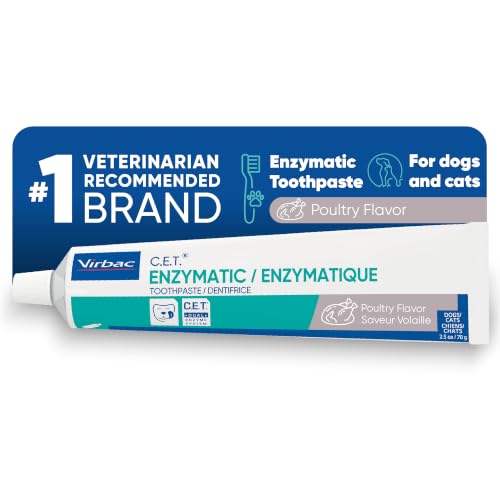
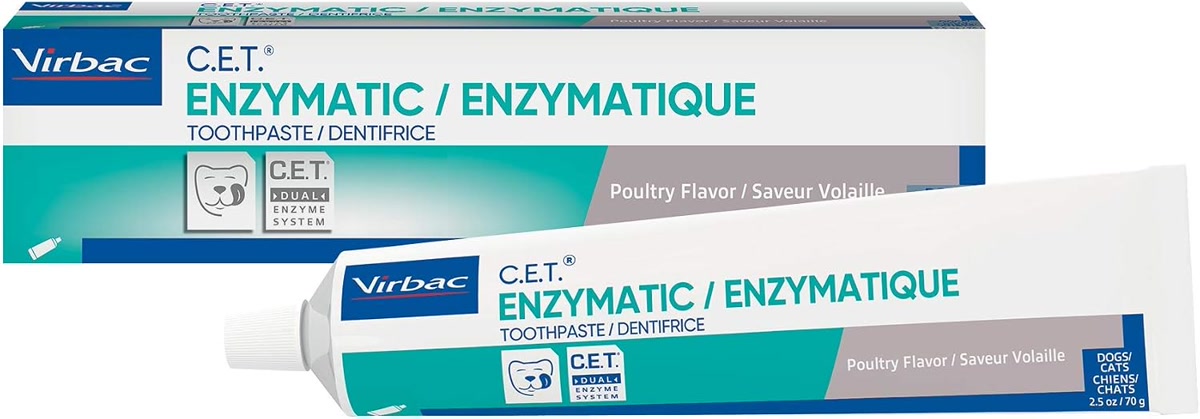
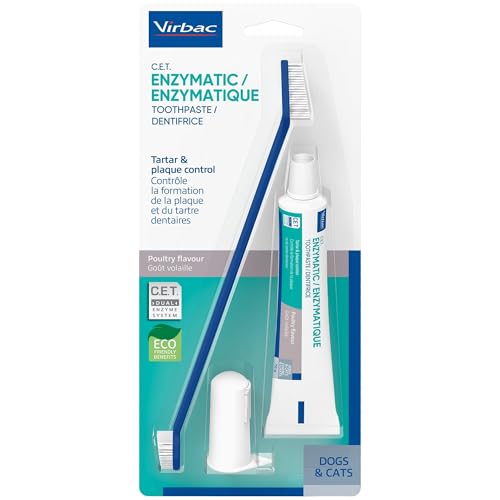
- Use Virbac C.E.T. Enzymatic Toothpaste — about $6 (poultry or seafood flavor) on your finger as a treat. Let your cat lick it off. Never use human toothpaste — fluoride is toxic to cats.
Week 2: Introduce the Brush
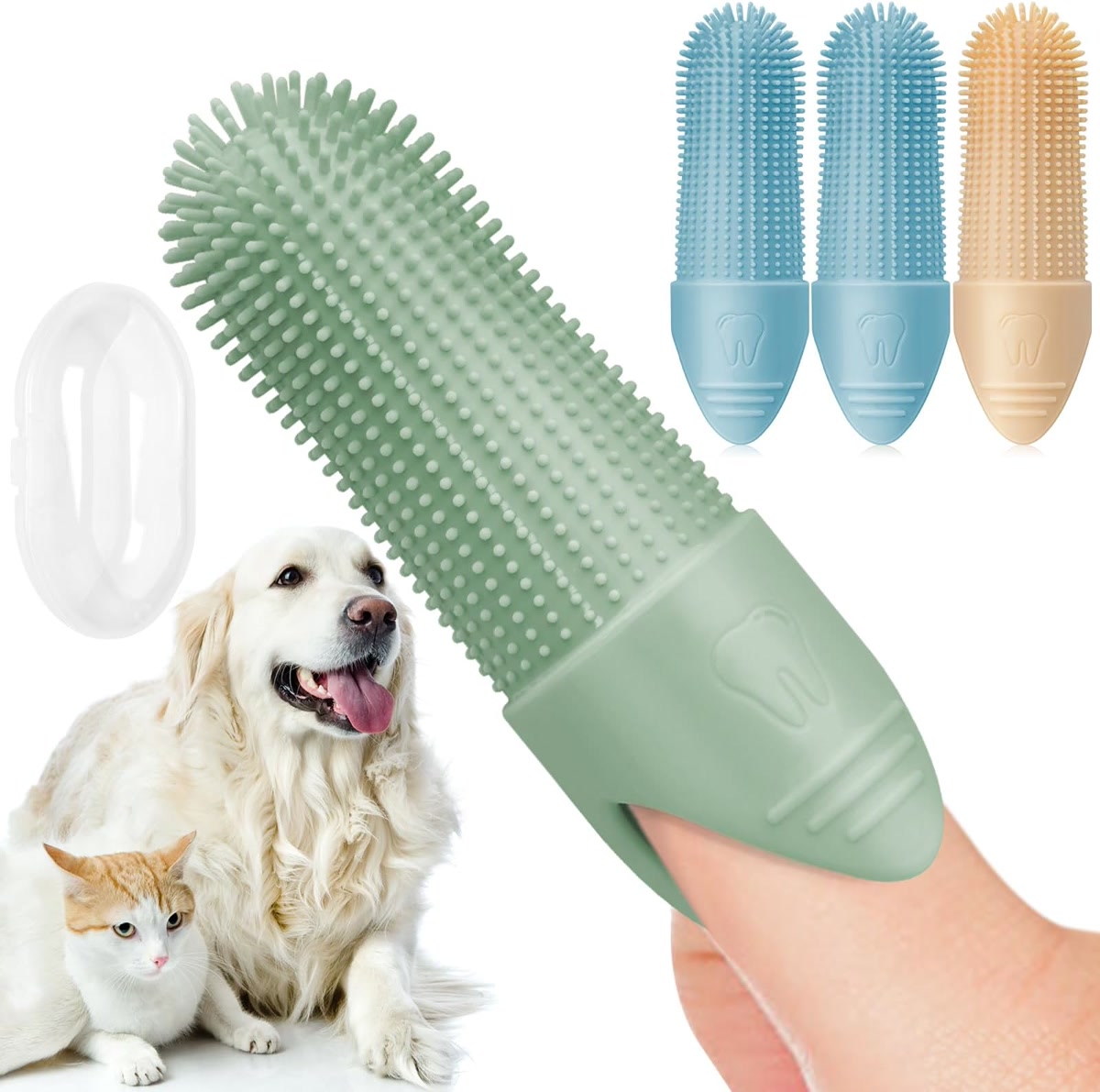
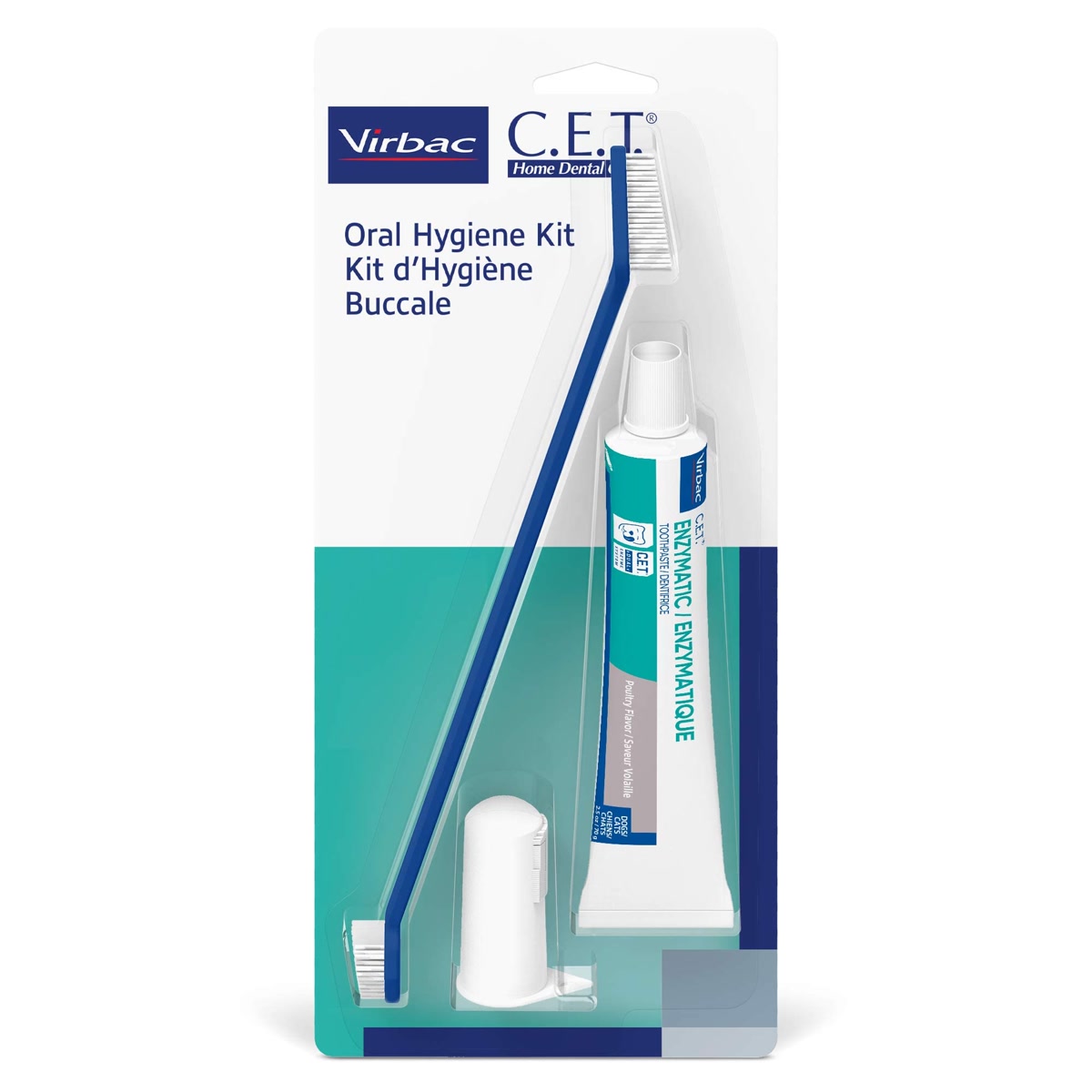
- Put cat toothpaste on a finger brush or a small, soft-bristled cat toothbrush. The Virbac C.E.T. Oral Hygiene Kit for Cats — about $10 includes a toothbrush, finger brush, and seafood-flavored toothpaste.
- Lift the lip and gently brush one tooth in a circular motion. Treat and praise.
- Gradually increase to 3-4 teeth per session. Keep sessions under 30 seconds initially.
Week 3: Brush All Teeth
- Brush all outer surfaces of the teeth (the side facing the cheek). You do not need to brush the inner surfaces — the tongue keeps the inner surfaces relatively clean.
- Focus on the back teeth (molars and premolars) — these accumulate plaque fastest.
- Brush for 30-60 seconds total. Treat and praise after.
Tips for Difficult Cats
- Wrap in a towel — The “burrito wrap” keeps your cat still and reduces stress. Leave the head exposed.
- Do one side per session — If your cat will not tolerate a full brushing, do the left side in the morning and the right side in the evening.
- Use dental gel instead of brushing — If your cat absolutely will not tolerate a brush, apply Oxyfresh Pet Dental Gel — about $12 with your finger. The gel contains enzymes that reduce plaque. Not as effective as brushing but better than nothing.
- Be consistent — Daily brushing is ideal, but 3 times per week is still beneficial. Once per week is the minimum.
The Budget Prevention Protocol (3-8 Dollars Per Month)
1. Daily Tooth Brushing (3-5 Dollars One-Time, Free After)
The most effective prevention. Cat toothbrush and toothpaste: 3-5 dollars. See the protocol above. Reduces plaque by 80 percent.
2. Dental Diet or Dental Treats (5-10 Dollars Per Month)
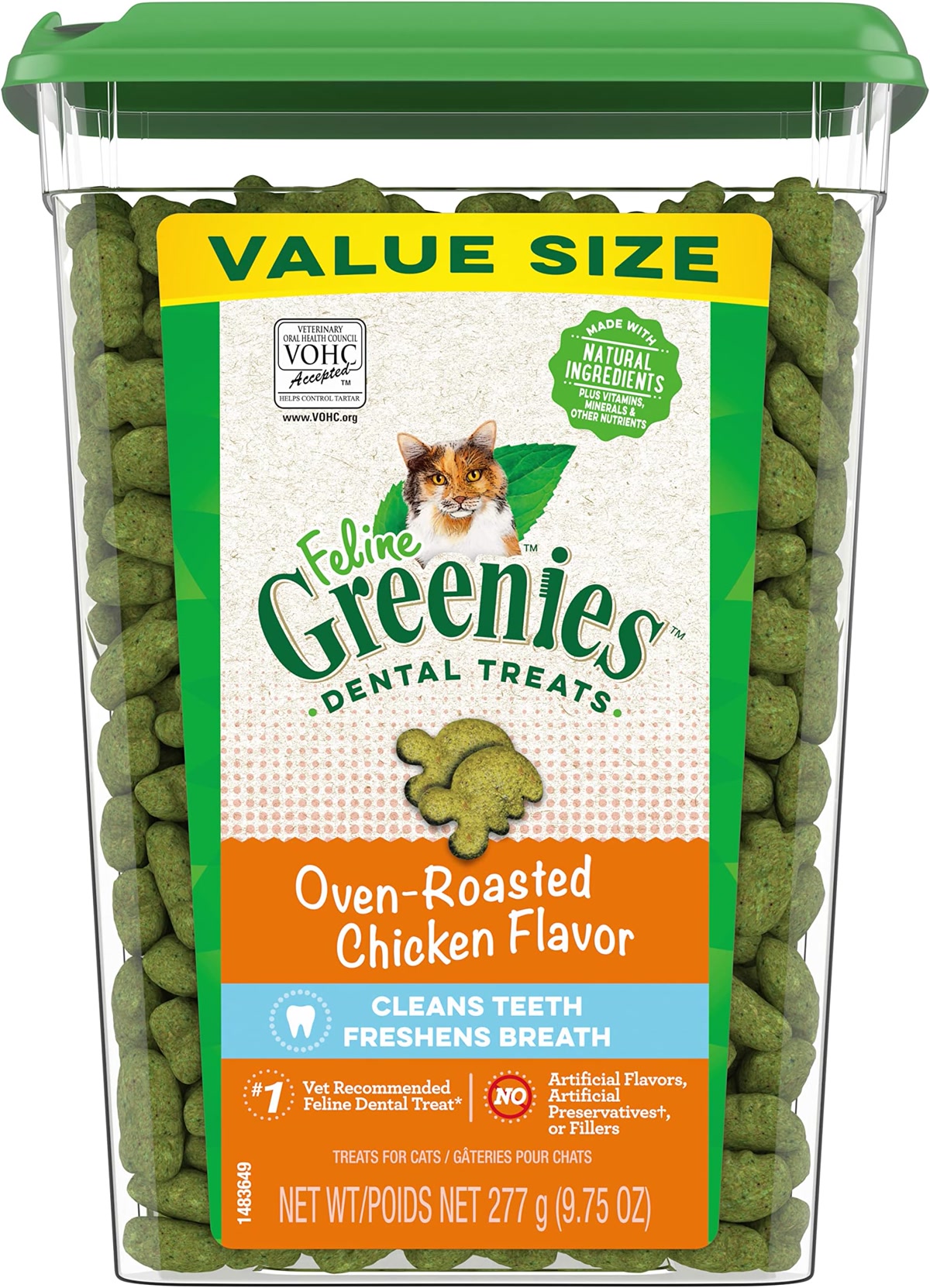
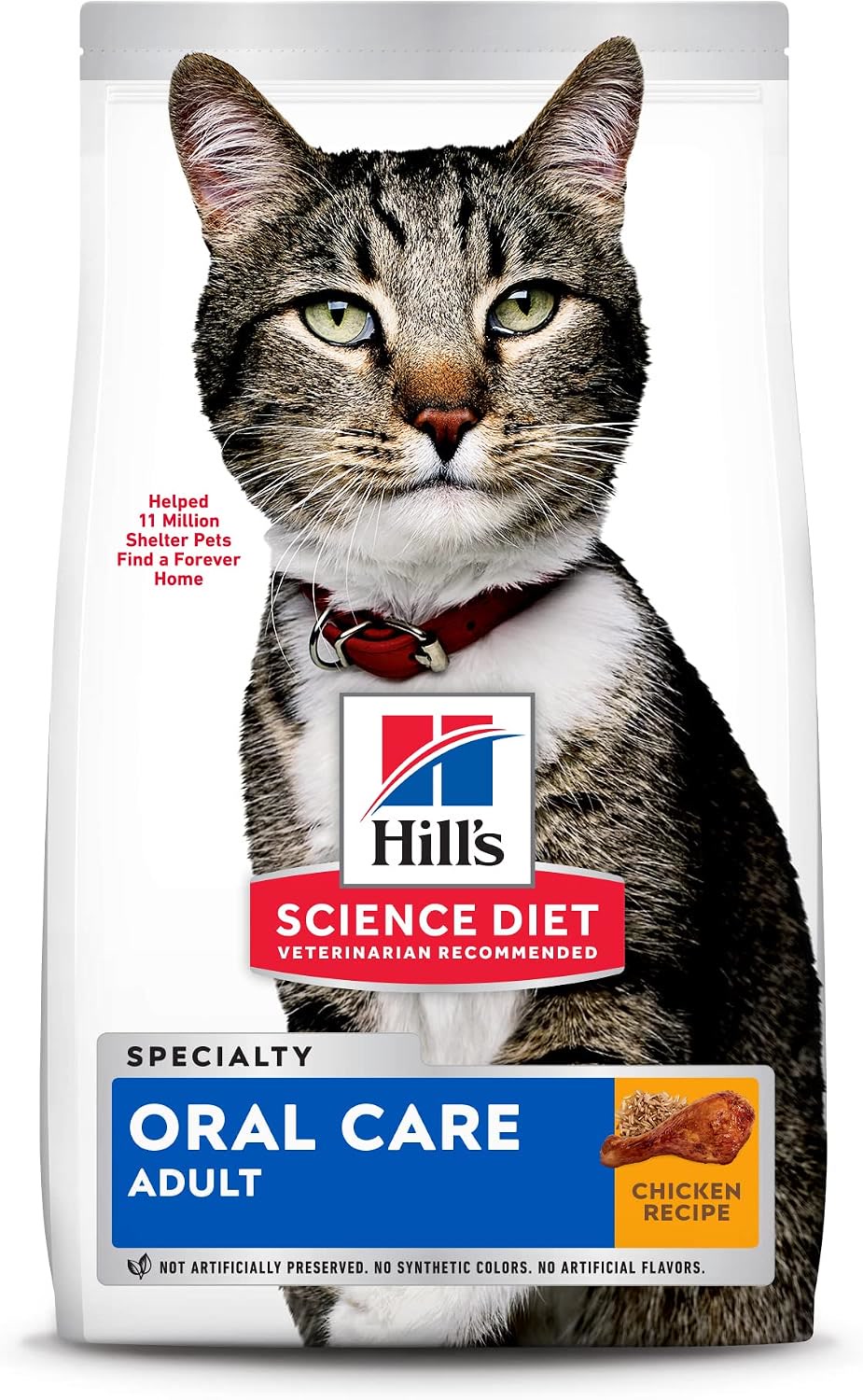
Dental diets like Hill’s Science Diet Adult Oral Care Cat Food — about $25 and Royal Canin Veterinary Diet Feline Dental — about $48 have larger kibble that forces the cat to chew, and the kibble texture scrapes plaque off the teeth as the cat chews. Dental treats like Greenies Feline Dental Treats — about $5/month work the same way. They are not a replacement for brushing but provide additional plaque reduction. Look for the Veterinary Oral Health Council (VOHC) seal — it means the product has been proven to reduce plaque or tartar.
3. Water Additive (5-8 Dollars Per Month)
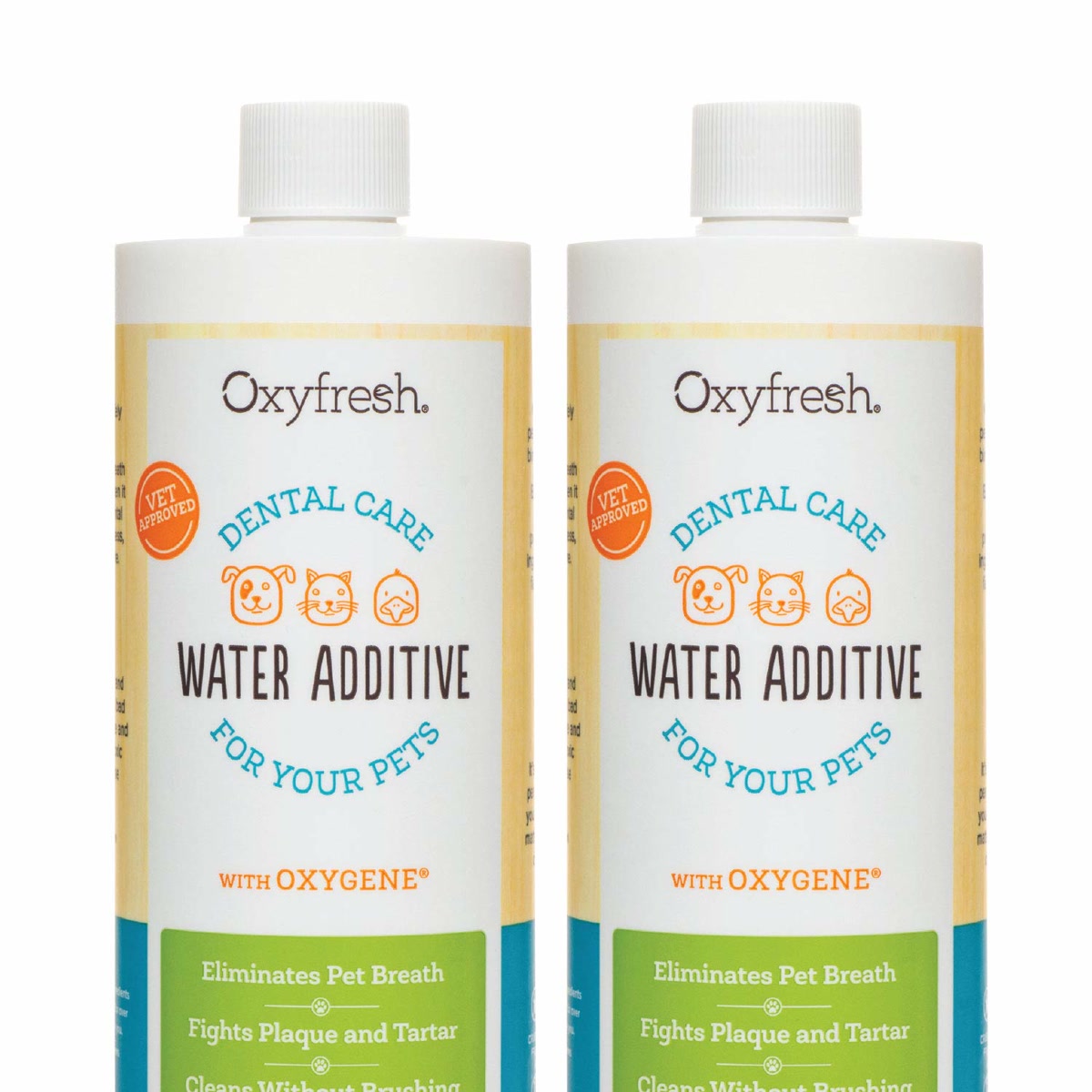
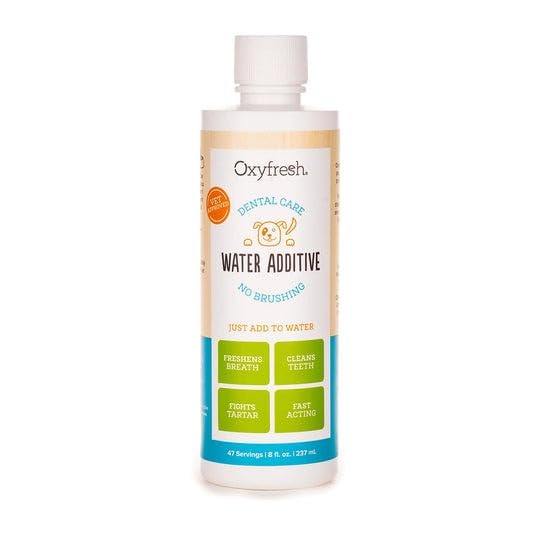
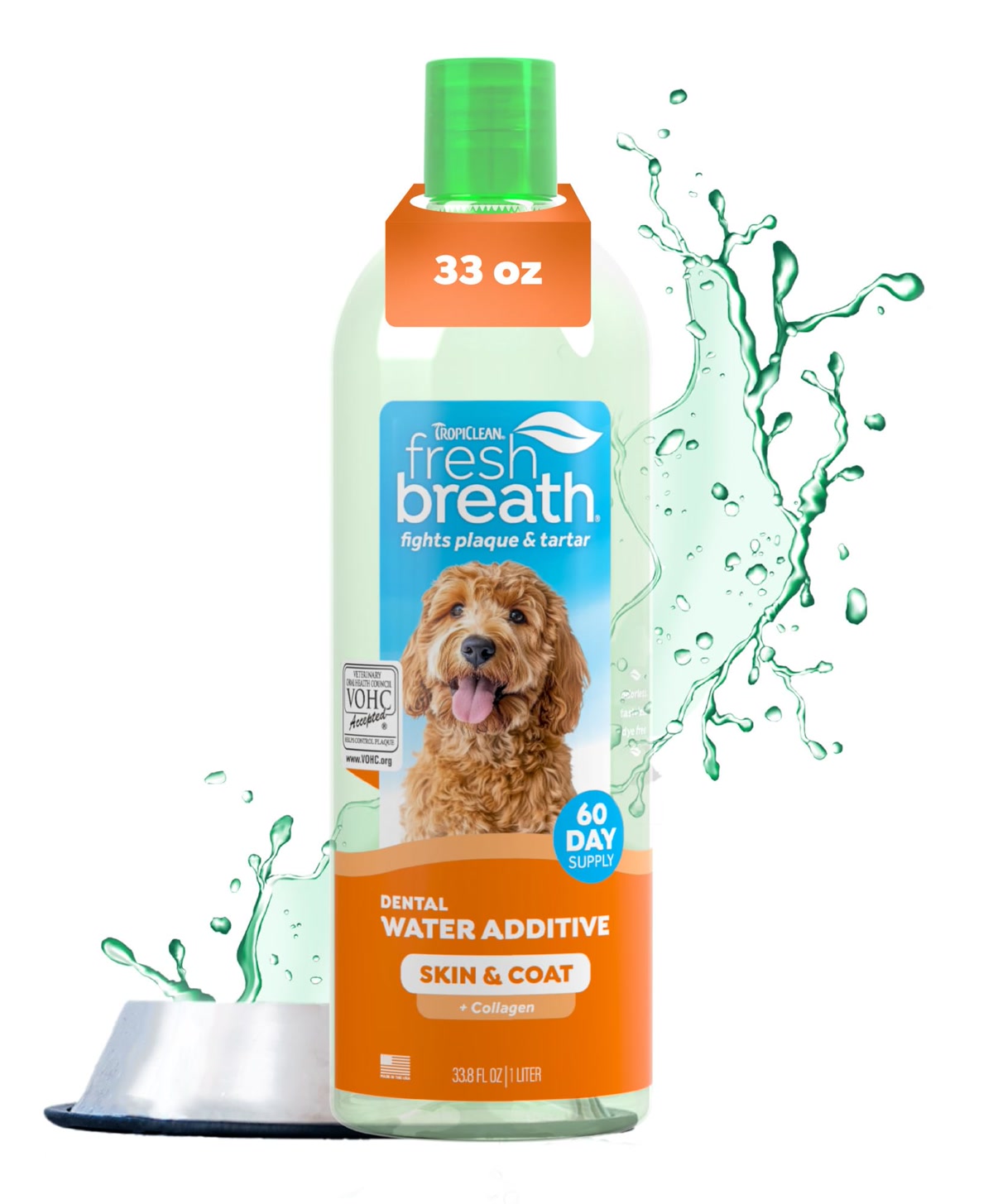
Dental water additives like Oxyfresh Premium Pet Dental Water Additive — about $14 and TropiClean Fresh Breath Water Additive — about $8 are added to your cat’s drinking water. They contain enzymes that reduce plaque bacteria. Not as effective as brushing but a good supplement, especially for cats that will not tolerate brushing. Make sure the product is specifically for cats — some dog products contain xylitol, which is toxic to cats.
4. Annual Vet Oral Exam (Included in Annual Visit)
Your vet should examine your cat’s mouth at every annual visit. Ask specifically: “How do the teeth look?” Many vets do not routinely examine the mouth unless asked. Early gingivitis is easy to spot and treat.
5. Professional Dental Cleaning (300-800 Dollars Every 1-3 Years)
Even with daily brushing, cats need professional cleaning periodically — just like humans. The vet cleans tartar above and below the gum line, polishes the teeth, and checks for resorptive lesions and other problems. This requires general anesthesia (cats will not tolerate the ultrasonic scaler while awake). The cost includes anesthesia, scaling, polishing, and dental X-rays. Frequency depends on your cat’s dental health: every 3 years for cats with daily brushing, every 1-2 years for cats without.
Recognizing Dental Pain in Cats
Cats hide pain exceptionally well. Signs of dental pain are subtle:
- Bad breath (halitosis) — The most obvious sign. Healthy cat breath has little or no odor. Bad breath means bacterial infection in the mouth.
- Drooling — Excessive drooling, especially if blood-tinged, indicates oral pain.
- Eating on one side — Your cat chews only on one side of the mouth, indicating pain on the other side.
- Dropping food — Your cat picks up food and drops it, or food falls out of the mouth while eating.
- Not eating hard food — A cat that used to eat dry food and now only eats wet food may have tooth pain.
- Pawing at the mouth — Your cat rubs their mouth with a paw, indicating pain or discomfort.
- Decreased appetite — Dental pain reduces appetite. A cat that stops eating may have a toothache.
- Weight loss — From not eating due to pain.
- Jaw twitching — When the affected tooth is touched, the jaw muscles twitch. This is a sign of tooth resorption.
- Facial swelling — A swollen face under the eye indicates a tooth root abscess. This is a painful emergency.
- Not grooming — Dental pain makes grooming uncomfortable.
- Irritability — Pain makes cats grumpy. If your usually friendly cat starts swatting or hiding, check their mouth.
The Cost of Neglecting Cat Dental Care
| Stage | Treatment Needed | Cost |
|---|---|---|
| Stage 1 (Gingivitis) | Brushing + dental treats | 3-8 dollars/month |
| Stage 2 (Early periodontitis) | Professional cleaning | 300-800 dollars |
| Stage 3 (Moderate periodontitis) | Cleaning + extractions | 500-1,500 dollars |
| Stage 4 (Advanced periodontitis) | Multiple extractions + antibiotics | 1,000-3,000 dollars |
| Tooth resorption (FORL) | Extraction of affected teeth | 50-150 dollars per tooth |
| Gingivostomatitis (FCGS) | Full-mouth extraction | 2,000-5,000 dollars |
| Tooth root abscess | Extraction + antibiotics | 200-600 dollars |
The Bottom Line
Cat dental disease affects 70 percent of cats by age 3 and nearly all cats by age 10 — but is preventable for 3-8 dollars per month. The protocol: brush your cat’s teeth daily with cat toothpaste — about $6 and a cat toothbrush — about $10 (3-5 dollars one-time — see the 3-week training protocol for cats that have never been brushed), feed a dental diet or dental treats with the VOHC seal (Greenies Feline Dental Treats — about $5/month), add a dental water additive (Oxyfresh — about $14/month — make sure it is cat-safe, not dog products with xylitol), and get an annual oral exam from your vet (included in annual visit — ask “how do the teeth look?”). Professional cleaning (300-800 dollars, every 1-3 years depending on home care) removes tartar that brushing cannot. Cats get two dental diseases dogs do not: feline tooth resorption (FORL — the tooth is destroyed by the cat’s own cells, extremely painful, affects 30-60 percent of cats over 6, treatment is extraction at 50-150 dollars per tooth) and feline chronic gingivostomatitis (FCGS — severe mouth inflammation, treatment is often full-mouth extraction at 2,000-5,000 dollars). Recognize dental pain: bad breath, drooling, eating on one side, dropping food, not eating hard food, pawing at the mouth, jaw twitching (sign of tooth resorption), facial swelling (tooth root abscess — emergency), weight loss, and irritability. The cost of neglecting dental care: stage 1 gingivitis (3-8 dollars/month to reverse) progresses to stage 4 periodontitis (1,000-3,000 dollars for multiple extractions) plus risk of bacteria infecting the heart, kidneys, and liver. The 3-dollar toothbrush and 30 seconds per day prevent the 3,000-dollar extraction surgery and add 2-4 quality years to your cat’s life. Never use human toothpaste — fluoride is toxic to cats.
Last updated: July 2026 | By ThriftyPaw | Prices and availability subject to change
ThriftyPaw is reader-supported. As an Amazon Associate, we earn from qualifying purchases. This comes at no extra cost to you — we only recommend products we believe in for your pet.
My take: The three-week desensitization is the $6 answer to the $800 cleaning — 30 seconds a day once the cat accepts it. Start before stage 2; gingivitis reverses, periodontitis doesn’t, and the stomatitis cases at $2,000-5,000 are the expensive end of skipping it.
Related guides
- DIY Dog Grooming at Home — Save 500+ Dollars a Year
- 5 Budget Dog Summer Safety Essentials Under 50 Dollars
- Dog Vomiting Complete Home Guide: When to Treat and When to Rush to the Vet
- One 25 Dollar Roller Deleted an 83 Dollar Year of Pet Hair.
- How to Save Money on Dog Prescriptions — Generic vs Brand Name and Other Pharmacy Hacks (2026)
🐾 Get Your Free Big Dog First Aid Kit Checklist
Join our newsletter and get this free printable plus weekly tips.
Frequently Asked Questions
How common is dental disease in cats?
70% by age 3, nearly all by age 10 — and only 7% of cat owners brush. The stage table sets the stakes: stage 1 gingivitis is reversible with the free-to-$8 home care, stage 3 carries irreversible damage, and stage 4 with the stomatitis cases can end in full-mouth extraction at $2,000-5,000.
Can I really brush my cat's teeth?
Yes, with the three-week desensitization: week one is mouth-handling with the enzymatic paste as a treat ($6, poultry or seafood flavor), week two introduces the finger brush, week three the full brush. The $10 oral hygiene kit has all three tools. 30 seconds daily is the routine; the gel ($12) is the floor for cats that never accept the brush.
What does cat dental treatment cost at the vet?
Professional cleaning at $300-800, extractions at $50-150 per tooth, multiple extractions $500-2,000, and the full-mouth extraction (the stomatitis cases) $2,000-5,000. The $3-8 a month prevention routine is what keeps all of those in the rare-event category.
Liked this guide? Get the next one in your inbox — the pet budget checklist is free too.
✓ You're in — check your inbox.
No spam. Unsubscribe anytime. We never share your email.
Price Check
Prices verified via our product tracker. Updated Sep 27.
| C.E.T. Enzymatic Toothpaste for Dogs and Cats, Poultry, 2. | $12.29 | 4.6★ (17,435) |
| C.E.T. Oral Hygiene Kit for Dogs, Poultry flavor Toothpast | $15.29 | 4.6★ (6,235) |
| Oxyfresh Vets Professional Dog & Cat Dental Toothpaste Gel | $15.95 | 4.2★ (2,070) |
| Hill's Science Diet Adult Oral Care Dry Cat Food | #1 Vete | $23.99 | 4.6★ (6,648) |
| Royal Canin Feline Care Nutrition Dental Care Adult Dry Ca | $28.99 | 4.7★ (925) |
| Greenies Feline Natural Dental Cat Treats, Roasted Chicken | $10.98 | 4.8★ (44,333) |
| Oxyfresh Premium Pet Dental Care Solution Pet Water Additi | $18.95 | 4.3★ (40,571) |
| TropiClean Fresh Breath Dental Water Additive, Dog Breath | $24.99 | 4.3★ (24,540) |
As an Amazon Associate we earn from qualifying purchases.