
This article contains affiliate links. We may earn a commission from qualifying purchases.
Some content on this site is AI-assisted and reviewed by our editorial team.
Cat diabetes is one of the most expensive chronic conditions in veterinary medicine — costing 300-1,200 dollars per year for insulin, monitoring supplies, and vet visits. But type 2 diabetes in cats (which accounts for 95 percent of feline cases) is both preventable and, in early stages, reversible. The prevention program costs 0-10 dollars per month, and early-stage cats can achieve diabetic remission with a 15-dollar diet change. This guide covers the risk factors, how to recognize early signs, the budget prevention and management protocol, and how some cats actually stop being diabetic.
What Cat Diabetes Is
Type 2 diabetes in cats is caused by insulin resistance — the body produces insulin but the cells do not respond to it properly. Glucose (sugar) cannot enter cells, so it builds up in the bloodstream. The kidneys try to filter out the excess glucose, which pulls large amounts of water with it (causing excessive urination and thirst).
The progression:
- Insulin resistance — Cells stop responding to insulin. Blood sugar begins to rise. No symptoms yet.
- Prediabetes — Blood sugar is elevated but not yet in the diabetic range. The pancreas is working overtime to produce extra insulin. Reversible with diet change and weight loss.
- Early diabetes — Blood sugar is in the diabetic range. The pancreas is beginning to burn out from overproduction. Symptoms appear (increased thirst, urination, and eating). Remission is still possible with immediate diet change and weight loss.
- Established diabetes — The pancreas has largely stopped producing insulin. Insulin injections are required. Remission is possible but less likely.
- Advanced diabetes — Permanent insulin dependence. Ketoacidosis risk (life-threatening complication). Lifelong insulin required.
The window for remission is steps 2-3. If diabetes is caught early, 40-60 percent of cats can achieve remission (no longer need insulin) with diet change and weight loss alone. Once the pancreas burns out (step 4), remission rates drop to 15-25 percent.
Risk Factors: Which Cats Get Diabetes
| Risk Factor | Increased Risk |
|---|---|
| Obesity | 4x — The number one risk factor. 60% of indoor cats are overweight. |
| Age | Peak onset at 8-13 years. Rare under 4 years. |
| Male cats | 1.5-2x more likely than females |
| Burmese breed | 3-4x higher risk (genetic predisposition) |
| Physical inactivity | 2x risk in indoor cats with no exercise |
| Dry food diet | 2-3x risk vs. wet food diet (high carbohydrate content) |
| Glucocorticoid medications | Prednisone increases insulin resistance |
| Chronic pancreatitis | Damages insulin-producing cells |
The Early Signs of Cat Diabetes
Cat diabetes is often missed until it is advanced because the early signs are subtle and cats hide illness:
The “Three Ps” — Classic Early Signs
Polydipsia (excessive thirst): Your cat is drinking much more water than usual. The water bowl is empty faster. You are refilling it daily instead of every 2-3 days.

Polyuria (excessive urination): The litter box is soaked more quickly. You are scooping larger clumps. The litter is wet throughout the box rather than just in the usual spots. Some diabetic cats start urinating outside the box because the box is too wet.
Polyphagia (excessive eating): Your cat is always hungry. Eating more food than usual but losing weight. This is because glucose (the fuel) cannot enter cells, so the body thinks it is starving even while blood sugar is high.
Other Signs
- Weight loss despite increased eating — The classic paradox of diabetes. The cat eats more but loses weight because the food cannot be converted to energy.
- Lethargy — Less active, sleeping more, less interest in play.
- Weakness in hind legs — Diabetic neuropathy causes a “plantigrade” stance (the cat walks on their hocks/heels instead of on their toes). The hind legs look flat-footed.
- Poor coat condition — Grooming decreases because the cat is lethargic. The coat becomes matted, greasy, or dull.
- Vomiting — Especially in advanced diabetes or ketoacidosis.
If you see the “three Ps” (drinking more, urinating more, eating more but losing weight), take your cat to the vet for blood work. A glucose test (15-30 dollars) and fructosamine test (30-50 dollars, measures average blood sugar over 2-3 weeks) confirm the diagnosis.
The Budget Prevention Protocol (0-10 Dollars Per Month)
1. Feed a Low-Carbohydrate Diet (0-5 Dollars Extra Per Month)
Cats are obligate carnivores — their natural diet (mice, birds) is 50-60 percent protein, 30-40 percent fat, and 3-5 percent carbohydrate. Dry cat food is 30-50 percent carbohydrate (from grain and starch fillers). This massive carbohydrate overload causes chronic insulin resistance and, eventually, diabetes.
The fix: feed a low-carbohydrate, high-protein diet. The easiest way is to switch from dry to wet food:
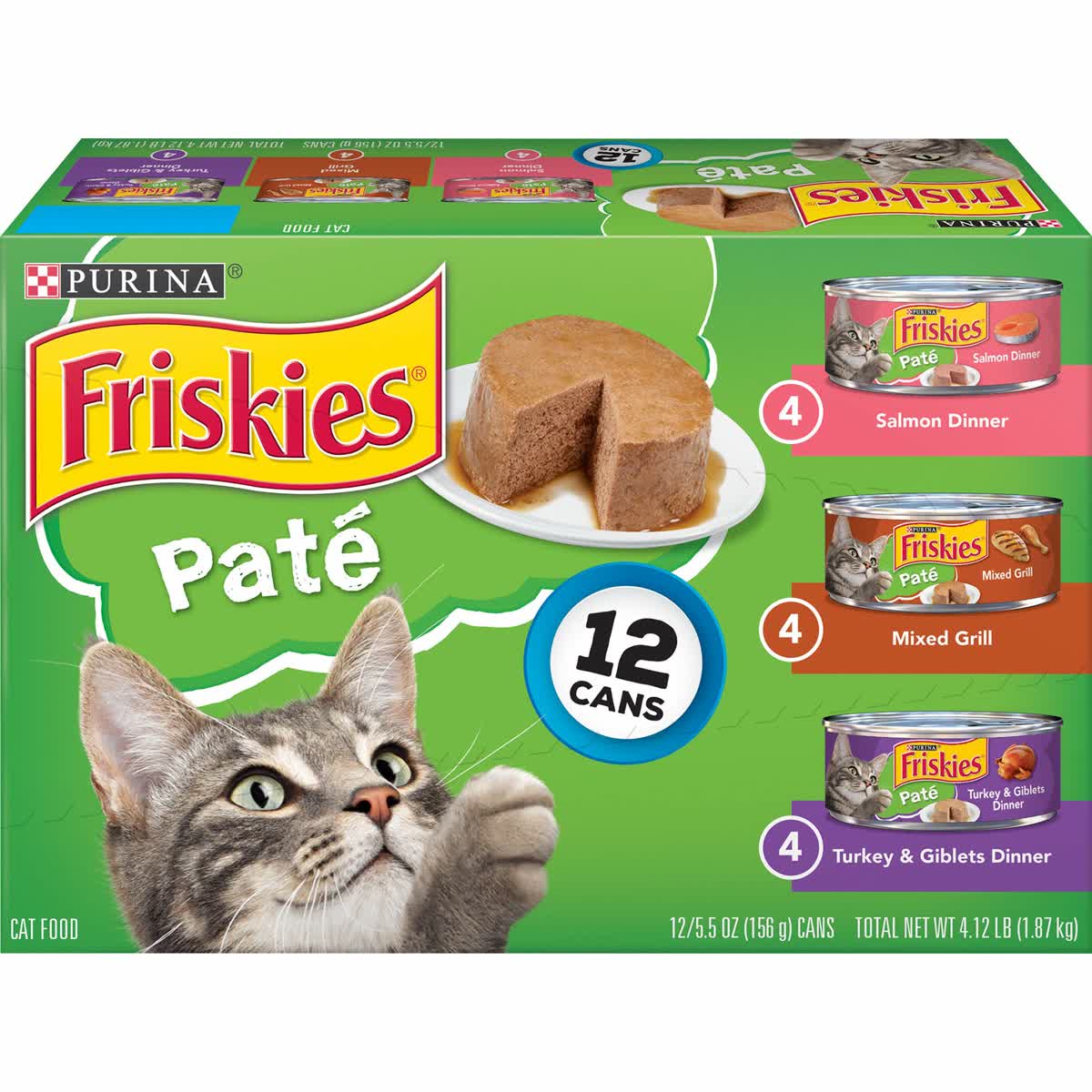
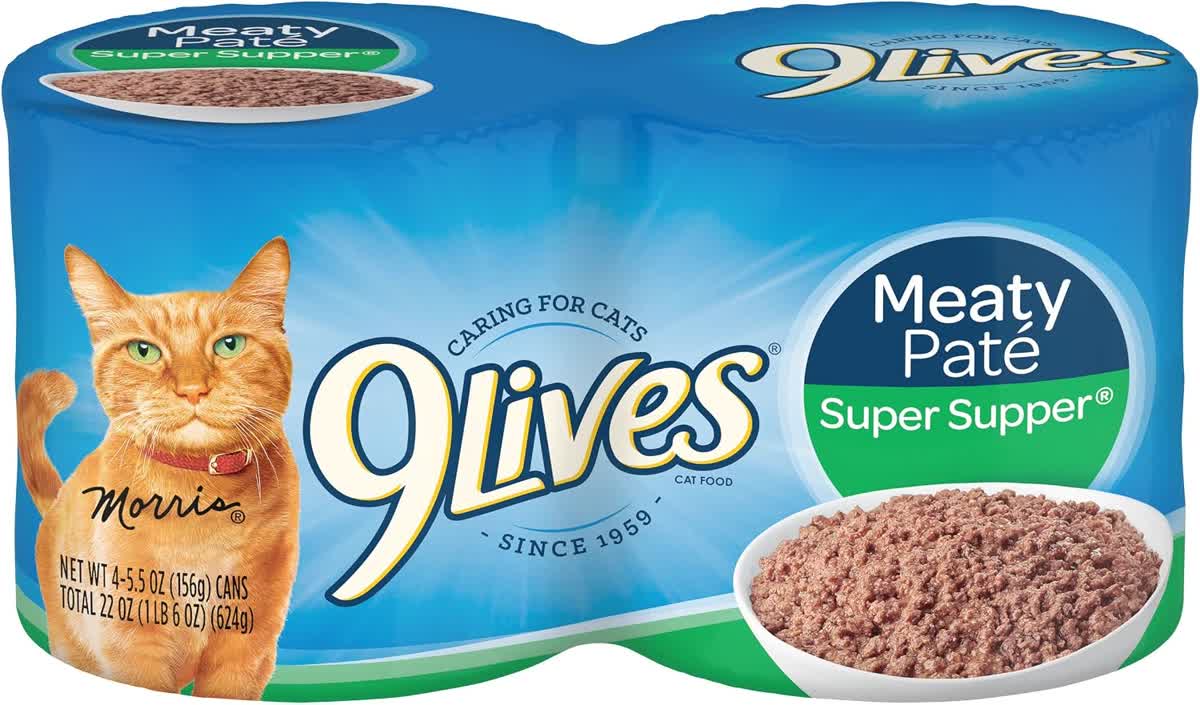
- Budget wet food — Friskies Pate Variety Pack — about 0.30-0.50 dollars/can. Pate varieties are lower in carbohydrate than chunky or shredded varieties. Read the label — look for “high protein” or “grain-free” formulas. You can also try 9Lives Pate Favorites Variety Pack — about 0.25-0.40 dollars/can.
- Premium low-carb wet — Fancy Feast Classic Pate — about 0.50-0.70 dollars/can. The “classic” pate line is 4-7 percent carbohydrate, which is appropriate for cats.
- Prescription diabetic diet — Hill’s m/d or Purina DM (1.50-2.50 dollars/can). For cats already diagnosed with diabetes. Requires vet prescription.
If you cannot switch to wet food, reduce dry food amount by 20 percent and add protein (cooked chicken, plain) to lower the overall carbohydrate percentage. Cost: 0-3 dollars extra per month.
2. Weight Management (Free — See Cat Weight Loss Guide)
Obesity is the number one risk factor for cat diabetes. A cat at ideal weight is 4 times less likely to develop diabetes than an obese cat. If your cat is overweight, start the safe weight loss program (15-20 percent food reduction, wet food transition, 15-20 minutes of daily play). Even a 10 percent weight loss dramatically improves insulin sensitivity.
3. Exercise (Free)
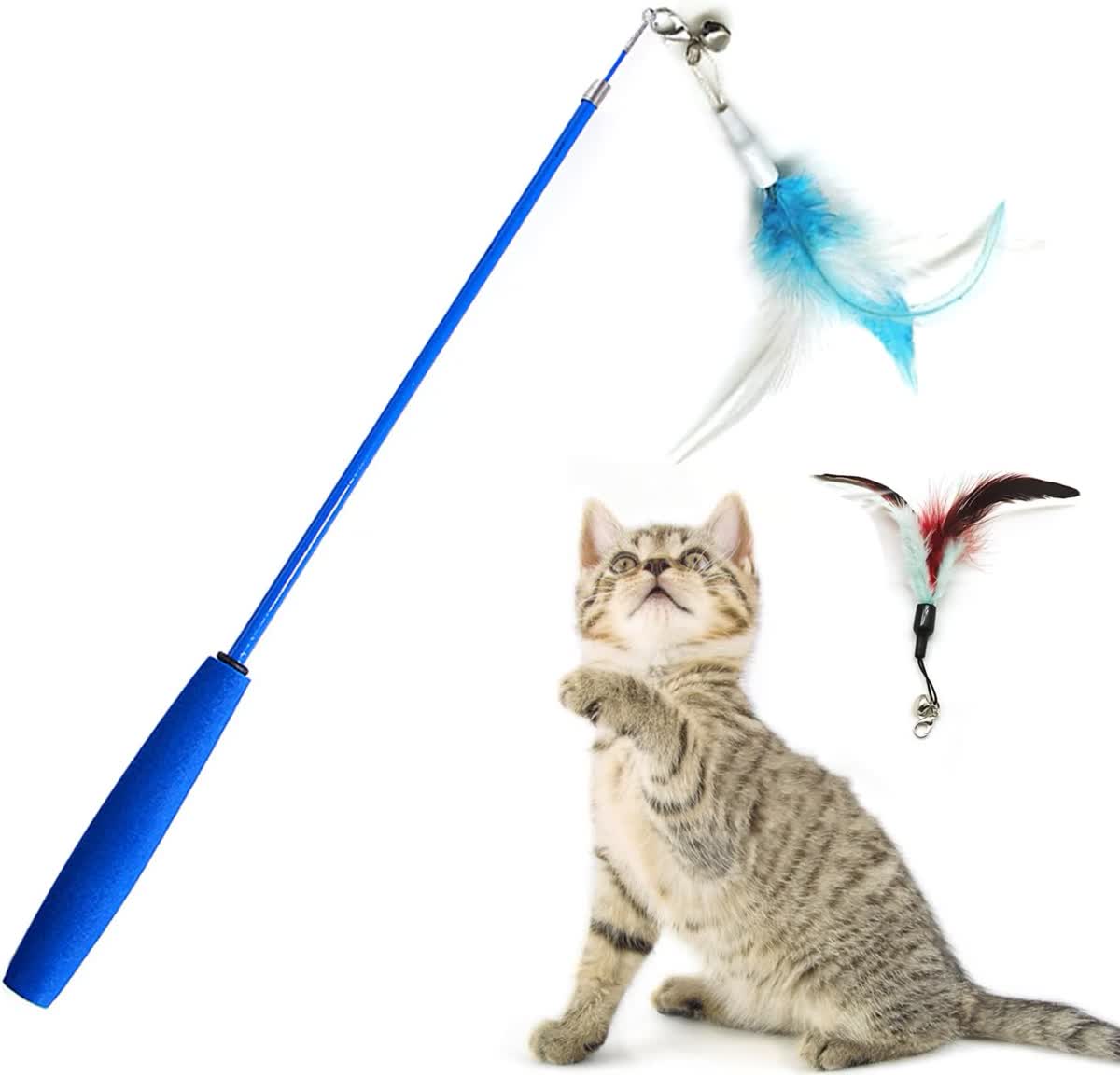
Physical activity improves insulin sensitivity in cats the same way it does in humans. 15-20 minutes of active play per day (wand toy, laser pointer, fetch) reduces diabetes risk and helps with weight management. A simple interactive cat wand toy with feather attachments — about 8 dollars — is all you need for daily exercise sessions. See the indoor cat enrichment guide for the play routine.
4. Annual Blood Work (80-150 Dollars Per Year)
For cats over 8 years old, annual blood work that includes a glucose level catches prediabetes before symptoms appear. Early detection allows diet and weight intervention before the pancreas burns out. Budget 80-150 dollars per year for annual blood work — it is the cheapest way to catch diabetes early.
The Budget Management Protocol for Diabetic Cats (30-100 Dollars Per Month)
If your cat is already diagnosed with diabetes:
1. Insulin (20-60 Dollars Per Month)
Cats typically use human insulin (Lantus/glargine or Levemir/detemir), which is available at human pharmacies:
- Lantus (glargine) — 25-60 dollars per vial (lasts 1-2 months for a cat). The most studied insulin for cats. Twice-daily injections. Available over-the-counter at Walmart as “ReliOn” for 25-30 dollars per vial.
- Levemir (detemir) — 40-80 dollars per vial. Another option, especially for cats that need long-acting insulin.
- ProZinc (protamine zinc insulin) — ProZinc Insulin for Cats and Dogs — about 30-60 dollars per vial. FDA-approved for cats. Requires prescription.
Insulin is given by subcutaneous injection (under the skin) using an insulin syringe. The needle is tiny (29-31 gauge) and most cats do not feel it. Your vet will teach you how to inject — it is easier than it sounds.
2. Glucose Monitoring (5-30 Dollars Per Month)
You need to monitor your cat’s blood sugar to adjust insulin dose. Two methods:
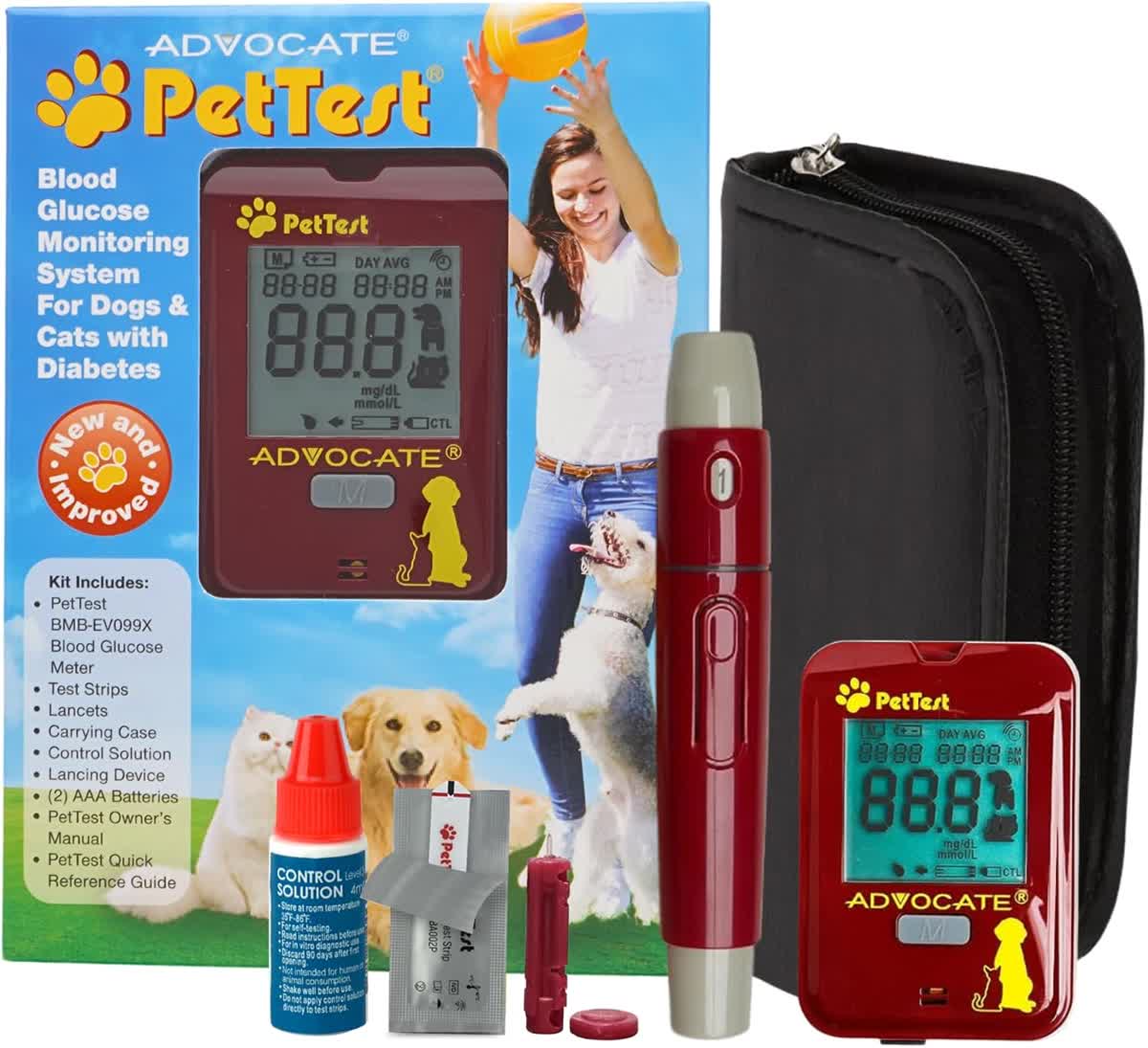
- At-home ear prick test — Free (after buying the meter). Use a PetTest Glucose Monitoring Kit for Dogs and Cats — about 50 dollars for the starter kit (includes meter, 25 test strips, and lancets). Replacement test strips cost 5-15 dollars/month. Prick the ear vein (small, painless), apply blood to the test strip. Your vet will teach you the technique.
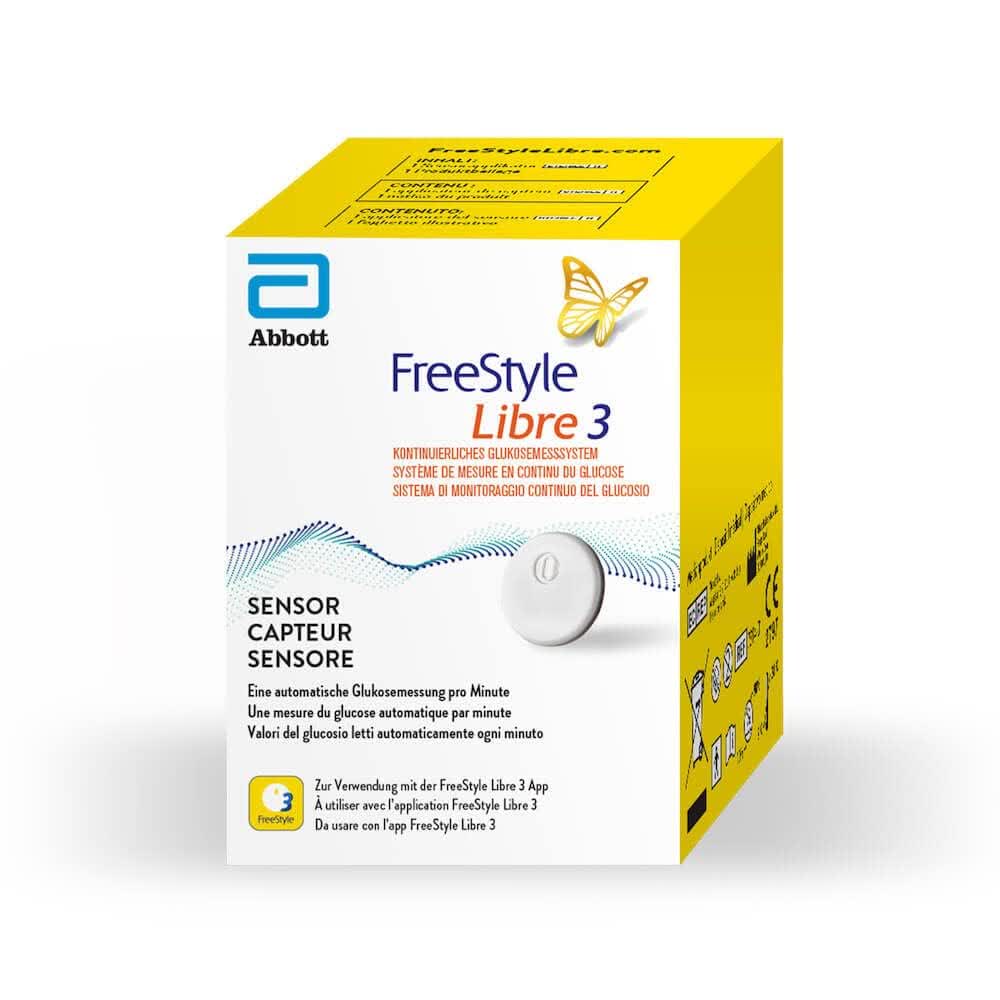
- Continuous glucose monitor (Freestyle Libre) — Freestyle Libre 3 Sensor — about 50-70 dollars per sensor (lasts 14 days). Applied to the skin, reads glucose continuously via a phone app. More accurate and less stressful than ear pricks. Not FDA-approved for cats but widely used off-label.
- Vet glucose curve — 100-200 dollars per curve. Done at the vet (blood glucose checked every 2 hours for 12 hours). Needed occasionally to verify at-home results.

3. Diet Change (0-10 Dollars Extra Per Month)
Switch to a low-carbohydrate, high-protein diet (see prevention above). This is critical for diabetic cats — many cats on a low-carb diet can reduce their insulin dose, and 40-60 percent of early-stage diabetics achieve remission within 2-4 months of starting a low-carb diet.
4. Weight Loss (Free)
If your diabetic cat is overweight, gradual weight loss (0.5-1 percent per week) improves insulin sensitivity and increases the chance of remission. See the cat weight loss guide for the safe protocol — rapid weight loss in diabetic cats is especially dangerous (fatty liver risk).
Diabetic Remission: How Cats Stop Being Diabetic
Unlike dogs (which have permanent diabetes once diagnosed), 40-60 percent of cats diagnosed early can achieve remission — meaning they no longer need insulin injections and their blood sugar stays normal. The protocol:
- Start insulin immediately when diagnosed — insulin rest the pancreas and allows it to recover
- Switch to a low-carbohydrate diet (Fancy Feast classic pate or prescription m/d) — reduces the insulin demand
- Achieve weight loss if overweight — improves insulin sensitivity
- Monitor glucose at home — track response and gradually reduce insulin as blood sugar normalizes
- Reduce insulin under vet guidance — never stop insulin suddenly (can cause rebound high blood sugar and ketoacidosis)
Remission typically occurs within 2-6 months of starting treatment. Cats in remission must stay on a low-carb diet and maintain ideal weight — diabetes can return if the cat gains weight or goes back on dry food.
The Cost Comparison: Prevention vs. Treatment
| Approach | Monthly Cost | Annual Cost |
|---|---|---|
| Prevention (wet food + weight management + exercise) | 0-10 dollars extra | 0-120 dollars |
| Management (insulin + monitoring + diet) | 30-100 dollars | 360-1,200 dollars |
| Diabetic ketoacidosis emergency (if untreated) | 1,500-3,000+ dollars per event |
The Bottom Line
Cat diabetes costs 360-1,200 dollars per year to manage but is preventable for 0-10 dollars per month and reversible in early stages. Prevention: feed a low-carbohydrate wet food diet (Fancy Feast Classic Pate at 0.50-0.70 dollars/can or Friskies Pate at 0.30-0.50 dollars/can — dry food is 30-50 percent carbohydrate, while wet food is 4-7 percent), maintain ideal weight (obesity is the number one risk factor, increasing diabetes risk 4-fold — see the cat weight loss guide), exercise 15-20 minutes daily with an interactive cat wand toy — about 8 dollars — (improves insulin sensitivity), and get annual blood work for cats over 8 (80-150 dollars — catches prediabetes before symptoms). Recognize early signs: the “three Ps” (drinking more, urinating more, eating more but losing weight), lethargy, hind-leg weakness (plantigrade stance), and poor coat. If you see these signs, get blood work immediately — early detection is the key to remission. For diagnosed diabetics: Lantus insulin from Walmart (25-30 dollars/vial, lasts 1-2 months), at-home glucose monitoring with a PetTest glucose meter — about 50 dollars for the kit and 5-15 dollars/month test strips, low-carb diet, and gradual weight loss. 40-60 percent of early-stage cats achieve remission within 2-6 months of starting insulin + low-carb diet — they stop needing insulin entirely. Cats in remission must stay on low-carb food and maintain ideal weight. The 0-10 dollar monthly prevention (wet food + weight management + play) prevents the 360-1,200 dollar annual management cost and may save your cat from lifelong insulin injections.
ThriftyPaw is reader-supported. As an Amazon Associate, we earn from qualifying purchases. This means we may earn a small commission when you buy through links on this site at no additional cost to you. We only recommend products we genuinely believe in.
Last updated: July 2026 | By ThriftyPaw | Prices and availability subject to change
🐾 Get Your Free Big Dog First Aid Kit Checklist
Join our newsletter and get this free printable plus weekly tips.
Price Check
Prices verified via our product tracker. Updated Sep 27.
| Purina Friskies Pate Variety Pack Seafood Chicken Cat Food | $39.07 | 4.6★ (33,296) |
| 9Lives Meaty Paté Super Supper Wet Cat Food, 5.5-Ounce Can | $18.99 | 4.4★ (1,786) |
| Purina Fancy Feast Classic Pate Wet Cat Food, 3 oz Cans, 3 | $30.99 | 4.7★ (25,083) |
| MeoHui Cat Toys for Indoor Cats, Interactive Cat Toy 2PCS | $9.78 | 4.5★ (49,874) |
| PROZINC® (protamine zinc recombinant Human Insulin) U-40 f | $230.49 | 3.8★ |
As an Amazon Associate we earn from qualifying purchases.