
This article contains affiliate links. We may earn a commission from qualifying purchases.
Some content on this site is AI-assisted and reviewed by our editorial team.
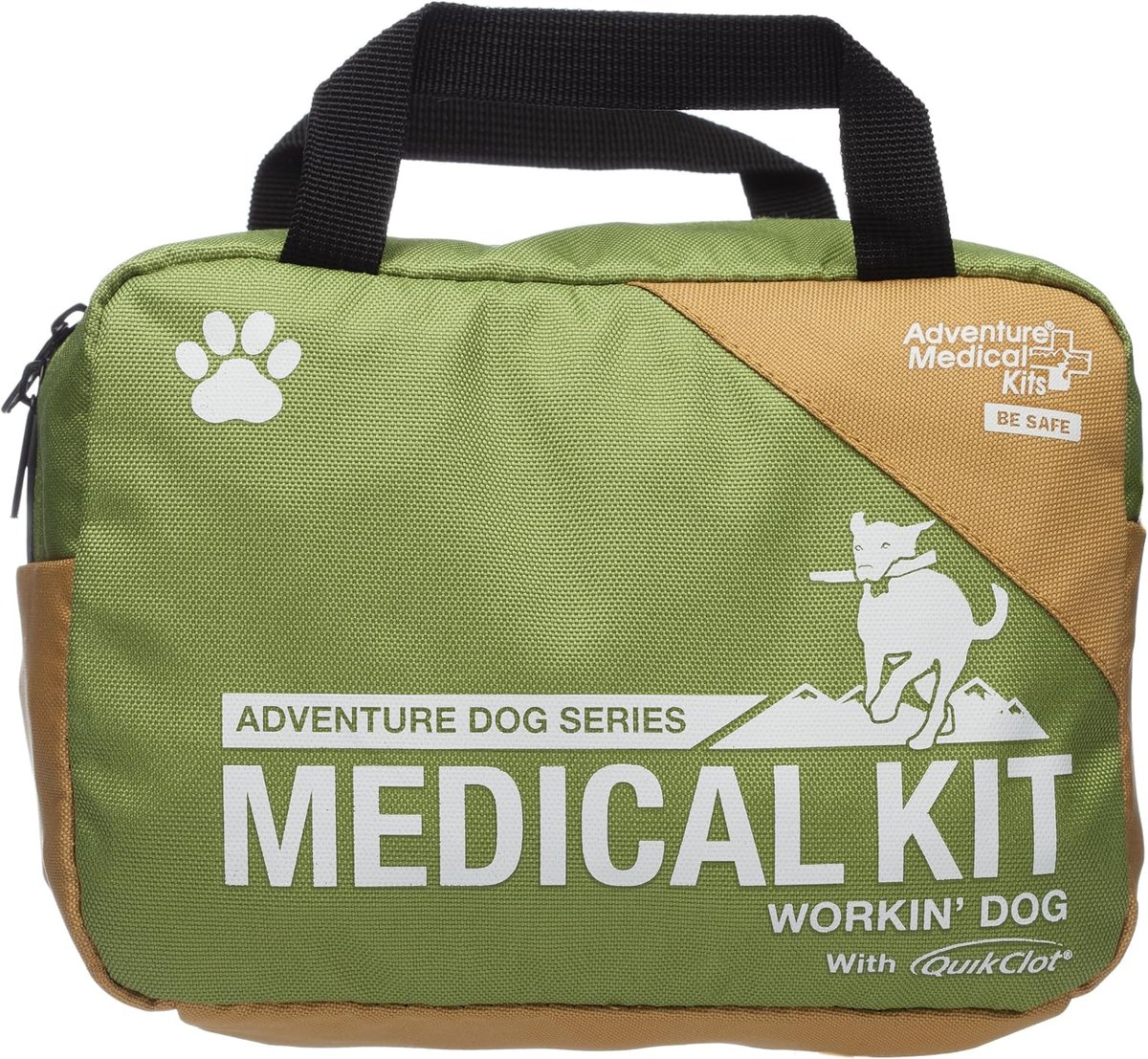
A well-stocked dog first aid kit can save your dog’s life and save you 500-2,000 dollars in unnecessary emergency vet visits. Many minor injuries — small cuts, paw abrasions, insect stings, mild diarrhea — can be treated at home for under 5 dollars. Without a kit, you end up at the emergency clinic paying 150-300 dollars just for the visit, plus treatment costs. A complete dog first aid kit costs 25-40 dollars to assemble and lasts 2-3 years (replace expired items as needed). This guide lists every item you need, what each item treats, and how to use them.

The Complete Dog First Aid Kit (25-40 Dollars)
Here is every item you need, what it costs, and what it treats. All items are available on Amazon with links included.
| Item | Cost | Treats | Shelf Life |
|---|---|---|---|
| Gauze pads (various sizes) | 2 dollars | Cuts, wounds, bleeding | 5 years |
| Vet-wrap self-adhesive bandage | 3 dollars | Paw wrapping, securing gauze | 5 years |
| Antiseptic wipes or spray | 2 dollars | Wound cleaning, preventing infection | 3 years |
| Hydrogen peroxide 3 percent | 2 dollars | Induce vomiting (if vet advises) | 2 years |
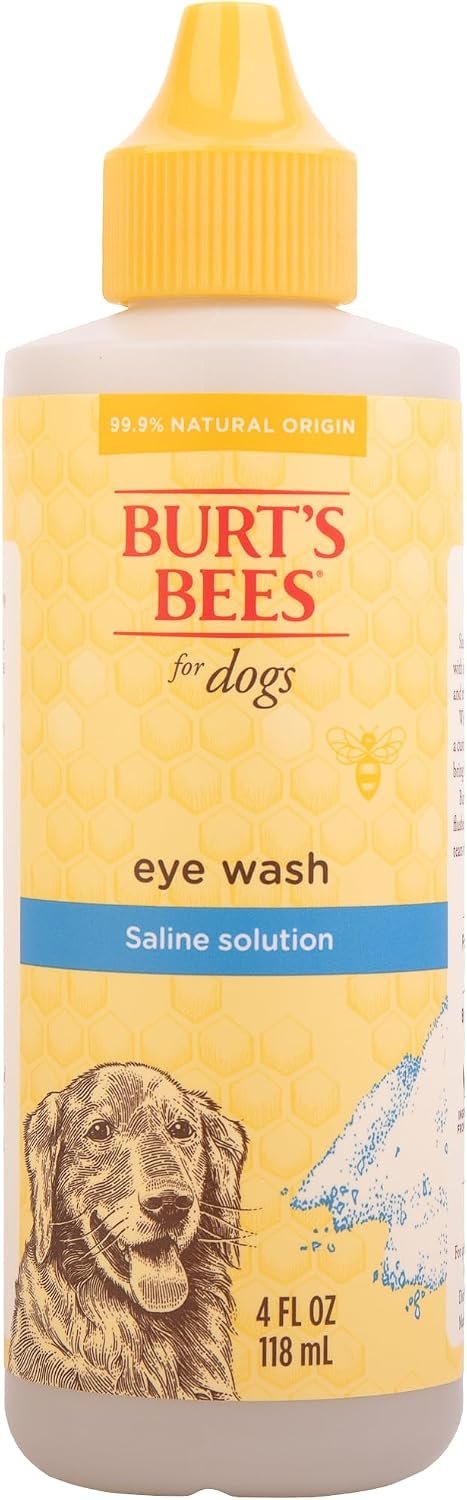
| Saline eye wash | 3 dollars | Eye flushing, debris removal | 3 years |
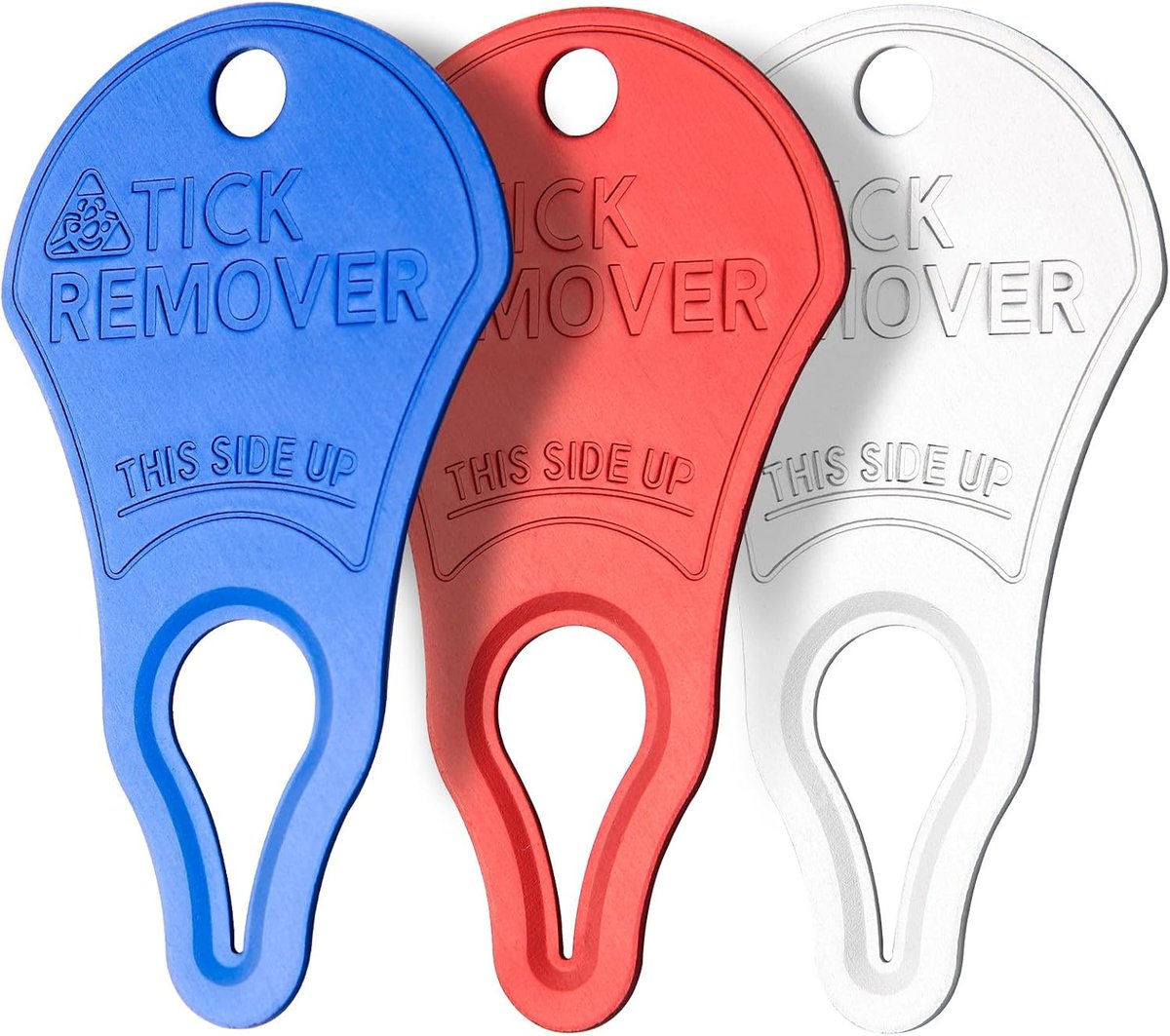
| Tick removal tool | 5 dollars | Tick removal, splinter removal | Lifetime |
| Scissors (blunt-nose) | 3 dollars | Cutting gauze, bandages, hair | Lifetime |
| Benadryl (diphenhydramine) 25mg | 3 dollars | Allergic reactions, bee stings, hives | 2 years |
| Pepcid AC (famotidine) 10mg | 3 dollars | Mild stomach upset, acid reflux | 2 years |
| Imodium (loperamide) 2mg | 3 dollars | Mild diarrhea (not for all breeds) | 2 years |
| Activated charcoal capsules | 3 dollars | Toxin absorption after ingestion | 3 years |
| Digital thermometer | 3 dollars | Check for fever or hypothermia | Lifetime |
| Pet-safe disinfectant | 3 dollars | Wound and surface disinfection | 2 years |
| Disposable gloves | 2 dollars | Infection prevention during treatment | 5 years |
| Emergency vet phone numbers card | 0 dollars | Quick access to professional help | N/A |
| Total DIY Kit | 40 dollars |
For comparison, a pre-made dog first aid kit (35-50 dollars) contains similar items but costs 20-30 percent more and may not include medications. The DIY kit above gives you better items at a lower cost and lets you customize for your dog’s specific needs.
How to Use Each Item (When and How)
1. Gauze Pads and Vet-Wrap — Cuts and Wounds
For minor cuts and abrasions: clean the wound with antiseptic wipes, apply a gauze pad, and wrap with vet-wrap to secure. Vet-wrap sticks to itself but not to fur, making it easy to apply and remove. Change the bandage daily and check for signs of infection (redness, swelling, pus).
For bleeding: apply firm pressure with gauze for 3-5 minutes. Do not peek — lifting the gauze breaks the clot. If bleeding does not stop after 10 minutes of pressure, go to the vet.

2. Antiseptic Wipes — Wound Cleaning
Clean any wound before bandaging. Chlorhexidine or povidone-iodine wipes kill bacteria without damaging tissue (unlike hydrogen peroxide, which damages healthy cells). Wipe from the center of the wound outward. Use 2-3 wipes per wound. A box of chlorhexidine antiseptic wipes costs about 2 dollars and lasts 3 years.
3. Hydrogen Peroxide — Induce Vomiting (ONLY If Vet Advises)
If your dog eats something toxic (chocolate, grapes, xylitol, medication), call your vet or Pet Poison Helpline (855-764-7661, 59 dollars per call) BEFORE inducing vomiting. Some substances cause more damage coming back up. If advised to induce vomiting, give 1 teaspoon of 3 percent hydrogen peroxide per 10 pounds of body weight (maximum 3 tablespoons). Walk your dog to stimulate vomiting. If no vomiting within 15 minutes, repeat once. Do not use hydrogen peroxide more than twice.
For more on toxic foods and what to do if your dog eats them, see our chocolate toxicity cost guide.
4. Saline Eye Wash — Eye Flushing
For eye irritation from dust, pollen, debris, or minor chemical exposure: flush the eye with saline eye wash for 30-60 seconds. Hold your dog’s eye open and pour gently. If your dog squints, has discharge, or the eye looks red after flushing, see a vet — this may indicate a corneal scratch or foreign body that needs professional removal.
5. Tick Removal Tool — Tick Removal
Grasp the tick as close to the skin as possible and pull straight out with steady, even pressure. Do not twist — the mouthparts can break off and cause infection. A dedicated tick removal tool costs about 5 dollars and works far better than tweezers. Save the tick in a jar or bag for identification. Wash the bite area with antiseptic. Watch for signs of tick-borne disease (fever, lethargy, lameness) for 2-4 weeks.
For full prevention strategies, see our budget flea and tick prevention guide.
6. Benadryl (Diphenhydramine) — Allergic Reactions
For bee stings, insect bites, hives, and mild allergic reactions: give 1 mg per pound of body weight (a 25-pound dog gets one 25mg tablet). Give every 8-12 hours as needed. Benadryl causes drowsiness but is safe for most dogs. Do not use Benadryl-D (contains decongestant, which is toxic to dogs) — use plain Benadryl with only diphenhydramine as the active ingredient.
7. Pepcid AC (Famotidine) — Stomach Upset
For mild acid reflux, vomiting from dietary indiscretion, or stomach upset: give 0.25-0.5 mg per pound of body weight (a 20-pound dog gets one 10mg tablet). Give once or twice daily for up to 3 days. If vomiting persists beyond 24 hours or contains blood, see a vet.
8. Imodium (Loperamide) — Mild Diarrhea
For mild diarrhea from dietary changes or stress: give 0.05-0.1 mg per pound (a 50-pound dog gets one 2mg capsule). Give once, then repeat in 8 hours if needed. Do not give more than 2 doses without consulting a vet. Do not give Imodium to Collies, Shelties, Australian Shepherds, or other herding breeds — they have a gene mutation that makes loperamide toxic. If diarrhea contains blood, lasts more than 48 hours, or is accompanied by vomiting or lethargy, see a vet.
For more digestive issues, see our guides on dog diarrhea home treatment and dog vomiting — when to go to the vet.
9. Activated Charcoal — Toxin Absorption
Activated charcoal absorbs toxins in the stomach, preventing them from being absorbed into the bloodstream. Give 1 gram per pound of body weight (mixed with water to make a paste) if your dog eats something toxic and you cannot induce vomiting or are waiting for vomiting to work. This is not a substitute for veterinary treatment — call your vet immediately after giving charcoal.
10. Digital Thermometer — Temperature Check
Normal dog temperature: 100.5-102.5 degrees Fahrenheit. Above 103 is a fever. Below 99 is hypothermia. To take your dog’s temperature: lubricate the thermometer with petroleum jelly or cooking oil, insert 1 inch into the rectum, and wait for the beep. A digital pet thermometer costs about 3 dollars. A fever above 104 or hypothermia below 98 requires immediate veterinary attention.
The Home Treatment Flowchart
For Cuts and Wounds
- Clean with antiseptic wipes
- Apply pressure with gauze for 3-5 minutes if bleeding
- Apply a gauze pad and wrap with vet-wrap
- Check and re-dress daily
- If red, swollen, or oozing after 2 days — see a vet
For Bee Stings and Insect Bites
- Remove stinger if visible (scrape with a credit card — do not squeeze with tweezers)
- Give Benadryl (1 mg per pound)
- Apply a cold compress for 10 minutes
- Watch for swelling of the face or throat (anaphylaxis) — if present, go to emergency vet immediately
For Mild Diarrhea
- Withhold food for 12 hours (water is OK)
- Feed a bland diet (boiled chicken and white rice) for 2-3 days
- Give Imodium if appropriate for your breed
- If diarrhea contains blood, lasts 48+ hours, or is accompanied by vomiting — see a vet
For Vomiting
- Withhold food and water for 4-6 hours
- Offer small amounts of water or ice cubes
- If no vomiting for 6 hours, offer a small amount of bland food
- Gradually return to normal diet over 2-3 days
- If vomiting persists beyond 24 hours, contains blood, or dog is lethargic — see a vet
When to Go to the Emergency Vet (Do Not Treat at Home)
Some symptoms require immediate professional care. Do not attempt home treatment for:
- Difficulty breathing or choking
- Pale or blue gums
- Seizures or loss of consciousness
- Profuse bleeding that does not stop with pressure
- Suspected poisoning (call Pet Poison Helpline first: 855-764-7661)
- Eye injuries (corneal scratches can cause permanent blindness)
- Broken bones or suspected fractures
- Heatstroke (body temperature above 105 degrees) — see our heatstroke prevention guide
- Bloat (swollen abdomen, unproductive retching, restlessness) — this is a life-threatening emergency
- Difficulty urinating (especially in male dogs — urinary blockage can be fatal within hours)
If you are unsure whether something is an emergency, call your vet. Most vets offer free phone triage — they would rather you call and be told it is fine than wait and have it become serious.
Where to Keep Your Kit
Keep one kit at home and a smaller travel kit in your car. If you hike with your dog, a compact trail kit with gauze, vet-wrap, antiseptic wipes, Benadryl, and tweezers fits in a small pouch and weighs under 8 ounces. For trail essentials, see our budget dog hiking gear guide.
Cost Breakdown: DIY Kit vs Pre-Made Kit vs Emergency Vet
Here is how the costs compare:
- DIY first aid kit: 25-40 dollars (one-time, lasts 2-3 years)
- Pre-made first aid kit: 35-50 dollars (one-time, similar contents)
- Emergency vet visit: 150-300 dollars minimum (plus treatment)
- Overnight emergency vet stay: 800-2,500 dollars
The kit pays for itself with a single avoided vet visit. Even if you only use it once in 3 years for a minor cut or bee sting, you have saved 100-200 dollars.
The Bottom Line
A dog first aid kit costs 25-40 dollars to assemble and pays for itself with one avoided vet visit. The 15 essential items handle the most common dog injuries and illnesses: cuts, wounds, insect stings, allergic reactions, mild diarrhea, vomiting, eye irritation, tick bites, and minor poisoning. Learn how to use each item before you need it — practice taking your dog’s temperature, wrapping a paw, and giving a pill so you are confident when the real thing happens. Keep the kit in an accessible location and check it twice a year to replace expired medications. Most importantly, know when to go to the vet: difficulty breathing, seizures, profuse bleeding, suspected poisoning, eye injuries, and bloat are emergencies that no first aid kit can fix.
Ready to build your kit? Start with the essentials: gauze pads, vet-wrap, and antiseptic wipes cover 80 percent of common injuries for under 10 dollars. Add medications and tools as budget allows.
For more budget pet health tips, check out our guides on dog dental care under 8 dollars per month and ear infection prevention under 5 dollars.
Last updated: July 2026 | By ThriftyPaw | Prices and availability subject to change
ThriftyPaw is reader-supported. As an Amazon Associate, we earn from qualifying purchases. This means we may earn a small commission when you buy through links on this site at no additional cost to you. We only recommend products we genuinely believe in. Thank you for supporting ThriftyPaw.
🐾 Get Your Free Big Dog First Aid Kit Checklist
Join our newsletter and get this free printable plus weekly tips.
Price Check
Prices verified via our product tracker. Updated Sep 27.
| Dog Paw Wipes Antibacterial 50 Count - Antifungal Wipes fo | $15.99 | 4.4★ (821) |
| LEADER Hydrogen Peroxide Spray Bottle First Aid Antiseptic | $7.49 | 4.6★ (1,734) |
| BURT'S BEES FOR PETS Dog Eye Wash with Saline Solution, 4 | $7.90 | 4.5★ (4,553) |
| Dimsem 3 Pack Portable Tick Removal Tools, Tick Remover To | $6.99 | 4.5★ (368) |
| Dr. Robaina Activated Charcoal Capsules 1200 mg – Coconut- | $19.97 | 4.4★ (182) |
| Aurrynns Pet Digital Anus Thermometer for Dogs, Cats, Pigs | $17.50 | 4.3★ (480) |
| Adventure Medical Kits Workin' Dog Medical Kit with QuikCl | $12.00 | 4.6★ (229) |
As an Amazon Associate we earn from qualifying purchases.