
This article contains affiliate links. We may earn a commission from qualifying purchases.
Some content on this site is AI-assisted and reviewed by our editorial team.
Last updated: May 2026 | By ThriftyPaw
Dental care is the single most neglected part of dog health — and the most expensive one to ignore. One professional cleaning under anesthesia costs between 300 and 700 dollars. If your dog needs extractions, you are looking at 300 to 800 dollars per tooth. The good news? You can prevent most of this with a routine that costs under 200 dollars a year.
This guide breaks down exactly what professional cleanings cost, what you can do at home, and the budget-friendly approach that will save you hundreds — potentially over 500 dollars a year compared to reactive dental care.

What Professional Dental Cleanings Really Cost
Professional dental cleaning for dogs is not a quick brush. It involves general anesthesia, full-mouth X-rays, scaling, polishing, and sometimes extractions. The base price for a routine cleaning ranges from 300 to 700 dollars depending on where you live and the size of your dog. But that is just the starting point.
If your vet finds a problem during the cleaning — a loose tooth, an abscess, advanced gum disease — the bill can easily double. Extractions cost 300 to 800 dollars per tooth. A single session with a couple of extractions can run 1,000 to 2,000 dollars or more. And most dogs need one to two cleanings per year if they are not getting regular at-home care.
That means neglecting your dog’s teeth can cost you anywhere from 700 to over 2,800 dollars a year in professional care. Compare that to a proactive home routine that costs 100 to 200 dollars a year, and the math is obvious.
The 13-Dollar Solution: Daily Brushing
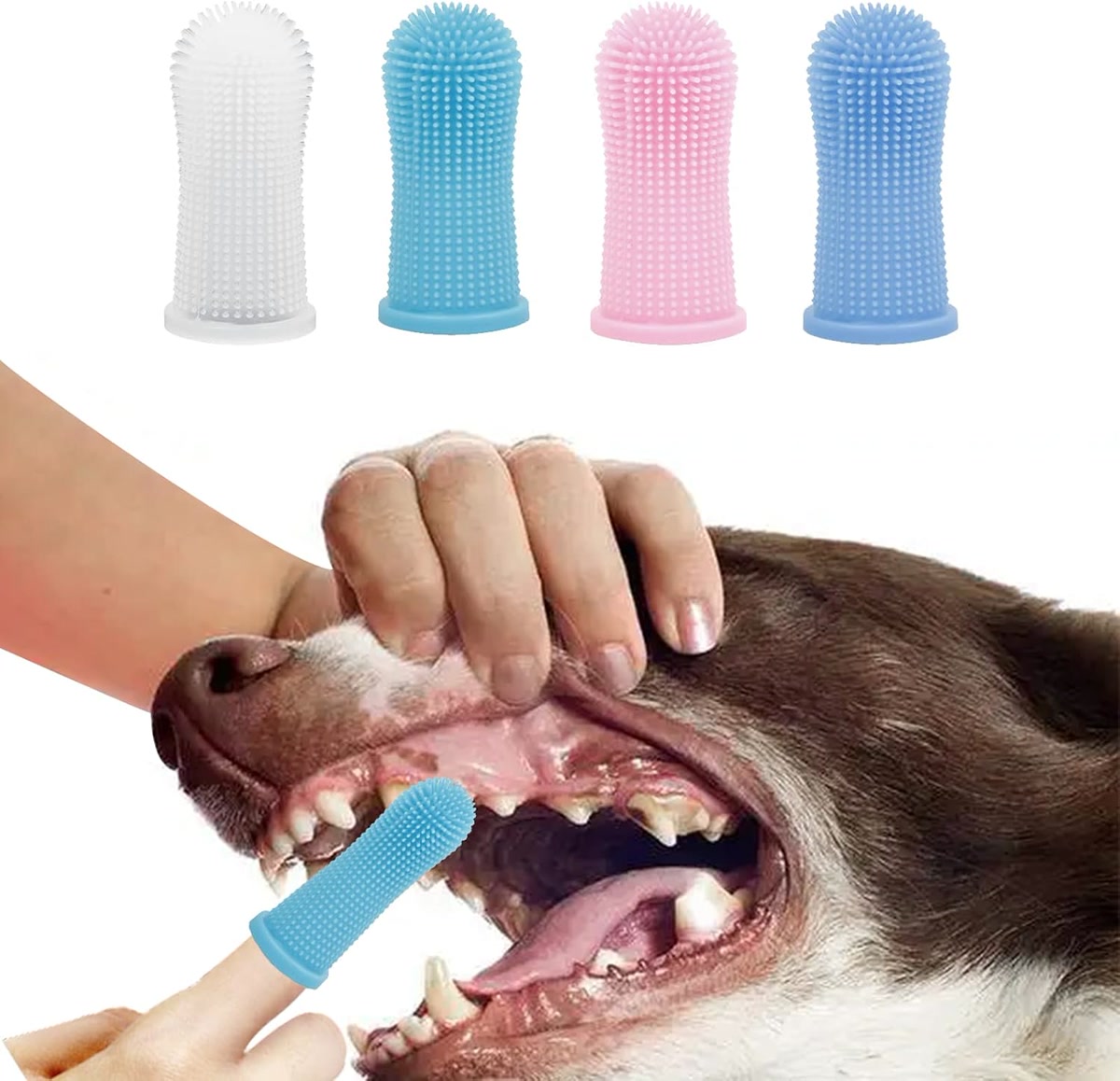
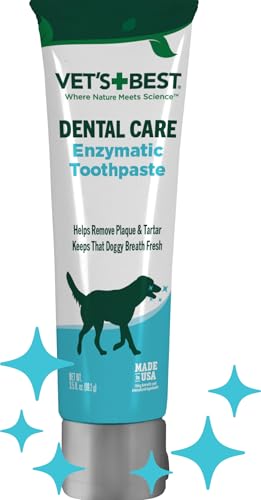
Daily brushing is the single most effective thing you can do for your dog’s dental health. A tube of enzymatic dog toothpaste costs 5 to 8 dollars and lasts two to three months. A finger brush or soft dog toothbrush costs 3 to 5 dollars. That is a total one-time investment of roughly 8 to 13 dollars, with ongoing toothpaste refills of about 20 to 32 dollars a year.
The key is consistency. Brushing once a week does almost nothing. Plaque hardens into tartar within 24 to 36 hours, and once tartar forms, only a professional scaling can remove it. Brushing three or more times per week — ideally daily — is what prevents that buildup from ever starting.
How to Brush Your Dog’s Teeth Without a Fight
Start slow. Let your dog lick the toothpaste off the brush first — most dogs like the poultry or beef flavors. Then gently rub the outside of the back teeth for 30 seconds. You do not need to brush the inside surfaces; your dog’s tongue handles those. Build up gradually over a week until you are doing a full 60-second brush of the outside surfaces on both sides.
- Use enzymatic pet toothpaste only — human toothpaste contains xylitol and fluoride, both toxic to dogs
- Finger brushes work best for small dogs and beginners
- Long-handled dog toothbrushes reach back molars more easily on larger dogs
- Brush at the same time every day so your dog learns the routine
- Reward immediately after with a dental chew — this creates a positive association
Budget pick: Petsmile Professional Pet Toothpaste (Compare prices on Amazon) — clinically proven enzymatic formula, around 8 dollars, lasts 2-3 months with daily use.
Best Dental Chews Ranked by Effectiveness and Price
Dental chews are not a replacement for brushing, but they are an excellent supplement — especially on days when you miss a brushing session. They work through mechanical abrasion as your dog chews, scraping plaque off the teeth. The Veterinary Oral Health Council (VOHC) awards its seal to products that have been scientifically proven to reduce plaque and tartar.
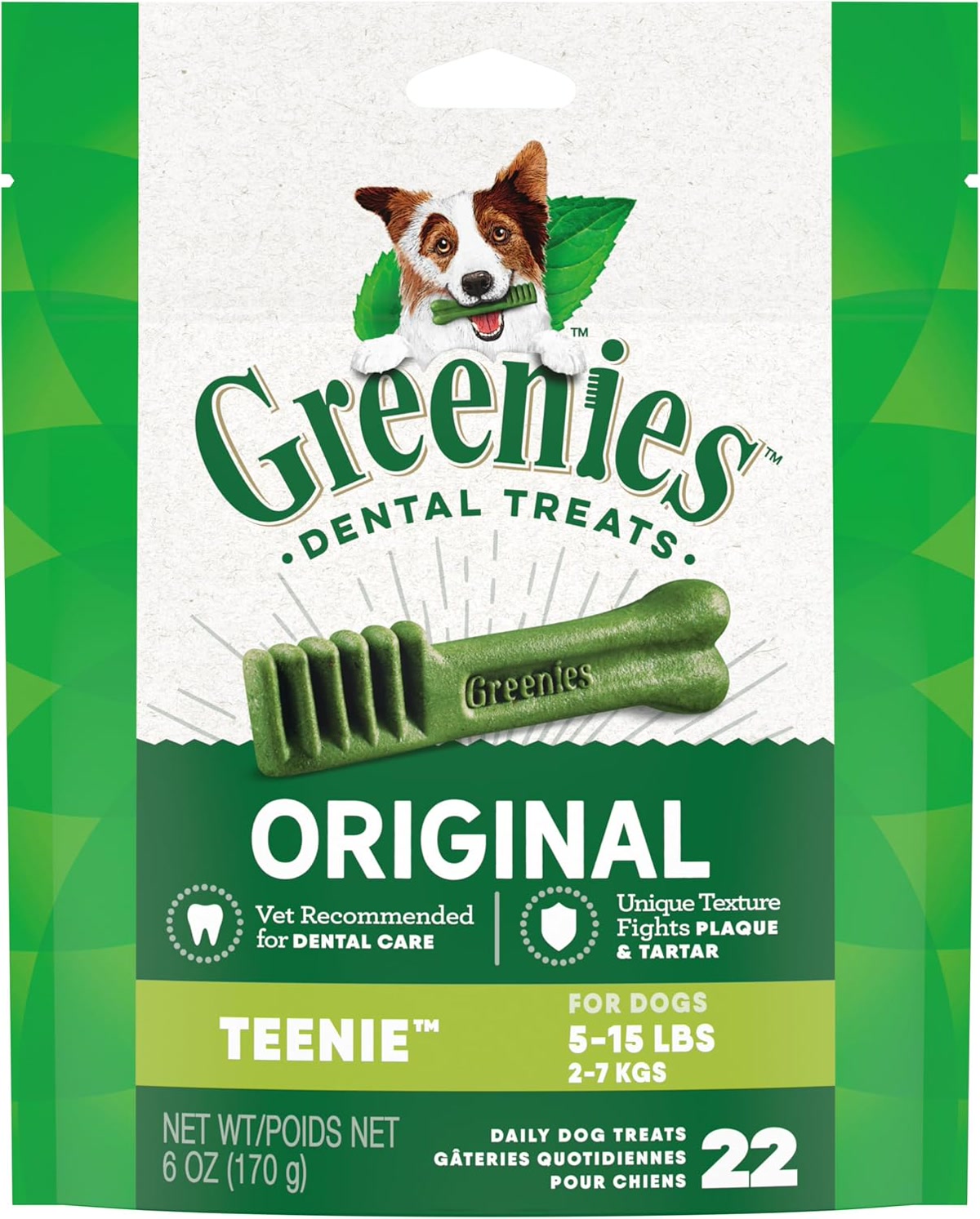
1. Greenies Dental Treats (10 to 18 dollars/month)
Greenies are the most widely recognized dental chew and carry the VOHC seal. They have a chewy texture that conforms to your dog’s teeth, reaching around the back molars where plaque builds up fastest. The downside is that they are one of the more expensive options at roughly 10 to 18 dollars per month depending on your dog’s size. They also contain wheat, which is fine for most dogs but a problem for those with grain allergies.
Budget pick: Greenies Regular Dental Dog Treats (Compare prices on Amazon) — VOHC-approved, widely available, effective but pricier than alternatives.
2. Whimzees Dental Chews (8 to 15 dollars/month)
Whimzees are made with just six natural ingredients — no wheat, no artificial anything. They are harder than Greenies, which means longer chew time and more scraping action. The downside is that very aggressive chewers can crack them into chunks rather than grinding them down. They carry the VOHC seal and cost slightly less than Greenies at 8 to 15 dollars per month.
Budget pick: Whimzees Natural Dental Dog Chews (Compare prices on Amazon) — fewer ingredients, VOHC-approved, great for dogs with food sensitivities.
3. Virbac C.E.T. VeggieDent Chews (10 to 14 dollars/month)
These plant-based chews have a unique Z-shape that helps reach all surfaces of the teeth. They carry the VOHC seal, are low calorie, and are grain-free. They tend to be a middle-ground option on price and are well-suited for small and medium dogs. Large dogs may go through them too quickly for maximum dental benefit.
Raw Bones — Nature’s Toothbrush
Raw meaty bones are one of the oldest and most effective ways to keep a dog’s teeth clean. The mechanical action of gnawing and tearing meat off bone scrapes plaque and tartar naturally. Raw bones cost 2 to 5 dollars each from a butcher or grocery store and can last a dog several days of chewing time.
There are important safety guidelines to follow. Only give raw bones — never cooked, smoked, or sterilized bones, as these can splinter and cause internal injuries. Size matters too: choose bones larger than your dog’s head to prevent swallowing whole. Supervise your dog while chewing, and discard bones once they are small enough to become a choking hazard. Limit chewing sessions to 15 to 20 minutes to prevent tooth fractures.
- Raw beef rib bones: 2 to 3 dollars each, good for medium dogs
- Raw beef femur bones: 3 to 5 dollars each, best for large dogs
- Raw chicken necks: 1 to 2 dollars each, appropriate for small dogs
- Raw turkey necks: 2 to 3 dollars each, good for medium to large dogs
Avoid weight-bearing bones from large animals (like femurs from cattle) for aggressive chewers, as they can crack teeth. Instead, try softer options like poultry necks or pork ribs for heavy chewers.
Rope Toys and Dental Toys That Actually Help
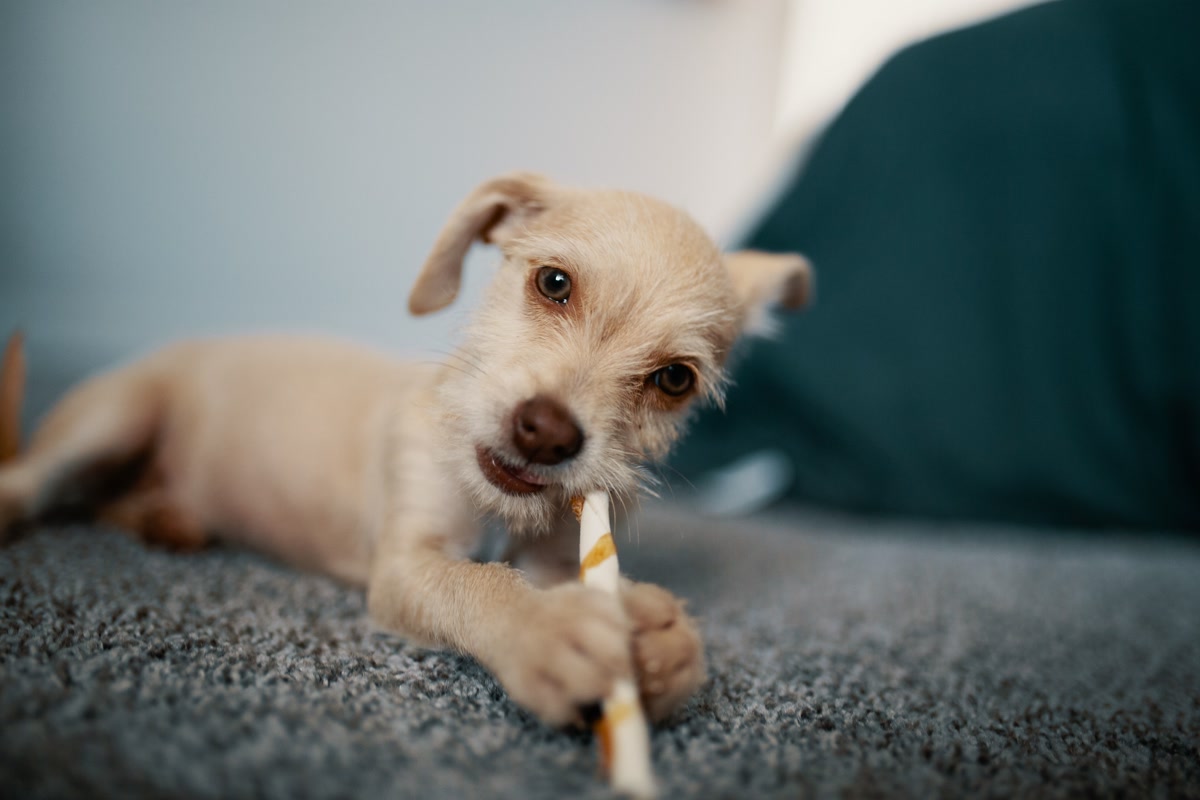
Rope toys function like dental floss for dogs. As your dog chews and tugs, the fibers work between teeth, removing trapped food and plaque. A quality rope toy costs 5 to 10 dollars and lasts weeks to months depending on your dog’s chewing intensity. For the best flossing action, choose tightly woven cotton ropes rather than synthetic ones.
Beyond ropes, there are several dental-specific toys worth considering. The Kong Dental Stick has rubber ridges designed to clean teeth during chewing and costs 8 to 12 dollars. The Nylabone Dental Dinosaur has bristle-like nubs and costs 6 to 10 dollars. Neither of these replaces brushing, but they extend the benefit between brushing sessions — especially useful if your dog tolerates a chew toy better than a toothbrush.
Budget pick: Mammoth Flossy Chews Cottonblend Rope Toy (Compare prices on Amazon) — cotton rope with flossing action, under 10 dollars, lasts weeks.
Anesthesia-Free Cleaning: Cheaper But Limited
Anesthesia-free dental cleaning is exactly what it sounds like — a technician manually scrapes visible tartar off your dog’s teeth while the dog is awake. It costs 100 to 200 dollars, compared to 300 to 700 for a full anesthetized cleaning. That sounds like a great deal, and for some dogs it can be a useful middle ground.
The limitations are significant though. Without anesthesia, the technician cannot clean below the gumline where the most harmful bacteria live, cannot take X-rays to find hidden problems, and cannot polish the teeth after scaling — which means the rough surface left behind actually accumulates new plaque faster. Some dogs also find the procedure stressful and will not sit still.
Anesthesia-free cleaning is best used as a supplement between full professional cleanings, not a replacement. If your dog has mild tartar buildup and tolerates handling, it can push the time between anesthetized cleanings from six months to a year. That alone can save you 300 to 700 dollars per year.
Signs Your Dog Needs Dental Care Now
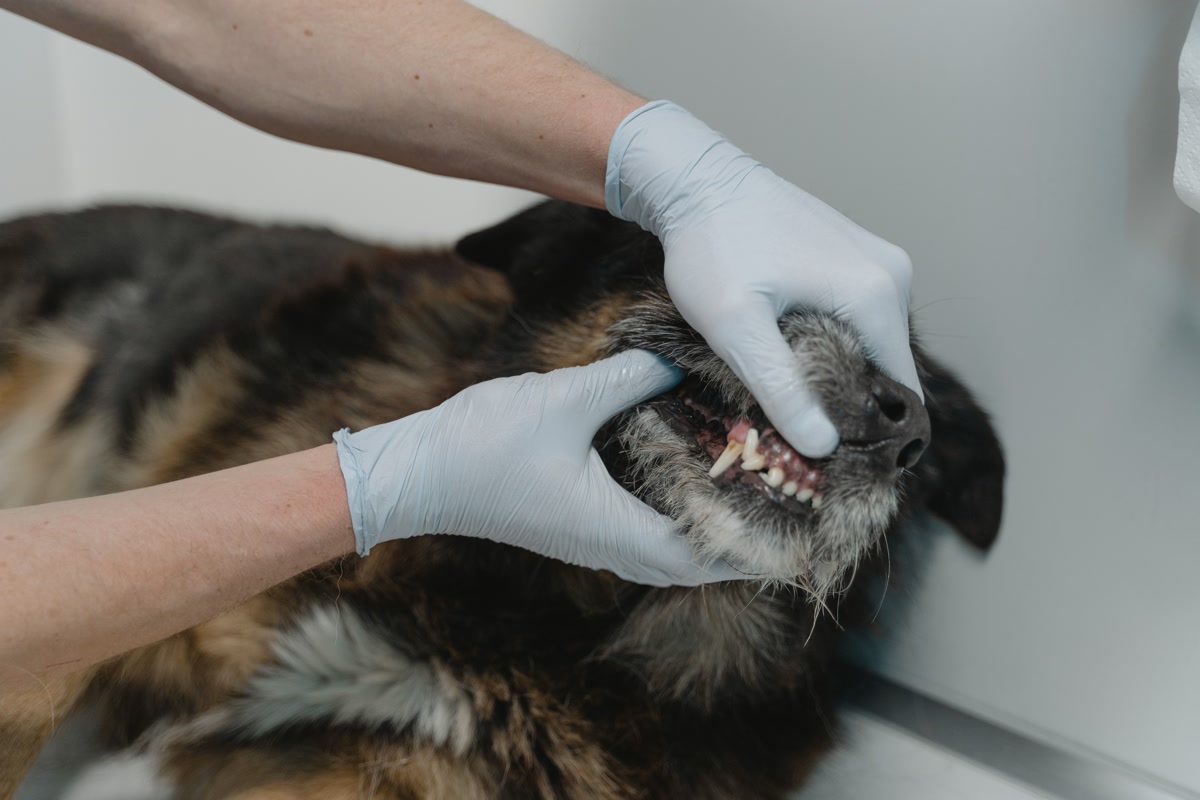
Do not wait for your annual vet visit to check your dog’s mouth. Open it once a week and look for these warning signs:
- Bad breath — not “dog breath” but genuinely foul odor, which signals bacterial infection
- Yellow or brown buildup on teeth, especially the back molars and canine teeth
- Red, swollen, or bleeding gums — early gingivitis that is reversible with prompt care
- Difficulty eating — dropping food, chewing on one side, or avoiding hard food
- Excessive drooling — especially if the drool has a bad smell or blood in it
- Pawing at the mouth — a sign of dental pain
- Loose or missing teeth — advanced periodontal disease requiring immediate vet attention
If you see any of these signs, schedule a dental exam. A 50 to 100 dollar exam now can prevent a 1,000 dollar extraction later.
What Happens When You Skip Dental Care
Skipping dental care does not just cost you money — it costs your dog years of life. Periodontal disease is the most common clinical condition in dogs, affecting an estimated 80 percent of dogs over age three. The infection starts in the gums and does not stay there. Bacteria from diseased gums enter the bloodstream through inflamed gum tissue and travel to the heart, kidneys, and liver.
The consequences are severe and expensive. Endocarditis, or infection of the heart valves, can lead to heart failure. Bacterial kidney infections damage the filtering capacity of the kidneys over time. Liver abscesses from dental bacteria require surgical drainage. These are not theoretical risks — they are documented outcomes of untreated dental disease.
The financial impact compounds quickly. A dog with advanced periodontal disease faces 500 to 1,500 dollars in extractions, 200 to 500 dollars in antibiotics and pain medication, and 1,000 to 5,000 dollars in treatment for secondary organ damage. Compare that to spending 100 to 200 dollars a year on prevention, and the choice is clear.
Yearly Budget Comparison: Proactive vs Reactive
Here is the breakdown that makes the case. A proactive dental care routine costs roughly 100 to 200 dollars per year. A reactive approach — waiting until there is a problem — costs 700 to 2,800 dollars or more per year. That is a difference of 500 to 2,600 dollars every single year.
Proactive yearly dental budget (100 to 200 dollars):
- Dog toothpaste: 20 to 32 dollars per year (2-3 tubes at 8 dollars each)
- Finger brush or toothbrush: 3 to 5 dollars (one-time, replace annually)
- Dental chews: 96 to 216 dollars per year (8-18 dollars/month)
- Rope toy: 5 to 10 dollars (1-2 per year)
- Annual vet dental exam: 50 to 100 dollars
- Total: 174 to 363 dollars per year (and you may not need a professional cleaning at all)
Reactive yearly dental budget (700 to 2,800 dollars):
- Professional cleaning under anesthesia: 300 to 700 dollars (1-2 times per year)
- Extractions when needed: 300 to 800 dollars per tooth
- Antibiotics and pain medication: 50 to 200 dollars per episode
- Emergency visits for dental abscesses: 200 to 500 dollars
- Treatment for secondary organ damage: 1,000 to 5,000 dollars
Even if you add a pet dental insurance rider at 10 to 20 dollars per month (120 to 240 dollars a year), the proactive approach stays well under 500 dollars annually. For breeds prone to dental problems — small breeds, brachycephalic breeds like pugs and bulldogs, and toy breeds — dental insurance can be a smart investment that pays for itself with a single cleaning.
Bottom Line
You can save 500 dollars or more per year on your dog’s dental care by investing 13 dollars upfront and about 20 minutes per week in a consistent brushing routine. Add dental chews, a rope toy, and an annual vet dental exam, and you are spending 174 to 363 dollars a year — instead of 700 to 2,800 dollars on emergency care and extractions. The choice is not between spending money and not spending money. It is between spending a little now or a lot later.
Start today. Buy a tube of enzymatic toothpaste and a finger brush for under 13 dollars. Brush three times this week. By next week, your dog will be used to it, and you will have started the most cost-effective health investment you can make for your dog.
n
ThriftyPaw is reader-supported. As an Amazon Associate, we earn from qualifying purchases. This means we may earn a small commission when you buy through links on this site at no additional cost to you. We only recommend products we genuinely believe in. Thank you for supporting ThriftyPaw.
My take: The $13 brushing routine against $700-2,800 in annual neglect costs is the clearest math in dog care — start it before the first cleaning is due. When the real cleaning comes, price it across clinics (the same procedure varies hundreds of dollars), and use anesthesia-free cleanings only as the between-visits maintenance they are.
Related guides
- Heartworm Prevention on a Budget: Complete Guide Under 10 Dollars Per Month
- Dog Anxiety on a Budget: 5 Solutions Under 15 Dollars Each
- Best Budget Dog Dental Chews and Toys That Actually Clean Teeth (2026)
- Cat Diabetes Prevention on a Budget: Complete Guide Under 10 Dollars Per Month
- Puppy Vaccination Schedule and Real Costs (2026)
🐾 Get Your Free Big Dog First Aid Kit Checklist
Join our newsletter and get this free printable plus weekly tips.
Frequently Asked Questions
How much does a dog dental cleaning cost?
$300-700 for a routine cleaning under anesthesia, with extractions at $300-800 per tooth — a single session with a couple of extractions can run $1,000-2,000+. Neglecting teeth costs $700-2,800 a year in professional care; the preventive routine runs $100-200.
Does brushing really prevent the need for dental cleanings?
It's the $13 solution: enzymatic toothpaste at $5-8 lasting 2-3 months plus a $3-5 brush. Daily brushing prevents most of what cleanings treat — that's the guide's own framing, and it's the difference between a $100-200 annual routine and a $1,000-2,000 procedure year.
Are anesthesia-free dental cleanings a good budget option?
Cheaper but limited — they remove visible tartar above the gumline but can't address what's below it, which is where disease lives. Use them as maintenance between real cleanings, never as a replacement for the anesthesia cleaning your vet recommends when disease is present.
Liked this guide? Get the next one in your inbox — the pet budget checklist is free too.
✓ You're in — check your inbox.
No spam. Unsubscribe anytime. We never share your email.
Price Check
Prices verified via our product tracker. Updated Sep 27.
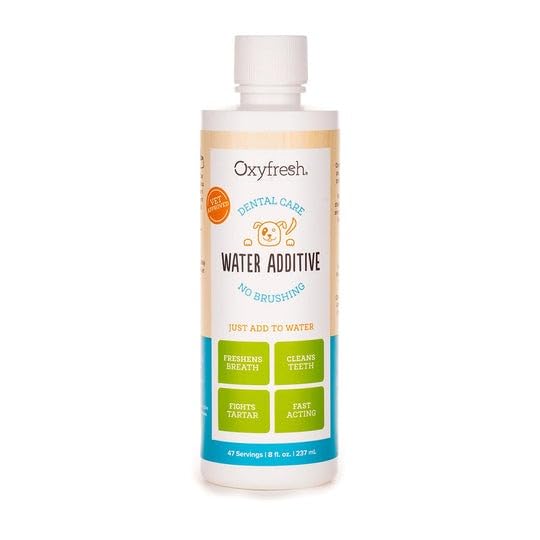
| Oxyfresh Premium Pet Dental Care Solution Pet Water Additi | $18.95 | 4.3★ (40,571) |
| Amazon Basics Dental Dog Treats to Help Clean Teeth & Fres | $25.48 | 4.5★ (9,682) |
| Greenies Large Natural Dental Dog Treats, Original Flavor, | $58.96 | 4.8★ (24,401) |
| Vet's Best Dog Toothpaste & Toothbrush Dental Care Kit, wi | $12.18 | 4.4★ (50,064) |
| Vet's Best Enzymatic Dog Toothpaste Dental Gel, Vet Formul | $9.53 | 4.5★ (31,232) |
| Jasper Dog Toothbrush, 360° Finger Toothbrush for Dogs & C | $13.99 | 4.5★ (14,765) |
As an Amazon Associate we earn from qualifying purchases.