
This article contains affiliate links. We may earn a commission from qualifying purchases.
Some content on this site is AI-assisted and reviewed by our editorial team.
If you are paying twenty dollars or more every time someone walks your dog, you are not alone. Professional dog walking has gotten expensive, and the costs add up shockingly fast. The good news? Your dog can get excellent exercise without the premium price tag. This guide breaks down exactly what you pay for professional walkers, what free and low-cost alternatives exist, and how to build a walking routine that keeps your dog healthy without draining your wallet.
The Real Cost of Professional Dog Walkers
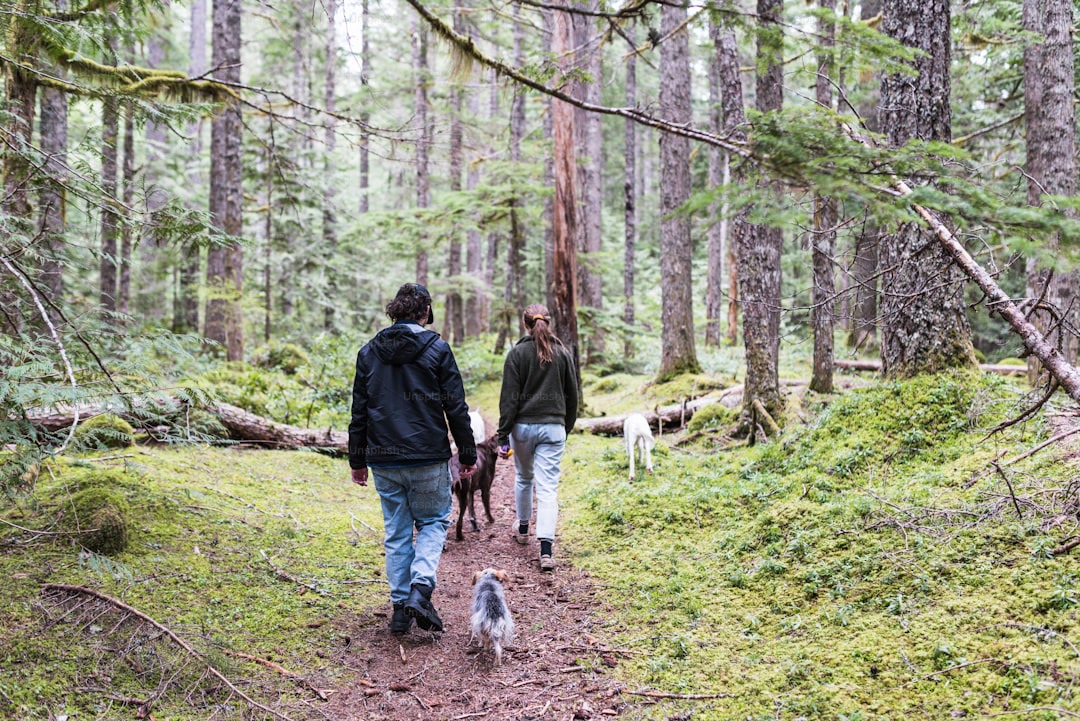
Professional dog walkers charge anywhere from fifteen to twenty-five dollars per walk, and most dogs need at least one walk per day. That means you are looking at four hundred fifty to seven hundred fifty dollars every single month for a single daily walk. If your dog needs two walks a day, which many active breeds do, you are easily spending eight hundred to over a thousand dollars monthly.
Apps like Wag and Rover charge similar rates. A typical Rover walk costs fifteen to twenty-five dollars plus service fees, and Wag runs about the same. The convenience is real, but so is the cost. Even booking just three walks a week through an app runs you one hundred eighty to three hundred dollars per month.
Here is a quick breakdown of what professional walking actually costs over time:
- One walk per day at twenty dollars: six hundred dollars per month, seven thousand two hundred dollars per year
- Two walks per day at fifteen dollars each: nine hundred dollars per month, ten thousand eight hundred dollars per year
- Three walks per week on Rover at twenty dollars each: two hundred forty dollars per month, two thousand eight hundred eighty dollars per year
- Student walker at ten dollars per walk, five days a week: two hundred dollars per month, two thousand four hundred dollars per year
Those are significant numbers. For most dog owners, especially those on tight budgets, there are better ways to get your dog the exercise they need.
Free Exercise: Making the Most of Your Own Walks
The most obvious budget option is walking your dog yourself. It costs nothing beyond your time, and it is genuinely good for both of you. A thirty-minute walk covers roughly one and a half miles, which is enough daily exercise for most small to medium breeds. Larger, high-energy breeds may need closer to forty-five minutes to an hour.
The key is consistency. Dogs thrive on routine, and a regular walking schedule does more for their health than occasional long hikes. Set a daily alarm, pick a route, and stick with it. Morning walks are ideal because they burn off energy before your dog gets bored and destructive. Even a twenty-minute power walk before work makes a real difference.
If time is your main obstacle, consider breaking walks into shorter sessions. Two fifteen-minute walks, one before work and one after, are easier to schedule than one long walk and still provide solid exercise. Most dogs actually prefer two shorter outings to one longer one because they get more sniffing and exploring time.
Sniff Walks: More Stimulation, Less Distance
Here is something most dog owners do not realize: a sniff walk burns more mental energy than a regular walk, and you do not need to go nearly as far. When your dog stops to investigate a scent, their brain is working hard. Sniffing activates up to a third of a dog’s brain, processing layers of information about every animal, person, and object that has passed through the area.
A fifteen-minute sniff walk, where you let your dog lead and explore at their own pace, can tire your dog out as much as a thirty-minute brisk walk. The trick is finding a route with plenty of scent variety. Parks, trails, and residential streets with lots of yards are ideal. Avoid repetitive loops around the same block, because the scents there will be familiar and less stimulating.
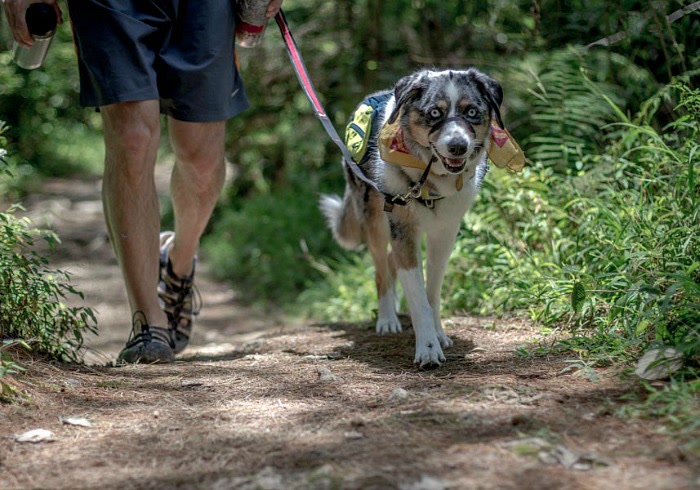
To make the most of sniff walks, use a longer leash. A standard six-foot leash keeps your dog too close to your pace. A thirty-foot long line gives your dog room to range and explore while still being under your control. You can find a good long line for about fifteen dollars on Amazon, and it doubles as a training tool for recall practice in open areas. This one-time purchase replaces months of paid walking fees.
Dog Walking Co-Ops and Neighborhood Swaps
One of the smartest budget strategies is organizing a dog walking co-op with your neighbors. The concept is simple: you trade walks. On Monday, you walk your dog and your neighbor’s dog. On Tuesday, your neighbor walks both dogs while you get a break. It costs nothing, and your dog still gets walked every day.
Start by posting in your local Nextdoor group or neighborhood Facebook page. You would be surprised how many people want to trade walks but never thought to ask. Even a group of three or four people sharing duties means each person walks maybe two days a week while their dog gets exercised every day.
A few ground rules make co-ops work well:
- Keep dogs matched in size and energy level when possible
- Share vet and emergency contact info upfront
- Agree on walking routes and duration in advance
- Be honest about your dog’s behavior quirks, leash manners, and reactivity
- Use a shared group chat to coordinate schedules and report how walks went
If you cannot find neighbors to trade with, check local Facebook community groups for student walkers. College students and teenagers often advertise dog walking for eight to twelve dollars per walk, which is roughly half the going professional rate. Always do a quick meet-and-greet to make sure they are comfortable with your dog and know the route.
DIY Exercise Gear Under Twenty Dollars
You do not need expensive equipment to give your dog a great workout. Some of the most effective exercise tools cost under twenty dollars, and many you can make yourself.
1. Flirt Pole (Five to Thirty Dollars)
A flirt pole is essentially a giant cat wand for dogs. It is a long pole with a rope and a lure on the end, and dogs go absolutely crazy chasing it. You can buy one for twenty to thirty dollars, or build one yourself for about five dollars using a PVC pipe from the hardware store, some rope, and a dog toy or rag for the lure.
Flirt poles are incredible for high-energy breeds because they let your dog sprint, change direction, and burn calories in short bursts. Five to ten minutes of flirt pole play in the backyard or at the park tires out most dogs. It is especially useful on days when you do not have time for a full walk.
2. Long Line for Recall Training (Fifteen Dollars)
We already mentioned this for sniff walks, but a thirty-foot long line deserves its own entry because it opens up so many possibilities. With a long line, your dog gets the freedom of off-leash running in open parks and fields while you maintain control. It is perfect for fetch, recall training, and letting your dog really stretch their legs without the risk of them running off.
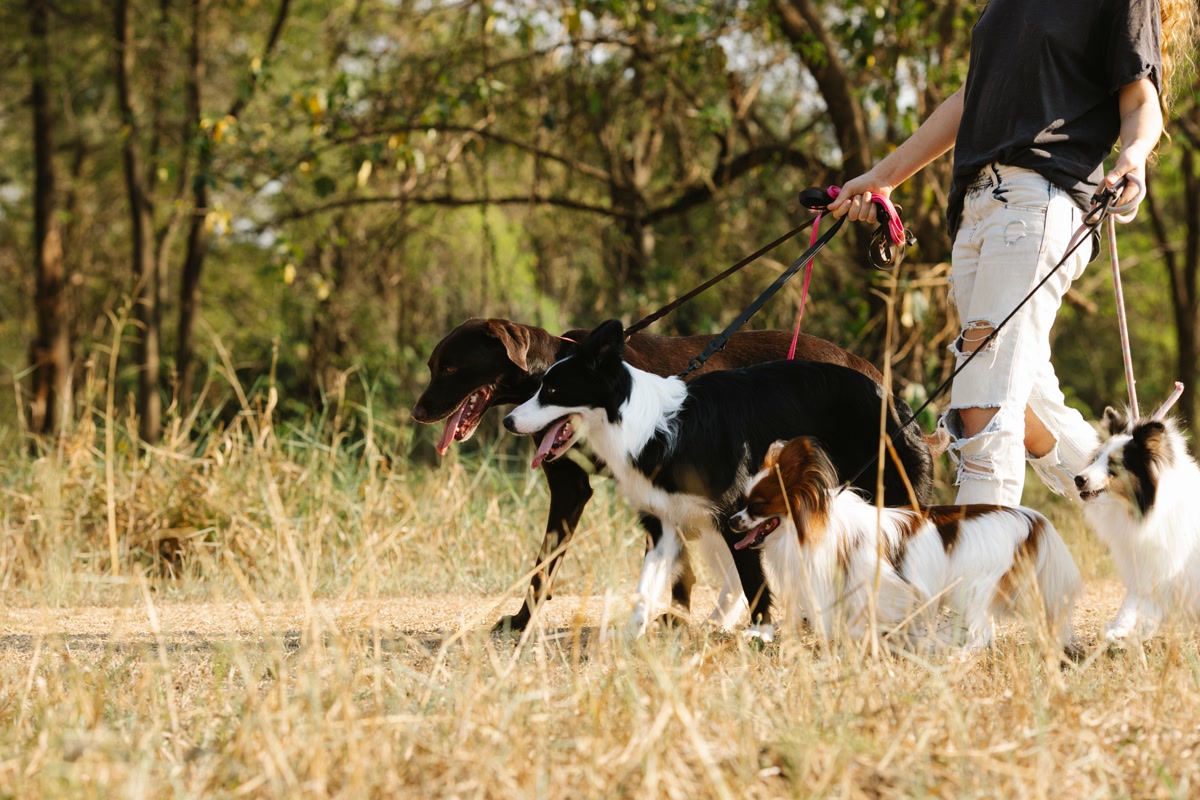
A decent long line costs about fifteen dollars. Compare that to a single professional dog walk at twenty dollars, and this tool pays for itself after one use. Look for a lightweight biothane or nylon line with a secure bolt snap. Avoid retractable leashes, which can jam and cause injuries.
3. DIY Agility Course (Under Twenty Dollars)
You can build a simple backyard agility course with materials you probably already have or can get cheaply. Cardboard boxes make good jumps. PVC pipes and connectors from the hardware store create weave poles for under ten dollars. A wooden plank balanced on two cinder blocks becomes a makeshift dogwalk.
Agility training is not just physical exercise. It is mental exercise too, because your dog has to learn and follow a sequence of obstacles. Fifteen minutes of agility practice can be more tiring than a thirty-minute walk because of the mental focus required. Start simple: one or two jumps and a tunnel made from an old blanket draped over chairs. Add obstacles as your dog gains confidence.
Indoor Exercise for Bad Weather Days
Rain, snow, and extreme heat do not have to mean a bored, restless dog. There are plenty of ways to burn energy indoors without spending money.
Stairs: If you have stairs in your home, they are a built-in exercise machine. Toss a toy up the stairs and let your dog retrieve it. Ten minutes of stair fetch can exhaust a medium-sized dog. Start slow and build up, especially for puppies and older dogs whose joints need protection.
Tug toys: A good rope tug toy costs eight to fifteen dollars and provides intense indoor exercise. Tug is naturally self-limiting because your dog will eventually let go and rest. It also strengthens the bond between you and your dog and reinforces impulse control when you practice “drop it” commands.
Flirt pole indoors: That five-dollar DIY flirt pole works indoors too. Just use it in a clear space like a living room or garage, and keep the movements controlled to avoid knocking things over.
Treadmill training: If you already own a treadmill, you can teach your dog to walk on it. Start at the slowest speed with treats and encouragement, and never tie your dog to the machine. Most dogs pick it up within a few sessions. It is zero additional cost and works great for days when going outside is not an option.
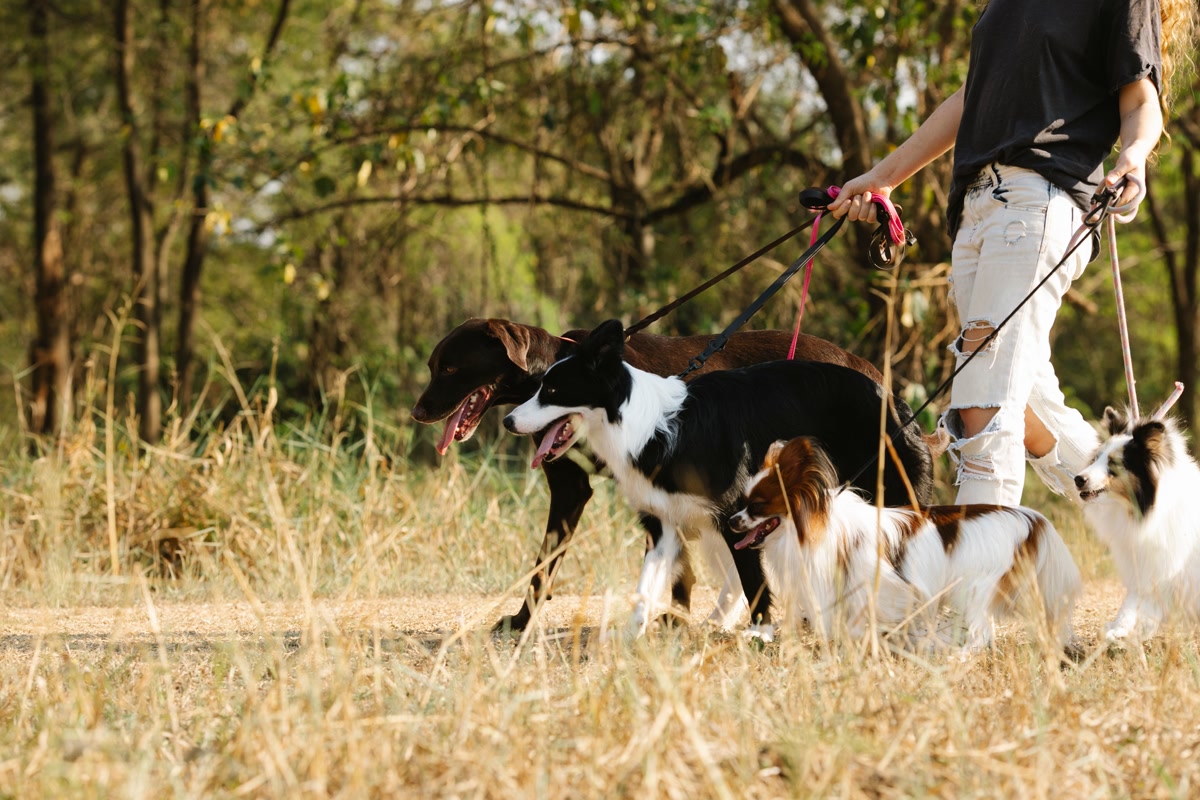
Hide and seek: Free and zero equipment needed. Tell your dog to stay, go hide in another room, and call them. This game combines physical movement with problem-solving and recall practice. Start easy and gradually make your hiding spots more challenging.
Group Walks and Pack Walks
Some dog trainers and behaviorists offer group pack walks for ten to fifteen dollars per session, compared to twenty-five to thirty-five dollars for individual walks. These walks typically include three to six dogs and last forty-five minutes to an hour. Beyond the cost savings, pack walks provide socialization that solo walks cannot.
Check with local training facilities, community centers, and dog clubs. Many areas also have informal walking groups that meet at set times in local parks. These are usually free to join, though you may need to register in advance. Search Facebook for “dog walking group” plus your city name, or check the Meetup app for local groups.
When to Pay for a Walker and When Not To
Professional walkers are not a waste of money in every situation. There are times when paying makes sense:
- You work long hours and cannot get home for a midday walk
- Your dog has medical needs that require experienced handling
- You are recovering from illness or injury and physically cannot walk
- Your dog needs socialization with other dogs that you cannot provide
- Extreme weather makes outdoor exercise dangerous for you or your dog
In these cases, look for ways to reduce costs. Book student walkers through local Facebook groups for eight to twelve dollars per walk instead of professional rates. Use Rover’s recurring booking discount, which knocks ten to fifteen percent off regular prices. Or coordinate with neighbors for a shared professional walker who walks multiple dogs at once, splitting the per-dog cost.
Do not pay for a walker when you have the time and ability to do it yourself. A walk is not just exercise for your dog. It is bonding time, training time, and mental stimulation that a hired walker cannot fully replicate.
Monthly Cost Comparison: Pro Walker vs Budget Alternatives
Let us put real numbers side by side for a typical month. Assume your dog needs one walk per day, thirty minutes each.
- Professional walker (daily, twenty dollars per walk): six hundred dollars per month
- Rover app (five days per week, twenty dollars per walk): four hundred dollars per month
- Student walker (five days per week, ten dollars per walk): two hundred dollars per month
- Dog walking co-op (free, two neighbors trading): zero dollars per month
- Self-walking with long line (one-time fifteen dollars for the line): fifteen dollars total
- Dog park visits (free, assuming one is nearby): zero dollars per month
Over a year, the difference is staggering. Professional walking costs seven thousand two hundred dollars. Walking your own dog with a long line and a flirt pole costs roughly thirty to forty-five dollars total in equipment. That is a savings of over seven thousand dollars per year, enough to cover premium dog food, annual vet visits, and still have money left over.
The smartest approach for most owners is a hybrid: walk your dog yourself on days you can, use a co-op or student walker on busy days, and save professional services for genuine needs. You can cut your dog walking costs by eighty percent or more without sacrificing any exercise quality.
Bottom Line
Your dog needs daily exercise, but you do not need to spend hundreds of dollars a month to provide it. Sniff walks, long lines, flirt poles, indoor games, and neighborhood co-ops are all effective alternatives to professional dog walking. Invest twenty to forty dollars in basic gear like a long line and a flirt pole, walk your dog yourself when you can, and supplement with free or low-cost options on busy days. Your dog gets the exercise they need, and your budget stays intact.
n
ThriftyPaw is reader-supported. As an Amazon Associate, we earn from qualifying purchases. This means we may earn a small commission when you buy through links on this site at no additional cost to you. We only recommend products we genuinely believe in. Thank you for supporting ThriftyPaw.
🐾 Get Your Free Big Dog First Aid Kit Checklist
Join our newsletter and get this free printable plus weekly tips.