
This article contains affiliate links. We may earn a commission from qualifying purchases.
Some content on this site is AI-assisted and reviewed by our editorial team.
Store-bought dog treats cost five to fifteen dollars a bag, and most of them are packed with fillers, artificial preservatives, and ingredients you would never feed your dog on purpose. But here is the good news: you can make healthy, tail-wagging treats at home for less than five dollars total, using ingredients you probably already have in your kitchen.
Homemade treats give you complete control over what your dog eats. No mystery fillers, no recall scares, no paying premium prices for something you could make in minutes. Whether you have five minutes or five hours, there is a recipe here that fits your schedule and your budget. Let us break down exactly what you can make, how much it costs, and why your dog will love every single one.
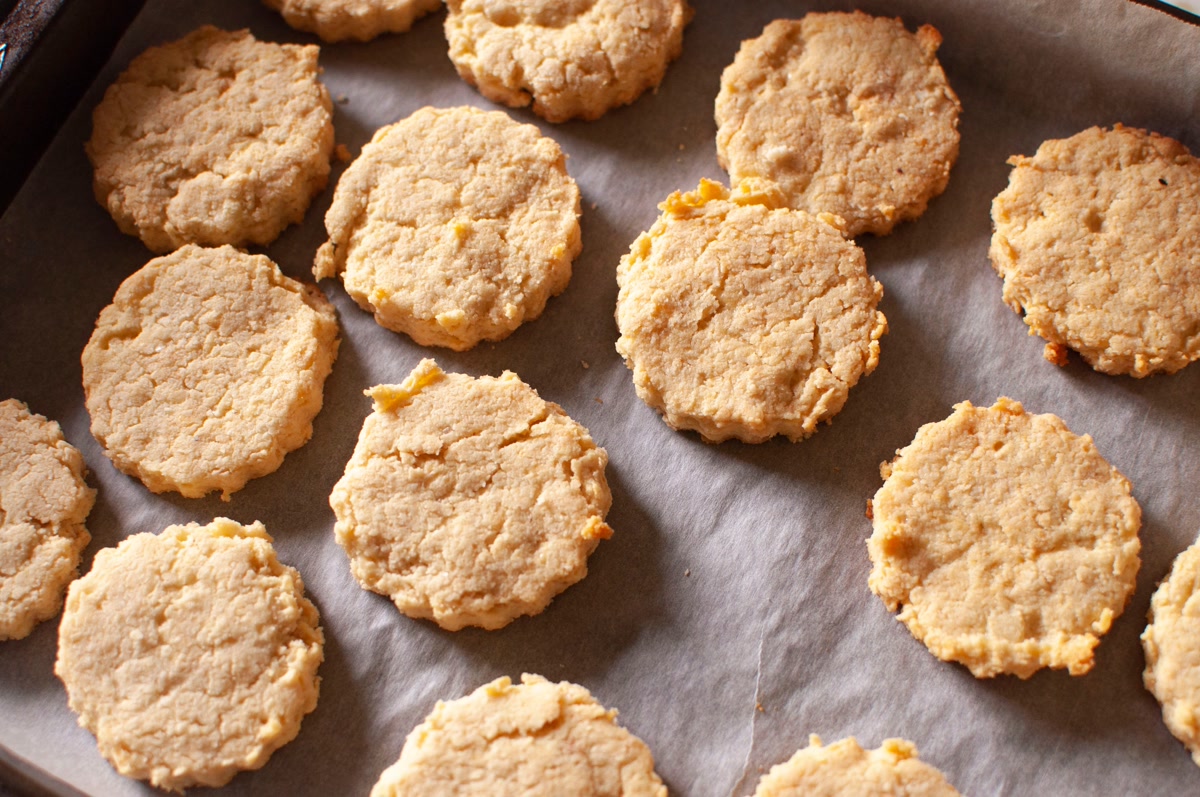
The Real Cost of Store-Bought Versus Homemade Treats
Walk into any pet store and you will see treat bags priced from five dollars for a small pouch up to fifteen dollars for premium brands. Read the ingredient labels and you will find things like corn syrup, artificial colors, meat by-products, and preservatives with names you cannot pronounce. You are paying for packaging, marketing, and shelf stability — not nutrition.
Homemade treats flip that equation. A two-dollar sweet potato makes fifty or more chew strips. A one-dollar bag of frozen green beans lasts weeks as training rewards. Three dollars of chicken breast becomes a jar of jerky that would cost twelve dollars at the store. When you make treats yourself, every penny goes toward real food your dog actually benefits from.
Consider the math: if you spend ten dollars a month on commercial treats, that is one hundred and twenty dollars a year. Switching to homemade drops that to under thirty dollars annually for most dogs. That savings adds up fast, especially for multi-dog households or heavy training phases.
Five-Minute No-Bake Treats
Sometimes you need treats right now, and the oven is too much effort. These three options take literally minutes to prepare, require zero cooking, and your dog will devour them.
Frozen Banana Slices
Peel a banana, slice it into quarter-inch rounds, and freeze them on a plate for two hours. That is it. One banana makes about twenty slices, and bananas cost around twenty cents each. Dogs go crazy for the cold, sweet texture, and you get potassium, fiber, and vitamins with zero effort. If your dog is small, cut the slices even thinner. For a richer treat, spread a thin layer of peanut butter between two slices before freezing.
Frozen Green Beans
Grab a one-dollar bag of frozen green beans from the grocery store, and you have training treats for weeks. Green beans are low in calories, high in fiber, and most dogs love the crunch. Use them straight from the freezer — no prep needed. Vets actually recommend green beans as a weight-management tool for dogs because they fill up the stomach without adding calories. One bag contains roughly two hundred individual beans, making the per-treat cost essentially a fraction of a penny.
Apple Slices
Cut an apple into thin slices, remove every single seed (apple seeds contain cyanide and are dangerous for dogs), and serve fresh or frozen. Apples provide vitamins A and C, fiber, and a satisfying crunch that cleans teeth as your dog chews. If you already have apples in the house, these are effectively free. Just remember: no seeds, no core, and no stems.
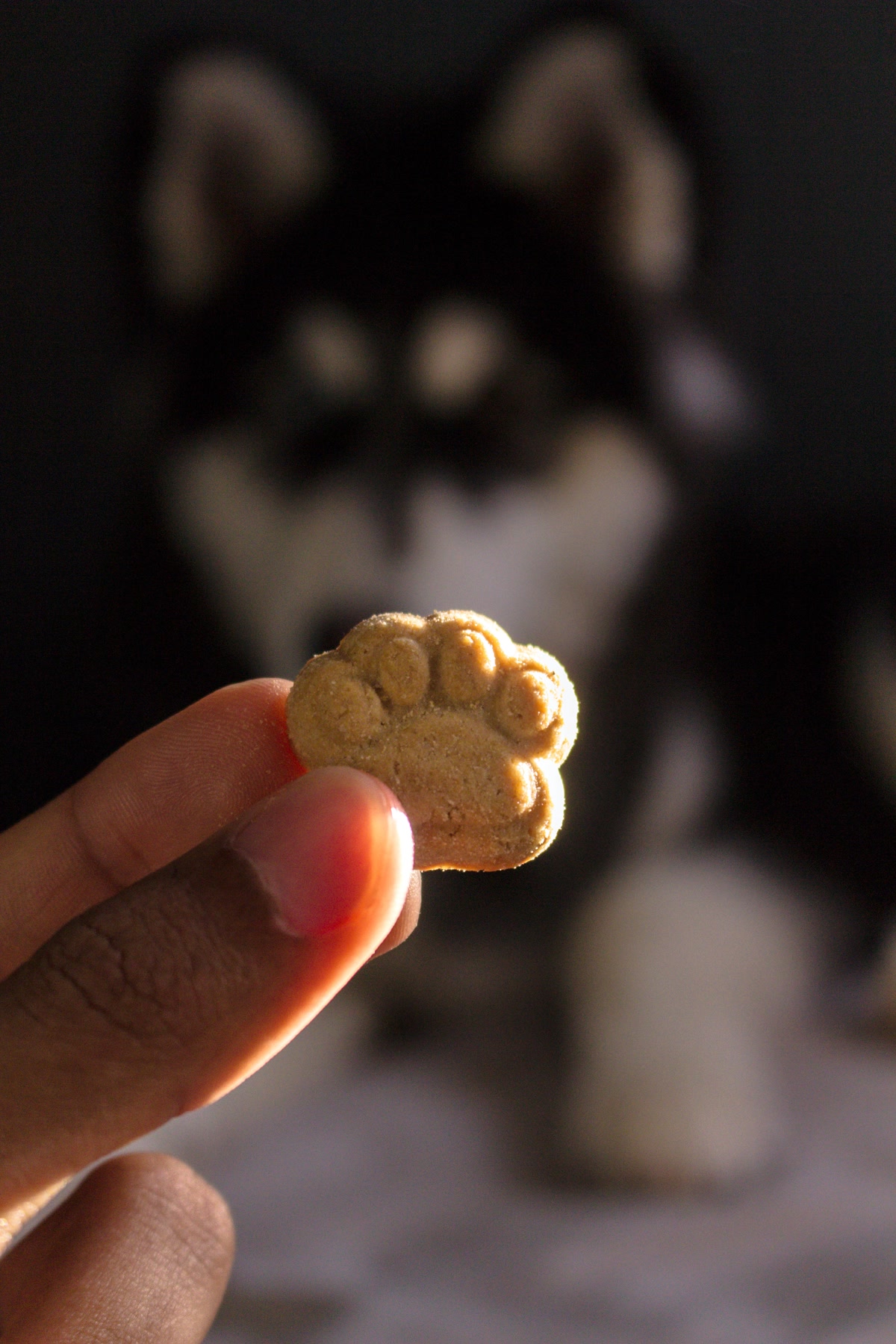
Dehydrated Treats That Last for Weeks
If you can wait a few hours, dehydrated treats give you the most bang for your buck. They store for weeks in the fridge, cost a fraction of commercial equivalents, and dogs find them irresistible.
Sweet Potato Chews
Buy the largest sweet potato you can find for about one dollar. Wash it thoroughly, slice it lengthwise into quarter-inch strips, and arrange them on a baking sheet. Bake at 250 degrees Fahrenheit for three hours, flipping halfway through. The result: chewy, leathery strips that dogs will work on for minutes. One sweet potato makes roughly thirty to forty chews, costing about three cents each. Compare that to store-bought sweet potato chews at eight to twelve dollars per bag. Let them cool completely before storing in an airtight container in the refrigerator, where they will stay fresh for two to three weeks.
Chicken Jerky
Buy boneless skinless chicken breast at three to four dollars per pound. Slice it against the grain as thin as you can — partially freezing the breast for thirty minutes makes this much easier. Lay the strips on a wire rack over a baking sheet and bake at 200 degrees Fahrenheit for two to three hours until completely dry and stiff. One pound of chicken makes about forty to fifty jerky strips. The same product sells for ten to fifteen dollars per bag at pet stores. Store in the refrigerator and use within two weeks, or freeze for up to three months.
Liver Bites
Chicken liver costs two to three dollars per pound at most grocery stores. Slice it into thin pieces, lay flat on a parchment-lined baking sheet, and bake at 250 degrees Fahrenheit for about two hours until completely dry and crispy. Break into small pieces for training rewards. Dogs find liver absolutely irresistible, which makes it the ultimate high-value training treat. Commercial liver treats sell for ten to twelve dollars per bag, making this one of the biggest savings on the list. One pound yields enough treats for weeks of daily training sessions.
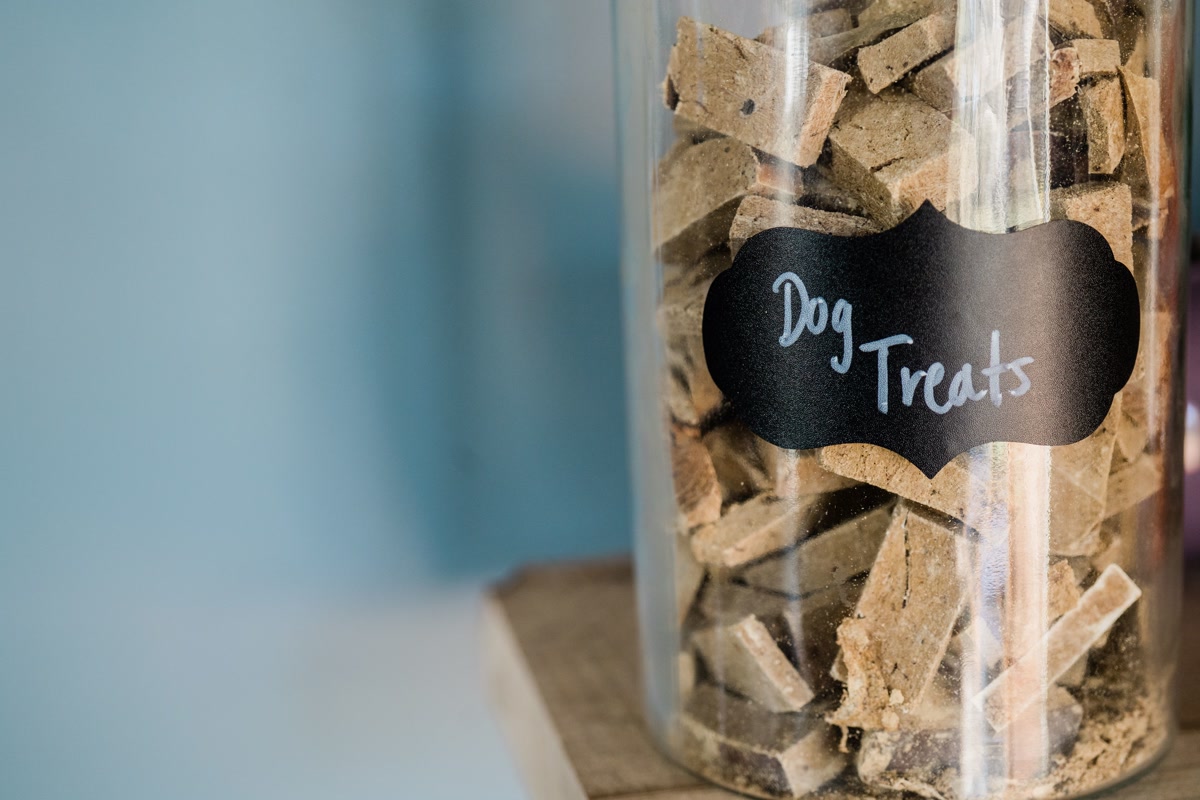
Baked Treats for Bulk Prep
These recipes take a bit more effort but produce large batches you can freeze and portion out over months. They are perfect for a Sunday afternoon prep session.
Pumpkin Oat Cookies
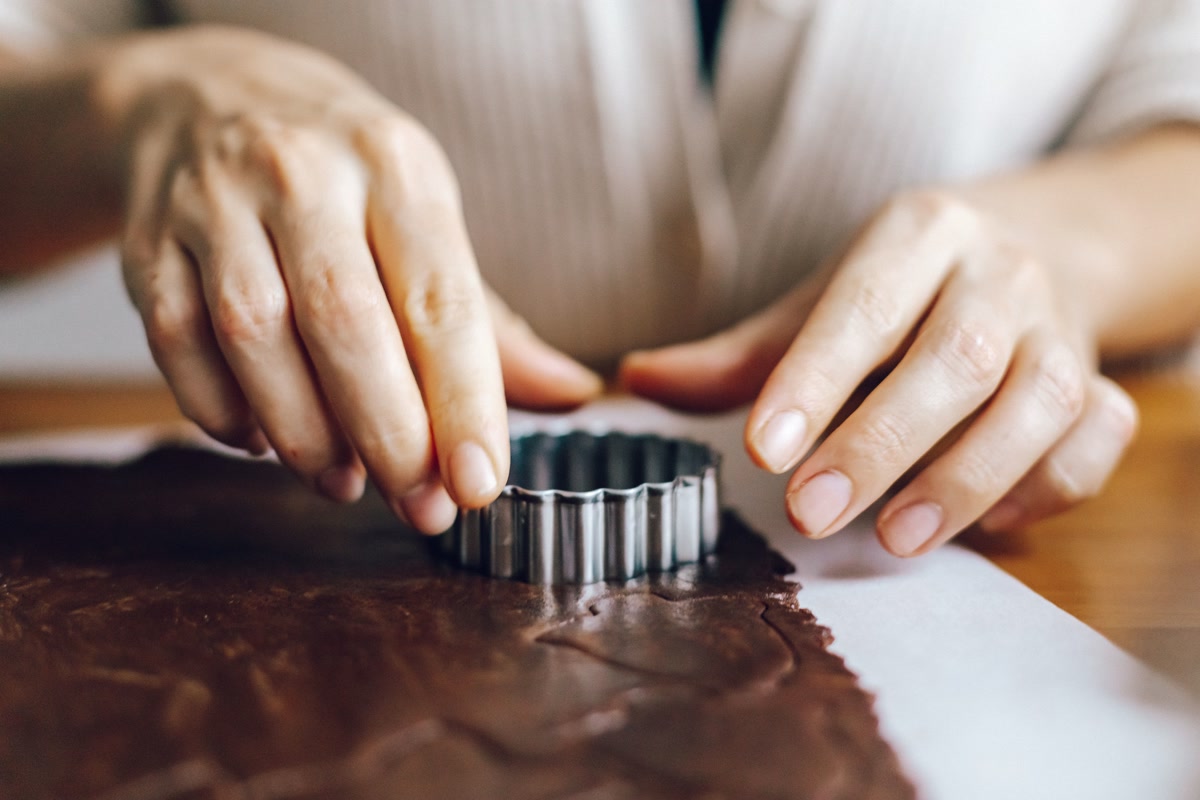
You will need one can of pure pumpkin puree (not pie filling — check the label) and two cups of oat flour, which you can make by blending rolled oats in a food processor until fine. Mix them into a dough, roll it out to quarter-inch thickness, and cut into shapes with a cookie cutter or knife. Bake at 350 degrees Fahrenheit for twenty-five minutes until firm and golden on the bottom. Three dollars of ingredients makes approximately fifty treats. Store extras in the freezer for up to three months.
Egg Bite Biscuits
Whisk two eggs, add one and a half cups of whole wheat flour and a splash of water until you have a workable dough. Roll flat, cut into small squares, and bake at 350 degrees Fahrenheit for twenty minutes. Two dollars of ingredients produces forty or more bite-sized biscuits that are perfect for training. The eggs provide high-quality protein, and the small size means you can reward frequently without overfeeding.
Peanut Butter Banana Bites
Mash two ripe bananas with half a cup of unsalted peanut butter (check the label — xylitol is deadly to dogs and shows up in some peanut butter brands). Stir in one cup of oat flour until you have a thick dough. Scoop small balls onto a baking sheet and freeze for one hour for no-bake treats, or bake at 350 degrees Fahrenheit for fifteen minutes for a crunchier version. Two dollars of ingredients makes thirty or more bites, and most dogs consider these the holy grail of treats.
Frozen Treats for Hot Days
When summer hits, frozen treats keep your dog cool and entertained. These recipes use ice cube trays or silicone molds you probably already own.
Frozen Yogurt Berry Bites
Mix plain unsweetened yogurt with a handful of fresh or frozen blueberries. Spoon the mixture into ice cube tray compartments and freeze for four hours. Three dollars of yogurt and berries makes twenty-four bite-sized treats. The probiotics in yogurt support digestive health, and blueberries add antioxidants. Only use plain yogurt with no added sugar or artificial sweeteners.
Watermelon Cubes
Cut seedless watermelon into one-inch cubes, remove every single seed (watermelon seeds can cause intestinal blockages), and freeze on a plate or in a silicone mold. Two dollars buys a small watermelon that yields fifty or more cubes. This is a summer staple — hydrating, low-calorie, and most dogs love the sweet taste. For an extra treat, blend the watermelon first and freeze in ice cube trays for a smoother texture.
Frozen Broth Pupsicles
Pour low-sodium chicken or beef broth into ice cube trays or silicone molds. Add a small piece of carrot or green bean to each compartment for visual interest, then freeze overnight. One carton of broth at under two dollars makes thirty-six pupsicles. These are perfect for teething puppies, hot afternoons, or keeping a dog occupied in their crate. Make sure the broth contains no onions or garlic — both are toxic to dogs.
Training Treat Essentials: Small, Soft, and Stinky
Effective training treats need three qualities: they must be small enough to eat quickly without breaking focus, soft enough that the dog does not spend ten seconds chewing, and aromatic enough to compete with distractions. Here are the best budget options that check all three boxes.
Liver bites (described above) are the gold standard for training because nothing smells more appealing to a dog. Cheese is another strong option — cut cheddar or mozzarella into tiny cubes the size of a pea, microwave for ten seconds to soften, and carry in a treat pouch. Hot dogs sliced into paper-thin discs are also effective, though they are higher in sodium so use them sparingly. Frozen green beans work for low-distraction environments, but save the smelly stuff for outdoor training where your dog needs extra motivation.
A key rule: training treats should be tiny. A piece the size of a pea is plenty for most dogs. If you are giving more than that per reward, you will fill your dog up before the session is over and risk weight gain over time.
Dog Treat Safety Checklist
Before making any treats, review this list of foods that are dangerous or toxic to dogs:
- Never use grapes or raisins — they cause kidney failure
- Never use onions or garlic in any form — they destroy red blood cells
- Never use xylitol (birch sugar) — found in some peanut butter and sugar-free products, it causes fatal blood sugar drops
- Never use macadamia nuts — they cause paralysis-like symptoms
- Never use chocolate — toxic to dogs in any amount
- Always remove apple seeds, cherry pits, and peach pits — they contain cyanide compounds
- Always remove watermelon seeds — they can cause blockages
- Avoid excess salt, sugar, and artificial sweeteners
- Introduce new foods one at a time and watch for allergic reactions
- Consult your vet before making treats for dogs with health conditions
When in doubt about an ingredient, skip it. There are plenty of safe, cheap alternatives on this list.
Cost Breakdown: Homemade Versus Store-Bought
Here is the real math behind these treats, based on typical grocery store prices in 2026:
- Frozen banana slices: twenty cents per banana, roughly twenty treats — less than one cent per treat
- Frozen green beans: one dollar per bag, roughly two hundred treats — less than one cent per treat
- Apple slices: fifty cents per apple, roughly fifteen treats — about three cents per treat
- Sweet potato chews: one dollar per potato, roughly thirty-five treats — about three cents per treat
- Chicken jerky: three to four dollars per pound, roughly forty-five treats — about eight cents per treat
- Liver bites: two to three dollars per pound, roughly sixty treats — about four cents per treat
- Pumpkin oat cookies: three dollars total, roughly fifty treats — about six cents per treat
- Egg bite biscuits: two dollars total, roughly forty treats — about five cents per treat
- Peanut butter banana bites: two dollars total, roughly thirty treats — about seven cents per treat
- Frozen yogurt berry bites: three dollars total, roughly twenty-four treats — about twelve cents per treat
- Watermelon cubes: two dollars total, roughly fifty treats — about four cents per treat
- Frozen broth pupsicles: two dollars total, roughly thirty-six treats — about six cents per treat
Compare that to commercial treats: a typical eight-dollar bag of premium jerky contains about thirty pieces at twenty-seven cents each. A five-dollar bag of soft training treats might have one hundred pieces at five cents each, but with fillers and preservatives your dog does not need. Making treats at home saves you seventy to ninety percent while giving your dog better nutrition and zero artificial ingredients.
Start Making Treats Today
You do not need special equipment, expensive ingredients, or culinary skills to make dog treats at home. Start with the five-minute options — frozen banana slices and green beans require zero effort and cost almost nothing. Once you see how much your dog loves them and how much money you save, you will want to try the baked and dehydrated recipes too.
The biggest payoff comes from chicken jerky and liver bites, which replace the most expensive store-bought options at a quarter of the price. But even the simplest treats on this list are healthier than most commercial products because you control exactly what goes into them.
Your dog gets better food, your wallet stays fuller, and you get the satisfaction of making something with your own hands. Pick a recipe from this list, grab the ingredients on your next grocery run, and see for yourself how easy and affordable homemade dog treats really are.
n
ThriftyPaw is reader-supported. As an Amazon Associate, we earn from qualifying purchases. This means we may earn a small commission when you buy through links on this site at no additional cost to you. We only recommend products we genuinely believe in. Thank you for supporting ThriftyPaw.
My take: The $1 bag of frozen green beans is the gateway — training treats for weeks, and it starts saving the $120 a year the average treat habit costs. Batch-prep the sweet potato chews and chicken jerky on a weekend; dehydrated treats last weeks and cover everything else.
Related guides
- Best Budget Dog Crates Under 100 Dollars: Quality Kennels That Will Not Break the Bank
- Dog Food Storage on a Budget: Save Hundreds Per Year (2026)
- Chewy vs. Petco vs. Amazon: Where Pet Supplies Are Actually Cheapest in 2026
- Budget Dog Hydration: Summer Water Guide Under 20 Dollars (2026)
- Senior Dog Food on a Budget — What Changes, What to Feed, and What to Skip (2026)
🐾 Get Your Free Big Dog First Aid Kit Checklist
Join our newsletter and get this free printable plus weekly tips.
Frequently Asked Questions
Are homemade dog treats actually cheaper?
Dramatically — a $2 sweet potato makes 50+ chew strips that cost $8-12 per bag in stores, and $3 of chicken breast becomes jerky that retails at $12. The guide's math: a $10/month commercial treat habit drops to under $30 a year.
What's the easiest homemade dog treat for beginners?
Frozen green beans — a $1 bag from the grocery store lasts weeks as training rewards, and there's no prep beyond opening the bag. Frozen banana slices and apple slices are the same category: five minutes, no baking, dog-approved.
Are homemade treats safe for dogs?
With an ingredient list you control, safer than most commercial treats — no fillers or recall scares. The rules: no xylitol, no chocolate, no grapes/raisins, no onions, and dehydrated treats must be fully dried to avoid spoilage. When in doubt, the ingredient list on a homemade treat is one you can actually read.
Liked this guide? Get the next one in your inbox — the pet budget checklist is free too.
✓ You're in — check your inbox.
No spam. Unsubscribe anytime. We never share your email.