

This article contains affiliate links. We may earn a commission from qualifying purchases.
Some content on this site is AI-assisted and reviewed by our editorial team.
How to Travel with Your Dog on a Budget — Save Hundreds on Pet-Friendly Trips
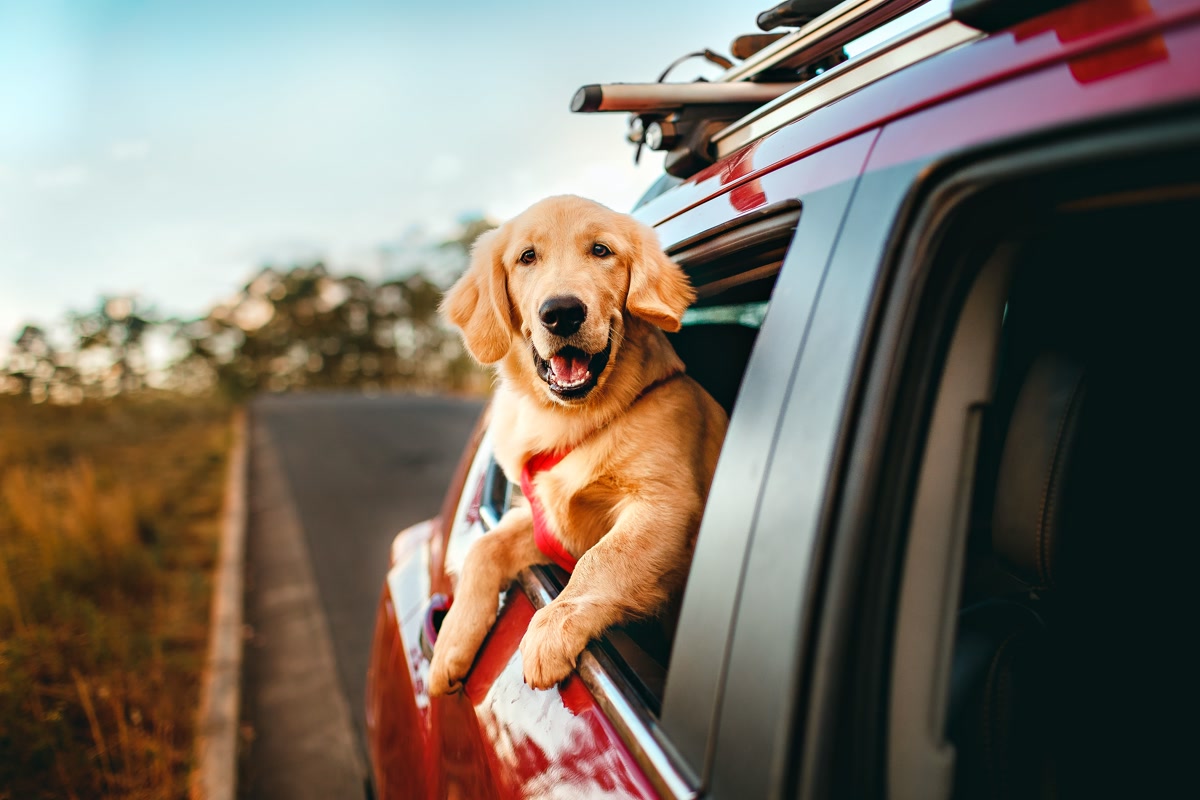
Taking your dog on vacation should not mean draining your savings account. Between airline pet fees, hotel surcharges, and last-minute supply runs, the costs pile up fast — sometimes adding 300 dollars or more to a single trip. But here is the good news: with the right strategies, you can bring your dog along for a fraction of what most pet owners spend. This guide breaks down every major expense and shows you exactly how to cut it, from the cheapest airlines to free-pet hotels to a DIY travel kit you can assemble for under 30 dollars. Whether you are planning a cross-country road trip or a weekend getaway, these tips will keep more money in your pocket and keep your dog happy on the road.
Why Traveling With Your Dog Saves Money Over Boarding
Before we dive into the travel hacks, consider the alternative: leaving your dog behind. Boarding kennels charge 50 to 100 dollars per night, and premium facilities in major cities can exceed 120 dollars per night. A one-week trip means 350 to 840 dollars just for boarding — and that is before add-ons like playtime, medication administration, or webcam access.

Even budget-friendly alternatives like Rover or Wag walkers who offer overnight stays typically charge 40 to 75 dollars per night. Compare that to bringing your dog along where the only extra cost might be a 25-dollar hotel pet fee or nothing at all if you choose pet-free hotels. The math is simple: for trips longer than a weekend, traveling with your dog is often cheaper than leaving them behind.
There is also the hidden cost of pre-trip vet visits. Many boarding facilities require up-to-date vaccination records, Bordetella shots (15 to 35 dollars), and sometimes a health certificate (50 to 200 dollars depending on your vet). If you travel with your dog instead, you may still need a health certificate for flying, but road trips within your state typically require zero paperwork.
The Cheapest Way to Travel With Your Dog: Road Trips
If you want the absolute lowest cost for pet travel, driving is unbeatable. Here is why: airlines charge between 75 and 200 dollars each way for a pet, which means round-trip pet fees alone can cost 150 to 400 dollars. Add that to your own ticket price, and you are looking at significant extra costs before you even land.
A road trip, on the other hand, costs whatever gas and tolls you would already pay — your dog rides free. For a 500-mile round trip at 25 miles per gallon and 3.50-dollar gas, you are looking at roughly 70 dollars in fuel. Compare that to 200-plus dollars in airline pet fees, and the savings are obvious.
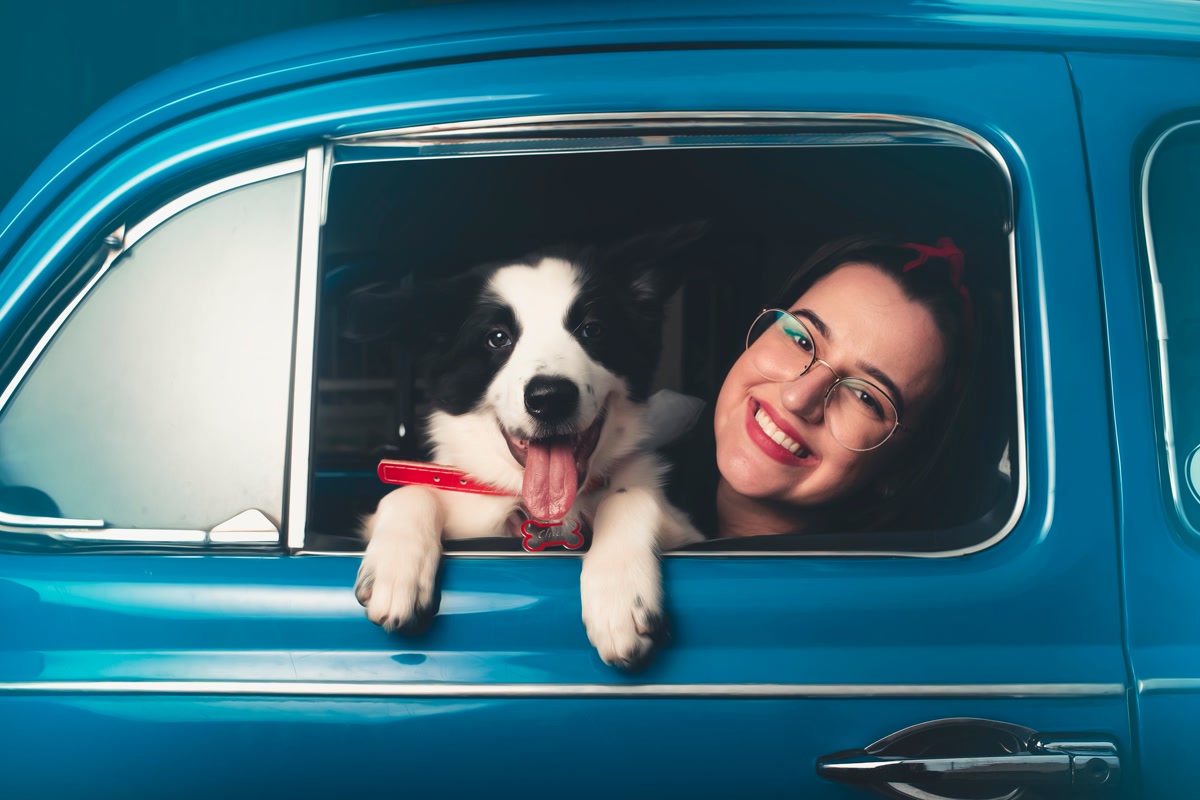
Driving also eliminates the stress of airline pet travel. No worrying about whether your dog will fit under the seat, no last-minute gate checks, and no risk of being denied boarding. Your dog can stretch out in the back seat, stop for walks whenever needed, and enjoy the journey right alongside you.
Airline Pet Fees Compared: Which Airlines Are Cheapest?
If flying is unavoidable, knowing which airlines charge the least for in-cabin pets can save you 50 to 100 dollars per trip. Here is the current breakdown of major U.S. airline pet fees for carry-on travel:
- Frontier Airlines: 99 dollars each way — cheapest among major carriers, but limited routes and no pets in business class
- Alaska Airlines: 100 dollars each way — good for West Coast routes, generally pet-friendly staff
- JetBlue: 125 dollars each way — includes a pet carrier that meets size requirements
- Southwest Airlines: 125 each way — allows small dogs and cats in approved carriers
- Delta Airlines: 150 round-trip for carry-on pets — slightly better deal for round trips
- American Airlines: 150 dollars each way — one of the pricier options
- United Airlines: 125 dollars each way for in-cabin pets
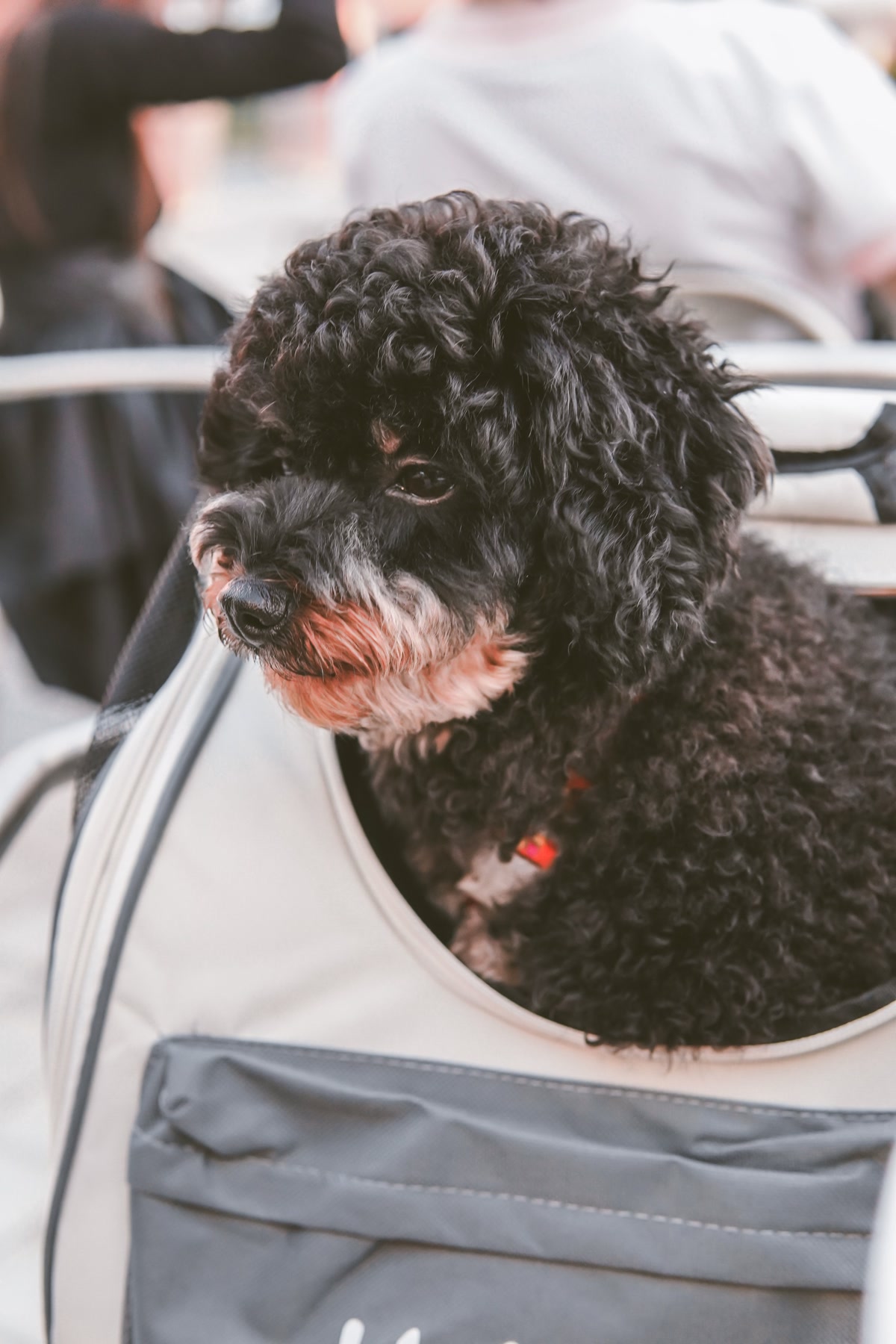
The key takeaway: Frontier and Alaska offer the lowest pet fees at around 100 dollars per direction. If you are booking a flight anyway and have flexibility on airline, choosing Frontier can save you 50-plus dollars each way compared to American or Delta. Always book your pet reservation early — airlines limit the number of in-cabin pets per flight, usually between 4 and 7, and they fill up during peak travel seasons.
Also remember: airlines require a health certificate from your vet dated within 10 days of travel, which costs 50 to 200 dollars. Factor this into your total flying cost. Microchipping your dog (50 dollars one-time) is also recommended before any air travel.
Pet-Friendly Hotels That Do Not Charge Pet Fees
Hotel pet fees are one of the biggest hidden costs of traveling with a dog. Many chains charge 25 to 150 dollars per stay, and some luxury hotels hit you with 75 dollars per night. But several hotel chains welcome pets at zero extra cost:
- La Quinta Inn and Suites: No pet fee at most locations, dogs up to 40 pounds, two pets per room
- Red Roof Inn: One pet stays free, second pet may incur a small fee, no weight limit
- Motel 6: Pets stay free, no weight or number restrictions at most locations
- Kimpton Hotels: No pet fee, no weight limit, welcome amenity for pets, truly pet-luxury experience
- Best Western: Most locations allow pets, fees vary but many charge 20 dollars or less per stay
For longer stays, pet-friendly Airbnbs and Vrbo listings often beat hotels on price — especially when you factor in kitchen access to prepare your dog’s meals. Search for listings that explicitly allow pets and read the fine print on fees. Some hosts charge a 50 to 100-dollar pet fee, but many do not charge anything extra. Always message the host before booking to confirm their pet policy.
Camping and RV travel with dogs is the cheapest option of all. National park campgrounds typically cost 15 to 30 dollars per night, and many Bureau of Land Management sites are free. Most campgrounds allow leashed dogs, and your dog gets the bonus of wide-open spaces and fresh air instead of a hotel room.
The Budget Dog Travel Packing Checklist
Buying supplies on the road is expensive. A bag of premium dog food at a resort-area pet store can cost 30 to 50 percent more than at home. A simple travel bowl at a gas station might run you 15 dollars versus 8 dollars online. The solution: pack everything before you leave.
- Food: Pre-portion meals in zip bags for each day, plus two extra days’ worth in case of delays
- Water: Bring a gallon from home — dogs can get digestive upset from unfamiliar water sources
- Bowls: Collapsible silicone bowls (8 to 12 dollars) save space and are cheaper than buying on the road
- Medications: Heartworm, flea and tick, anxiety meds — at least a week’s supply beyond your trip
- Leash and harness: Bring a backup leash; replacing one on vacation costs 20 dollars plus
- Waste bags: A roll of 60 costs 6 dollars at home versus 12 dollars at a tourist shop
- Blanket or bed: Familiar scent helps anxious dogs settle in hotel rooms
- Vaccination records: Keep a photo on your phone and a paper copy in your car
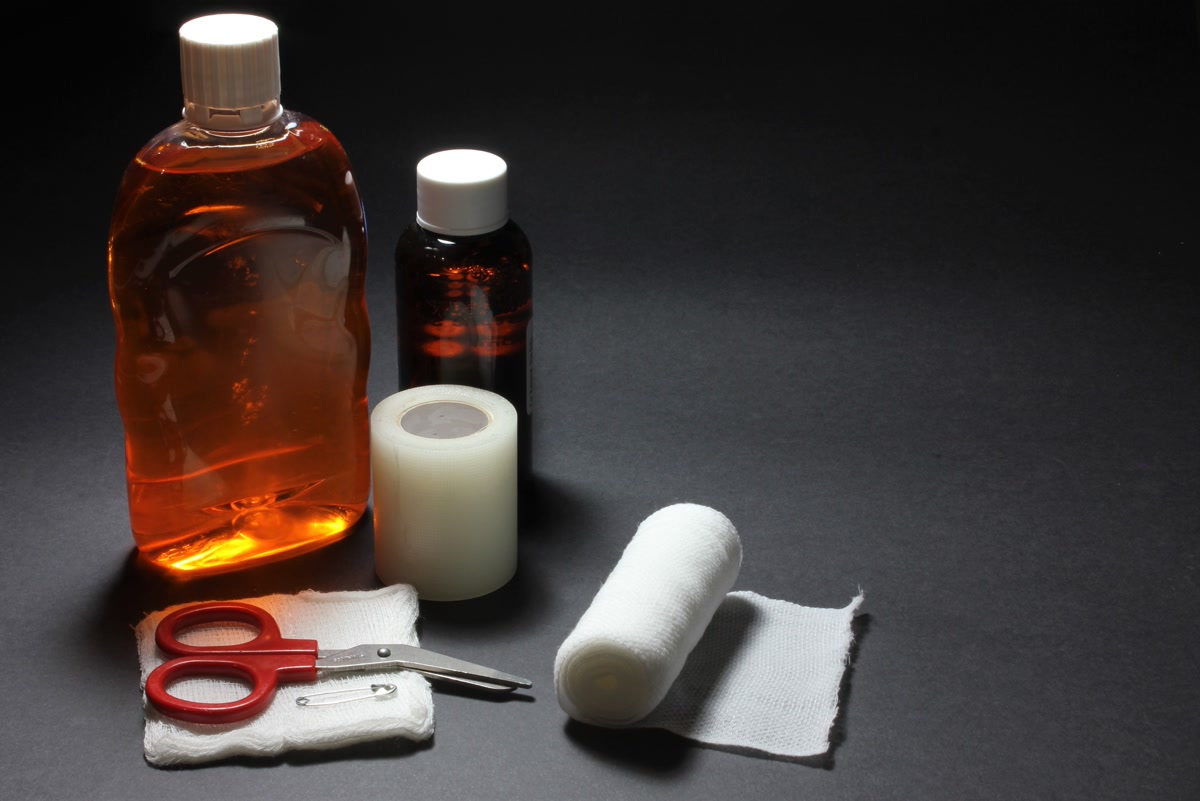
DIY Pet Travel Kit for Under 30 Dollars
You do not need to spend 50 dollars on a pre-made pet first aid kit. Here is how to build a travel-ready kit for under 30 dollars using items from any pharmacy or dollar store:
- Gauze rolls and pads (3 dollars): For wound care and bandaging paws
- Adhesive tape (2 dollars): To secure bandages
- Antiseptic wipes (3 dollars): For cleaning cuts and scrapes on the trail
- Tweezers (2 dollars): For removing ticks, thorns, and splinters
- Digital thermometer (4 dollars): Dog normal temperature is 101 to 102.5 degrees Fahrenheit
- Hydrogen peroxide 3 percent (2 dollars): For inducing vomiting if your dog ingests something toxic — call your vet first
- Diphenhydramine 25mg tablets (3 dollars): Generic Benadryl for allergic reactions — dosage is 1mg per pound of body weight
- Rectal lubricant packets (2 dollars): For using the thermometer
- Styptic powder or pencil (3 dollars): Stops bleeding from torn nails
- Small scissors with blunt tips (2 dollars): For cutting tape and gauze
- Emergency contact card (1 dollar): Write your vet’s number and the Pet Poison Hotline (855-764-7661)
Total cost: approximately 27 dollars. Keep everything in a small zippered pouch that fits under a car seat or in your backpack. This kit handles the most common travel emergencies — paw injuries, allergic reactions, tick bites, and minor cuts — until you can reach a vet.
Budget Boarding Alternatives When You Cannot Bring Your Dog
Sometimes bringing your dog along is not possible — maybe your destination does not allow pets, or the travel itself would be too stressful for them. In that case, skip the expensive boarding kennel and consider these affordable alternatives:
- Rover: In-home dog sitting and boarding starting at 20 to 40 dollars per night, often less than kennels in the same area
- Wag: Drop-in visits and overnight stays, typically 25 to 50 dollars per night
- Trusted neighbors or friends: Offer 20 to 30 dollars per day or trade pet care — you watch their pets, they watch yours
- Vet tech students: Post on local vet tech school boards — students often pet-sit for 15 to 25 dollars per night for experience
- PetSwap and Care.com: Platforms connecting you with background-checked sitters at rates below commercial kennels
A trusted neighbor who already knows your dog might do it for free or for a small thank-you gift. Always have a backup sitter confirmed, and leave detailed instructions including your vet’s address, feeding schedule, and any behavioral quirks.
Final Thoughts: Your Dog Deserves to Come Along Without Breaking the Bank
Traveling with your dog does not have to be a luxury expense. By choosing road trips over flights, staying at no-fee pet hotels, packing smart, and building your own travel kit, you can save 200 to 500 dollars compared to the average pet owner’s travel costs. The biggest savings come from three decisions: driving instead of flying (saves 150 to 400 dollars), choosing no-fee hotels or camping (saves 50 to 300 dollars), and packing food and supplies from home (saves 40 to 100 dollars). Add those up, and you are looking at serious money back in your pocket — money you can spend making memories with your dog instead.
Start planning your next budget-friendly adventure today. Your dog is ready for the road.
n
ThriftyPaw is reader-supported. As an Amazon Associate, we earn from qualifying purchases. This means we may earn a small commission when you buy through links on this site at no additional cost to you. We only recommend products we genuinely believe in. Thank you for supporting ThriftyPaw.
🐾 Get Your Free Big Dog First Aid Kit Checklist
Join our newsletter and get this free printable plus weekly tips.