This article contains affiliate links. We may earn a commission from qualifying purchases.
Some content on this site is AI-assisted and reviewed by our editorial team.
Last January I pointed a twenty-dollar infrared thermometer at our dog door flap on a twelve-degree morning and watched it read 41 degrees. The couch three feet away read 66. That fifteen-degree cliff was why the good couch went unused all month, why the throw blanket migrated to the armchair, and why the January heating bill came in about thirty-eight dollars over November for a house kept at the same thermostat setting. The dog door was the last thing I suspected and the first thing that checked out.
A single-flap pet door never fully seals: the flap warps, the magnets weaken, and every wag pumps a shot of 12-degree air across the floor. I priced the fixes the way I price everything around here — by what they cost per winter, not what the box says. Four doors and flaps later, here’s the honest math.

What a Leaky Dog Door Actually Costs Per Winter
The flap on a standard large pet door is roughly 10 by 15 inches of flexible plastic held shut by magnets and hope. Energy-auditor folklore puts a poorly sealing one somewhere between a cracked window and a brick-sized hole in the wall: in cold-winter states, budget $30 to $60 per heating season in lost heat, plus whatever the cold floor does to your heating comfort. That’s the number to beat. Every fix below costs it back.

Ideal Pet Products Designer Series Ruff-Weather Pet Door, Large — The Insulated Draft Stopper
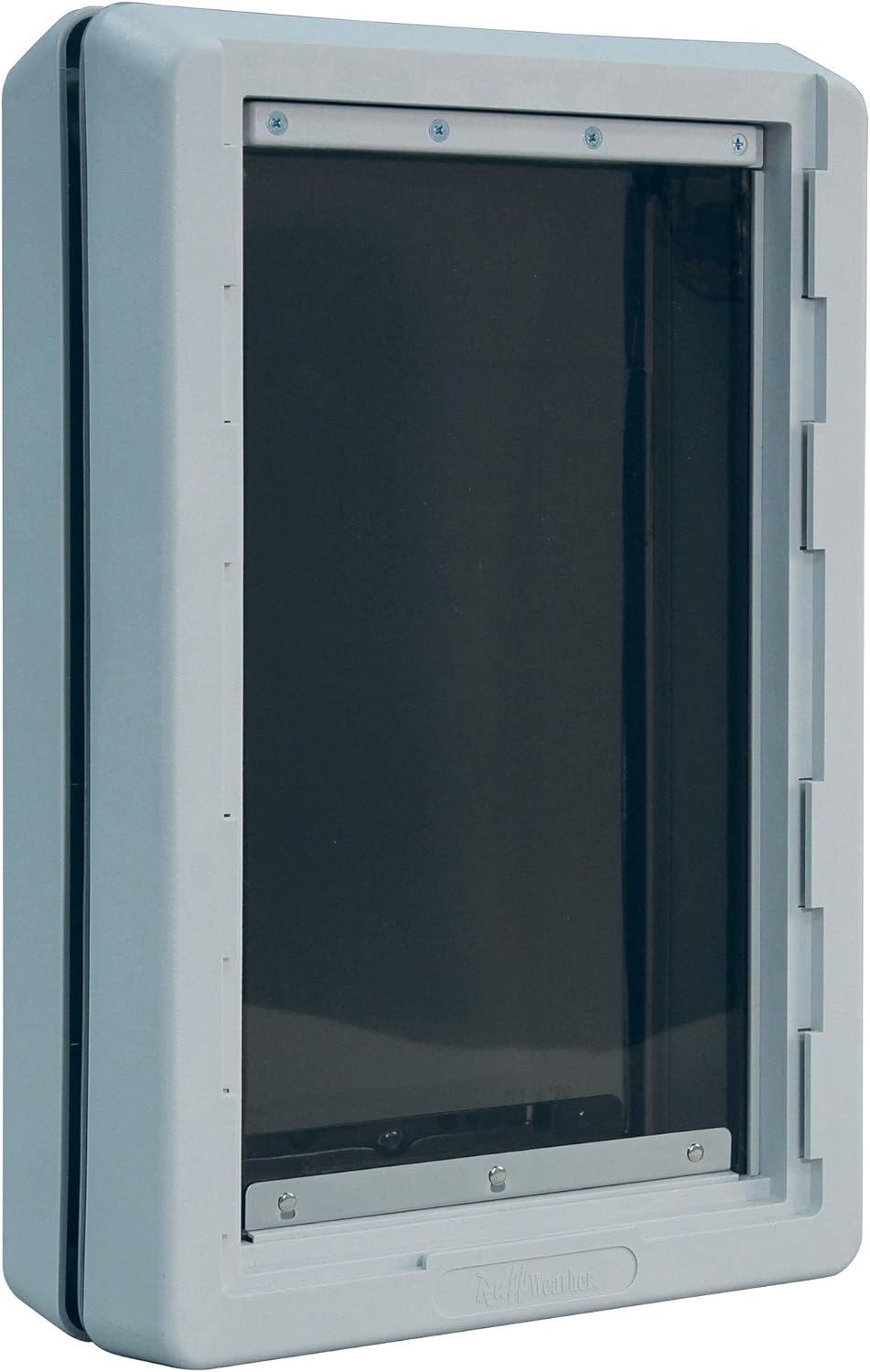
The Ruff-Weather door is the fix most people actually mean when they say draft stopper: an insulated frame with two flaps instead of one, so the gap between them becomes dead air — the same trick your storm window uses. At $114.99 for the large (flap sizes run small through large at similar money), it’s the mid-priced, mid-serious answer, and it installs in a house door with a jigsaw and a level in an afternoon.
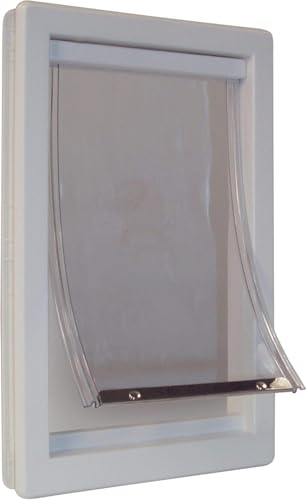
The honest con: it’s a door-mount cut, so renters can’t make this move, and the dual flaps take a nervous dog a weekend to trust.
My take: the one to buy if you’re replacing a worn single-flap door — it pays for itself in about two winters and fixes the couch climate immediately.
Ideal Pet Products 3-Panel AirSeal Replacement Flap — The 34-Dollar Retrofit
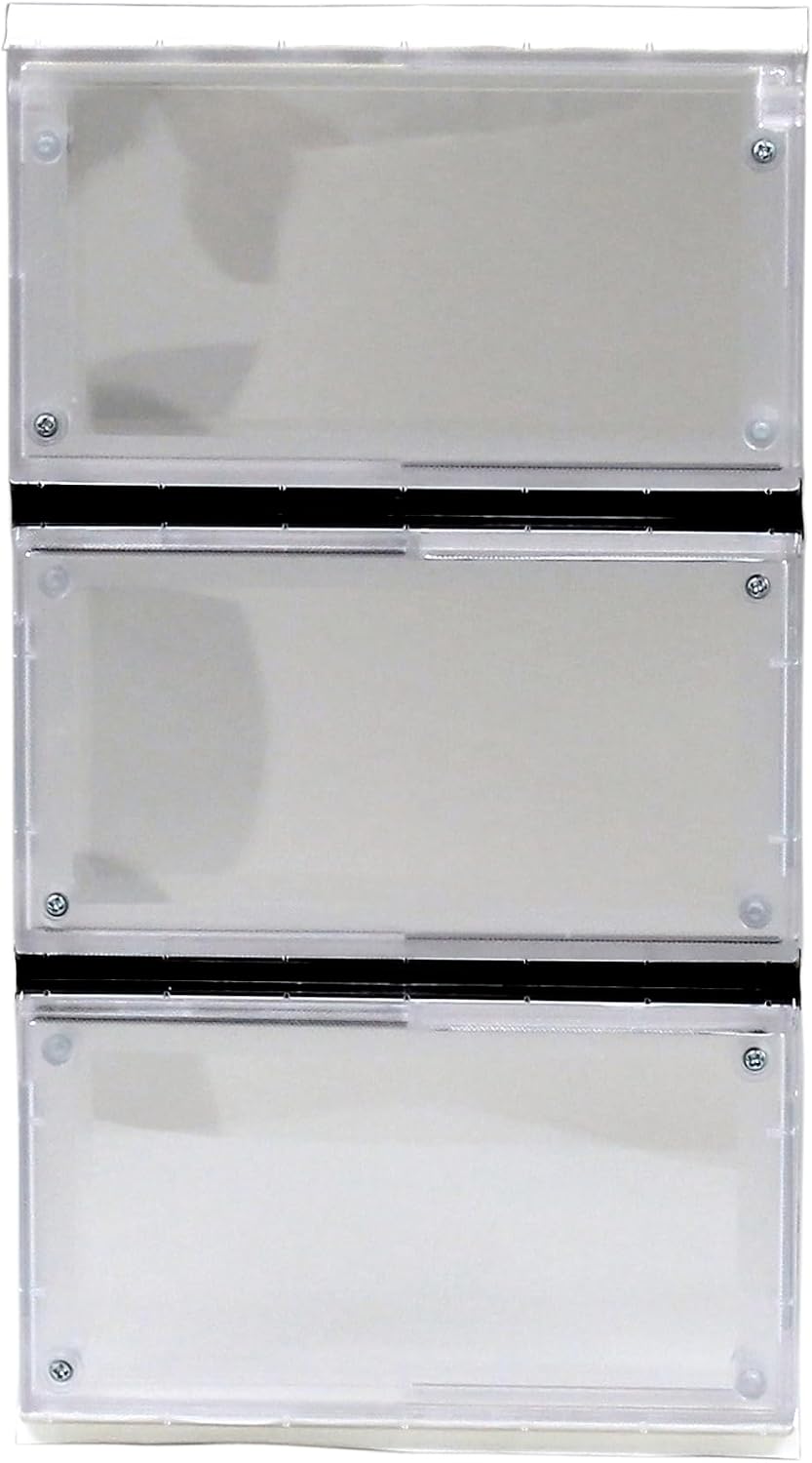
If your door’s frame is still sound, the $34.30 3-Panel AirSeal replacement flap is the cheapest real fix on this list. The three-panel design lets the flap flex against the frame instead of warping away from it — warped flaps are where most of that January draft lives. Two screws, ten minutes, and the magnets grip like the door was new.
The con: it fits Ideal Pet’s VIP and AirSeal frames specifically, so measure the flap opening before you order — sizes are frame-model-specific, not universal.
My take: try this before you buy any door — a $34 flap that seals is the best per-dollar winter fix in pet gear.
Endura Flap Thermo-Sash Window Insert — The No-Construction Fix
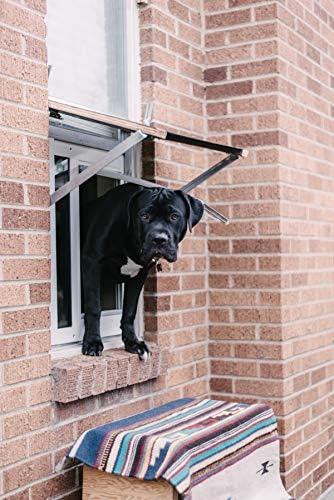
No door to cut? The Endura Flap Thermo-Sash slides into the track of a vertical sliding window — no saw, no landlord, no permanent anything. The dual-layer insulating flap system is the premium version of the Ruff-Weather trick, and the frame is what a $439.99 window insert should be. Measure your window width first; this listing runs the small flap for 34-to-37-inch widths.
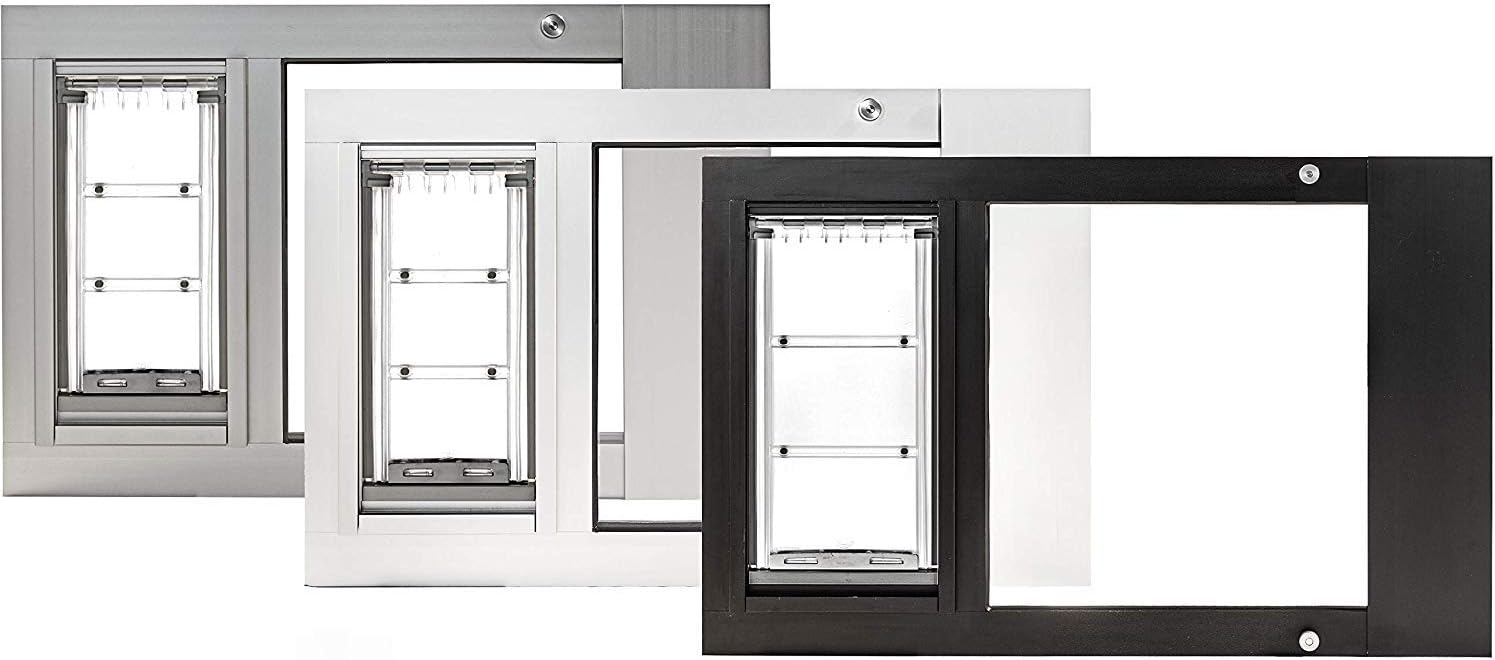
The cons: it’s $440 — you’re paying for the frame and the insulation, not the concept — and it eats most of that window’s opening for humans.
My take: the right answer for apartment dwellers and anyone who can’t cut a hole; the wrong one if you have a door wall you’re allowed to modify.
Endura Flap Pet Door for Vinyl Sliding Glass Doors — The Slider Panel
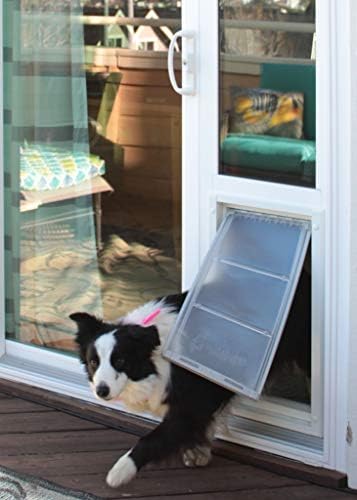
The slider-panel Endura Flap fills a full sliding-glass door opening with an insulated panel plus flap, which is why renters and condo owners keep their deposit: nothing is cut, it pressure-fits into the existing track. The large-flap vinyl panel runs $649.99 — the serious-money tier — and it’s the only fix here that turns a slider wall into a dog door without a single drilled hole.
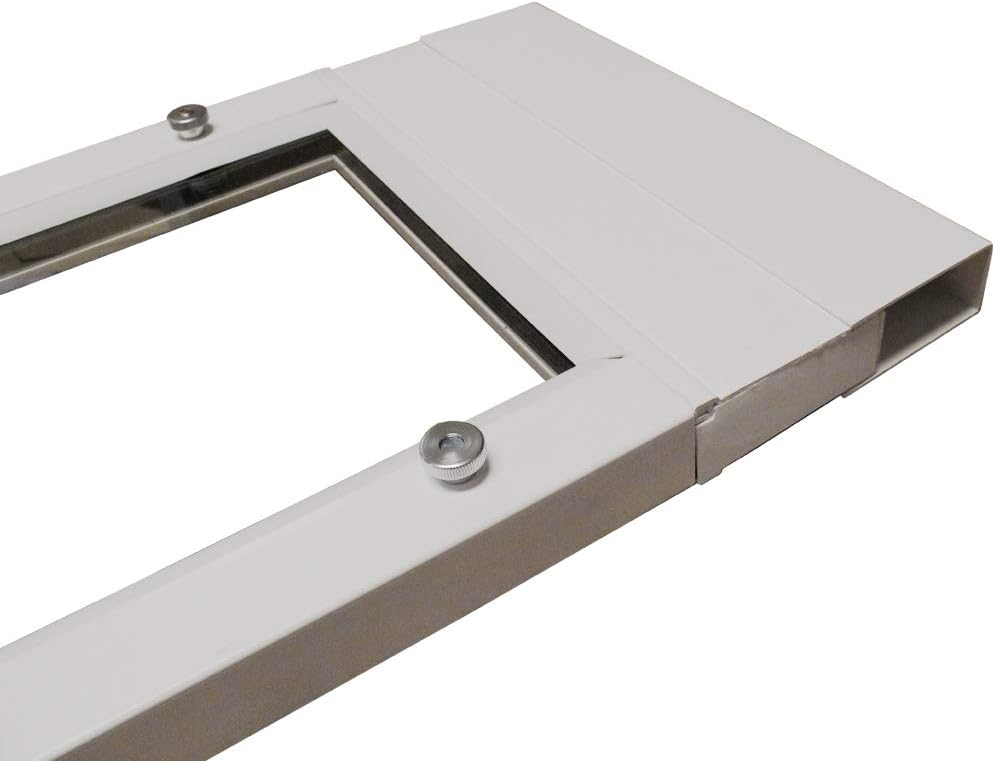
The cons: the human half of the slider narrows to a walking gap, and the price is a real bill — but it’s also the only removable whole-wall fix, and stock rotates on these faster than the price does.
My take: the no-permanent-modification answer for renters with a slider — and a keep-the-deposit insurance policy you can resell when you move.
Winter-deal note: pet doors rarely go on deep sale, but the accessories do — a 30-day Prime free trial keeps the return window open while you measure twice: start a free Prime trial here.
Features That Actually Matter (And Ones That Don’t)
Dual flaps. The dead-air gap between two flaps is the entire draft-stopper trick. Everything else is decoration on that one idea.
Insulated frame core. A metal or hollow frame conducts cold straight into the room; an insulated core is half the fix.
Magnet strength. Weak magnets mean the flap hangs open a crack at the bottom — which is exactly where the cold air runs along the floor.
Flap material. Cheap vinyl warps in sun and cold within two seasons; the rigid multi-panel designs hold their seal years longer.
What doesn’t matter: electronic microchip doors (a sealed flap beats a fancy unsealed one for heat every time), four-way locking modes you’ll use once, and “extreme weather” marketing on doors with single flaps.
The Annual Cost Comparison
- Before: $30–60 per winter in lost heat, one unusable couch, and a dog who hesitates at the cold draft.
- After (flap retrofit): $34.30 once — paid back inside a single heating season.
- After (Ruff-Weather door): $114.99 once — paid back in about two winters, plus a door that seals for a decade.
- After (Endura insert or panel): $440–650 once — the payback math is slower, but you’re also buying no-construction install and a resale-capable unit.
What else that money buys: $34 in bully sticks instead of a $34 draft is the trade the dog actually notices.
The drafty doorway also tracks mud season in spring — the 14-dollar doormat that caught the mud before the couch did covers the other end of the year, and once the door stops leaking, the donut bed that hits $23 every Black Friday gives them somewhere warm to land.
What’s the Cheapest Real Fix for a Drafty Dog Door?
If the frame is sound, the $34.30 AirSeal replacement flap fixes most of the draft for the least money. If the whole door is tired, the $114.99 dual-flap Ruff-Weather is the honest replacement — insulated frame, two flaps, and a couch you get back the same afternoon.
ThriftyPaw is reader-supported. As an Amazon Associate, I earn from qualifying purchases. That means if you buy through one of the links above, I get a small commission at no extra cost to you. I only recommend products I’ve actually used with my own dog.
🐾 Get Your Free Big Dog First Aid Kit Checklist
Join our newsletter and get this free printable plus weekly tips.
Frequently Asked Questions
How much heat does a pet door really waste?
In cold-winter states, a poorly sealing single-flap door costs an estimated 30 to 60 dollars per heating season, plus a permanent cold spot on the floor nearby. A ten-dollar infrared thermometer pointed at the flap on a cold morning confirms it in seconds.
Are draft-stopper pet doors worth the money?
The 115-dollar dual-flap Ruff-Weather door pays for itself in roughly two winters at that leak rate, and the difference shows up on the couch the same afternoon. The 34-dollar replacement flap does most of the same job when the frame is still sound.
Can I make my existing dog door stop leaking cold air?
Often yes. If the frame is straight and the flap is warped or the magnets are weak, a 34-dollar three-panel AirSeal replacement flap restores the seal. If the frame itself rattles in the opening, weatherstrip the mount before blaming the flap.
Liked this guide? Get the next one in your inbox — the pet budget checklist is free too.
✓ You're in — check your inbox.
No spam. Unsubscribe anytime. We never share your email.
Price Check
Prices verified via our product tracker. Updated Nov 19.
As an Amazon Associate we earn from qualifying purchases.