This article contains affiliate links. We may earn a commission from qualifying purchases.
Some content on this site is AI-assisted and reviewed by our editorial team.
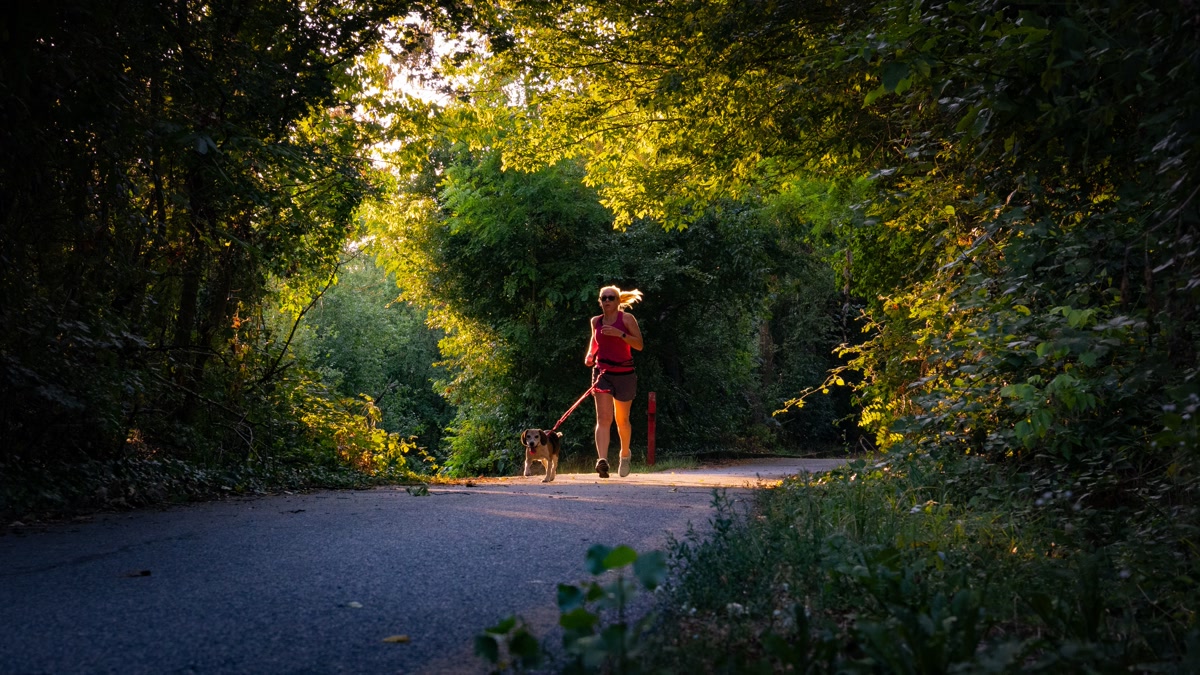
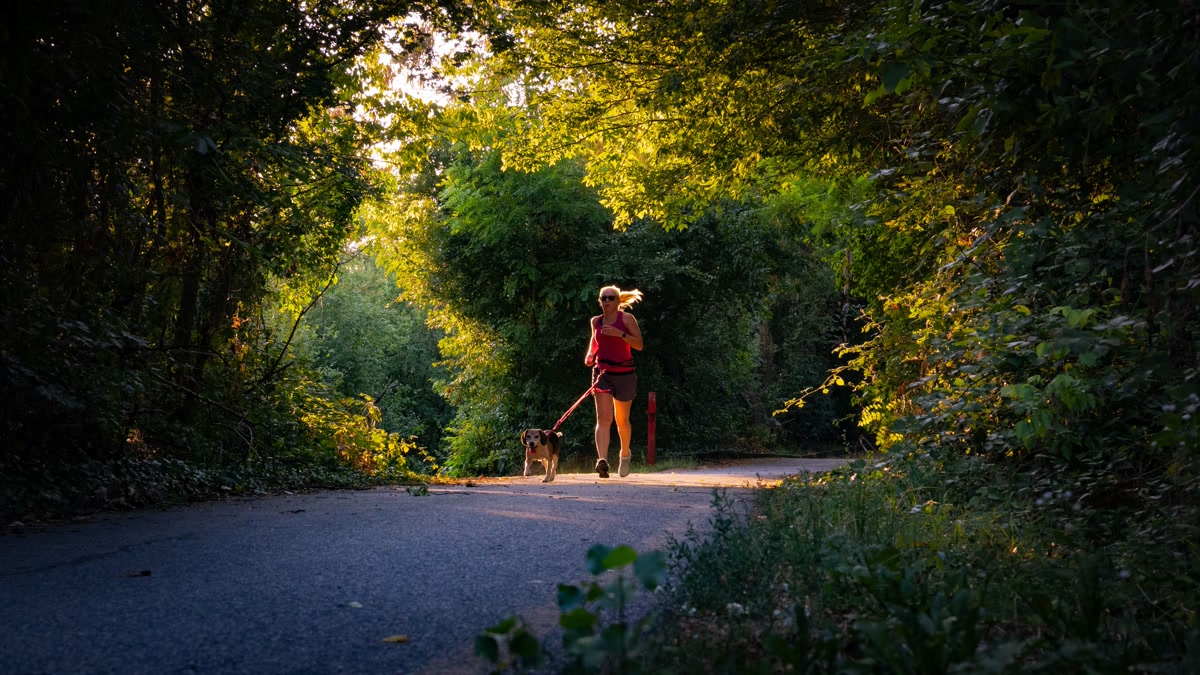
Running with your dog is one of the best ways to bond, burn energy, and stay active together. But if you’ve browsed the running-with-dogs gear online, you’d think you need to drop a fortune before you even hit the trail. You don’t. Here’s how to start running with your dog on a budget — with real product picks that won’t wreck your wallet.
The Essential Budget Gear You Actually Need
You can skip the fancy stuff. Here’s what matters and where to find it cheap.
Hands-Free Leash
A hands-free waist leash keeps your arms free for natural running form and prevents your dog from yanking your shoulder. You don’t need the 80-dollar version — solid options start around 15 bucks. Look for one with a bungee section to absorb sudden pulls and a waist belt that adjusts to your size.
Tuff Mutt Hands-Free Dog Leash — bungee cord, adjustable waist belt, dual handles for control. Around 20 dollars on Amazon. Compare hands-free leashes.
Reflective Vest
If you run early morning or evening, visibility isn’t optional — it’s survival. A reflective vest for you and one for your dog keeps both of you visible to drivers and cyclists. Human running vests run 10 to 15 dollars. Dog vests are in the same range.
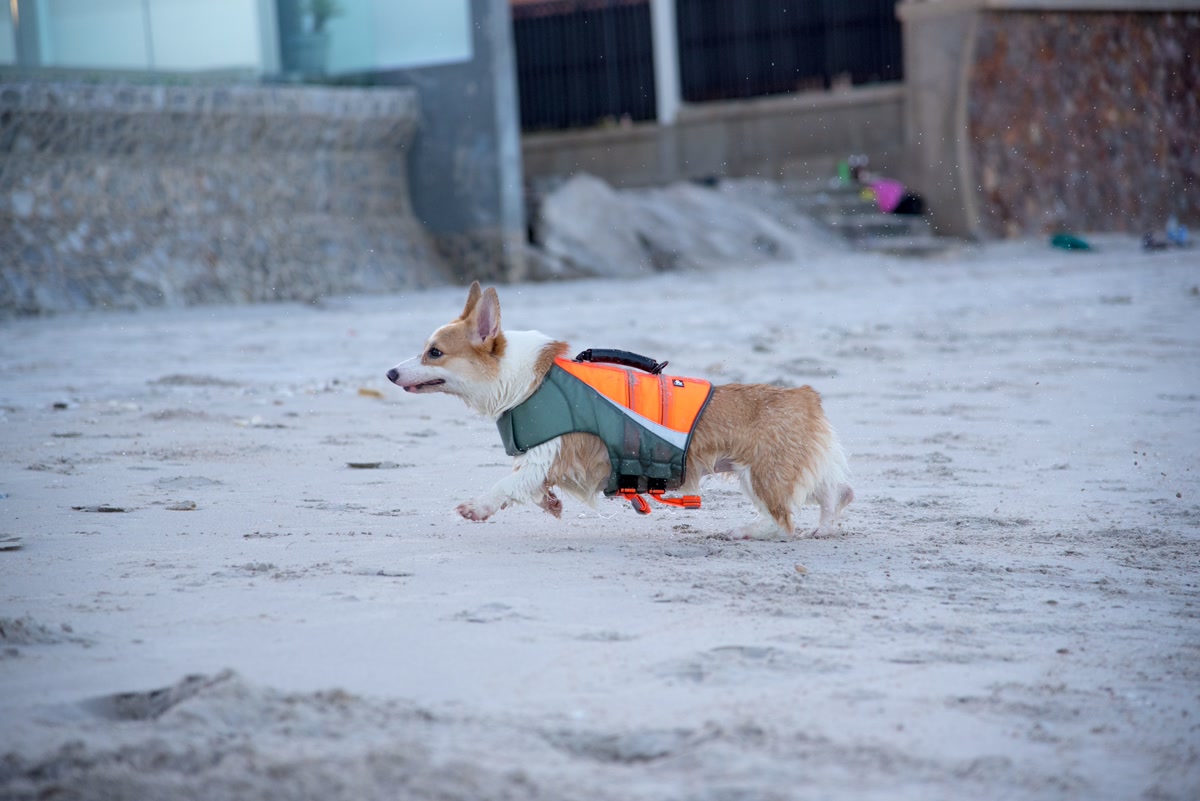
Kurgo Dog Reflective Vest — bright orange, adjustable, lightweight. Around 15 dollars. Compare reflective dog vests.
For yourself, a basic reflective running vest starts at about 10 dollars — browse options here.
Collapsible Bowl
Hydration matters, and a collapsible silicone bowl is the cheapest essential you’ll buy. They weigh almost nothing, clip to your leash or belt, and cost between 6 and 10 dollars. Some double as a food bowl if you’re out long enough to need a snack break.
COMSUN Collapsible Dog Bowl — silicone, carabiner clip, holds 12 oz. Around 8 dollars. Compare collapsible bowls.
Dog Booties
Not every dog needs booties, but if you’re running on hot pavement, rough trails, or salted winter roads, they protect paw pads from burns, cuts, and cracking. Budget-friendly sets start around 15 dollars. Just make sure you measure your dog’s paws correctly — ill-fitting booties cause more problems than they solve.
QUMY Dog Boots — anti-slip soles, reflective straps, wide opening. Around 18 dollars. Compare dog booties.
Training Tips: Start Slow, Build Distance
Your dog isn’t born ready for a 5K. Neither were you. Here’s how to build up without burning out.
Week 1–2: Walk-run intervals. Jog for 1 minute, walk for 2. Total 15 minutes. This teaches your dog that running beside you is the job, not chasing squirrels.
Week 3–4: Increase running intervals. Jog 3 minutes, walk 1. Total 20 minutes. Your dog should be settling into a rhythm beside you.
Week 5–6: Sustained jogs of 15–20 minutes with minimal walking breaks. If your dog is pulling ahead or lagging behind, you’re going too fast.
Rule of thumb: Increase distance by no more than 10 percent per week. Dogs are enthusiastic and will keep going even when they shouldn’t — it’s on you to pace them.
Already have a puller? Check out our guide to the best no-pull harnesses for large dogs — a good harness makes running together dramatically easier.
Safety First: Weather, Paw Pads, and Hydration
Running with your dog isn’t just about fitness — it’s about keeping them safe while you do it.
Temperature Guidelines
• Above 85°F: Skip the run. Heatstroke kills dogs, and pavement that’s comfortable to you can be burning hot to bare paws.
• Below 20°F: Short breeds and short-haired dogs need a coat. Limit exposure time.
• The 7-second test: Press the back of your hand against the pavement for 7 seconds. If it’s too hot for you, it’s too hot for their paws.
Paw Pad Protection
Paw pads take a beating on runs. Check them before and after every outing. Look for cracking, redness, or limping. On rough terrain or hot days, booties aren’t a luxury — they’re prevention. In winter, a thin layer of petroleum jelly before the run helps protect against salt and ice.
Hydration
Dogs can’t tell you they’re thirsty until they’re already dehydrated. Bring water for both of you. Offer water every 15–20 minutes during warm weather runs. A collapsible bowl weighs nothing and costs less than a latte — there’s no excuse to skip it.
Common Mistakes New Running Dog Owners Make
Starting too fast. Your dog will match your energy and then some. That enthusiasm hides fatigue. Stick to the build-up plan.
Running on a full stomach. Wait at least an hour after your dog eats. Bloat is a real risk, especially in deep-chested breeds.
Using a neck collar. A running dog in a neck collar is a choking hazard. Use a harness instead. Our guide to leashes for dogs that pull covers this in detail.
Ignoring your dog’s signals. Excessive panting, lagging behind, stumbling, or sitting down mid-run are all signs to stop immediately. Dogs are eager to please — they’ll run themselves into the ground for you.
Skipping the warm-up. Just like humans, dogs benefit from a 5-minute walk before picking up the pace. Cold muscles tear. Warm muscles perform.
The Bottom Line
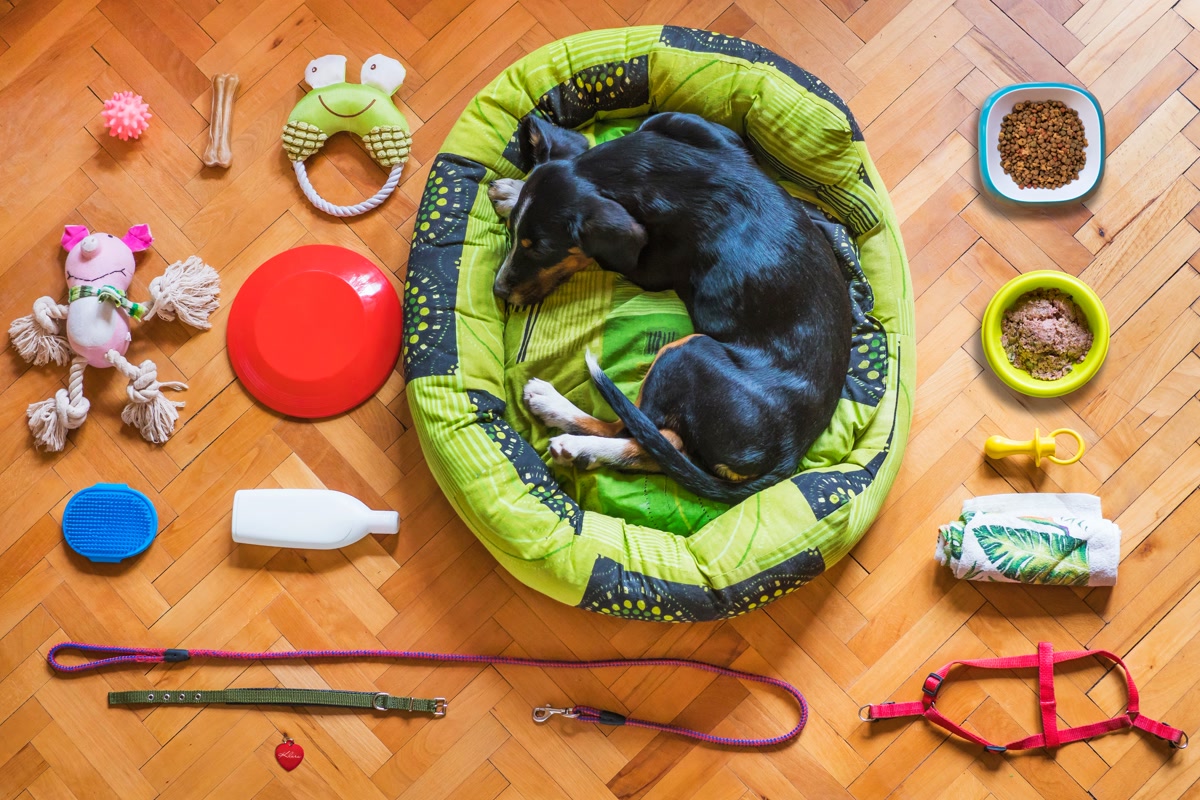
You can get your dog running with you for under 50 dollars total in gear: a hands-free leash (20), a reflective vest (15), a collapsible bowl (8), and booties if needed (18). The rest is free — trails, parks, sidewalks, and consistency. Start slow, build gradually, and pay attention to your dog. That’s really all there is to it.
Happy trails.
Affiliate Disclosure: This post contains affiliate links. If you purchase through these links, ThriftyPaw may earn a small commission at no extra cost to you. We only recommend products we genuinely believe in.
n
🐾 Get Your Free Big Dog First Aid Kit Checklist
Join our newsletter and get this free printable plus weekly tips.