
This article contains affiliate links. We may earn a commission from qualifying purchases.
Some content on this site is AI-assisted and reviewed by our editorial team.
Summer hits different when you have a big dog. A thick-coated German Shepherd or a heavy-bodied Labrador doesn’t just get uncomfortable in the heat — they can genuinely get sick. Heatstroke is a real risk for large breeds, and it comes on faster than most people think.
But keeping your dog cool doesn’t mean buying a 300-dollar outdoor misting system or running your AC at 68 degrees all day. There are genuinely effective ways to help your dog beat the heat for 25 dollars or less. Here are the best budget-friendly options for 2026.
Why Large Breeds Struggle More in Heat
Big dogs have more body mass relative to their surface area, which means they retain heat longer. Add a thick coat, a short snout (looking at you, Boxers and Bulldogs), or extra weight, and you’ve got a dog that overheats fast.
Dogs don’t sweat like humans. They cool down primarily through panting and a small amount of sweat through their paw pads. When the air temperature is close to or above their body temperature, panting becomes way less effective.
Signs your dog is too hot:
• Excessive panting that doesn’t slow down
• Thick, rope-like drool
• Bright red gums or tongue
• Stumbling or weakness
• Refusing to walk or stand
If you see these signs, move your dog to shade immediately, offer cool (not ice-cold) water, and wet their belly and paws. If symptoms don’t improve within 10 minutes, call your vet.
1. Cooling Mats — The Easiest Win
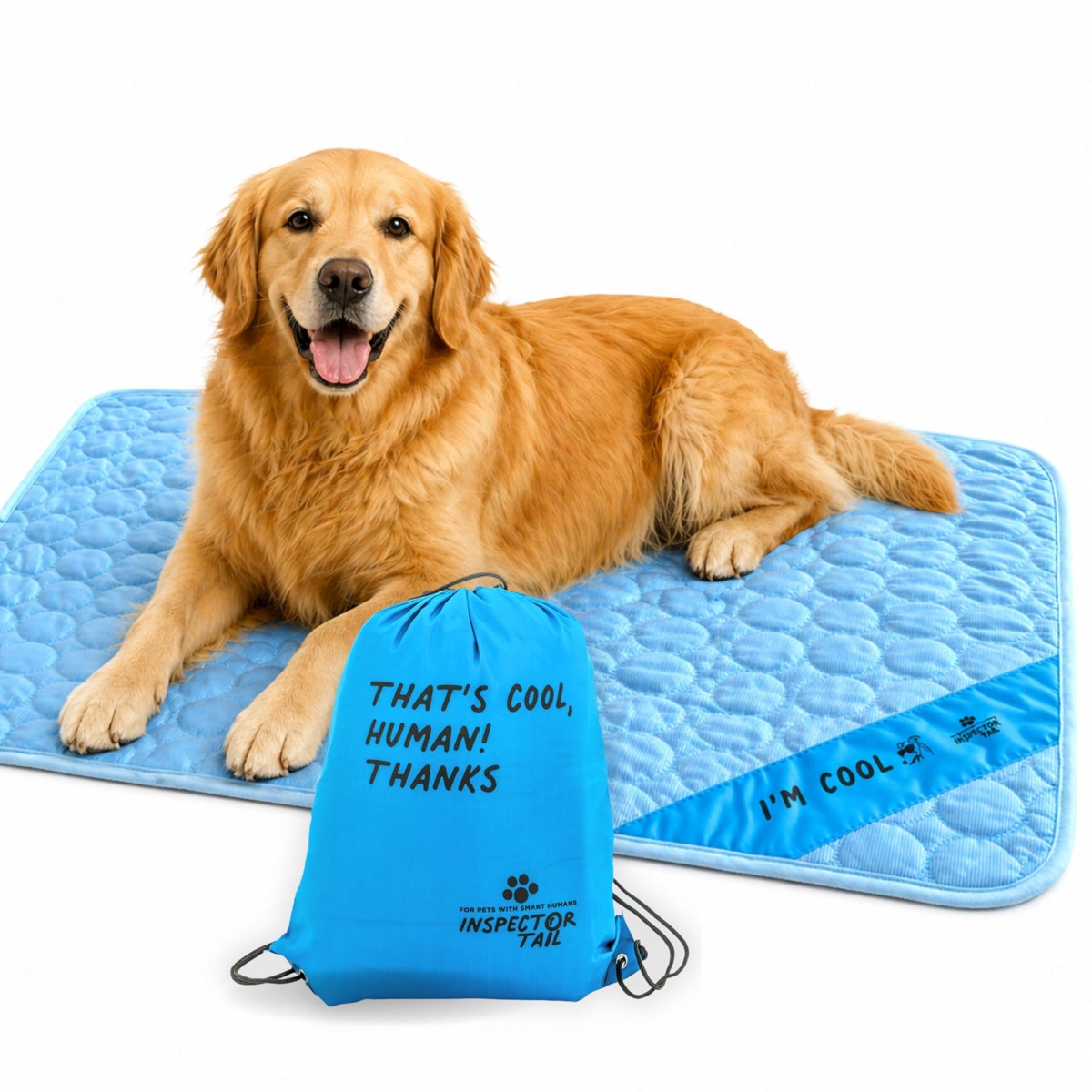
A cooling mat is a pressure-activated pad that stays cool without electricity, refrigeration, or anything else. Your dog lies on it, the gel inside absorbs body heat, and the surface stays cool for 2–4 hours. When it warms up, move it to a cooler spot or put it in the fridge for 15 minutes and it resets.
What to look for: Get one sized for a large breed (at least 36 x 20 inches). Smaller mats won’t cover enough of your dog’s body to make a real difference.
Best budget pick: The ARCOBA cooling mat in the large size runs about 18 dollars and covers enough surface area for dogs up to 80 pounds. Compare cooling mats
Pro tip: Place the cooling mat on tile or hardwood, not carpet. The hard surface underneath helps the mat work better, and if your dog drools, it’s easier to clean up.
2. Kiddie Pools — A Classic for a Reason
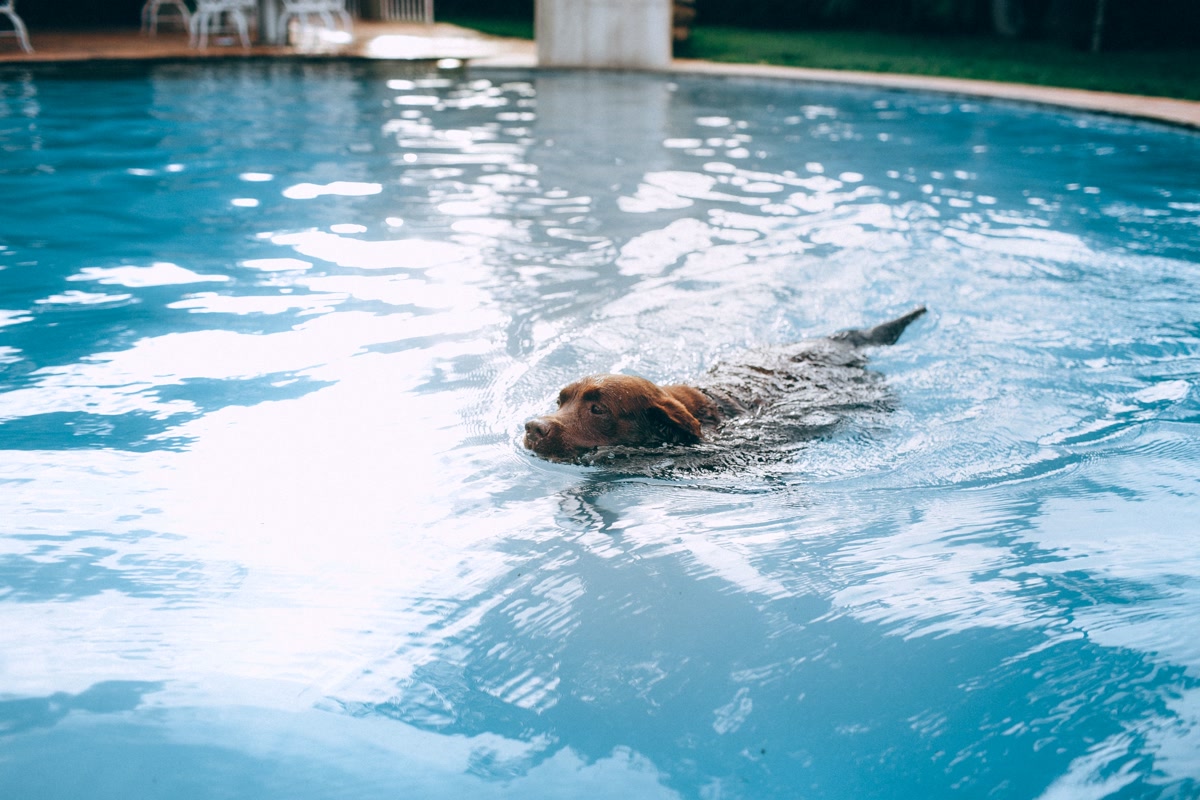
A 10-dollar kiddie pool from the local store is one of the best summer investments you can make for your dog. Fill it with a few inches of water in a shaded area and let your dog wade, lie down, or just splash around.
What to look for: Hard plastic pools hold up better to claws than inflatable ones. Get one at least 48 inches across for large breeds.
Best budget pick: Intex Rainbow Ring or similar hard-sided kiddie pool, around 10–15 dollars. Compare kiddie pools
Important: Empty and refill the pool every 2–3 days. Standing water grows bacteria fast, and dogs will drink from it. Keep the water clean.
3. Frozen Treats You Can Make at Home
You don’t need fancy frozen dog treats from the pet store. Here are three recipes that cost pennies per serving:
Peanut butter popsicles: Mix natural peanut butter (no xylitol — check the label!) with water or plain yogurt, pour into ice cube trays, freeze. About 3 dollars for a month’s worth.
Broth ice cubes: Pour low-sodium chicken or beef broth into ice cube trays. Toss a few into your dog’s water bowl to keep it cold longer. About 2 dollars for two weeks.
Frozen kong: Stuff a KONG with peanut butter and banana, freeze overnight. It’s a cooling toy and mental stimulation in one.
4. Shade Solutions Under 20 Dollars
If your yard doesn’t have natural shade, your dog needs a covered area to retreat to during the day. Full sun is dangerous for dogs left outside, even with water available.
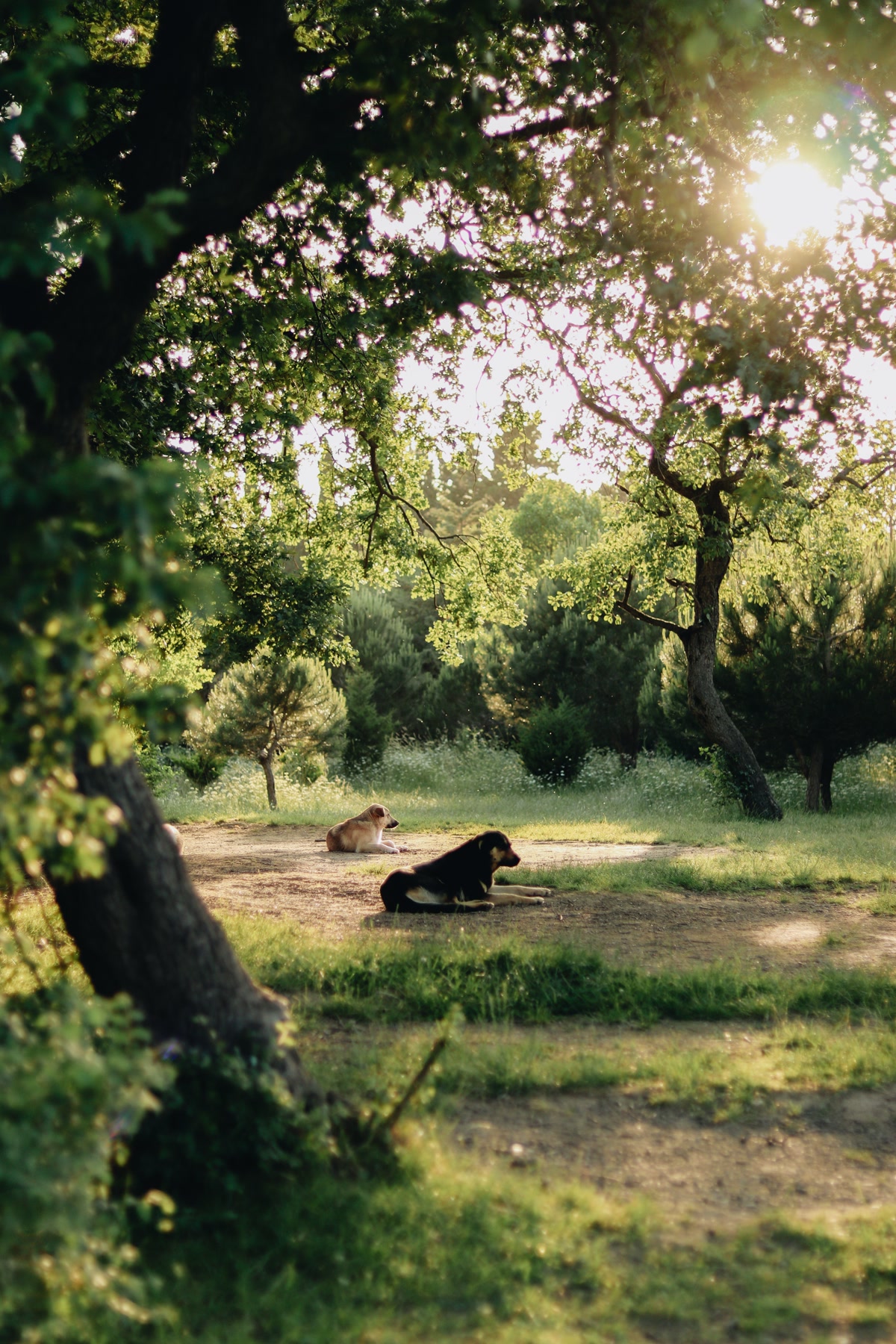
Quick shade options:
• Pop-up shade canopy: 10×10 pop-up canopies start around 20 dollars for basic models
• Tarp and bungee cords: A 10×12 tarp plus bungee cords costs under 15 dollars and can be rigged between trees, fence posts, or your house
• Shade cloth: Mesh shade cloth blocks 70–90% of UV and costs about 1 dollar per square foot
Pro tip: Set up shade over a grassy area, not concrete or asphalt. Ground temperatures in direct sun can reach 140+ degrees — hot enough to burn your dog’s paw pads in under 60 seconds.
5. Cooling Vests and Bandanas
Cooling vests work through evaporative cooling — you soak the vest in water, wring it out, and put it on your dog. As the water evaporates, it pulls heat away from your dog’s body. They stay effective for 1–3 hours depending on conditions.
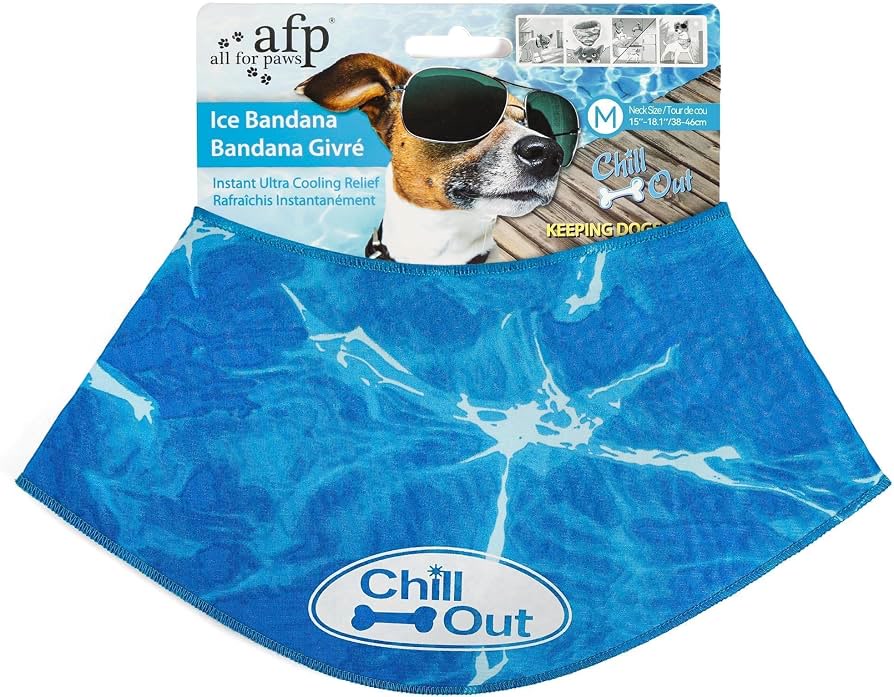
Best budget pick: The Kurgo Dog Cooling Vest in large/XL runs about 20–25 dollars. For a cheaper option, a cooling bandana does the same thing for around 8 dollars — it just covers less surface area.
When to use one: Walks, hikes, outdoor events, or any time your dog will be outside for more than 20 minutes in temps above 80 degrees.
6. Strategic Fan Placement
A 20-dollar box fan positioned where your dog rests can make a huge difference. Dogs cool themselves through panting, and moving air helps evaporate moisture from their tongue and respiratory tract faster.
Setup: Place a fan at floor level (where your dog actually lies) pointing across their resting area. If you have a cooling mat, put the fan nearby — the combo works better than either alone.
7. Walk Timing — Free and Most Important
This costs nothing and matters more than any product: walk your dog before 8 AM or after 7 PM during summer.
Midday walks in summer are dangerous for large breeds. Asphalt and concrete absorb heat all morning and radiate it back even after the sun starts to drop. The seven-second rule: place the back of your hand on the pavement. If you can’t hold it there for seven seconds, it’s too hot for your dog’s paws.
Free adjustments that help:
• Shift walks to early morning or late evening
• Keep walks shorter (20–30 minutes max in heat)
• Choose grass or dirt paths over pavement
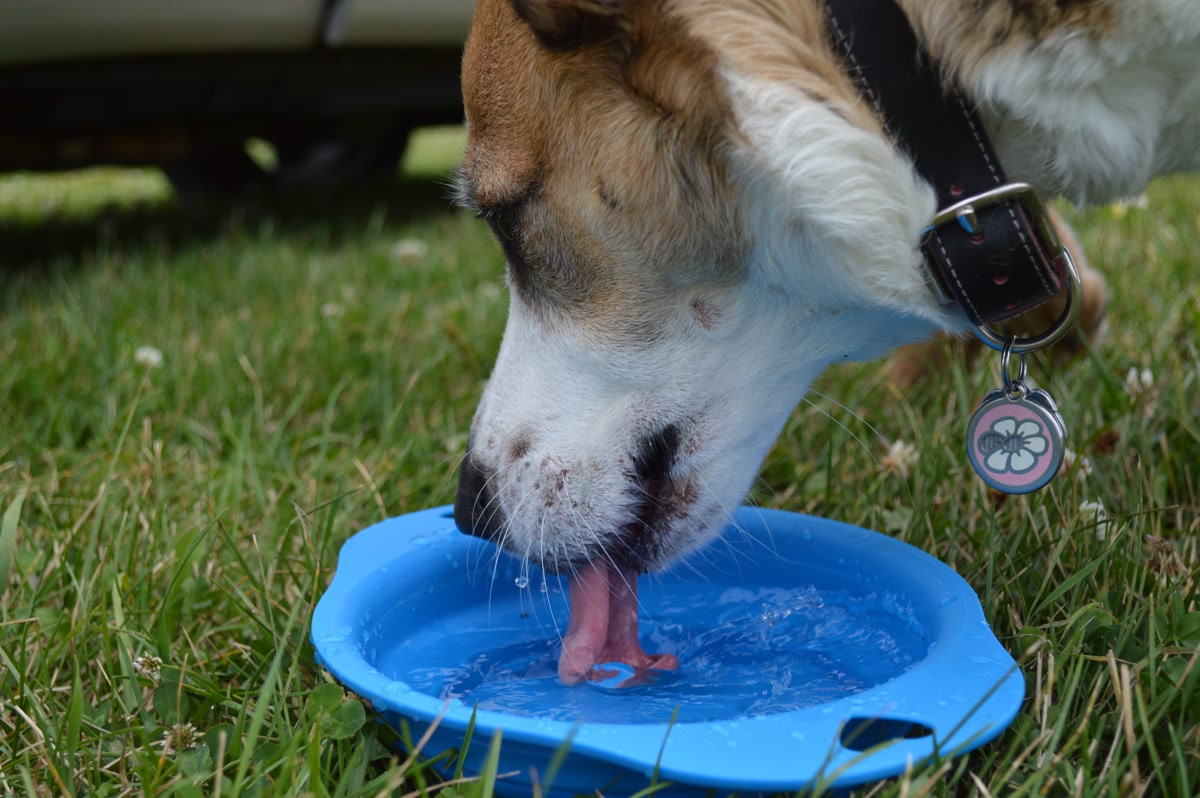
• Bring water on every walk — a collapsible bowl costs about 5 dollars
• Let your dog set the pace — if they slow down or lie down, they’re done
Compare collapsible travel bowls
What NOT to Do
- Don’t shave your double-coated dog. Breeds like Huskies, German Shepherds, and Golden Retrievers have coats that insulate against both cold AND heat. Shaving them removes their natural cooling system and exposes them to sunburn.
- Don’t use ice water. Extremely cold water can cause stomach cramps and actually slow down the cooling process. Cool or room-temperature water is better.
- Don’t leave your dog in a car. Ever. Even with windows cracked. Even for five minutes. A car in 85-degree weather reaches 120 degrees in 30 minutes.
- Don’t rely on a wet towel. Towels trap heat against the body once they warm up. Cooling mats and vests work because they allow airflow.
Budget Summer Cooling Summary
| Method | Cost | Effectiveness | Effort |
|---|---|---|---|
| Cooling mat | ~18 dollars | High | None (dog lies on it) |
| Kiddie pool | ~12 dollars | Very high | Low (refill every 2–3 days) |
| Frozen treats | ~3–5 dollars/month | Medium | Low (prep once a week) |
| Shade (tarp/canopy) | ~15 dollars | High | Medium (setup once) |
| Cooling vest/bandana | ~8–25 dollars | Medium-high | Low (soak and wear) |
| Box fan | ~20 dollars | Medium | None (plug in and go) |
| Walk timing | Free | Very high | Low (change schedule) |
The Bottom Line
You can keep your large breed dog cool this summer for under 50 dollars total. A cooling mat (18 dollars), a kiddie pool (12 dollars), a tarp for shade (15 dollars), and shifting your walks to cooler hours (free) covers the basics. Add frozen treats and a collapsible bowl for walks and you’ve spent maybe 40 dollars on a full summer cooling setup.
Heatstroke is preventable. These cheap solutions work because they address the same things expensive options do — they just skip the brand markup.
Need more budget dog gear? Check out our guides on best dog rain gear for large breeds, 10 things every new big dog owner needs, and how to start running with your dog on a budget.
n
ThriftyPaw is reader-supported. As an Amazon Associate, we earn from qualifying purchases. This means we may earn a small commission when you buy through links on this site at no additional cost to you. We only recommend products we genuinely believe in. Thank you for supporting ThriftyPaw.
🐾 Get Your Free Big Dog First Aid Kit Checklist
Join our newsletter and get this free printable plus weekly tips.
Price Check
Prices verified via our product tracker. Updated Sep 27.
As an Amazon Associate we earn from qualifying purchases.