This article contains affiliate links. We may earn a commission from qualifying purchases.
Some content on this site is AI-assisted and reviewed by our editorial team.
My first week as a dog owner, I wasted $47 on three leashes I never use — and surveys of new adopters suggest most of us buy the wrong leash type at least once. The truth is, the best dog leash for beginners is almost never the retractable one at the checkout counter. This guide breaks down the five leash styles that actually matter, with budget picks under $25 that have survived my own puller, a foster puppy, and a neighbor’s very determined beagle.
First, Know the Five Leash Styles
- Standard 6-foot flat leash: The default. Works for 90% of walks, training, and vet visits.
- Martingale-style leash: Built-in gentle loop for dogs who back out of collars — common with greyhounds and nervous rescues.
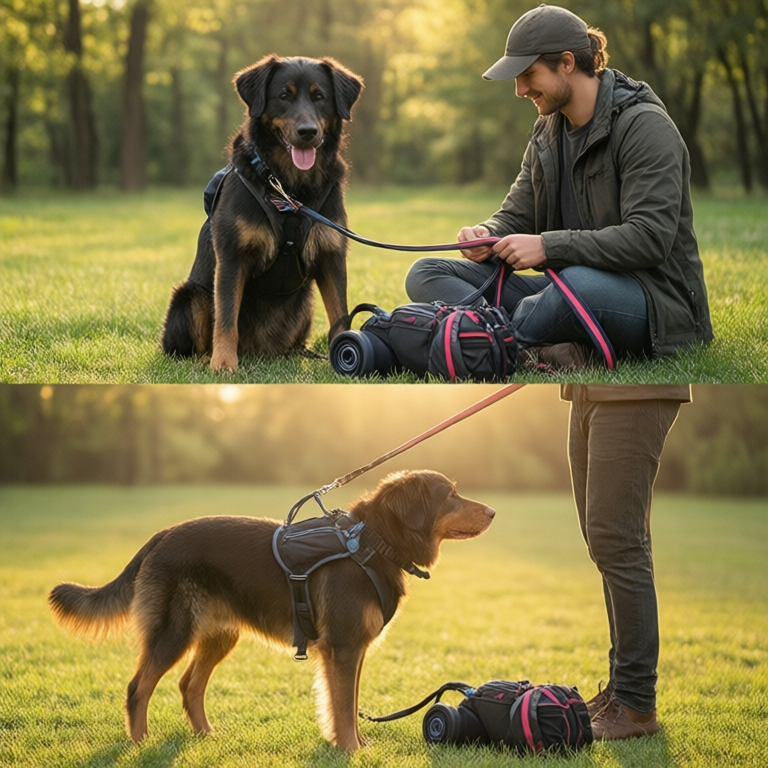
- Hands-free leash: Crossbody or waist-worn for joggers and multi-taskers. Wait until basic leash manners are solid.
- Retractable (avoid): Teaches dogs to pull, offers almost no control in an emergency, and causes injuries every year.
- Long line (15-30 ft): For recall training in open areas. Not a walking leash.
Best Overall: The Standard 6-Foot Flat Leash
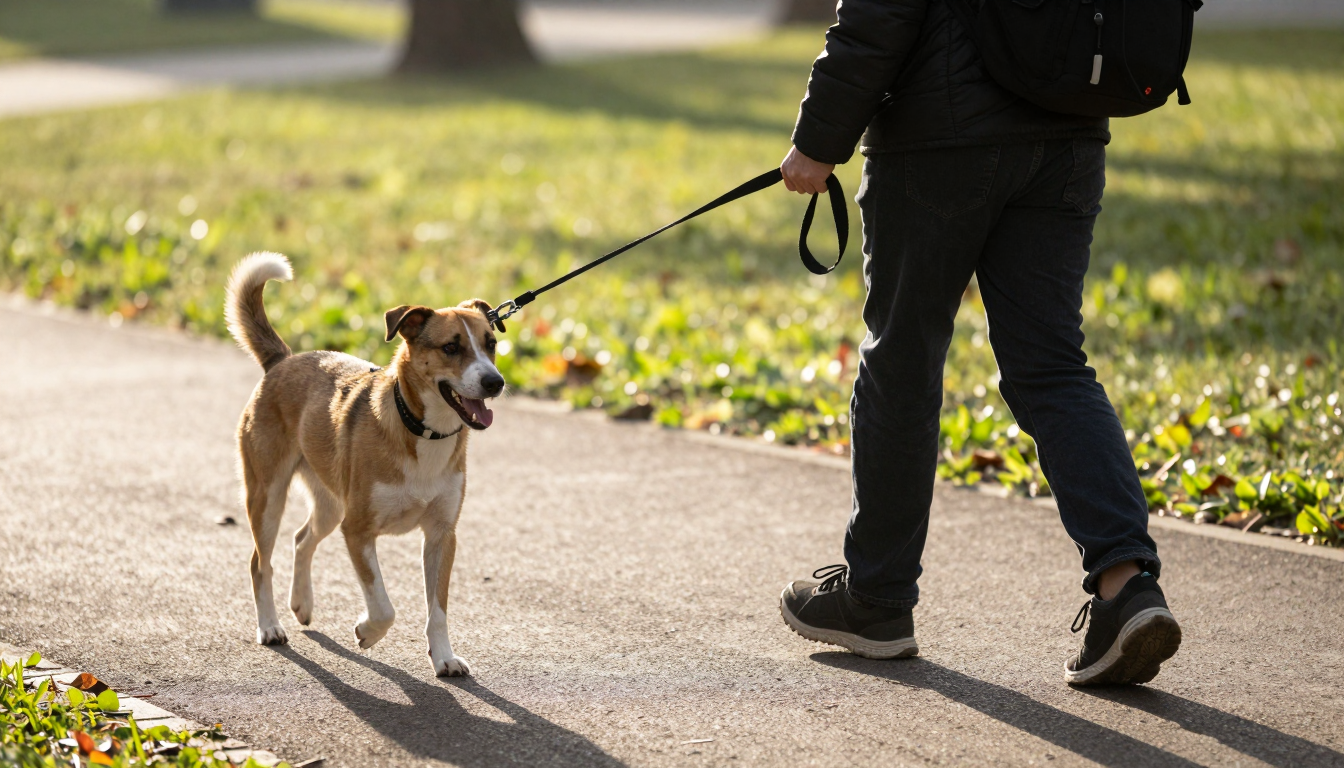
If you buy one leash, buy this. A sturdy 6-footer with a strong clip is the best dog leash for beginners, period — it keeps your dog close enough to manage and gives you a consistent length for teaching loose-leash walking.
- Frisco Solid Nylon Dog Leash (6 ft): around $8, 1-inch width for dogs over 40 lbs, heavy-duty bolt snap.
- Blue-9 Pet Products 6-Foot Leash: around $15, soft-grip handle, 5,000-lb tensile-tested webbing.
- Chai’s Choice Padded Leash (6 ft): around $17, reflective stitching for night walks, 3M reflective material.
- Length check: 6 feet is the standard used in most obedience classes and CGC (Canine Good Citizen) tests.
My take: An $8 Frisco 6-footer is 90% of what you need, and it should be the first leash in your cart.
Best for Escape Artists: A Martingale-Style Leash
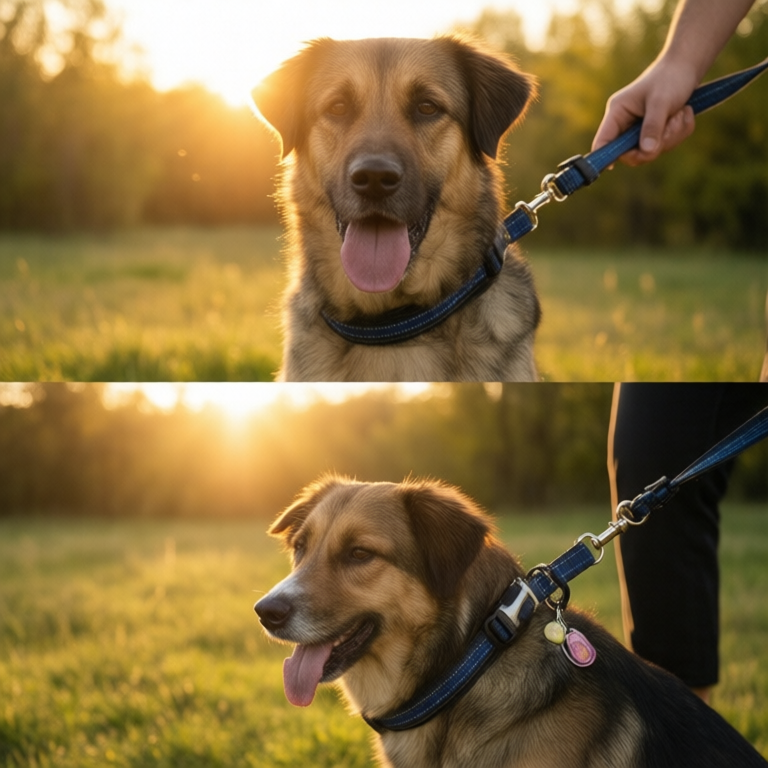
Rescue dogs and sighthounds can wriggle backward out of a flat collar in about two seconds. A martingale-style leash tightens just enough — evenly, without choking — to stop the escape without yanking.
- 2 Hounds Design Freedom No-Pull Leash: around $22, includes a training handle and swivel system, made in the USA.
- Coastal Pet Products Nylon Martingale Leash (6 ft): around $14, one-piece design, limited-slip loop.
- Soft Touch Collars Leather Martingale Leash: around $25, double-ply leather, brass hardware.
- Fit tip: The loop should tighten to the size of the dog’s neck, not close fully.
My take: For $14, the Coastal martingale leash is cheap insurance against a lost-dog situation that could cost you hundreds in flyers and heartache.
Best for Pullers: A Short Traffic Leash (With a Front-Clip Harness)
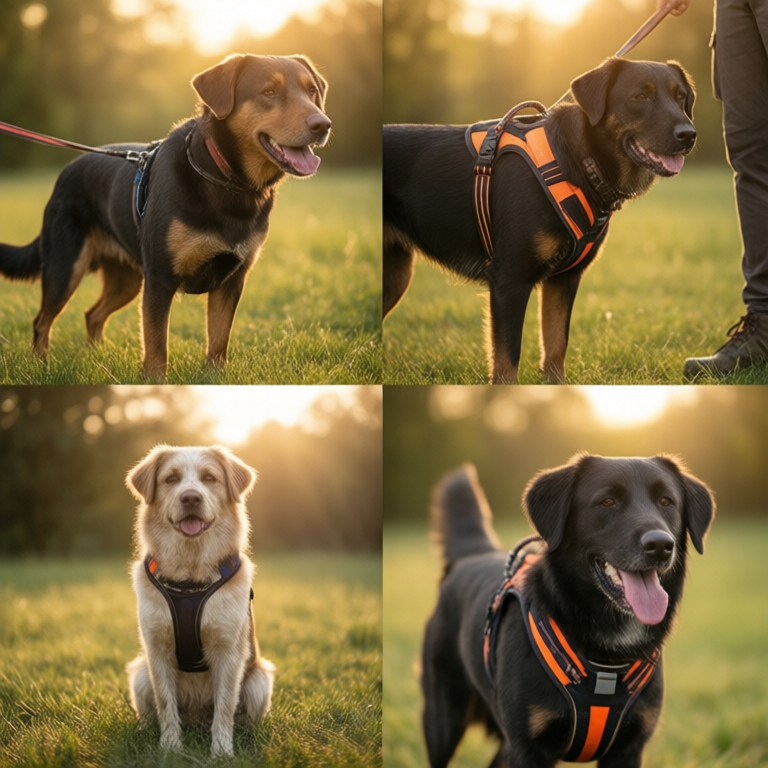
Here’s the fix nobody tells beginners: pulling is solved by the harness-and-technique combo, not a longer leash. A 4-foot traffic leash keeps your dog in the “zone of reinforcement” so you can reward position instead of chasing a sled dog.
- Frisco Traffic Leash (4 ft, 1-inch): around $7, padded handle, pairs perfectly with a front-clip harness.
- Kurgo 6-in-1 Leash: around $20, converts between 4 and 6 feet, has a car seatbelt loop.
- Technique: Stop-and-standing-still the moment the leash tightens — most pullers improve in 1-2 weeks with consistency.
- Pair it: A front-clip harness around $15-20 redirects pulling without throat pressure.
My take: A $7 traffic leash plus a consistent stop method fixed my 60-lb lab mix’s pulling in about 11 days — cheaper than any “no-pull” gadget.
Best for Runners: A Hands-Free Leash (But Only Later)
Hands-free leashes are great — once your dog walks politely. Put a puller on a waist leash and you’ll get dragged, which is how beginners end up with broken wrists.
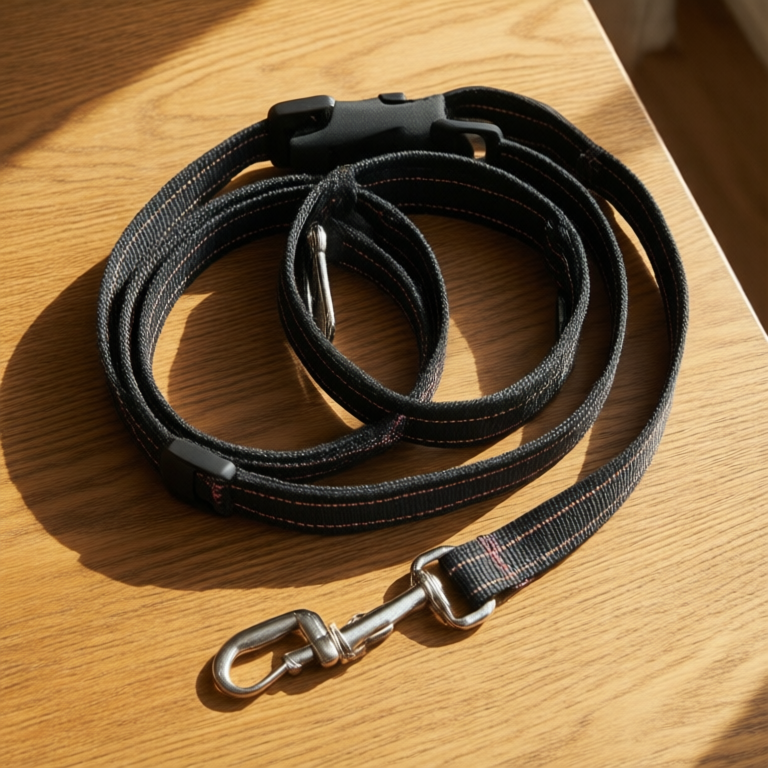
- RC Pets Hands-Free Leash: around $25, adjustable waist belt up to 48 inches, bungee section absorbs sudden lunges.
- Wilderdog Hands-Free Leash: around $24, climbing-rope construction, carabiner rated over 1,000 lbs.
- Tuff Mutt Hands-Free Bungee: around $22, dual handles, reflective stitching.
- Rule of thumb: Wait until your dog can do 50 feet of loose-leash walking before going hands-free.
My take: Skip it for now — your first $25 is better spent, and this purchase is best 2-3 months into ownership.
Best for Recall Training: A 15-30 Foot Long Line
A long line is how you teach “come” without losing your dog. It’s a training tool, not a walking leash — never use one near roads or retractable-leash-style.
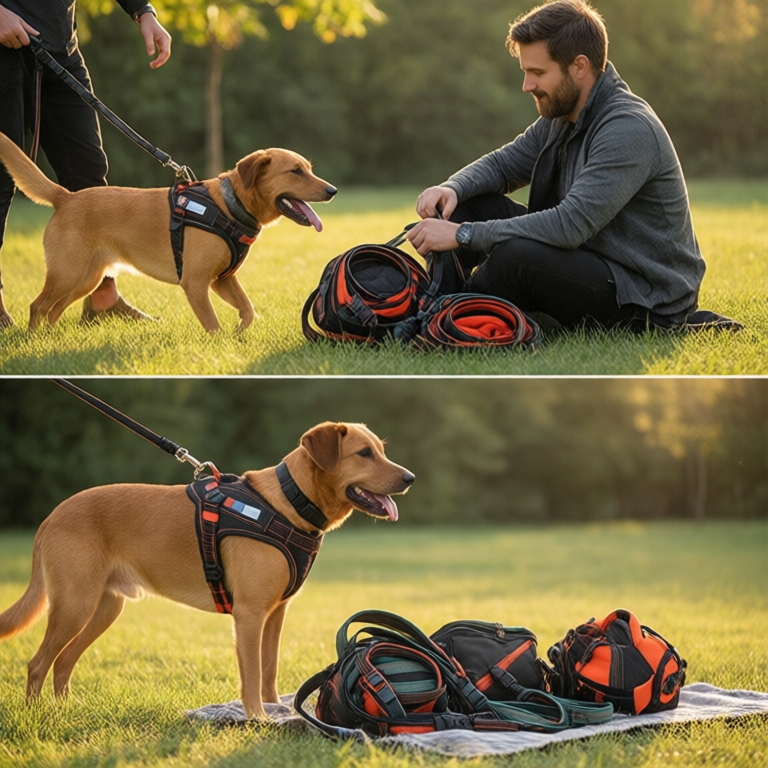
- Frisco Nylon Training Long Line (30 ft): around $13, lightweight 3/8-inch webbing, won’t tangle badly.
- High Tail Hikes Biothane Long Line (15 ft): around $25, waterproof, wipes clean after muddy sessions.
- Usage rule: Long lines are for open fields and empty parks only, with a harness (never a collar) to avoid neck injury on a sudden stop.
- Timeline: Most dogs build reliable recall in 4-8 weeks of short, rewarded sessions.
My take: A $13 Frisco 30-footer is the single best training investment I made in year one.
Beginner Mistakes
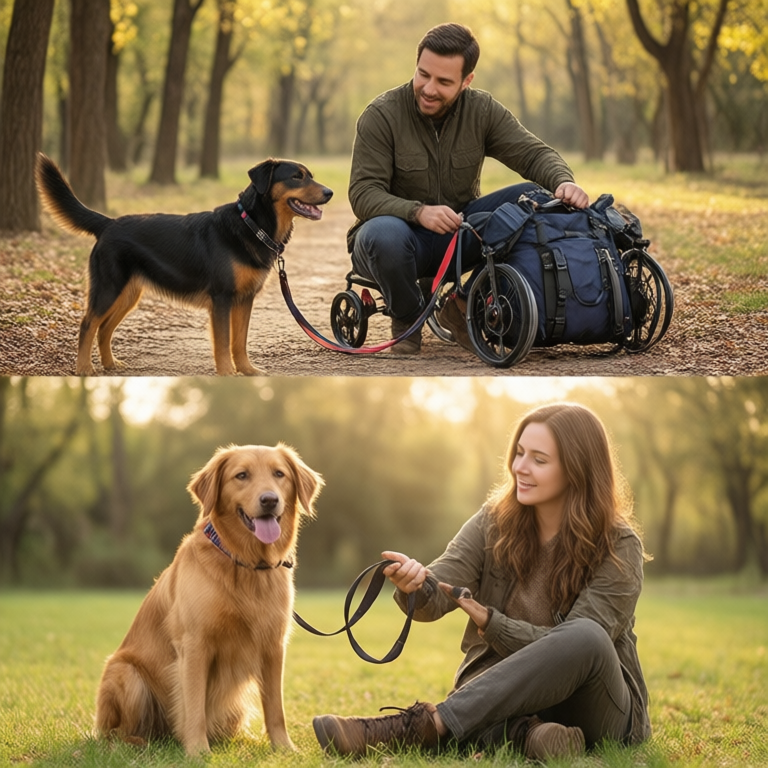
- Buying a retractable leash first: They reward pulling, offer near-zero emergency control, and the thin cord causes finger amputations and dog injuries every year.
- Wrong width for the dog: A 3/8-inch leash on a 70-lb dog will eventually fail; match 1-inch webbing to big dogs.
- Skipping the clip check: Cheap bolt snaps can bend open — test the clip by hand and look for a swivel that spins freely.
- Buying five leashes instead of two: One 6-foot flat leash plus one long line covers 95% of beginner needs.
The Money Math
Here’s the budget-first breakdown. A starter kit of an $8 Frisco 6-foot leash plus a $13 long line costs $21 total. Used daily, that’s roughly $0.03 per walk over two years. Compare that to my beginner mistake: $47 on three mismatched leashes, including a $28 retractable that went in the trash. Or compare to a single escape-artist incident — one lost-dog emergency can mean $100+ in rewards, flyers, and microchip-scan vet visits. If a $14 martingale leash prevents even one escape, it has already paid for itself seven times over. Two well-chosen leashes under $25 total beat a drawer full of $100 in regrets.
As an Amazon Associate I earn from qualifying purchases.
- Best Budget Dog Leashes for Small Dogs (All Under 15 Dollars)
- Crate Training on a Budget: The Complete Guide
Related guides
- Dog Diarrhea Home Treatment Guide: What to Do for Under 10 Dollars (2026)
- 15 Cheap and Healthy Dog Treats You Can Make at Home for Under 5 Dollars
- Budget Dog Hiking Gear Essentials: Complete Trail Kit Under 80 Dollars
- Kennel Cough Home Treatment: Complete Budget Guide Under 10 Dollars
🐾 Get Your Free Big Dog First Aid Kit Checklist
Join our newsletter and get this free printable plus weekly tips.
Frequently Asked Questions
What leash should a first-time dog owner buy?
The $8 Frisco 6-foot flat nylon — the author's honest '90% of what you need' answer for the first leash in the cart. The Blue-9 at $15 (5,000-lb tensile webbing) and the Chai's Choice padded at $17 (reflective for night walks) are the upgrades. What not to buy first: the retractable at the checkout counter — the beginner purchase the guide explicitly warns against.
What are the five leash styles for?
The 6-foot flat (the everyday default), the martingale combo ($14 Coastal — the escape-artist insurance against collar-slip), the 4-foot traffic leash ($7 Frisco — paired with a front-clip harness for pullers), the hands-free running leash (later, once walking is mastered), and the 15-30 foot long line for recall training. The author's $47 in unused leashes is what buying them out of order costs.
Do retractable leashes teach pulling?
Yes — the dog learns that pulling extends the leash, and the constant tension rewards it; the failure mode is the plastic housing snapping at the worst moment. The fixed 6-footer with a front-clip harness is the training configuration; the retractable is for the already-trained dog in open fields, not the checkout-counter default.
Liked this guide? Get the next one in your inbox — the pet budget checklist is free too.
✓ You're in — check your inbox.
No spam. Unsubscribe anytime. We never share your email.