This article contains affiliate links. We may earn a commission from qualifying purchases.
Some content on this site is AI-assisted and reviewed by our editorial team.
Two visits. That’s what it took for my vet’s office and me to get honest about anal glands: $80 in six months for what amounts to a five-minute squeeze, plus the drive, plus the waiting room where my dog trembles for no reason. The tech finally said the quiet part out loud — “try fiber first, it fixes this for a lot of dogs” — and she was right. The whole game is stool firmness: firm, bulky stools express the glands naturally on the way out. Soft stools don’t. So the fix isn’t a procedure, it’s a fiber habit, and the fiber habit costs pennies against $40-per-visit expression bills.
I priced the four realistic fiber routes — targeted chews, a psyllium powder, pumpkin powder, and plain canned pumpkin — by cost per day and cost per month. Here’s the math.
The vet-visit math first
Expression runs about $40 a visit at most general practices, and dogs that need it once usually need it every 4–8 weeks. Call it 6 visits a year = about $240, before the gas and the waiting-room stress. Every fiber route below runs $2–$25 a month. Even the most expensive option saves money in the first quarter — the only real question is which format your dog will actually eat.
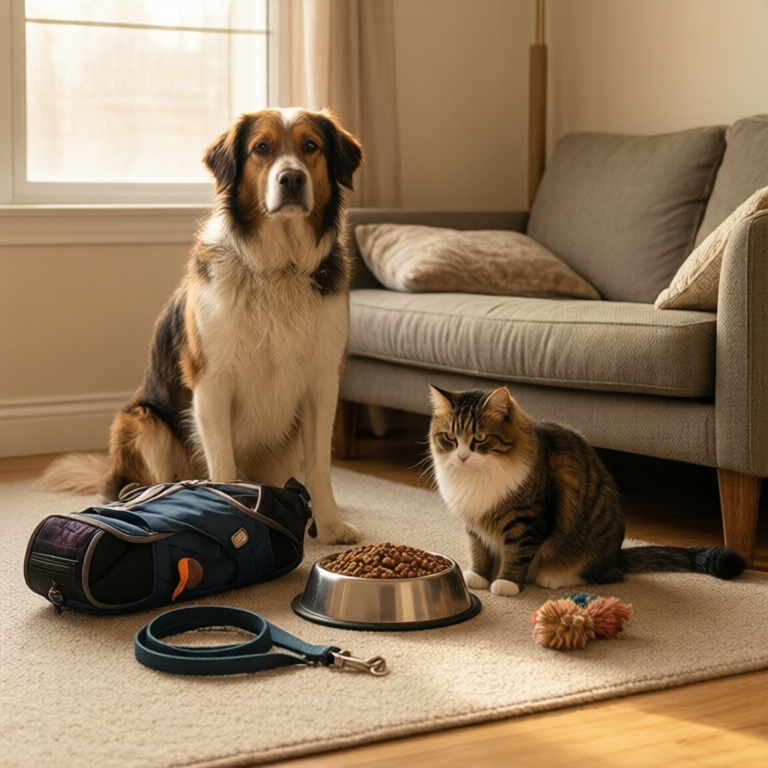
Vetnique Glandex Chews — the targeted chew
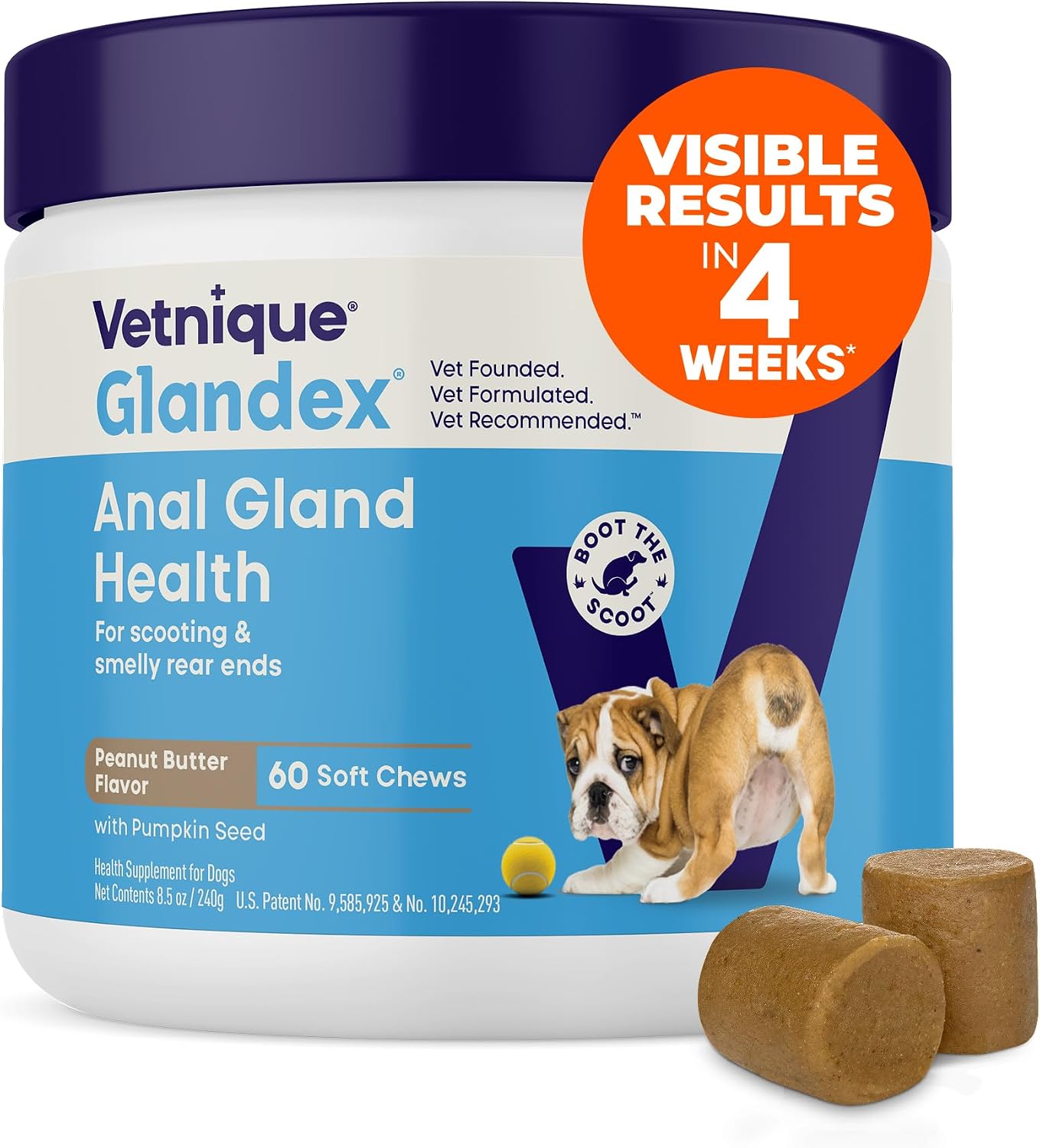
Glandex chews are the one product built specifically for this problem — pumpkin plus fiber plus probiotics in a treat format. Most dogs take it as a treat, which is the whole point: a chew habit survives; a scooping habit doesn’t. The labeled dose on the 60-chew tub runs about $25 a month for a mid-size dog.
My take: The pick if you’ve already been to the vet twice this year and need the path of least resistance — just know it’s the most expensive route per serving.
Native Pet WonderGland Fiber Supplement — the single-ingredient route
Native Pet’s WonderGland is a psyllium-first powder you mix into food — fewer fillers than the chews, and psyllium is the same fiber your own doctor probably recommends. It works in days, not weeks.
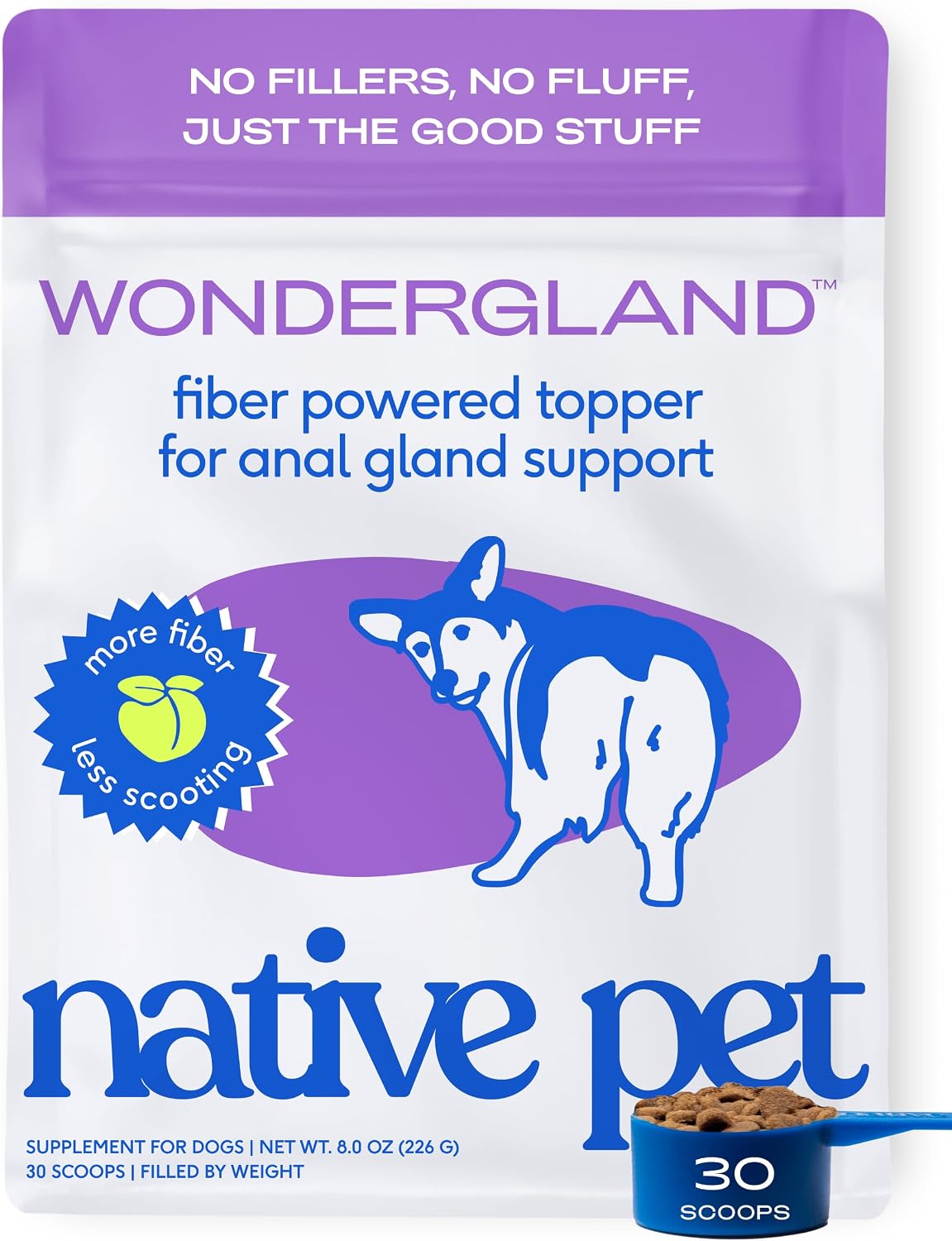
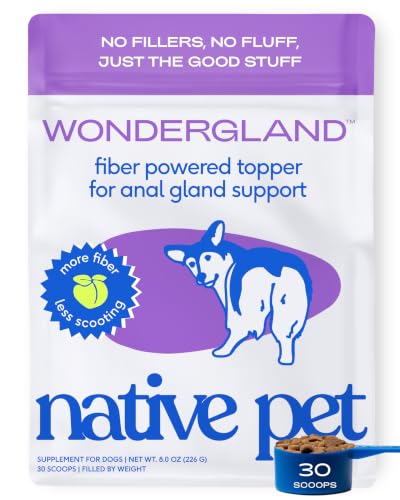
My take: The honest pick for dogs that eat whatever’s in the bowl; picky dogs will notice it, and that’s where the chews win.
Diggin’ Your Dog Firm Up Pumpkin Powder — the pantry staple
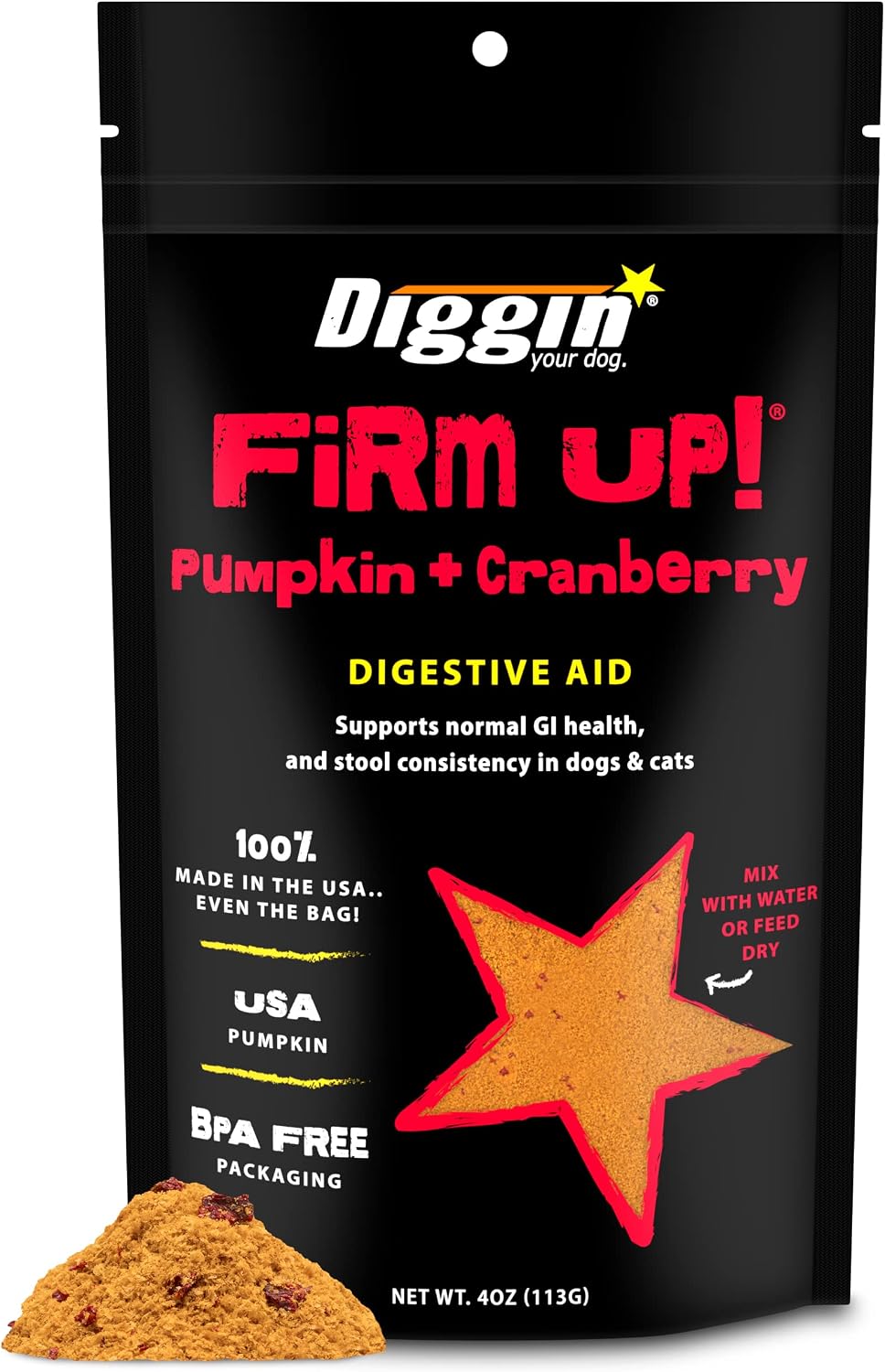
Firm Up is dehydrated pumpkin — a tablespoon does the fiber job for literal pennies a day, and the same tub doubles as your loose-stool emergency kit for garbage-raiding incidents. It keeps for years, unlike an open can.
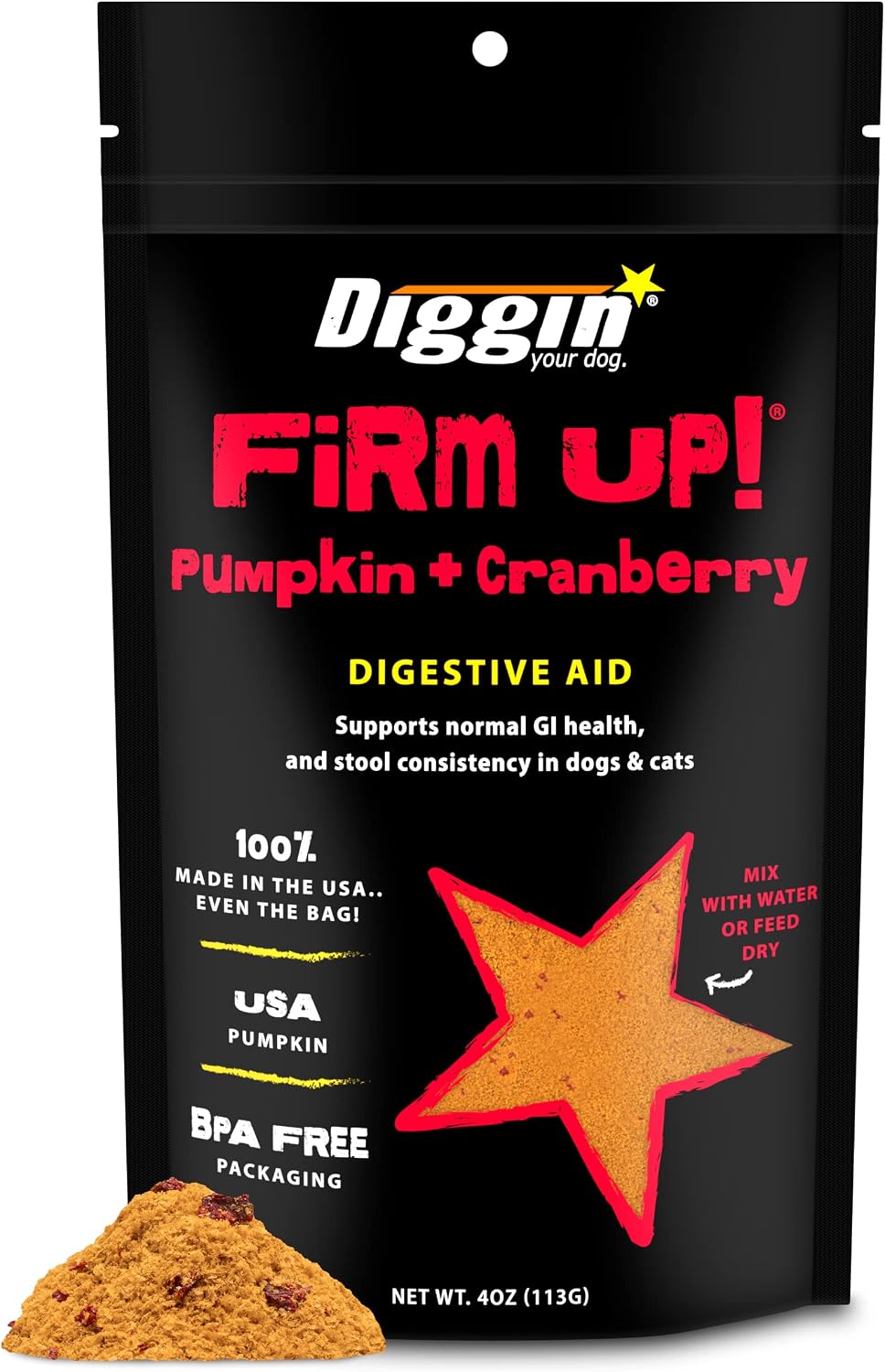
My take: The value winner and the one I keep in the pantry; the only catch is you need a scoop habit, and the scooping has to happen every meal to matter.
Libby’s 100% Pure Pumpkin 6-Pack — the grocery-price floor
Plain canned pumpkin is the cheapest fiber on the list — about $2 a can on Subscribe & Save, and most dogs love it straight off the spoon. The honest caveat: it’s about 90% water, so you’re feeding a few spoonfuls per meal to get the same fiber as one tablespoon of powder.
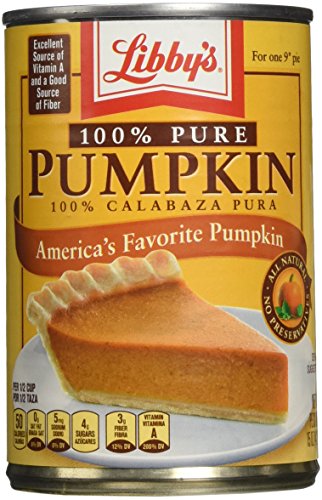
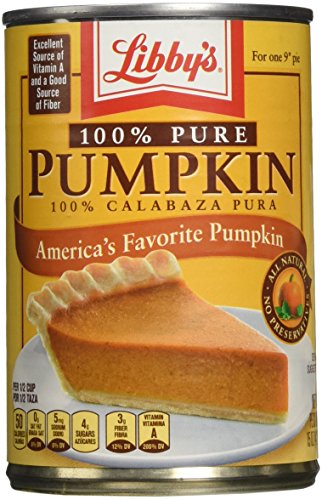
My take: Start here if you want the cheapest possible test — two weeks of a spoonful per meal tells you if fiber is the answer before you commit to anything.
Set it and forget it: All four of these are consumables — put whichever one works on Subscribe & Save, save about 5%, and never run out mid-scooting-season. Need Prime first? grab a free 30-day trial here.
Features That Actually Matter (And Ones That Don’t)
Soluble fiber content — psyllium and pumpkin are what actually firm stools. Anything marketed as “gland support” without meaningful fiber is a supplement costume.
Daily compliance — the best fiber on earth does nothing if you skip doses. Pick the format your dog will eat every single day.
Transition time — expect 1–2 weeks on any of these before you judge the results, and ramp up gradually or you’ll trade scooting for diarrhea.
“Anal gland support” branding premium — the chews cost 5× the powder per serving for the same active ingredients, partly because it’s a treat. Only pay it if the treat is why your dog complies.
The Annual Cost Comparison
- Vet expression route: ~6 visits × $40 = about $240/year plus stress and scheduling.
- Glandex chews: about $25/month = about $300/year — the one route that costs MORE than the vet if your dog needs monthly visits anyway; its win is convenience.
- Pumpkin powder (Firm Up): a tablespoon a day = roughly $50–$60/year.
- Canned pumpkin: roughly $60–$80/year at a few spoonfuls a meal.
- Annual savings vs vet visits: about $180+ per year — and that’s before the second dog.
One honest boundary: if your dog is licking constantly, has a swelling beside the anus, or the scooting keeps up after 2–3 weeks of real fiber, go to the vet — impaction and abscess are not fiber problems, and a ruptured gland is a $400+ emergency instead of a $40 visit.
One more honest note on the chew aisle: watch the dosing math. Glandex dosing scales with weight, so a 70-pound dog goes through the 60-chew tub roughly twice as fast as the label’s example dog — that’s the difference between $12 and $25 a month in real life. Powders scale the same way, but a tub of Firm Up lasts most mid-size dogs three to four months regardless, which is why it wins the per-day math so decisively.
Keep reading: the big-bag kibble math pairs with any food-mixing supplement, and the 15-dollar slicker that saved the groomer trips is the same “do it at home” story with fur.
ThriftyPaw is reader-supported. As an Amazon Associate, I earn from qualifying purchases. That means if you buy through one of the links above, I get a small commission at no extra cost to you. I only recommend products I’ve actually used with my own dog.
🐾 Get Your Free Big Dog First Aid Kit Checklist
Join our newsletter and get this free printable plus weekly tips.
Frequently Asked Questions
Do fiber supplements really help anal gland problems?
For many dogs, yes — fiber firms up stool so the glands express naturally on the way out, which is how they are designed to work. Vets typically recommend trying fiber for 2–3 weeks first; impaction or abscess still needs a visit.
How much pumpkin should a dog get per day?
A rule of thumb is 1–4 tablespoons of canned pumpkin per meal depending on dog size, or about a tablespoon of dehydrated pumpkin powder daily for a mid-size dog. Ramp up over a week to avoid upsetting the stomach.
When does scooting still need the vet instead of fiber?
Go to the vet if there is swelling beside the anus, constant licking, blood, or the scooting continues after 2–3 weeks of real fiber. Those can be impaction or abscess — a ruptured gland turns a 40-dollar visit into a 400-dollar-plus emergency.
Liked this guide? Get the next one in your inbox — the pet budget checklist is free too.
✓ You're in — check your inbox.
No spam. Unsubscribe anytime. We never share your email.