This article contains affiliate links. We may earn a commission from qualifying purchases.
Some content on this site is AI-assisted and reviewed by our editorial team.
The 2026 pet parasite forecast just dropped, and it is not good news for dog owners. Tick populations are expanding into new regions, flea season is lasting longer, and the cost of prevention keeps climbing. But here is the thing: protecting your dog does not have to drain your bank account.
In this guide, we break down the most effective budget flea and tick prevention methods for 2026, compare real prices, and tell you exactly where you can save money without cutting corners on your dog’s safety.
Why Flea and Tick Prevention Matters More in 2026
The Companion Animal Parasite Council’s 2026 forecast shows tick-borne disease risk increasing across the Midwest, Northeast, and parts of the Southeast that previously had lower exposure. New tick species are showing up in states that never dealt with them before, and warmer winters mean flea season now stretches well into November in many areas.
What does this mean for your wallet? A single Lyme disease treatment can cost between 500 and 2,000 dollars at the vet. Prevention, even the premium stuff, costs a fraction of that. The math is simple: spend 100 to 200 dollars a year on prevention, or risk thousands in treatment.
The Three Budget Tiers of Flea and Tick Prevention
Not all prevention products are created equal, and price does not always equal effectiveness. Here is how the options break down by budget level.
Tier 1: Under 10 Dollars a Month
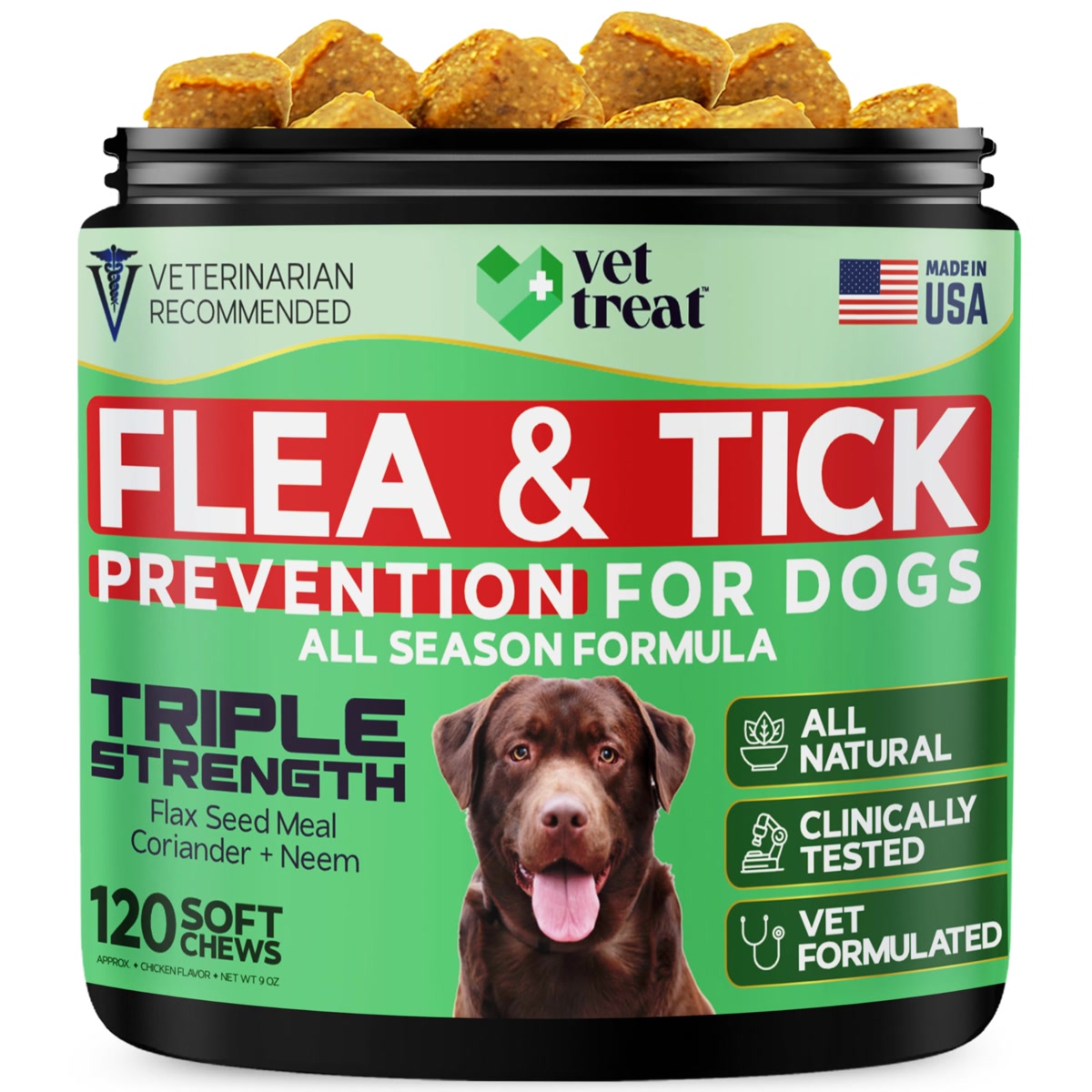
These are your lowest-cost options. They work, but they require more effort and have some limitations.
- Flea combs (5-8 dollars): Manual removal only. Good for detecting fleas early, not for prevention. Use daily during peak season.
- Flea and tick shampoos (6-12 dollars per bottle): Kill fleas and ticks on contact, but protection fades after a few days. Best as a first-response tool, not your main defense.
- Diatomaceous earth food grade (8-15 dollars per pound): Can be applied to bedding and yard perimeter. Effectiveness is mixed, and you must use food-grade only. Never apply directly to your dog without veterinary guidance.
Budget pick: Adams Flea and Tick Shampoo (Compare prices on Amazon) — under 10 dollars, kills on contact, good to have on hand even if you use other prevention too.
Tier 2: 10 to 25 Dollars a Month
This is where most budget-conscious dog owners land. These products offer real ongoing protection at a reasonable price.
- Generic flea and tick topicals (12-20 dollars per month): Active ingredients like fipronil and permethrin are available as generics at a fraction of the brand-name price. PetArmor Plus (Compare prices on Amazon) contains the same active ingredient as Frontline Plus at roughly half the cost.
- Seresto alternative collars (15-25 dollars per month, prorated): The Seresto collar costs around 50-70 dollars but lasts 8 months, which breaks down to about 6-9 dollars a month. Generic alternatives like Tea Tree Oil Flea and Tick Collar (Compare prices on Amazon) are even cheaper at 12-18 dollars for 8 months of protection.
- Oral flea preventatives (15-25 dollars per month): Generic versions of NexGard-style chewables are now available through online vet pharmacies. These tend to be the most convenient option in this price range.
Budget pick: PetArmor Plus for Dogs (Compare prices on Amazon) — same active ingredient as Frontline Plus, costs 40 to 50 percent less.
Tier 3: 25 to 50 Dollars a Month
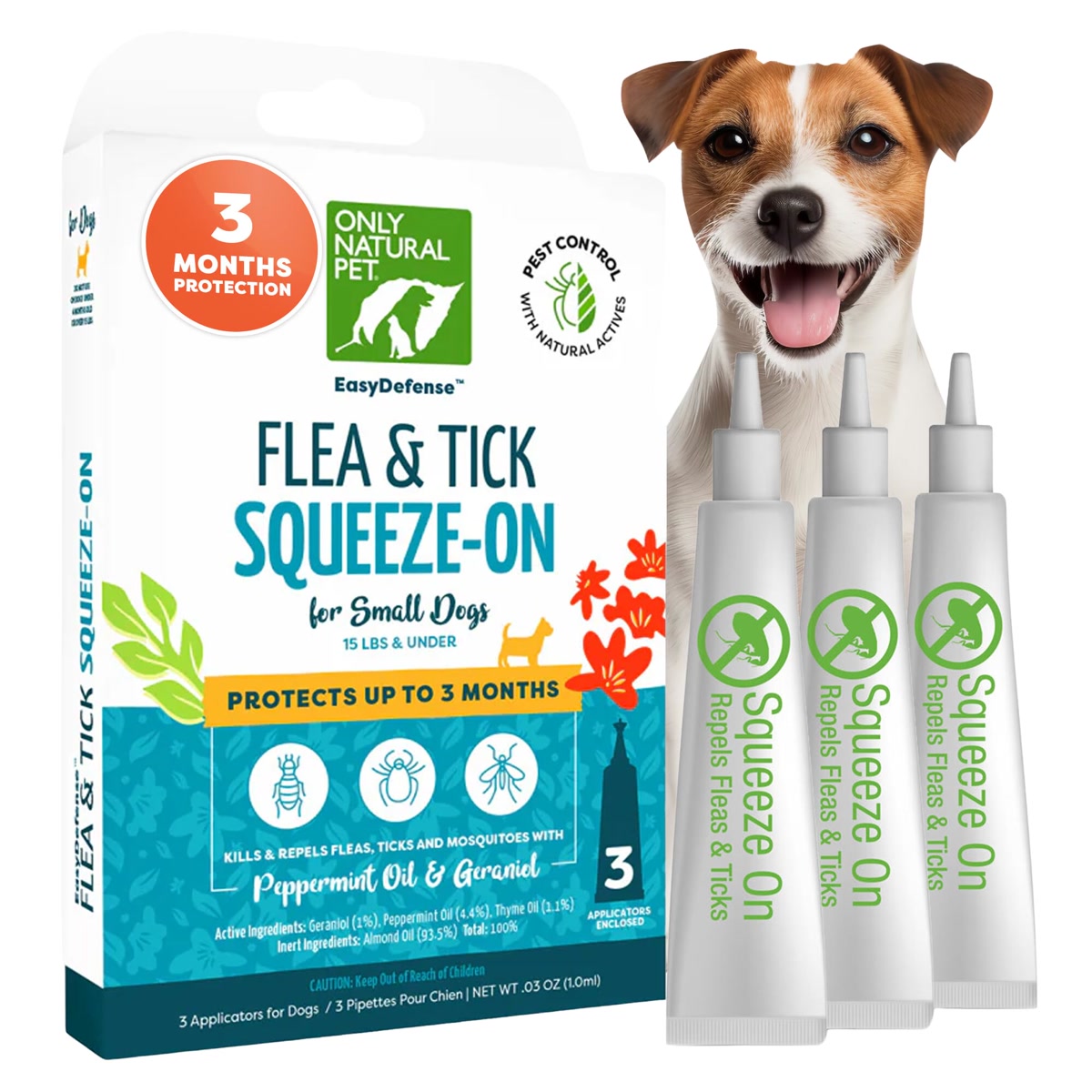
Premium products with the broadest protection. Worth it if you live in a high-risk area or have a dog that spends a lot of time in tall grass and woods.
- Simparica Trio (30-50 dollars per month): Covers fleas, ticks, heartworm, and intestinal parasites in one chewable. The most complete single-product option available.
- NexGard Plus (35-50 dollars per month): Similar coverage to Simparica Trio. Price varies by dog weight.
- Bravecto (25-45 dollars per dose, lasts 12 weeks): Chews that work for 3 months, which brings the monthly cost down to 8-15 dollars per month. Great for owners who forget monthly doses.
Best value in this tier: Bravecto Chewable Tablets (Compare prices on Amazon) — one dose lasts 12 weeks, making the effective monthly cost surprisingly affordable for a premium product.
How to Save Even More on Flea and Tick Prevention
Beyond picking the right product, these strategies can cut your prevention costs by another 20 to 40 percent.
Buy in Multi-Month Packs
Almost every brand offers 3-month, 6-month, and 12-month supplies. The per-dose price drops significantly. A 12-month supply of PetArmor Plus costs roughly 30 percent less per dose than buying monthly. If you can afford the upfront cost, bulk buying always wins.
Use Online Vet Pharmacies
Sites like Chewy Pharmacy, 1-800-PetMeds, and Walmart Pet Rx often sell the same products at 15 to 25 percent below what your vet charges. You will need a prescription for branded products like NexGard and Simparica, but your vet is required to provide one if you ask. Many vets now match online prices if you show them the listing.
Match the Product to Your Risk Level
You do not need the most expensive option if your dog mostly walks on sidewalks and goes to a fenced backyard. But if you hike, live near woods, or are in a high-risk tick area, spending more on a product that covers multiple parasite types is genuinely cheaper than treating a single infection.
Check the CAPC parasite prevalence maps (capcvet.org) for your county. If your area is low-risk for ticks, a good topical may be enough. If it is high-risk, spring for the oral chewable that covers tick species in your region.
Combine Yard Treatment With Pet Prevention
Treating your yard for fleas and ticks costs 15 to 30 dollars per application with a product like Vet’s Best Flea and Tick Yard Spray (Compare prices on Amazon), and it dramatically reduces the number of fleas and ticks your dog encounters. This is one of the highest-ROI budget moves you can make.
What to Skip Entirely
Not everything marketed for flea and tick prevention is worth your money.
- Ultrasonic flea collars: No peer-reviewed evidence they work. Skip them.
- Essential oil-only treatments (undiluted): Many essential oils are toxic to dogs, especially tea tree oil in concentrated form. Only use products specifically formulated and tested for pets.
- Over-the-counter “natural” sprays without EPA registration: If it does not have an EPA registration number on the label, it has not been tested for effectiveness. Pass.
- Diatomaceous earth applied directly to your dog: It is a respiratory irritant and dries out skin. Use it on bedding and carpets only, and only the food-grade version.
Seasonal Timing: When to Start and Stop
In most of the United States, flea and tick prevention should start by March or April and continue through November. In southern states and coastal areas, year-round prevention is now recommended because flea activity no longer has a true off-season.
If you want to save money, the worst thing you can do is skip prevention during the “shoulder months” of early spring and late fall. Ticks are most active when temperatures are between 40 and 85 degrees, which describes most spring and fall days. Start early, stay consistent, and you will spend far less than you would on treatment.
Bottom Line
Flea and tick prevention does not have to cost 50 dollars a month. For most dogs, PetArmor Plus at roughly 8 to 12 dollars per month provides solid protection. Add yard treatment twice a year for under 30 dollars total, and you have effective, budget-friendly coverage. If you live in a high-risk tick area, Bravecto’s 12-week chewable brings premium protection down to about 10 to 15 dollars per month.
The cheapest option is always prevention. The most expensive choice is waiting until your dog needs treatment. Start now, pick the tier that matches your risk level, and protect your dog without overspending.
n
ThriftyPaw is reader-supported. As an Amazon Associate, we earn from qualifying purchases. This means we may earn a small commission when you buy through links on this site at no additional cost to you. We only recommend products we genuinely believe in. Thank you for supporting ThriftyPaw.
My take: Buy in the $10-25 tier — generic topicals and Seresto-alternative collars give real protection without brand pricing — and buy multi-month packs to push the per-month cost lower. The $500-2,000 Lyme treatment is the alternative; prevention is the one line where saving is expensive.
Related guides
- How to Budget for Unexpected Vet Bills: 5-Step Safety Net Plan
- My Dog Started Limping at 7. Here Are the 4 Joint Supplements I Tried (And Which One Actually Worked)
- 5 Pet Medication Hacks That Save Real Money (2026)
- Cat Skin Problems on a Budget: Complete Guide to 8 Common Causes Under 15 Dollars
- Homemade Dog Food on a Budget: Complete Recipe Under 2 Dollars Per Day
🐾 Get Your Free Big Dog First Aid Kit Checklist
Join our newsletter and get this free printable plus weekly tips.
Frequently Asked Questions
How much should flea and tick prevention cost per month?
The guide's tiers: under $10 for shampoos, combs, and diatomaceous earth (short-lived protection), $10-25 for most owners — generic fipronil and permethrin topicals, Seresto-alternative collars, generic orals — and $25-50 for brand-name chewables. The $10-25 tier is where protection and price balance.
Are generic flea and tick medications effective?
Yes — fipronil (Frontline's active) and permethrin generics deliver the same protection at a fraction of brand pricing, and generic NexGard-style chewables are now available through online vet pharmacies. Match the active ingredient, not the box.
What's the true cost of skipping flea and tick prevention?
One Lyme disease treatment runs $500-2,000 at the vet — against $100-200 a year in prevention. The 2026 forecast makes this worse: tick populations are expanding and flea season is lasting longer, so the risk side of the math is growing.
Liked this guide? Get the next one in your inbox — the pet budget checklist is free too.
✓ You're in — check your inbox.
No spam. Unsubscribe anytime. We never share your email.