This article contains affiliate links. We may earn a commission from qualifying purchases.
Some content on this site is AI-assisted and reviewed by our editorial team.
If your dog will not stop scratching, licking their paws, or shaking their head, allergies might be the culprit. One in five dogs develops allergies during their lifetime, and the vet bills can spiral fast. But here is the good news: most allergy symptoms can be managed at home for a fraction of what you would spend on prescription treatments. This guide covers the cheapest treatments that actually work, which home remedies are worth your time, and when you really need to see the vet.
Signs Your Dog Has Allergies
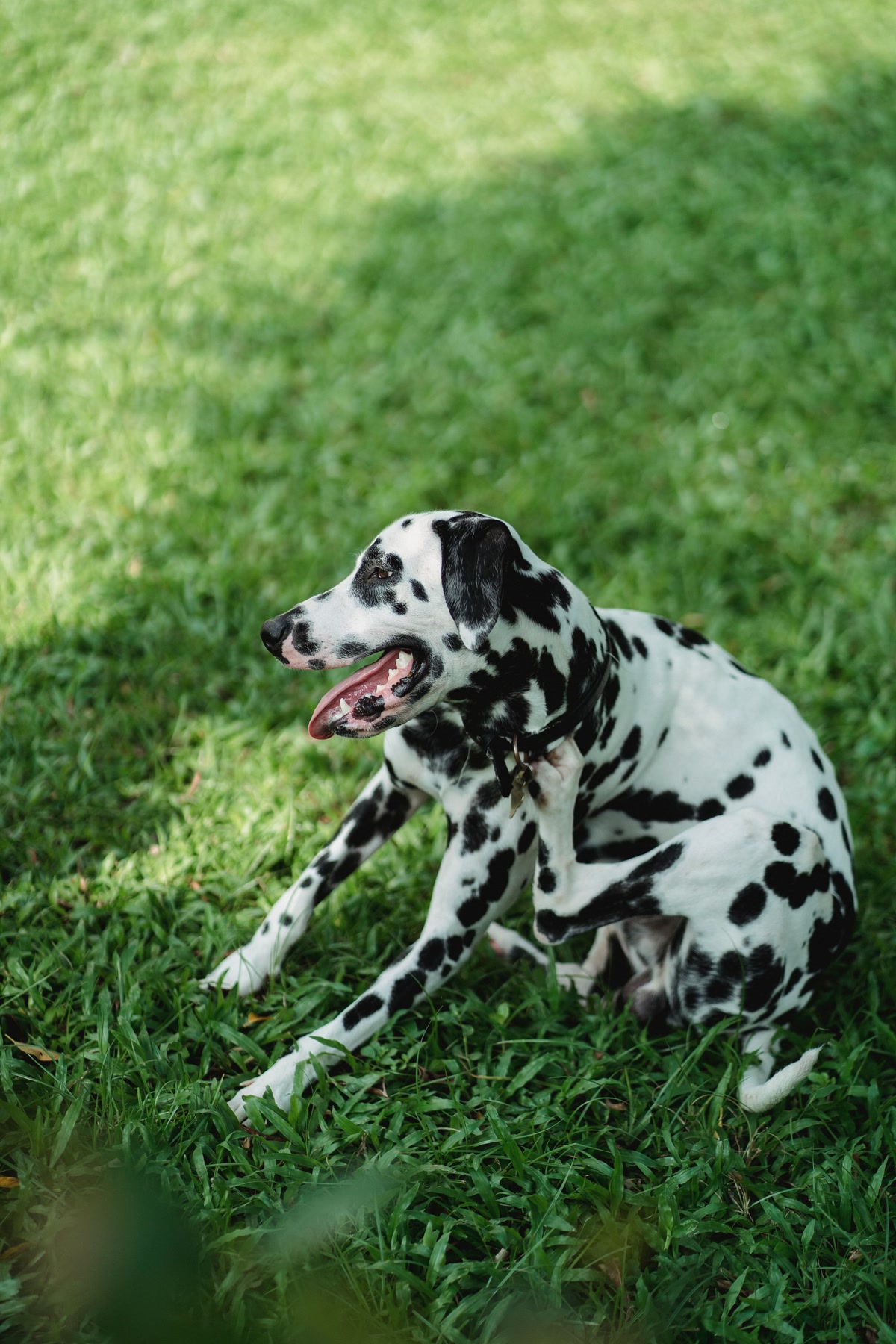
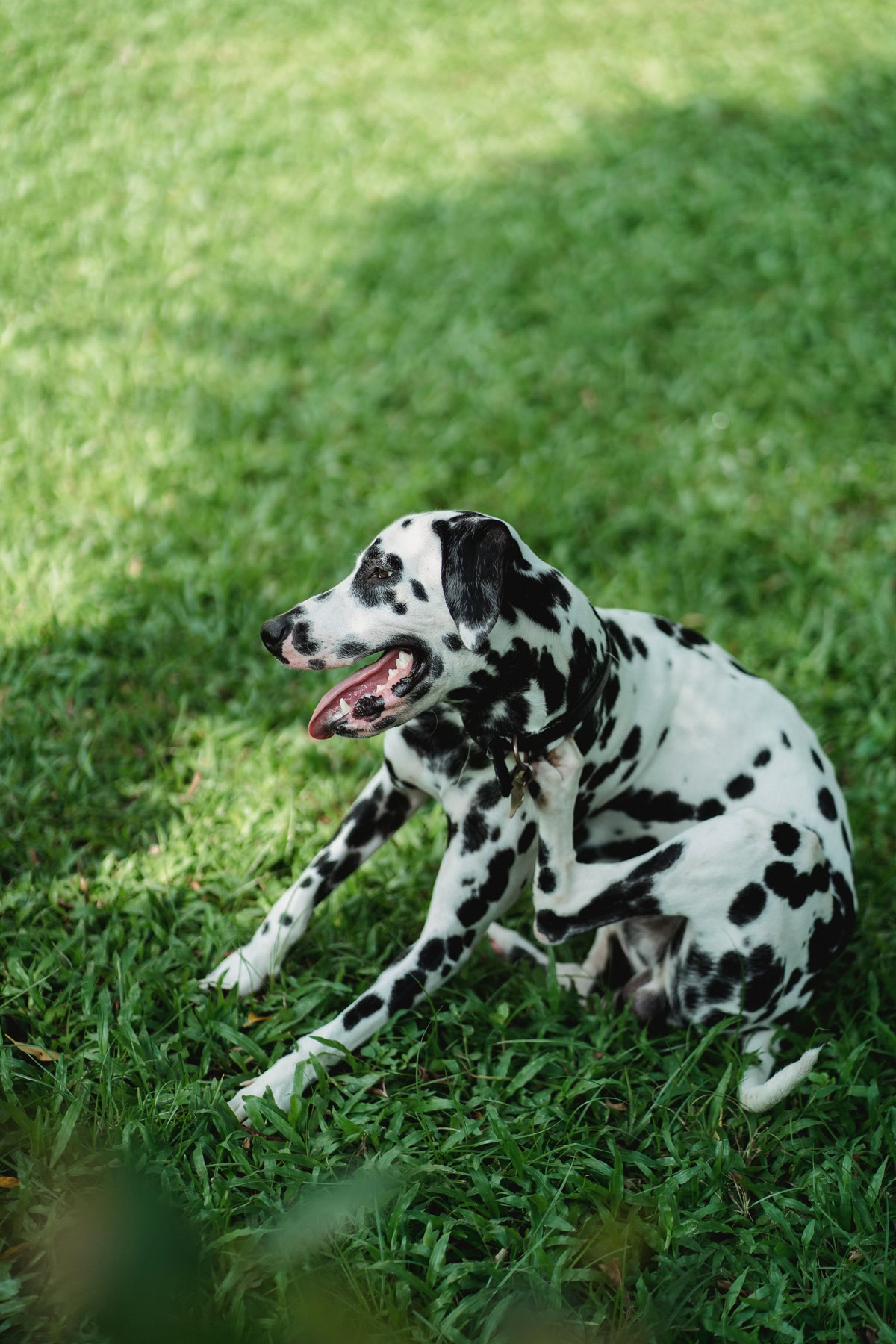
Canine allergies look different than human allergies. Instead of sneezing, dogs show symptoms through their skin, ears, and digestive system. The big four signs to watch for:
- Itchy, red skin — constant scratching, rubbing against furniture, or biting at flanks. Allergic dogs often develop hot spots, which are raw, inflamed patches that appear overnight.
- Chronic ear infections — if your dog gets ear infections more than twice a year, allergies are likely the trigger. Look for redness, odor, and head-shaking.
- Paw licking and chewing — dogs with environmental allergies absorb allergens through their paws. Excessive licking, especially of the feet and between toes, is a hallmark sign.
- GI issues — vomiting, diarrhea, or chronic soft stool can point to food allergies, especially in younger dogs.
If you see two or more of these signs at the same time, allergies are the most likely explanation. The next step is figuring out what is causing them.

Food Allergies and the Free Diagnostic
Food allergies account for roughly 10 percent of all canine allergy cases. The symptoms overlap with environmental allergies, which makes them hard to pin down. But the cheapest and most accurate diagnostic tool is also the simplest: an elimination diet.
An elimination diet costs zero extra dollars if you switch to a single-protein food you are not currently feeding. The process works like this:
- Pick one novel protein your dog has never eaten — duck, venison, rabbit, or even pork work well.
- Feed only that protein plus a single carb source (sweet potato, rice, or pea) for 8 to 12 weeks.
- No treats, no table scraps, no flavored medications. Strict compliance is essential.
- If symptoms improve, reintroduce old ingredients one at a time to identify the trigger.
A limited-ingredient diet like Natural Balance L.I.D. (Compare prices on Amazon) costs about the same as premium kibble, roughly 55 to 70 dollars per month for a medium dog. Compare that to allergy testing at the vet, which runs 200 to 400 dollars and often produces inconclusive results. Try the elimination diet first.
Budget OTC Treatments That Actually Work
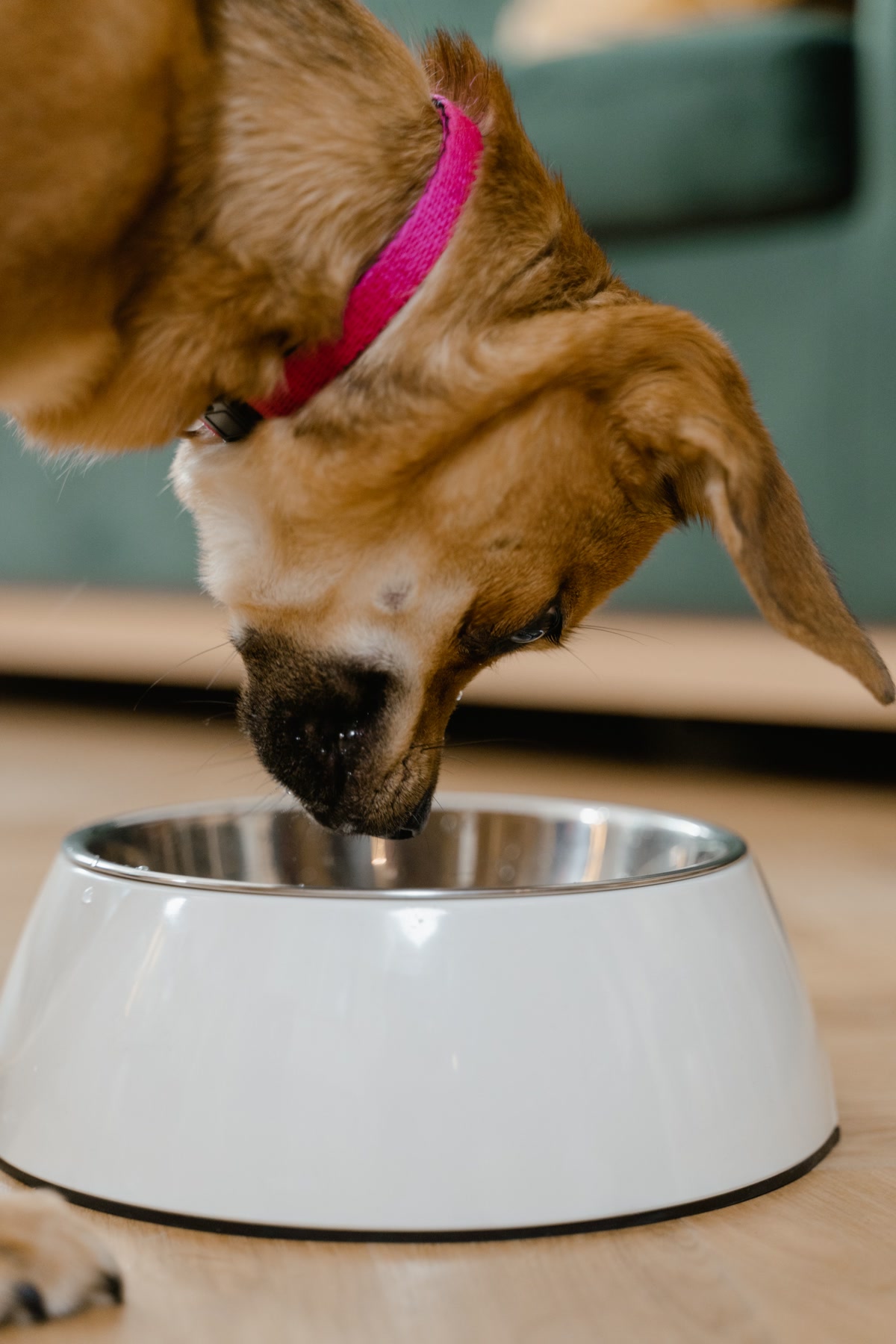
You do not need a prescription for several effective allergy treatments. These over-the-counter options are vet-approved and cost a fraction of prescription alternatives:
1. Benadryl (Diphenhydramine) — 5 to 8 Dollars Per Bottle
The most common OTC antihistamine for dogs. It helps with mild to moderate itching, especially from insect bites and seasonal allergies. The standard dose is 1 milligram per pound of body weight, given every 8 to 12 hours. A 50-count bottle of 25-milligram capsules costs around 5 to 8 dollars and lasts most dogs several weeks. Benadryl 25mg capsules (Compare prices on Amazon)
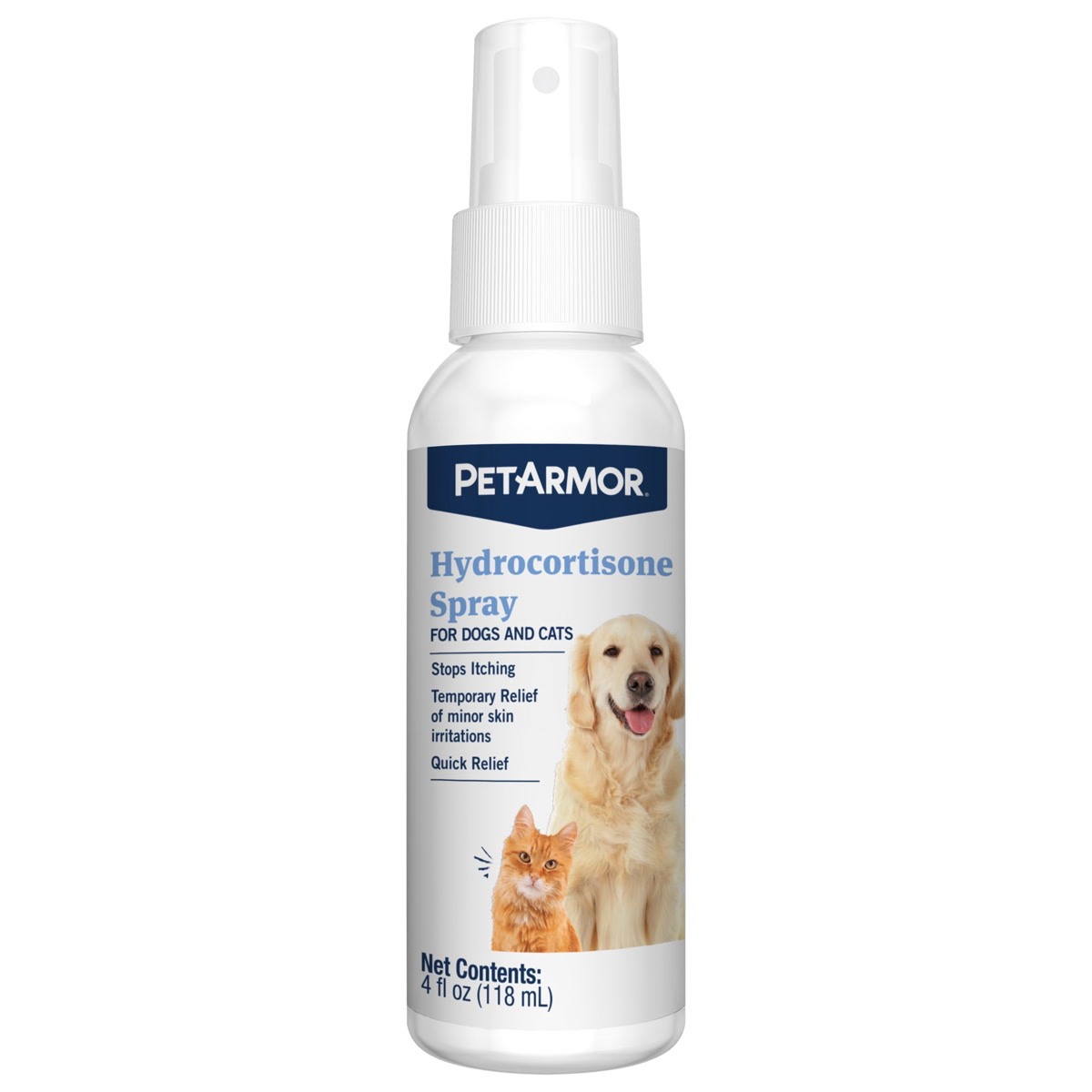
2. Hydrocortisone Spray — 8 to 12 Dollars
A pet-safe hydrocortisone spray stops itching on contact and reduces inflammation in hot spots. It is not a cure, but it provides immediate relief while you address the underlying allergy. Look for 1 percent hydrocortisone sprays formulated for dogs. A typical bottle costs 8 to 12 dollars versus 50 dollars or more for a prescription steroid spray. Davis Hydrocortisone Spray (Compare prices on Amazon)
3. Quercetin Supplement — 10 to 15 Dollars Per Month
Quercetin is a natural antihistamine and anti-inflammatory found in apples and onions. It is sometimes called “nature’s Benadryl” because it stabilizes mast cells and reduces histamine release. Dosing is roughly 5 to 10 milligrams per pound of body weight, twice daily. A 120-capsule bottle of Doctor’s Best Quercetin (Compare prices on Amazon) costs about 10 to 15 dollars and lasts one to two months depending on your dog’s weight. That is significantly cheaper than 30-dollar-plus vet allergy medications.
DIY Skin Solutions Worth Trying
Before you spend 20 dollars or more on medicated pet shampoos, try these three homemade remedies. They are cheap, safe, and surprisingly effective for mild to moderate skin irritation.
Oatmeal Baths — 4 Dollars
Colloidal oatmeal creates a protective barrier on the skin and locks in moisture while soothing inflammation. You can buy a pouch of Aveeno colloidal oatmeal for about 4 dollars, or grind plain oats in a blender until fine. Mix a half-cup into warm bath water and let your dog soak for 5 to 10 minutes. This works especially well for dogs with widespread itching and dry, flaky skin.
Apple Cider Vinegar Rinse — 3 Dollars
A 50/50 mix of raw apple cider vinegar and water makes an excellent post-bath rinse for dogs with yeasty, smelly skin. The acidity restores the natural pH balance and discourages yeast overgrowth. Avoid applying to open sores or hot spots — it will sting. A bottle of Bragg’s ACV costs about 3 dollars and lasts for months of weekly rinses.
Coconut Oil — 8 Dollars Per Jar
Organic, cold-pressed coconut oil can be applied topically to dry, irritated patches or added to food at a teaspoon per 10 pounds of body weight. It contains lauric acid, which has antibacterial and antifungal properties. An 8-dollar jar goes a long way. For skin application, a thin coat massaged into itchy areas once daily can reduce scratching within a few days. Viva Naturals Organic Coconut Oil (Compare prices on Amazon)
Environmental Allergy Management That Costs Nothing
Environmental allergies — pollen, dust mites, mold, and grass — are the most common type in dogs. These free daily habits can cut symptoms dramatically without spending a cent:
- Wipe paws after every walk. Use a damp cloth to remove pollen and grass residue from your dog’s paws and belly. This single habit can reduce environmental allergen exposure by up to 80 percent.
- Rinse paws in the bathtub. For dogs who lick their feet, a quick foot rinse after outdoor walks stops allergens before they are absorbed through the skin.
- Wash bedding weekly. Your dog’s bed collects dust mites, pollen, and dander. Hot-water washing kills mites and removes allergens.
- Vacuum frequently. Carpet and rugs trap allergens. Vacuuming two to three times per week keeps the indoor allergen load lower.
- Keep windows closed during high-pollen days. Check local pollen counts online and limit outdoor time on the worst days.
For indoor air quality, a basic HEPA air purifier like the Levoit Core 300 (Compare prices on Amazon) runs about 40 to 80 dollars as a one-time purchase and can make a noticeable difference for dogs with indoor allergies to dust and mold.
When to See the Vet Versus Home Treatment
Home treatment works for mild to moderate allergies, but some situations require professional help. Here is how to tell the difference:
Try home treatment first if:
- Symptoms are mild — occasional scratching, slight paw licking
- No open sores, bleeding, or hair loss
- Your dog is still eating, drinking, and acting normally
- Symptoms are seasonal (spring and fall)
See the vet if:
- Hot spots that are bleeding or oozing
- Ear infections that smell bad or produce discharge
- Symptoms that worsen or spread despite home treatment
- Weight loss, lethargy, or loss of appetite
- Skin that is thickened, darkened, or has a strong odor
- Symptoms lasting longer than 8 to 12 weeks
A basic vet visit for allergies costs 50 to 100 dollars for the exam, and the vet can rule out more serious conditions like mites, infections, or autoimmune disorders that mimic allergy symptoms.
Prescription Costs and Cheaper Alternatives
If home treatment is not enough, your vet may recommend prescription medications. Knowing the costs upfront helps you make informed decisions and ask about alternatives:
- Apoquel (oclacitinib) — 50 to 80 dollars per month. A highly effective daily pill that blocks itch signals. Works fast but is expensive for long-term use and can suppress the immune system.
- Cytopoint injection — 40 to 100 dollars per injection, lasting 4 to 8 weeks. Targets itch-specific pathways without immune suppression. The total annual cost of 240 to 600 dollars is lower than continuous Apoquel for many dogs.
- Prednisone — 4 to 10 dollars per month for generic tablets. A corticosteroid that reduces inflammation and itching quickly. Cheaper than Apoquel but comes with more side effects with long-term use: increased thirst, appetite changes, and immune suppression.
- Atopica (cyclosporine) — 30 to 60 dollars per month. An immunosuppressant for chronic atopic dermatitis. Often prescribed when Apoquel is not effective. Generic cyclosporine is available for 15 to 30 dollars per month.
If your vet recommends Apoquel, ask about Cytopoint instead — the total cost is often lower for dogs over 20 pounds, and it avoids daily medication. If cost is a concern, ask about generic prednisone for short-term flare-ups while you work on the underlying cause.
Monthly Budget Breakdown for Allergy Management
Here is what a realistic budget allergy management plan looks like month to month:
- Benadryl (as needed): 5 dollars per month average
- Quercetin supplement: 10 to 15 dollars per month
- Hydrocortisone spray (as needed): 3 dollars per month amortized
- Oatmeal bath supplies: 2 dollars per month amortized
- Apple cider vinegar rinse: 1 dollar per month amortized
- Coconut oil (dietary and topical): 4 dollars per month amortized
- Limited ingredient food: 55 to 70 dollars per month (same as premium kibble)
Total estimated monthly cost: 80 to 100 dollars, which is primarily the cost of food you would be buying anyway. The allergy-specific treatments add just 20 to 30 dollars on top of normal food costs.
For comparison, Apoquel alone costs 50 to 80 dollars per month, and combined with vet visits and prescription shampoos, a typical prescription allergy management plan runs 100 to 200 dollars per month. Home management saves 50 to 100 dollars per month for the majority of dogs with mild to moderate allergies.
Bottom Line
Dog allergies are common, frustrating, and expensive if you rely solely on veterinary prescriptions. But most dogs with mild to moderate allergies can be managed for under 100 dollars per month using a combination of OTC antihistamines, DIY skin treatments, limited ingredient diets, and simple daily habits like wiping paws after walks. Start with the cheap options — an elimination diet is free if you switch foods, Benadryl costs pocket change, and paw wipes cost nothing. Save the expensive prescriptions for dogs who genuinely need them, and you will keep both your dog comfortable and your budget intact.
n
ThriftyPaw is reader-supported. As an Amazon Associate, we earn from qualifying purchases. This means we may earn a small commission when you buy through links on this site at no additional cost to you. We only recommend products we genuinely believe in. Thank you for supporting ThriftyPaw.
My take: Start with the free diagnostic — the elimination diet answers the food question that $200-400 of testing often can’t. The $5-8 Benadryl bottle and $8-12 hydrocortisone spray manage the symptoms, but do the one vet visit for a proper diagnosis if the cheap stack doesn’t settle things within a month.
Related guides
- Best No-Pull Harnesses for Large Dogs (We Tested 5)
- DIY Dog Agility Equipment: Build a Complete Course Under 50 Dollars
- Budget Dog Dental Chews and Toys: Complete Oral Care Under 25 Dollars a Month
- Best Budget Dog Car Ramps and Steps Under 40 Dollars (2026)
- Best Dog Beds for Heavy Chewers Under 35
🐾 Get Your Free Big Dog First Aid Kit Checklist
Join our newsletter and get this free printable plus weekly tips.
Frequently Asked Questions
Can I give my dog Benadryl for allergies?
Yes — it's the most common OTC antihistamine for dogs, and a 50-count bottle of 25mg capsules costs $5-8 and lasts weeks. Ask your vet for the right dose for your dog's weight before the first dose, and know what you're treating: Benadryl takes the edge off environmental allergy itching; it won't touch a food allergy.
How can I tell if my dog has food allergies without expensive testing?
An elimination diet — switch to a single-protein food your dog has never eaten, and it costs zero extra dollars versus $200-400 for vet allergy testing that often comes back inconclusive. Feed nothing else for 8-12 weeks; if symptoms clear and return on rechallenge, you have your answer.
What's the cheapest itch relief for hot spots?
A pet-safe hydrocortisone spray at $8-12 stops itching on contact — versus $50+ for the prescription steroid spray. For flare-prone dogs, a $4 colloidal oatmeal bath between applications soothes the inflammation without breaking the skin budget.
Liked this guide? Get the next one in your inbox — the pet budget checklist is free too.
✓ You're in — check your inbox.
No spam. Unsubscribe anytime. We never share your email.
Price Check
Prices verified via our product tracker. Updated Sep 27.
| Omega 3 Fish Oil for Dogs - Supports Shedding and Itching, | $16.97 | 4.5★ (14,531) |
| Zesty Paws Probiotics for Dogs - Gut Health Soft Chews, Pu | $2.60 | 4.5★ (25,510) |
| Major 4 Mg Allergy Tablets - Chlorpheniramine Maleate 4-Ho | $6.99 | 4.7★ (1,606) |
| LEVOIT Air Purifiers for Home Allergies and Better Sleep ( | $149.98 | 4.8★ (2,025) |
As an Amazon Associate we earn from qualifying purchases.