
This article contains affiliate links. We may earn a commission from qualifying purchases.
Some content on this site is AI-assisted and reviewed by our editorial team.
Last updated: May 2026 | By ThriftyPaw
Bringing a dog home is one of the best decisions you will ever make. The wagging tail at the door, the couch cuddles, the adventures at the park — it changes your life in the best way. But what most first-time owners are not prepared for is the sticker shock that follows. The ASPCA estimates that basic dog care runs between $1,000 and $2,500 per year, and the first year can easily top $4,000 once you factor in adoption fees, supplies, vaccinations, and spay or neuter surgery.
The good news? A huge chunk of those costs are optional or negotiable. This guide breaks down every dollar you will spend — and shows you exactly where to cut without cutting corners on your dog’s health or happiness.

The First Year: Where Most of Your Money Goes
The first twelve months are by far the most expensive. Between bringing your dog home and getting them fully set up, you are looking at a wide range depending on your choices.
Adoption or purchase: Shelter adoptions typically run $50 to $200 and almost always include initial vaccinations and spay or neuter surgery. Buying from a breeder can run $500 to $3,000, and you will still need to pay for those medical procedures separately. Adoption is not just the ethical choice — it is the budget choice.
Spay or neuter: Private vets charge $150 to $300, but low-cost clinics and shelter programs offer the same procedure for $50 to $100. Many shelters include this in the adoption fee, so you may pay nothing extra at all.
Vaccinations: A full first-year puppy series runs $75 to $100 at a regular vet. Low-cost vaccine clinics at pet stores and animal shelters offer the same shots for $20 to $40. That is a savings of $40 to $80 for the exact same protection.
Essential supplies (one-time costs):
- Crate: $30 to $80 — skip the fancy ones; a basic wire crate works perfectly
- Leash and collar: $15 to $30
- Food and water bowls: $10 to $20 — stainless steel lasts forever and costs less than plastic
- Dog bed: $20 to $50
- Training treats and toys: $20 to $40
All in, first-year essentials can range from around $500 if you adopt and use low-cost services, up to $4,000 or more if you buy from a breeder and go premium on everything. The difference between the floor and the ceiling is almost entirely about choices, not quality of care.

Monthly Costs: What You Will Spend Every Month
After the first year, dog ownership settles into a monthly rhythm. Here is what you can expect to spend on an ongoing basis.
Food: Budget kibble runs $20 to $30 per month. Mid-range brands cost $40 to $60. Premium and raw diets can hit $80 to $100 or more per month. For most healthy adult dogs, a quality mid-range kibble provides complete nutrition without the premium price tag.
Preventatives: Heartworm, flea, and tick prevention costs $15 to $40 per month depending on your dog’s weight and the brand. This is not optional — heartworm treatment costs $1,000 to $3,000, making a $15 monthly preventative one of the best investments you can make.
Pet insurance: Plans range from $30 to $50 per month. Whether it is worth it depends on your dog’s breed, age, and your financial cushion. More on this below.
Typical monthly total: $65 to $130 for a healthy adult dog on a mid-range budget. Budget-conscious owners can keep this closer to $40 to $60 per month.

The Hidden Costs Nobody Warns You About
These are the expenses that catch new dog owners off guard. None of them are dealbreakers, but they add up fast if you are not prepared.
Pet deposit for rental housing: Many landlords charge $200 to $500 as a pet deposit, and some charge monthly pet rent of $25 to $50 on top of that. If you rent, factor this into your housing budget from day one.
Yard cleanup supplies: A pooper scooper and waste bags run $15 to $30 as a one-time cost, plus $5 to $10 per month for refill bags. It is not glamorous, but it is necessary.
Unexpected vet visits: Even healthy dogs have accidents. A torn nail, an ear infection, or a bout of diarrhea can cost $150 to $500 per visit. Setting aside $20 to $30 per month in a dedicated pet savings account gives you a cushion for the unexpected.
Replacing chewed items: Puppies destroy things. Shoes, remotes, furniture legs — budget $100 to $200 in your first year for replacements you did not plan on.
Boarding or pet sitting: If you travel, boarding runs $30 to $60 per night. Services like Rover or Wag offer pet sitting at $20 to $40 per night, which can save you hundreds on a week-long trip.
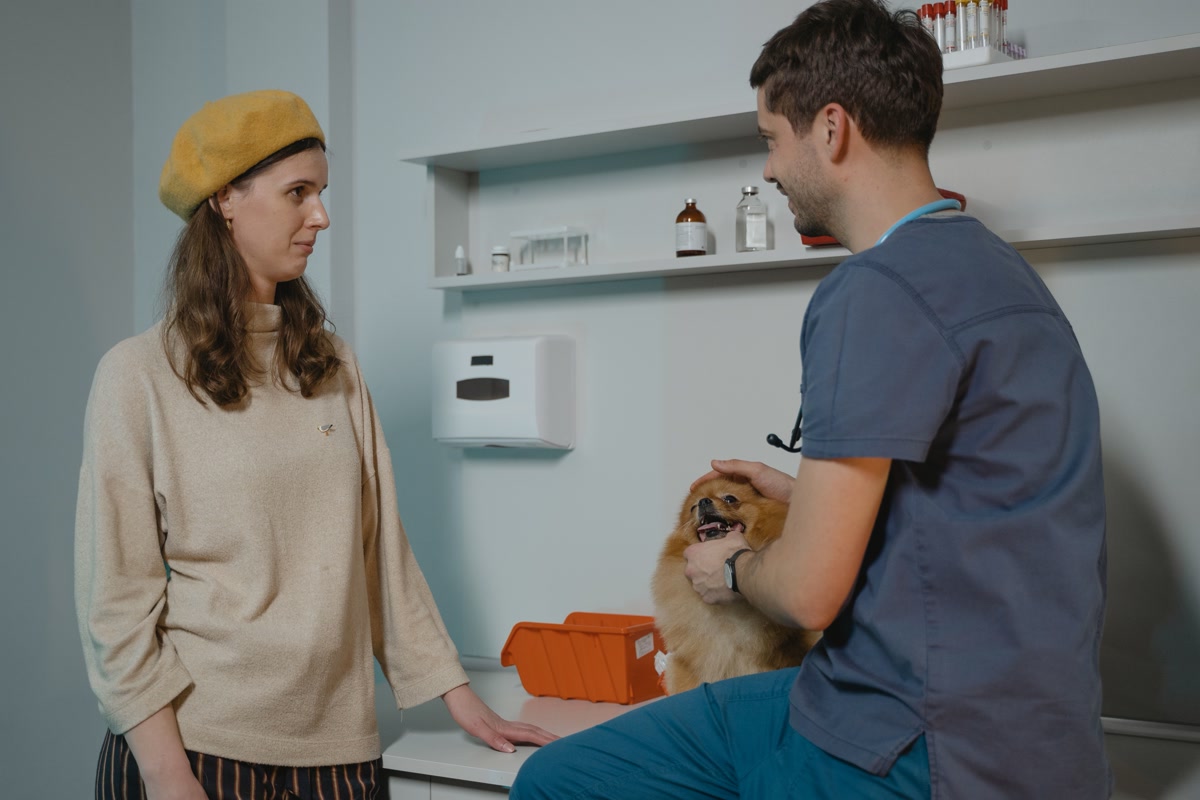
Food: Budget Kibble vs Premium — Is Expensive Food Worth It?
Dog food is where most owners feel the most pressure to spend more. Pet store employees, online forums, and social media ads all push the idea that you need to feed your dog a $90 bag of grain-free boutique kibble. Here is the reality.
The Association of American Feed Control Officials sets minimum nutritional standards that all commercial dog foods must meet. A $25 bag of Purina One or Pedigree meets those standards. A $70 bag of Orijen exceeds them. But exceeding nutritional minimums does not necessarily mean better health outcomes — most dogs thrive on food that meets the standard.
What actually matters:
- Look for foods with an AAFCO statement confirming “complete and balanced” nutrition
- The first ingredient should be a named animal protein (chicken, beef, lamb)
- Avoid generic “meat meal” or “animal by-products” as the primary protein source
- Grain-free is not inherently better — the FDA has investigated links between grain-free diets and canine heart disease
Budget pick: Purina One SmartBlend ($22 for a 31-pound bag) or Pedigree Adult Complete Nutrition (Compare prices on Amazon) provide solid nutrition at a fraction of premium pricing. You can feed a medium dog for under $25 per month.
When premium is worth it: Dogs with food allergies, sensitive stomachs, or specific health conditions may genuinely need a specialty diet. Work with your vet — do not upgrade based on marketing.
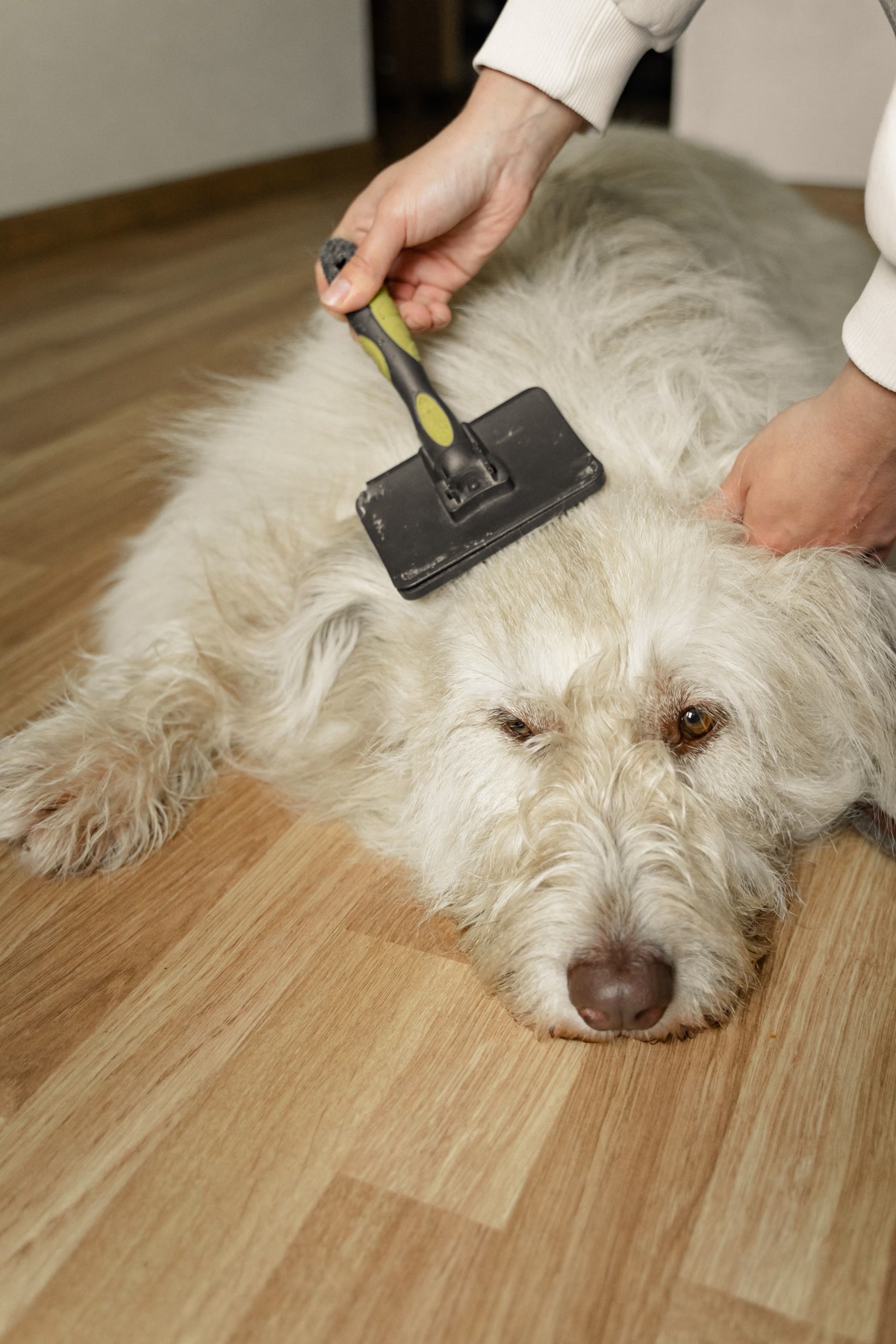
Vet Care: How to Save Hundreds Without Cutting Corners
Veterinary care is the single biggest variable in your annual dog budget. A healthy year might cost you $100 for a wellness exam. A sick year could easily run $2,000 to $3,000. Here is how to stay on the low end of that range.
Use low-cost vaccine clinics: PetSmart’s Banfield hospitals, local animal shelters, and organizations like VIP Petcare offer vaccine packages for $20 to $40 — less than half what private vets charge for the same shots. Search “low cost vet clinic near me” and you will find options in most cities.
Ask about wellness plans: Many vets offer subscription-based wellness plans for $20 to $40 per month that include annual exams, vaccinations, dental cleanings, and discounts on additional services. These can save you $200 to $400 per year compared to paying out of pocket.
Shop around for prescriptions: Heartworm and flea preventatives are often cheaper online through pharmacies like Chewy or 1-800-PetMeds than at your vet’s office. Ask your vet to write a prescription instead of buying directly from them.
Do not skip the annual exam: The $100 to $200 you spend on a yearly wellness check catches problems early, when they are inexpensive to treat. A routine blood panel that costs $80 can spot kidney disease months before symptoms appear, saving you thousands in emergency care down the line.
Grooming: DIY vs Professional
Professional grooming runs $30 to $60 per session, and most dogs need it every 4 to 8 weeks. That adds up to $240 to $720 per year. Or you can do it yourself for essentially $0.
Short-haired breeds: A $15 rubber curry brush and occasional baths are all you need. There is no reason to pay a groomer for a Lab or Beagle unless you cannot physically bathe your dog yourself.
Long-haired and double-coated breeds: This is where grooming costs spike. If you have a Poodle, Shih Tzu, or Husky, professional grooming is often worth it — but you can stretch the interval. Learn to brush thoroughly at home between visits, and you can cut your grooming appointments in half.
Nail trims: Vets and groomers charge $10 to $15 per trim. A $15 pair of dog nail clippers and five minutes of practice saves you $120 to $180 per year. Most dogs tolerate it fine once you establish a routine.
Budget pick: Safari Professional Nail Trimmer (Compare prices on Amazon) for nail trims, a good slicker brush, and dog shampoo — total investment under $40, replaces $500+ per year in grooming.
Pet Insurance: When It Saves Money and When It Does Not
Pet insurance is one of the most debated topics among dog owners, and the answer depends heavily on your situation.
When pet insurance is worth it:
- You own a breed prone to expensive conditions (French Bulldogs with breathing issues, German Shepherds with hip dysplasia, Golden Retrievers with cancer)
- You would go into debt to save your dog in an emergency
- You want predictable monthly costs instead of surprise bills
- Your dog is young and healthy — premiums are lowest when they are puppies
When you might skip it:
- You have $3,000 to $5,000 in savings you can dedicate to vet care
- You own a mixed breed with fewer genetic health risks
- You are disciplined about setting aside money monthly for a pet emergency fund
The math: At $40 per month, you pay $480 per year in premiums. Most plans have a $250 to $500 deductible and reimburse 80 to 90 percent after that. If your dog has a $3,000 emergency surgery, insurance might pay out $2,200 to $2,500 — making that year’s premium well worth it. But if your dog stays healthy for five years, you have spent $2,400 in premiums with zero return. The gamble is real either way.
Budget pick: If you skip insurance, put $30 to $40 per month into a dedicated savings account. After two years, you will have $720 to $960 for unexpected vet costs — and unlike insurance premiums, that money stays yours if you never need it.
The Budget Owner Playbook: Getting to 500 to 800 Dollars Per Year
Here is how to bring your annual dog care costs down to $500 to $800 — roughly half of what the average owner spends — without compromising your dog’s wellbeing.
Adopt, do not buy: Shelter fees of $50 to $200 typically include spay/neuter, initial vaccinations, and a microchip. That saves you $300 to $500 right off the bat compared to buying from a breeder and paying for those services separately.
Feed a quality mid-range kibble: Brands like Purina One, Iams, and Diamond Naturals provide complete nutrition for $20 to $35 per month. Skip the boutique brands unless your vet specifically recommends one.
Use low-cost vet services: Vaccine clinics, shelter wellness programs, and veterinary schools offer the same standard of care at 40 to 60 percent less than private practice prices.
Groom at home: Invest $30 to $50 in quality brushes, nail clippers, and dog shampoo. Do your own baths, brushing, and nail trims. For most breeds, this eliminates $300 to $600 per year in professional grooming.
Board smart: Use Rover or a trusted neighbor instead of commercial boarding kennels. At $20 to $30 per night versus $40 to $60, you save $140 to $210 on a week-long trip.
Skip pet insurance if you have savings: Self-insure by putting $30 per month into a pet emergency fund. After one year, you have $360. After two years, $720. That covers most unexpected vet visits without giving money to an insurance company.
Buy supplies smart: Stainless steel bowls, a basic wire crate, and a simple leash and collar from Amazon or a discount pet store work just as well as the $80 designer versions. Save the fancy stuff for if you want to splurge later.
Full Cost Comparison: Typical vs Budget Approach
Here is a side-by-side breakdown of what the typical owner spends versus what the budget-conscious owner can achieve.
First Year Costs:
- Typical: $2,500 to $4,000 (breeder purchase, private vet, premium food, professional grooming)
- Budget: $500 to $1,200 (shelter adoption, low-cost vet, mid-range food, DIY grooming)
Annual Recurring Costs (Year 2+):
- Typical: $1,500 to $2,500 (premium food, pet insurance, professional grooming, private vet)
- Budget: $500 to $800 (mid-range food, self-insured, DIY grooming, low-cost vet)
Where the savings come from:
- Food: $40 to $70 per month saved by choosing mid-range over premium
- Grooming: $300 to $600 per year saved by doing it yourself
- Vet care: $100 to $300 per year saved by using low-cost clinics
- Pet insurance: $360 to $600 per year saved by self-insuring (if you have the discipline to save)
- Boarding: $140 to $210 per trip saved by using Rover over commercial kennels
The total annual savings easily reaches $700 to $1,200 per year — enough to cover a vacation, an emergency fund, or just breathe easier knowing your dog is well cared for without straining your finances.
Bottom Line
Owning a dog does not have to cost as much as a car payment. The ASPCA’s $1,000 to $2,500 annual estimate reflects what the typical owner spends — but typical does not mean necessary. By adopting from a shelter, feeding quality mid-range food, using low-cost veterinary services, grooming at home, and self-insuring with a dedicated savings account, you can bring your annual costs down to $500 to $800 without sacrificing a single thing your dog actually needs.
The real cost of owning a dog is whatever you make it. The love, the companionship, the daily walks — those are free. Everything else is a choice, and now you know exactly where to make the smart ones.
n
ThriftyPaw is reader-supported. As an Amazon Associate, we earn from qualifying purchases. This means we may earn a small commission when you buy through links on this site at no additional cost to you. We only recommend products we genuinely believe in. Thank you for supporting ThriftyPaw.
My take: The ASPCA’s $1,000-2,500 a year is the typical path, and the guide’s budget playbook legitimately halves it to $500-800 — shelter adoption, low-cost clinics, and honest mid-range food. The cuts that work are on distribution and markups; the one place not to save is preventive care, because that’s the fee that prevents the $4,000 year.
Related guides
- Budget Dog Heartworm Prevention: Affordable Options That Protect Your Dog
- Groomer Nail Trims at 15 Dollars. The 10 Dollar Clippers Paid for Themselves in One Visit.
- Best Budget Dog Jackets and Cold Weather Gear (Under 30 Dollars — 2026)
- 5 Best Dog Cooling Mats Under 40 Dollars in 2026
- Dog Friendly Road Trip Stops on a Budget: 5-Day Trip Under 50 Dollars
🐾 Get Your Free Big Dog First Aid Kit Checklist
Join our newsletter and get this free printable plus weekly tips.
Frequently Asked Questions
How much does a dog cost in the first year?
The first year can top $4,000 the typical way — but the budget path starts at adoption itself: shelter adoptions at $50-200 usually include initial vaccines and spay/neuter that breeders ($500-3,000) leave you to buy separately. The guide's playbook gets annual costs to $500-800.
What's the fastest way to cut first-year dog costs?
Low-cost clinics for the medical line: spay/neuter at $50-100 versus $150-300 at private vets, and the first-year vaccine series at $20-40 versus $75-100. Same procedures, same protection — the savings are $40-80 on vaccines alone.
Is expensive dog food worth it?
Not automatically — budget kibble runs $20-30 a month against $80-100+ for premium or raw, and the guide's position is that the mid-range ($40-60) is where quality gains stop compounding. Watch the dog, not the bag: coat, energy, and stool quality tell you whether the food is working.
Liked this guide? Get the next one in your inbox — the pet budget checklist is free too.
✓ You're in — check your inbox.
No spam. Unsubscribe anytime. We never share your email.